Rübsen - Chinakohl

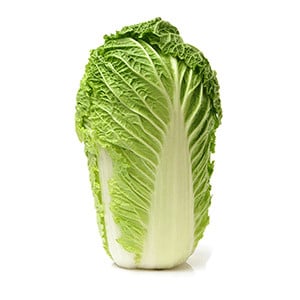
Rübsen - Chinakohl
Brassica rapa subsp. pekinensis
Pflanzenfamilie
Kreuzblütler (Brassicaceae)
Auch bekannt als
Pekingkohl, Japankohl, Selleriekohl, Chinesischer Weißkohl, Wombok, Wong Bog, Da Bai Cai, Pe-Tsai, Siu Choy, Shaocai, Wong Nga Bak, Bechu, Cai Thao, Hakusai, Phak Kat Khao
Anbaupause Fruchtwechsel
3 Jahre
Saisonübersicht
Voranzucht
Pflanzung
Ernte
Ernte
J
F
M
A
M
J
J
A
S
O
N
D
1. JAHR
2. JAHR
Details


Lichtbedarf
Halbschattig

Wasserbedarf
Feucht

Boden
Mittelschwer (lehmig)

Nährstoffbedarf
Hoch

Dunkelkeimer

Keimtemperatur
15 - 18 °C (Grad Celsius)

Pflanzabstand
40 cm

Reihenabstand
60 cm

Saattiefe
1.5 cm
Anleitungen
Anfang April

Direktsaat
Ende April

Hacken
alle zwei Wochen
Beschreibung
Chinakohl (Brassica rapa ssp. pekinensis) stammt aus der Familie der Kreuzblütengewächse. Der Chinakohl wird bereits viele Jahrhunderte in China, Korea und Japan kultiviert. Seit dem 20. Jahrhundert kennt man ihn auch in unseren Breitengraden. In seiner ursprünglichen Heimat wird Chinakohl meistens zu einer Art fermentiertem Sauerkraut eingelegt, das auch sehr pikant sein kann. In Südkorea findet man das sogenannte Kimchi als übliche Beilage zu vielen Speisen. Archäologische Funde von Tongefäßen zeigen, dass eine derartige Zubereitung schon seit über 2000 Jahre praktiziert wird. Das Wintergemüse, das vermutlich eine Kreuzung zwischen Speiserübe und dem in Asien weitaus bekannterem Pak Choi ist, lässt sich unkompliziert anbauen und gut lagern. In der Küche kann man aus Chinakohl viele leckere Gerichte zubereiten. Im Gegensatz zu den meisten uns bekannten europäischen Kohlsorten, besitzt der Chinakohl keinen Strunk und seine Blätter sind angenehm zart mit einem milden Kohlaroma. Das macht diese asiatische Kohlsorte so beliebt zum Einlegen und Braten. Durch seine kurze Garzeit ist er auch bestens für asiatische Wok-Gerichte geeignet. Der knackige asiatische Kohl wird auch als Blätterkohl, Pekingkohl, Japankohl und Selleriekohl bezeichnet. Je nach Herkunft unterscheidet sich der jeweilige Kohl auch etwas im Geschmack: So ist der Japankohl noch milder und zarter als sein Verwandter aus China. Chinakohl zeichnet sich durch seine zylinderartigen Kohlköpfe und seine hellgelben bis hellgrünen Blätter aus. Die zweijährige Pflanze wächst bei uns als einjährige Kultur, mit schossfesten Züchtungen ist sogar ein ganzjähriger Anbau möglich. Dennoch überwiegt die Herbstkultur mit eine Erntezeit im Oktober und November. Der mild schmeckende und gut verdauliche Chinakohl ist dank der hohen Gehalte an B-Vitaminen wie Niazin, Biotin und Pantothensäure ein Nervenstärker. Er enthält halb so viel Vitamin C wie Zitronen, reichlich Folsäure und hat mit seinen Senfölen die Wirkung natürlicher Antibiotika. Die zarten Blätter schmecken roh als Salat oder mit kurzer Garzeit als Gemüsegericht. Das Kochwasser kann für Suppen weiterverwendet werden.
Herkunft:
China, Korea, Japan
Anbautipps
Standort und Boden Auch im heimischen Garten kann der schmackhafte Chinakohl problemlos angebaut werden. Er bevorzugt einen nährstoffreichen Boden an einem geschützten und sonnigen bis halbschattigen Standort. Sein Wärmebedarf ist nicht so hoch, wie seine Hauptanbauländer vermuten lassen würden. Viel wichtiger ist ein windgeschützter Standort und eine gute Versorgung mit Feuchtigkeit. Chinakohl zählt wie die meisten Kohlarten zu den Starkzehrern. Magere Böden sollten vor dem Setzen der Jungpflanzen ausgebessert werden durch Gaben von Kompost oder Mist. Aussaat und Pflanzung Den Chinakohl pflanzt man meistens erst recht spät. Deshalb eignet er sich gut als Nachkultur von frühgeräumten Pflanzen wie Möhren oder Bohnen. Gesät wird erst Mitte Juni bis Anfang August. Man kann die Pflanzen in kleineren Töpfen anziehen oder direkt ins Beet säen. Die Saattiefe beträgt 1,5 cm. Der Abstand zwischen den Pflanzen sollte 30 bsi 40 cm und zwischen den Reihen 50-60 cm betragen. Bei einer Bodentemperatur von 15 bis 18° C erfolgt die Keimung innerhalb einer guten Woche. Er ist eine typische Hackfrucht. Wird das Erdreich regelmäßig durch Hacken aufgelockert, dankt es der Kohl mit einem gesunden Wachstum und einem hohen Ertrag. Bei Trockenheit muss stets gegossen werden. Pflege Chinakohl ist weitaus weniger anspruchsvoll als andere Kohlarten. Neben einer ausreichenden und regelmäßigen Wassergabe sollten Sie das Gemüse allerdings regelmäßig düngen, da er in kurzer Zeit seine großen Blätter ausbildet: Von der Pflanzung der Setzlinge bis zur Ernte der Kohlköpfe vergehen nämlich nur etwa acht Wochen. Für das Düngen eignen sich zur Pflanzung und während des Blattwachstums Hornmehl und Hornspäne oder alternativ reifer Kompost. Auch wiederholte Gaben von Brennnesseljauche bekommen dem Chinakohl sehr gut. Mischkultur und Fruchtfolge Als Kreuzblütler darf der Chinakohl erst wieder nach drei Jahren Pause auf demselben Beet angebaut werden. Zudem sollte er nicht nach anderen Kreuzblütlern wie Senf, Raps, und Rettich sowie anderen Kohlarten gepflanzt werden. Gute Pflanzpartner sind zum Beispiel Tomaten, Erbsen und Sellerie. Ernte und Lagerung Je nach Sorte benötigt Chinakohl circa 75-95 Tage bis zur Ernte. Je nach Aussaat kann im September, Oktober und sogar im November geerntet werden. Chinakohl verträgt leichte Fröste problemlos und falls nicht in der Küche benötigt, sollte er somit so lange wie möglich im Beet verbleiben. Vor Frost kann man die Pflanzen auch mit etwas Fleece, großen Pappkartons oder Tannenzweigen schützen. Spätere und größere Kohlköpfe können besser und länger eingelagert werden. Der Kopf sollte hierzu möglichst fest sein. Warten Sie jedoch nicht zu lange, denn zu tiefe Temperaturen schädigen den Chinakohl. Bei der Ernte sollten lose Umblätter entfernt werden und die Pflanze möglichst tief am Wurzelansatz abgeschnitten werden. Die Blattstiele sollten nicht verletzt werden, da dies ein Einfallstor für Krankheitserreger ist. Der Chinakohl fängt während der Lagerung schnell an zu faulen. Chinakohl kann im Kühlschrank etwa eine Woche problemlos lagern. Schlägt man die Köpfe in feuchte Zeitung oder in ein feuchtes Handtuch ein, kann er auch einige Woche im Kühlschrank verleiben. Auch in einem passenden, kühlen Keller kann der Chinakohl eingelagert werden. Zwar rät es sich nicht diese Kohlart einzufrieren, jedoch kann man den Kohl recht einfach zu einem leckeren Chi Kimchi verarbeiten und so für Monate haltbar machen. Kimchi ist traditionell in Asien (besonders in Korea) beliebt. Am besten kann man es als fermentiertes und pikant eingelegtes Sauerkraut beschreiben. Krankheiten und Schädlinge Die Schadbilder reichen von Blattfraß (Nacktschnecken oder Kohlweißling) über löchrige Blätter (Erdflöhe) bis hin zur Kohlhernie, einer Pilzkrankheit, die die Wurzeln des Chinakohls verdicken lässt. Diese befällt vom Boden aus die Pflanzen. Dagegen angehen können Sie, indem Sie strikt auf Fruchtfolgewechsel und Anbaupausen bei den Kohlarten und Kreuzblütlern achten und den Boden regelmäßig lockern, da die Kohlhernie besonders auf dichten und sauren Böden vorkommt.

Gute Nachbarn
Bohne (Ackerbohne)
Bohne (Buschbohne)
Bohne (Feuerbohne)
Bohne (Helmbohne)
Bohne (Limabohne/Mondbohne)
Bohne (Stangenbohne)
Borretsch
Dill
Endiviensalat (Eskariol / Frisée)
Erbse
Gartensalat
Koriander
Lauch
Mangold
Möhren
Salat (Chicorée)
Salat (Feldsalat)
Salat (Katalanischer Chicorée/Puntarelle/Spargelchicorée)
Salat (Radicchio)
Salat (Zuckerhut)
Sellerie (Knollensellerie)
Sellerie (Stangensellerie)
Sojabohne
Spinat (Sommer)
Spinat (Winter)

Schlechte Nachbarn
Abessinischer Kohl / Äthiopischer Senf
Fenchel
Gemüsefenchel
Gemüsekohl - Baumkohl / Ewiger Kohl
Gemüsekohl - Blumenkohl / Romanesco
Gemüsekohl - Brokkoli
Gemüsekohl - Flower Sprouts / Kohlröschen
Gemüsekohl - Futterkohl
Gemüsekohl - Grünkohl / Braunkohl
Gemüsekohl - Kai-Lan / Chinesischer Brokkoli
Gemüsekohl - Kohlrabi
Gemüsekohl - Palmkohl / Schwarzkohl
Gemüsekohl - Rippenkohl / Portugiesischer Kohl
Gemüsekohl - Rosenkohl
Gemüsekohl - Rotkohl / Roter Spitzkohl
Gemüsekohl - Weißkohl / Weißer Spitzkohl
Gemüsekohl - Wildkohl / Urkohl
Gemüsekohl - Wirsing / Butterkohl
Gemüsekohl - Zierkohl
Knoblauch
Liebstöckel
Meerkohle
Raps
Raps - Scheerkohl / Sibirischer Kohl
Raps - Steckrübe
Rauke
Rosmarinminze
Rübsen - Komatsuna
Rübsen - Ölrübsen
Rübsen - Pak Choi
Rübsen - Speiserübe
Rübsen - Stängelkohl
Rübsen - Wilde Rübsen
Schnittlauch
Senf
Topinambur
Zwiebel
Zwiebel (Frühlingszwiebel)

Krankheiten
Eckige Blattfleckenkrankheit
Falscher Mehltau
Echter Mehltau
Kohlhernie
Wurzelfäule

Schädlinge
Erdraupen
Schnecken
Blattläuse
Kohlweißling
Erdflöhe
Kohlfliege
Nematoden
Weiße Fliege