
What to Plant With Beetroot: Companion Plants and Bed Plan
Beetroot is a good companion in a mixed culture and gets along well with some vegetable plants. In this article, you will find out which plants are good companions or bad companions for beetroot. We also explain what you need to bear in mind when it comes to succession planting and succession cropping. There is also a planting plan for a mixed crop with beetroot as inspiration for your bed planning.
This Article Contains:
- Growing Beetroot: Location & Soil
- What to Plant With Beetroot?
- Companion Plants for Beets
- These Plants Are Not Good Companion Plants for Beet
- Table: Good & Bad Companion Plants
- Mixed Crop Planting Plan With Beetroot
- More Examples and Ideas for Beets in Mixed Culture
- Succession Planting With Beetroot
- Crop Rotation With Beet
- Frequently Asked Questions: Mixed Cultivation With Beetroot
Quick Overview
Beetroot in Mixed Cultivation
- Good companion plants: marigolds, tagetes, sunflower, beans, peas, spring onions, cucumber, garlic, cabbage, savory, oregano, dill, caraway, parsnip, radishes, daikon, lettuce, root parsley, zucchini, onion
- Bad companion plants: eggplant, chilli, potatoes, leek, corn, chard, carrots, peppers, parsley, chives, spinach, tomatoes
Succession Planting and Succession Cropping With Beets
- Beetroot is a medium-feeder
- Heavy or light feeders are suitable as pre and post-crops
- Suitable secondary crops are e.g. flower or green cabbage or winter salads such as Asian salads or lamb's lettuce
- Good succession cropping element, as chenopodiaceae do not include many cultivated plants. This brings variety to the succession cropping.
- Take a cultivation break of about 4 years!
Growing Beetroot: Location & Soil
Beetroot (Beta vulgaris) is part of the goosefoot family (Chenopodiaceae). This family includes plants such as Spinach and chard, which are descended from the wild beet.
Beetroot is a medium feeder and therefore does not require a high nutrient supply. The soil structure is much more important. Beetroot likes to grow in loose, humus-rich soil that is evenly moist. If the water supply is irregular, the tubers will become woody or burst. Choose a sunny to semi-shady spot in the bed.

What to Plant With Beetroot?
As beetroot doesn't need that many nutrients, it is ideal for a Mixed Crop. You can combine it with both light feeders and heavy feeders. The list of suitable companions is long. With its moderate growth, it does not overgrow other crops and can be well complemented with ground-covering and tall-growing crops. However, make sure that it does not get lost in the shade of other crops.

Don’t Waste Precious Space in Your Vegetable Garden!
With our bed planner, it’s easy to design a beautiful and productive companion planting layout. You’ll see which plants grow well together — and which don’t — along with tips for crop rotation and succession planting!
Plan Your Bed NowCompanion Plants for Beets
- Cabbage and beetroot is a good planting combination. Beetroot goes well with all kinds of cabbage: kale, kohlrabi, palm cabbage, cauliflower, broccoli, chinese cabbage, white and red cabbage, savoy cabbage and brussels sprouts. Cabbage has an extensive root system, which loosens the soil deeply and thus improves it. This benefits the growth of beetroot.
- The same applies to plants from the Raphanus genus (daikon and radish) . These are also root vegetables. They also keep pests such as snails away from your bed thanks to their strong scent.
- Plants from the pumpkin family such as zucchini and cucumber are also good companions for beetroot. These plants have large leaves with which they protect the soil from drying out.
- Plants of the leek genus such as garlic, onions and spring onions go well next to beetroot. They keep pests away from the bed with their strong odor and thus contribute to good plant health. Garlic is particularly effective against voles, which like to nibble on beet tubers.

- Lettuce is also a suitable companion for beetroot in the bed. It is said to improve the flavor of the beetroot.
- Beans are also good companions for beetroot. Field beans, soybeans and bush beans are particularly suitable. Runner beans can also be planted next to beetroot, but you should make sure that the beet still gets enough light. Peas and beetroot also go well next to each other.
- Planting root vegetables such as root parsley or parsnip together with beetroot is a good idea. They have similar site requirements. The beets of these plants also loosen up the soil, which improves the growth of the beetroot.
- Flowers are always a good idea in mixed cultivation. They bring many benefits that you can use to your advantage. For example, they attract beneficial insects. Many flowers also contribute to soil health. Marigold, for example, keeps pesky nematodes away from the soil. In addition to beetroot, sunflowers and marigolds also go well with tagetes.
- Herbs are also good intercropping partners. Savory, dill, oregano and caraway are good companions for beetroot. Herbs in the vegetable patch are said to improve the flavor of the vegetables. Dill also promotes growth and increases the germination rate.

These Plants Are Not Good Companion Plants for Beet
- Nightshade plants (Solanaceae) such as eggplant, chili, peppers, tomatoes and potatoes are not good companions for beetroot.
- The same applies to other plants in the goosefoot family (Chenopodiaceae). Therefore, do not plant spinach or chard next to beetroot, as this encourages disease or pest infestation.
- Leeks and chives should not be planted next to beetroot.
- Corn is also not a good companion in a mixed crop with beetroot. It grows lushly upwards and thus shades the beetroot.
- Planting carrots and beetroot together is also not a good idea.
- You should look for a different spot in the bed for parsley than next to the beetroot. These two plants do not get on well together.
Table: Good & Bad Companion Plants
| Good Companion Plants | Bad Companion Plants |
|---|---|
| beans | aubergine |
| courgettes | carrots |
| cucumber | chard |
| cabbage | chives |
| flowers such as marigolds, tagetes and sunflower | chili |
| garlic | leek |
| herbs such as savory, dill or oregano | parsley |
| lettuce | peppers |
| peas | potatoes |
| parsnips | spinach |
| radish and radishes | sweetcorn |
| root parsley | tomatoes |
| spring onions |
Mixed Crop Planting Plan With Beetroot

In this mixed crop , beetroot stands alongside kohlrabi and savoy cabbage. Herbs such as oregano go well next to beetroot. Peas also fit perfectly in this bed, as savoy cabbage is a hungry plant. Lettuce of your choice will grow next to the kohlrabi. And you can sow a row of parsnips at the bottom of the bed.
More Examples and Ideas for Beets in Mixed Culture
We prepared some more planting plans with beets for you. Get inspired by these planting plans and copy them directly in our Fryd-App to plan with it.
Succession Planting With Beetroot
Beetroot is a medium-feeder. Therefore, you can plant heavy feeders before or after the beetroot. A suitable subsequent crop would be a hardy cauliflower variety or kale, for example. Instead, you can, of course, sow low-yielding plants such as Winter Lettuce.
As the chenopodiaceae family does not produce that many crops, these crops are good succession cropping members, as adapted pests do not have it so easy due to the different plant family. This brings variety to your succession cropping and contributes to soil health. You can find out How to Plan a Good Succession Plan in this article.
Crop Rotation With Beet
When planning your crop rotation, make sure that you keep a cultivation break of 4 years from other goosefoot plants. If you grow vegetables from the same family in the same place for several years in a row, specific pathogens can become established. A varied crop rotation, on the other hand, keeps your garden healthy. You can find out How to Successfully Plan a Crop Rotation in our article on the subject.
If you have any questions or comments, please write to us at [email protected].
Would you like to receive helpful gardening tips all year round and plan your own beds optimally? Then register here or download the Fryd app for Android or iOS.
Fryd - your digital bed planner
Titelbild von Svetlana auf Pixabay

Marie
Marie is an agronomist. She is particularly interested in the sustainable and organic cultivation of vegetables and other plants. In her own garden, she gained experience and likes to try things out to learn from nature. She is particularly interested in the values and principles of permaculture, in order to contribute not only to the well-being of nature, but also to the well-being of people and future generations.
Learn MoreCurrent Topics in the Community
Liked 1 times
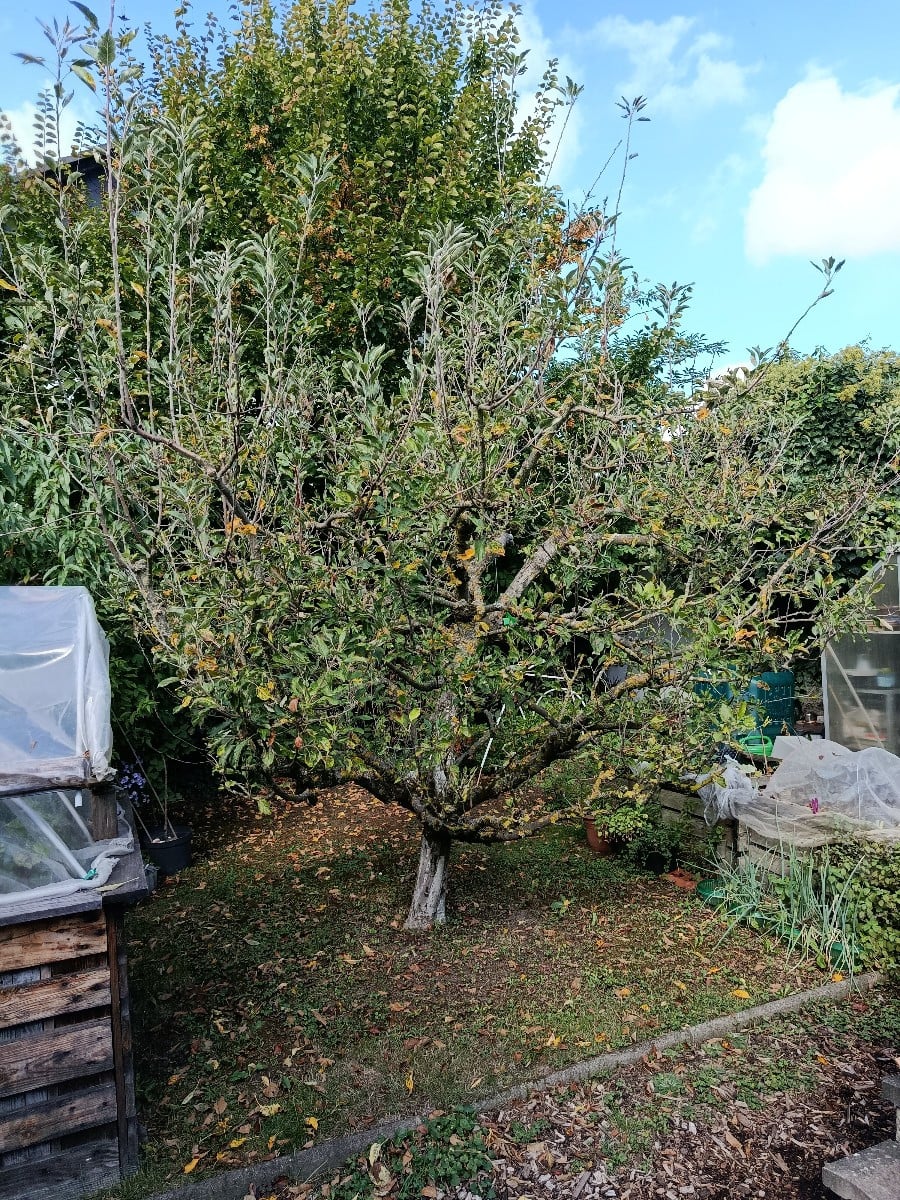
Today is a sad day. My Cox Orange was carefully cut down. I tried everything over the years, but nothing worked. Part of the problem was my choice of variety, the wrong location, improper pruning when it was young, and the hot summers. I think letting go is also part of taking responsibility, and it makes room for something new and different. Let yourself be surprised!
Liked 1 times
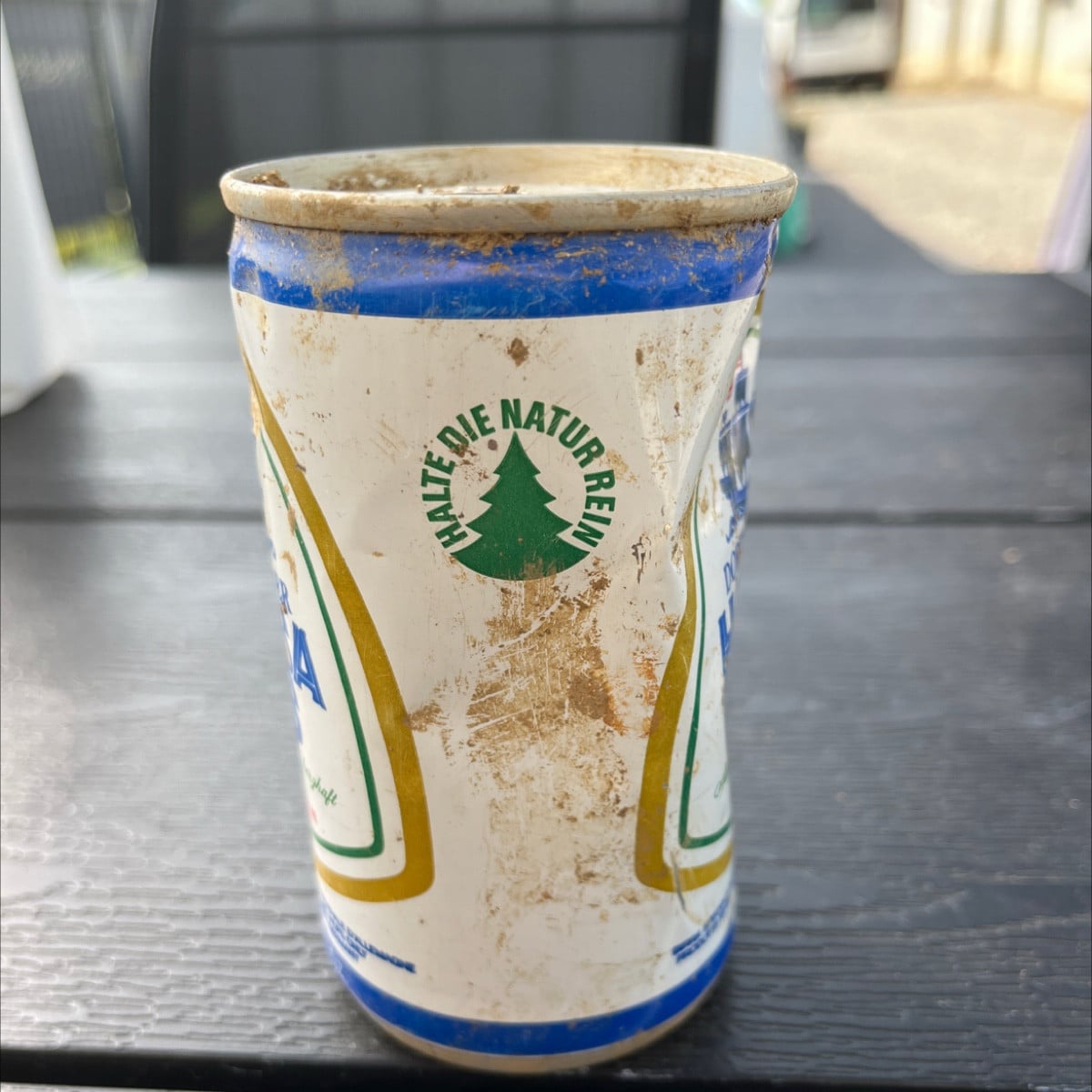
Found this today. According to Google, the can was manufactured in the 1980s. It seems the slogan "Keep nature clean" wasn't exactly put into practice.

Hi, we have pumpkins that are firm and green but sound hollow; they're still on the plant. How can I tell if they're ripe? I tried to upload a photo, but it didn't work....
Popular Articles

Gardening in March: Preparation & Cultivation

Propagating Peppers/Chillies: How to Grow Them Successfully

Cultivation or Direct Sowing: When and Which Vegetables to Propagate?

Sowing and Propagating Tomatoes: This Is How It Works

Raised Beds: Your Planting Plan for a Year

Plant Lights for Growing and Overwintering Plants

Growing Cucumbers Seedlings in Pots: Tips for Propagation

Pricking Out Vegetable Plants: Tips and Instructions

Growing & Harvesting Rocket: Good & Bad Companion Plants

How to Grow Broccoli: Tips for Cultivation
FAQ
Is beetroot a heavy feeder?
Beetroot is a medium-feeder and does not require a high nutrient supply. You can therefore plant strong and weak growers before or after the beet.
Can you plant beetroot next to onions?
Yes, plants of the leek genus such as garlic, onions and spring onions go well next to beetroot. They keep pests away from the bed with their strong smell and thus contribute to good plant health.
Can you plant beetroot next to carrots?
No, planting carrots and beetroot together is not a good idea. The root vegetables will get in each other's way as they grow. Instead, you can plant root parsley or parsnips next to beet.
What are good companions for beetroot?
Good companions include marigolds, marigolds, sunflowers, beans, peas, spring onions, cucumber, garlic, cabbage, savory, oregano, dill, caraway, parsnips, radish, radishes, lettuce, root parsley, zucchini and onions.