
Creating a Natural Garden: Ecological & Sustainable Gardening
Organic gardening means working with nature and promoting and closing natural cycles regionally. In this article, we will give you an overview of the basic principles for a careful approach to nature and its resources.
This Article Contains:
- Organic Gardening: Tips for a Natural Garden
- Ecological & Organic Fertilization
- Preventive Plant Protection Instead of Control
- Mixed Crops Instead of Monocultures
- Promote Beneficial Organisms
- Naturally Strengthen and Protect Plants: Nettle Manure & Co
- Frequently Asked Questions About Creating a Natural Garden
Quick Overview
Tips for Ecological and Sustainable Gardening
- Promoting the natural ecosystem in the garden through great biodiversity.
- Garden with nature instead of against it. Integrate natural cycles into your practice to close them.
- Fertilize ecologically and organically
- Maintain and improve soil fertility by using organic fertilizers and avoiding mineral fertilizers or pesticides.
- Preventive plant protection instead of control through mixed crops, promoting beneficial insects in your garden or natural plant strengthening agents such as nettle slurry or horsetail decoction.
Organic Gardening: Tips for a Natural Garden
In times of climate crisis, ecological and sustainable action has become necessary in all areas of life - including gardening. Every gardener should practise conscious use of increasingly scarce resources. At the same time, environmental pollution and contamination caused by nutrients, pollutants and waste must be reduced.
Promoting Ecosystems Through Diversity
Sustainability means preserving the basis of life for future generations without overexploitation. Instead, existing natural resources should be used to an appropriate extent. Sustainable gardening means promoting a healthy ecosystem in your garden. A large biological diversity of flora and fauna is crucial for this. The higher the number of different individuals, the stronger the system's self-regulating mechanisms can work and make your garden more resistant to disease!
Permaculture: Gardening With Nature
Working with nature and promoting a stable ecosystem through horticultural measures stems from permaculture. You can read more about permaculture in our article on the subject: Permaculture - Gardening in Harmony With Nature. Provide the widest possible range of food and habitats for wildlife. This includes a year-round flower-rich garden with native early bloomers, fruit trees, perennials, berry-bearing shrubs and wild herbs.

Ecological & Organic Fertilization
You can find all the basics about Ecological & Organic Fertilization in the article on the subject. There are a few things to consider when using (organic) fertilizers correctly. If used incorrectly, you run the risk of over/under-fertilizing your plants and polluting the environment through leached nutrients or emissions.
Maintaining and Improving Soil Fertility
In addition to a high level of biodiversity in the field, an organic farmer or gardener also wants the soil to be as biologically active as possible. This is to maintain and promote the soil's function of "digesting" organic matter and supplying nutrients to the plants. Maintaining and promoting soil fertility is one of the most important goals. This idea is based on the understanding that the soil and the plants that grow on it are an interconnected, open system. This system is susceptible to external influences, which is why plant protection and fertilization measures must be handled consciously and carefully . You can find Everything You Need to Know about Your Garden Soil in this article.
Preventive Plant Protection Instead of Control
In organic horticulture, the focus is on good precautions and preventing infestation with so-called pests. If you pay attention to the following points, you can naturally promote plant and soil health:

Mixed Crops Instead of Monocultures
When growing mixed crops, plant species are planted next to each other to complement each other and protect each other from pathogens. You can find out How to Plan a Mixed Crop in the Vegetable Patch and what you need to bear in mind in our article on the subject.

Don’t Waste Precious Space in Your Vegetable Garden!
With our bed planner, it’s easy to design a beautiful and productive companion planting layout. You’ll see which plants grow well together — and which don’t — along with tips for crop rotation and succession planting!
Plan Your Bed NowObserve Succession Planting and Crop Rotation
You should take enough time to plan your gardening season, as good preparation can save you a lot of work and trouble later on. In addition to the principles of mixed cultivation, you should also consider succession cropping and crop rotation rules when planning your garden. You can find more information on this in the article "Succession Planting and Crop Rotation in the Vegetable Garden". This is an important tool for preventing diseases, especially soil-borne diseases.

Promote Beneficial Organisms
Beneficial insects are our little helpers in the regulation of unwanted insects that like to nibble on our vegetable and fruit plants. If you encourage them in your garden, they can keep aphids & co. at bay. To attract beneficial insects, you should sow lots of flowering crops in your garden. Flower strips or the creation of a herb spiral are suitable for this. You can also install overwintering facilities, nesting boxes or insect hotels in your garden to create a habitat that has unfortunately become rare.
If you want to know Who the Most Important Beneficial Insects in the Garden are, take a look at this article. However, it is just as important to know the most common Plant Pests in the Garden. You should know the most important players in your garden so that you can react correctly in the event of an infestation.

Naturally Strengthen and Protect Plants: Nettle Manure & Co
- Plant strengthening agents for more resistant plants. They are designed to increase plant immunity in a natural way. You can read all about Natural Plant Strengthening Without Chemicals in the article on the subject.
- Crop protection measures such as crop protection nets, tunnels, slug collars, pheromone traps, glue rings, etc.
- Regular checks for diseases and pests. You can find out how to deal with an infestation of animal pests in the article on Controlling Various Plant Pests.
We hope this article has given you a good overview of the principles and measures of sustainable and organic gardening. And now have fun gardening!
If you have any questions or comments, please write to us at [email protected].
Would you like to receive helpful gardening tips all year round and plan your own beds optimally? Then register here or download the Fryd app for Android or iOS.
Fryd - your digital bed planner

Marie
Marie is an agronomist. She is particularly interested in the sustainable and organic cultivation of vegetables and other plants. In her own garden, she gained experience and likes to try things out to learn from nature. She is particularly interested in the values and principles of permaculture, in order to contribute not only to the well-being of nature, but also to the well-being of people and future generations.
Learn MoreCurrent Topics in the Community

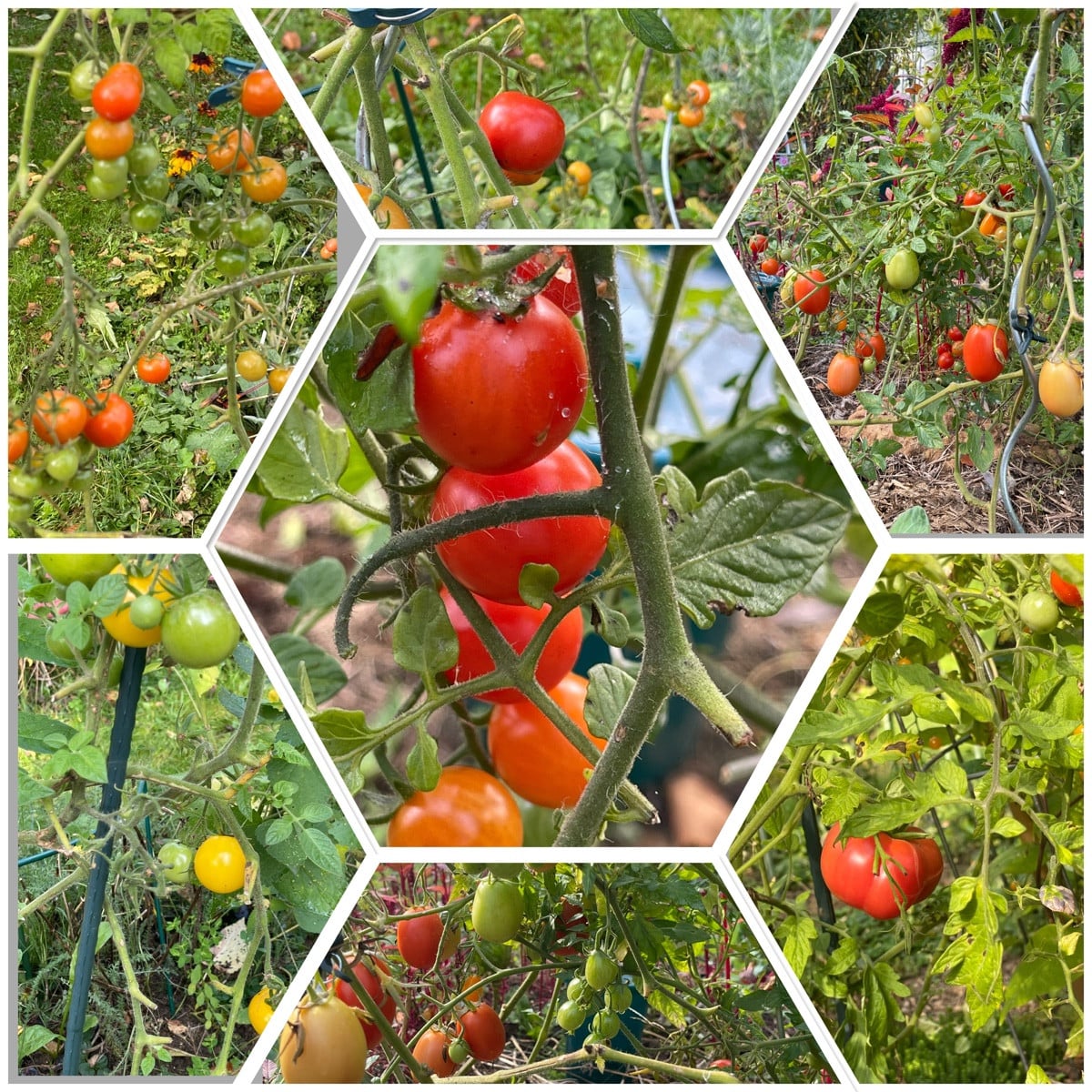
Liked 1 times
A Great October
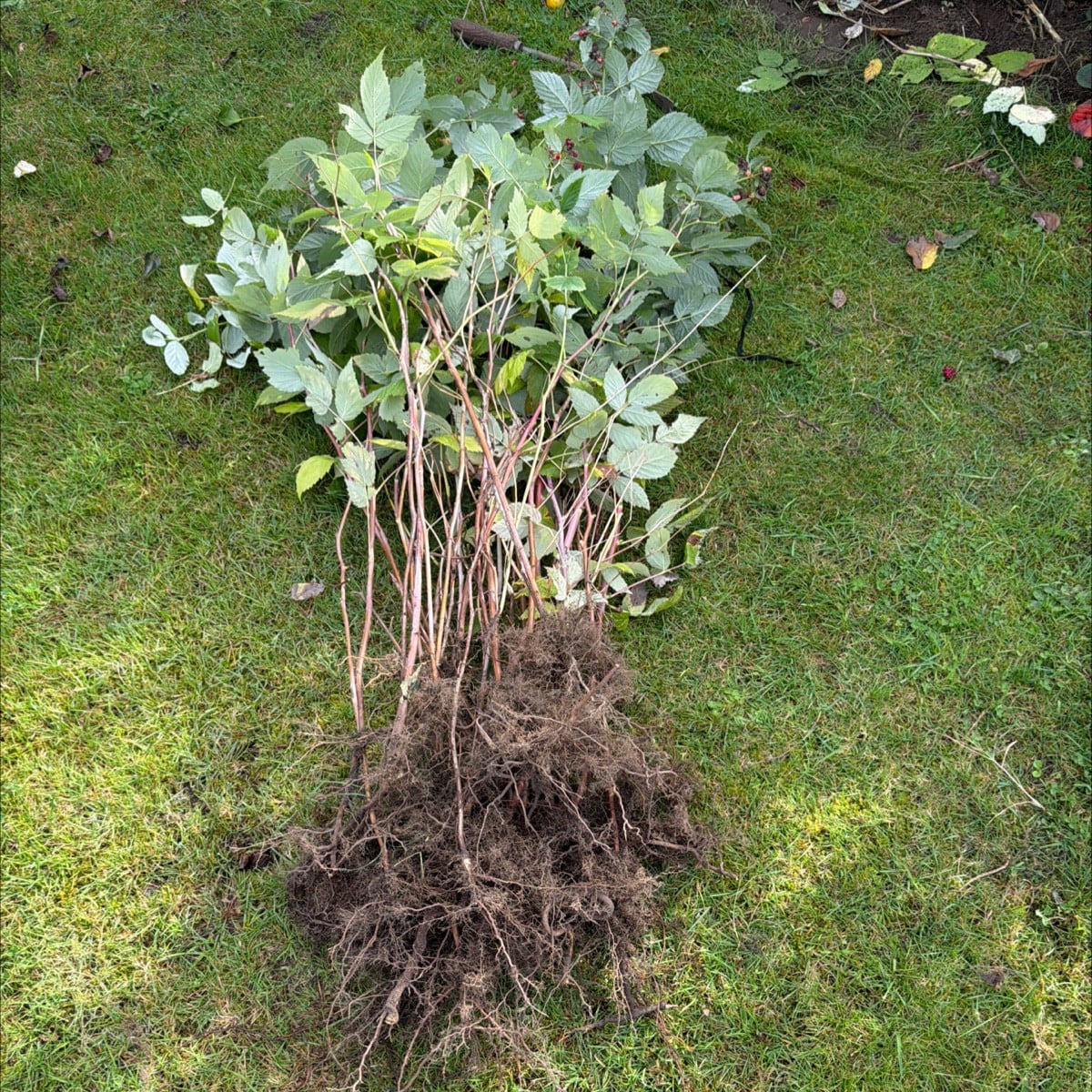
@Autumn raspberries to give away Please send me a private message. Red berries. I can narrow it down to two varieties, but I don't know which ones right now. I would prune them back to 30–40 cm and ship them bare-root in damp straw.
Liked 1 times
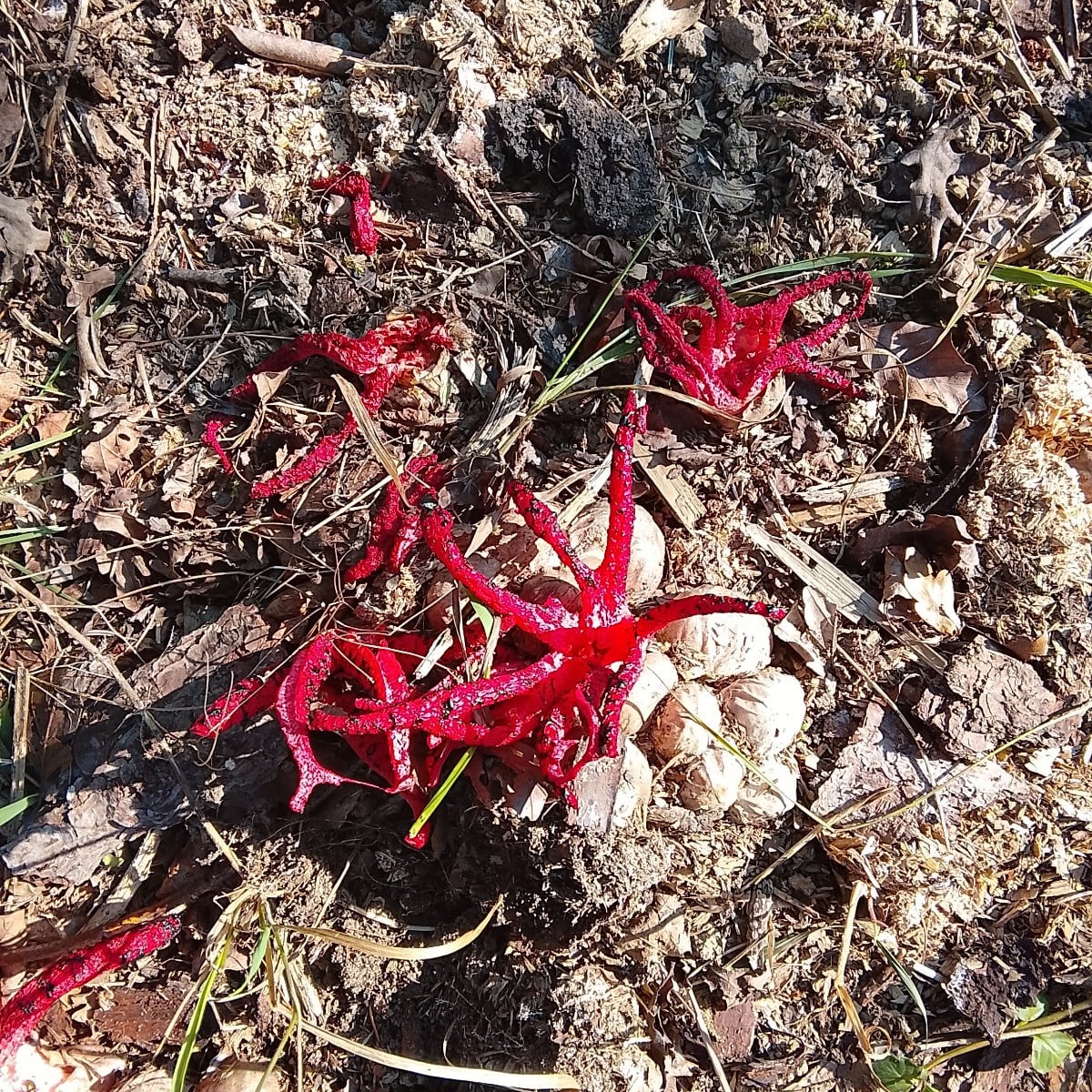
The octopus mushroom is currently blooming on our property. Be glad I can't include the smells—it looks beautiful... but it stinks terribly. What the AI knows about it is in the photos... and again in the replies.
Show 3 answersPopular Articles

Gardening in March: Preparation & Cultivation

Propagating Peppers/Chillies: How to Grow Them Successfully

Cultivation or Direct Sowing: When and Which Vegetables to Propagate?

Sowing and Propagating Tomatoes: This Is How It Works

Raised Beds: Your Planting Plan for a Year

Plant Lights for Growing and Overwintering Plants

Growing Cucumbers Seedlings in Pots: Tips for Propagation

Pricking Out Vegetable Plants: Tips and Instructions

Growing & Harvesting Rocket: Good & Bad Companion Plants

How to Grow Broccoli: Tips for Cultivation
FAQ
What is organic gardening?
Ecological gardening means working with nature and its cycles, using resources sparingly and in an environmentally friendly way.
Why is biodiversity in the garden important?
A high level of biodiversity strengthens the garden's ecosystem, makes it more resistant to disease and promotes self-regulating mechanisms.
How can you fertilize ecologically and organically?
Ecological fertilization requires the preservation of soil fertility and the conscious use of organic fertilizers in order to avoid over- or undersupply of the plants and to reduce environmental pollution.
Why is preventive plant protection important?
Preventive plant protection in organic horticulture focuses on the prevention of pest infestation through healthy plants and soil, mixed cultivation and the promotion of beneficial insects instead of the use of chemical agents.