Malva / Mallow

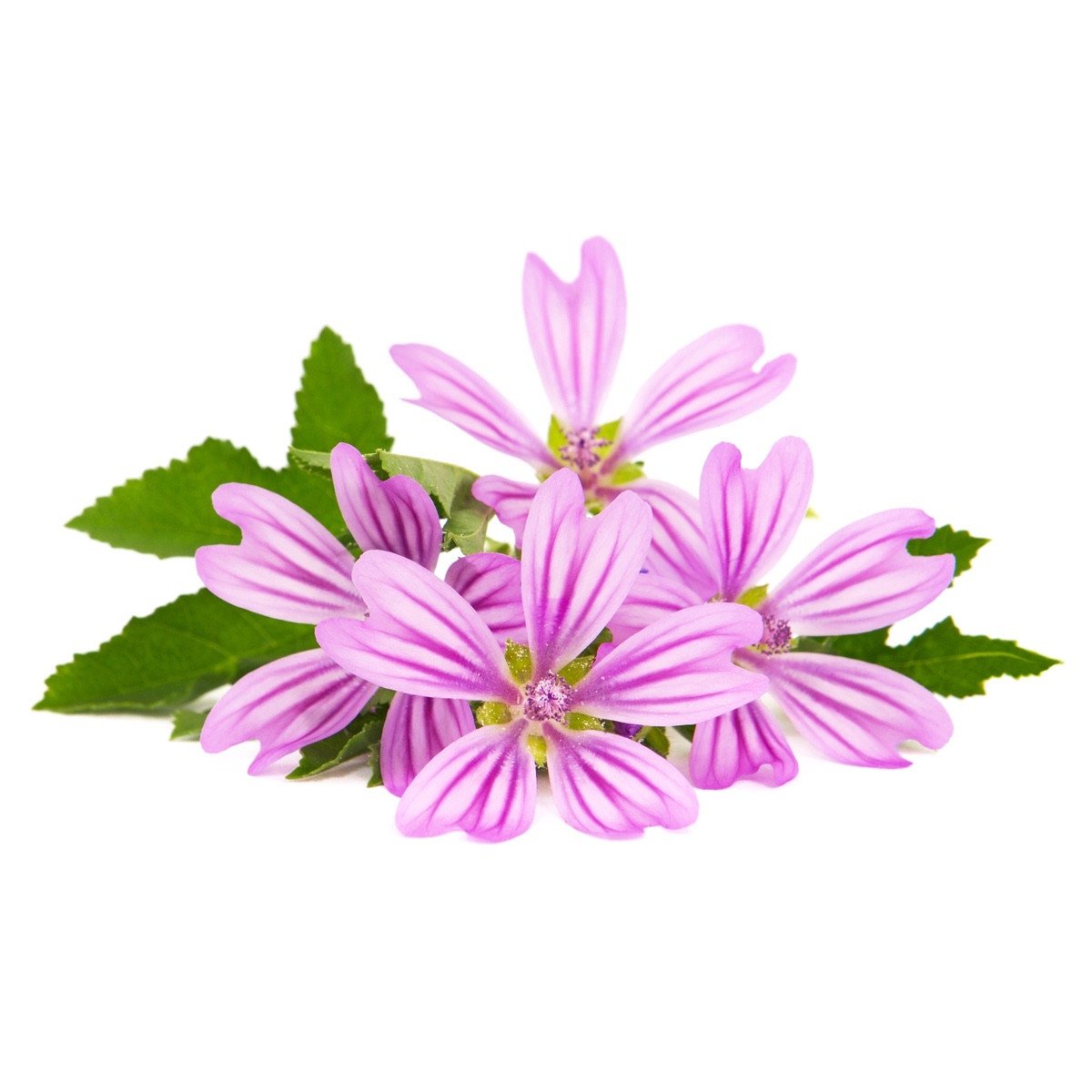
Malva / Mallow
Malva
Plant family
Mallow family (Malvaceae)
Cultivation Break
0 Years
Season Overview
Propagating
Planting
Harvest
Harvest
J
F
M
A
M
J
J
A
S
O
N
D
1ST YEAR
FOLLOWING YEARS
Details


Light requirement
Sunny

Water requirement
Moist

Soil
Medium (loamy)
Nutrient requirement
Medium

Light germinator

Germination temperature
15 - 20 °C (Degrees Celsius)

Plant distance
50 cm

Row spacing
50 cm

Seeding depth
0.5 cm
Instructions
Mid of November

Winterschutz
Description
The genus mallow belongs to the mallow family (Malvaceae). They grow as ascending or erect, annual to perennial or short-lived herbaceous plants. There are about 30 different species in Europe and North America. Depending on the species and cultivar, the plants are between 30 cm/11.8 in and 2 m/2.2 yd tall. The flowers bloom in the leaf axils and are white, pink or purple, depending on the variety. It is grown as an ornamental and medicinal plant. Insect friendly.
Origin:
Eurasia, North Africa, Australia and North America
Growing tips
Germination after 14-25 days at 15-25°C/59-77°F. Sowing and planting period can vary depending on the species, white mallow (true mallow) is a cold germinator and is sown directly outdoors from January. Harden off before planting out. Can be planted outside from 10°C/50°F night temperature. Direct sowing possible. Water regularly in dry conditions, but not too wet, as mallow does not tolerate waterlogging. Pruning promotes new growth. Combines well with lupins, ornamental grasses, wormwood and daisies.

Companion Plants
Apple
Bean (Dwarf bean)
Black salsify
Buddleja / Butterfly Bushes
Carrots
Catnip
Chard
Chives
Common marigold
Common mugwort
Coneflower (Echinacea)
Coriander / Cilantro
Currant
Dill
Garden cosmos / Mexican aster
Garlic
Garlic chives
Geranie/Pelargonie
Grasses - Feather grasses
Grasses - feather-bristled grasses, lamp-cleaning grasses
Grasses - Fescue
Larkspur
Lavender
Lettuce (Common chicory)
Lettuce (Endive / Escarole / Erisée)
Lettuce (Lamb's lettuce)
Lettuce (Lettuce)
Lettuce (Puntarelle / Cicoria di catalogna / Cicoria asparago)
Lettuce (Radicchio / Italian chicory)
Lettuce (Sugar loaf)
Lupine / Bluebonnet
Melissa
Onion
Onion (Spring onion)
Oregano
Parsnip
Pear
Phlox, flame flower
Rock pear (Amelanchier)
Rudbeckia (Coneflower / Black-eyed-susans)
Sage
Savory
Spinach (Summer)
Spirea
Stem herbs
Succulents
Thyme
Women's coats
Yarrow

Antagonistic Plants
Abyssinian cabbage / Ethiopian mustard
Aubergine / Eggplant
Bean ((Scarlet) runner bean)
Bean (Broad bean / Faba bean / Field bean)
Bean (Hyacinth bean / Lablab-bean)
Bean (Lima Bean)
Bean (Runner bean)
Beetroot
Begonias
Blueberry
Broccoli
Broccoli raab / Stem cabbage / Cima di rapa
Brussels sprouts
Brussels sprouts
Cabbage (Cabbage)
Cabbage (Pointed cabbage)
Cabbage (red cabbage)
Cabbage (Savoy cabbage)
Cauliflower
Celery (Celeriac / Celery root)
Celery (Celery)
Celery (Leaf celery / Chinese celery)
Chinese kale - Kai-lan / Chinese broccoli
Collard greens
Collard greens (Kale)
Collard greens (Tuscan kale / Dinosaur kale / Palm tree kale)
Comfrey
Corn / Maize
Courgette / Zucchini
Cucumber (African horned cucumber / Kiwano)
Cucumber (Caigua)
Cucumber (Melothria)
Cucumber / Gherkin
Funk
Garden squash - Patisson / UFO squash
Gooseberry
Grasses - Bamboos
Grasses - reeds, cattails, bulrushes
Grasses - Sedges
Hair cucumbers / snake gourds
Hazelnut
Hellebores
horse chestnut
Ivy
Jerusalem artichoke / Topinambur
Kohlrabi / German turnip / Turnip cabbage
Lovage
Make
Maples
Mizuna / Japanese mustard greens
Napa cabbage / Chinese cabbage
Oil willows
Ornamental pumpkin
Pak Choi
Pumpkin / Squash
Purple bellflower, silver bellflower
Rapeseed
Rapeseed - Sheer cabbage / Siberian cabbage
Rapini / Broccoli rabe
Raspberry
Rhododendron
Rutabaga / Swedish turnip
Sea coal
Soybean
Sponge gourd / Egyptian cucumber / Vietnamese luffa
Strawberry
Sunflower
Sweet chestnut, edible chestnut, marron
Sweet woodruff / Sweetscented bedstraw
Tomato (Bush tomato)
Tomato (Cocktail bush tomato)
Tomato (Cocktail Stake Tomato)
Tomato (Stake tomato)
Turnip
Turnip greens - Choy Sum / Chinese flowering cabbage
Turnip greens - Mizuna
Turnip greens - Tatsoi
Turnips - Oilseed turnips
Turnips - Wild turnips
Vegetable cabbage - Forage cabbage
Vegetable cabbage - Ribbed cabbage / Portuguese cabbage
Vegetable cabbage - wild cabbage / ancient cabbage
Weigela
Willows
Yalta tomatoes

Diseases
Powdery mildews
Septoria
Angular leaf spot of cucumber
Root Rot

Pests
Flea beetles
Caterpillars
Land snails
Aphids