Mizuna / Japanese mustard greens

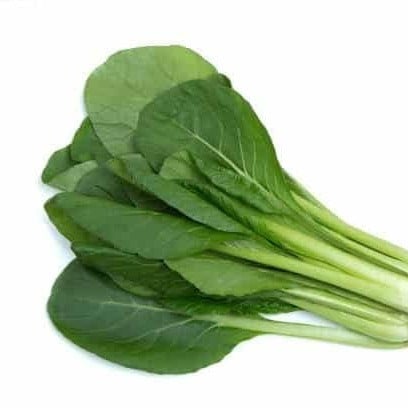
Mizuna / Japanese mustard greens
Brassica rapa subsp. perviridis / nipposinica var. chinoleifera
Plant family
Crucifers (Brassicaceae)
Also known as
Spider Mustard
Cultivation Break
4 Years
Season Overview
Propagating
Planting
Harvest
Harvest
J
F
M
A
M
J
J
A
S
O
N
D
1ST YEAR
2ND YEAR
Details


Light requirement
Sunny

Water requirement
Moist

Soil
Medium (loamy)
Nutrient requirement
Medium

Dark germinator

Germination temperature
10 - 18 °C (Degrees Celsius)

Plant distance
20 cm

Row spacing
25 cm

Seeding depth
1 cm
Instructions
The season for this plant is over. The following instructions are for the next season.
End of January

Sowing
End of January

Pest protection
Beginning of February

Weeding
Every week
Description
Mizuna or Japanese mustard cabbage is a robust Asian lettuce that belongs to the cruciferous family. Since even the young plantlets are cold-tolerant, mizuna can be grown all year round except for the hot summer months. Characteristic of leaf mustard are its pinnate, light green leaves. With its subtle pungency and pretty leaves, mizuna therefore makes a great addition to salads. But it can also be used very well in a stir-fry or as a condiment.
Origin:
Mizuna originates from eastern Asia.
Growing tips
Mizuna grows well in a sunny location with loose, humus-rich soil. The seeds can be sown in the bed from June to September. In cold frames they can be sown from September to March. Whereby you should pay attention to a shoot-resistant variety in spring. For easier harvesting, always place five seeds in one spot. The plantlets are easy to care for, but should always have enough water available. Four to six weeks after sowing you can harvest for the first time. If you cut off the leaves 4-5 cm above the ground, new ones will grow and you can harvest up to five times.

Companion Plants
Artichoke
Aubergine / Eggplant
Bean ((Scarlet) runner bean)
Bean (Broad bean / Faba bean / Field bean)
Bean (Dwarf bean)
Bean (Hyacinth bean / Lablab-bean)
Bean (Lima Bean)
Bean (Runner bean)
Black salsify
Carrots
Celery (Celeriac / Celery root)
Celery (Celery)
Celery (Leaf celery / Chinese celery)
Chamomile
Chili
Coriander / Cilantro
Cucumber / Gherkin
Dill
Leeks
Lettuce (Common chicory)
Lettuce (Endive / Escarole / Erisée)
Lettuce (Lamb's lettuce)
Lettuce (Lettuce)
Lettuce (Puntarelle / Cicoria di catalogna / Cicoria asparago)
Lettuce (Radicchio / Italian chicory)
Lettuce (Sugar loaf)
Parsnip
Pea
Pepper / Paprika
Soybean
Spinach (Summer)
Spinach (Winter)
Tomato (Bush tomato)
Tomato (Cocktail bush tomato)
Tomato (Cocktail Stake Tomato)
Tomato (Stake tomato)

Antagonistic Plants
Abyssinian cabbage / Ethiopian mustard
Broccoli
Broccoli raab / Stem cabbage / Cima di rapa
Brussels sprouts
Brussels sprouts
Cabbage (Cabbage)
Cabbage (Pointed cabbage)
Cabbage (red cabbage)
Cabbage (Savoy cabbage)
Cauliflower
Chinese kale - Kai-lan / Chinese broccoli
Collard greens
Collard greens (Kale)
Collard greens (Tuscan kale / Dinosaur kale / Palm tree kale)
Horseradish
Kohlrabi / German turnip / Turnip cabbage
Lovage
Mizuna / Japanese mustard greens
Napa cabbage / Chinese cabbage
Pak Choi
Rapeseed
Rapeseed - Sheer cabbage / Siberian cabbage
Rapini / Broccoli rabe
Rutabaga / Swedish turnip
Sea coal
Turnip
Turnip greens - Choy Sum / Chinese flowering cabbage
Turnip greens - Mizuna
Turnip greens - Tatsoi
Turnips - Oilseed turnips
Turnips - Wild turnips
Vegetable cabbage - Forage cabbage
Vegetable cabbage - Ribbed cabbage / Portuguese cabbage
Vegetable cabbage - wild cabbage / ancient cabbage

Diseases
Grey mold
Root Rot
Club root of cabbage
Downy mildew
Powdery mildews
Pests
Cabbage white
Cabbage fly
Cabbage heart midge
Cutworms
Flea beetles
Aphids
Land snails
Voles
White fly