Red Carpet

Variety
Red Carpet
Approved Data
created by Alex&Sempi at 08.02.2026
Features
Resistances
robust
drought tolerant
Taste
not edible
Toxizität: ungiftig
Location
light: Full sun
Light: Sun
Color
dark red
Flower: crimson
Fruit shape
pod
Growth habit
wide: 20 - 30 cm
insect pollination
Cultivation Break
1 Year
Season Overview
Propagating
Planting
Harvest
Harvest
J
F
M
A
M
J
J
A
S
O
N
D
1ST YEAR
FOLLOWING YEARS
Description
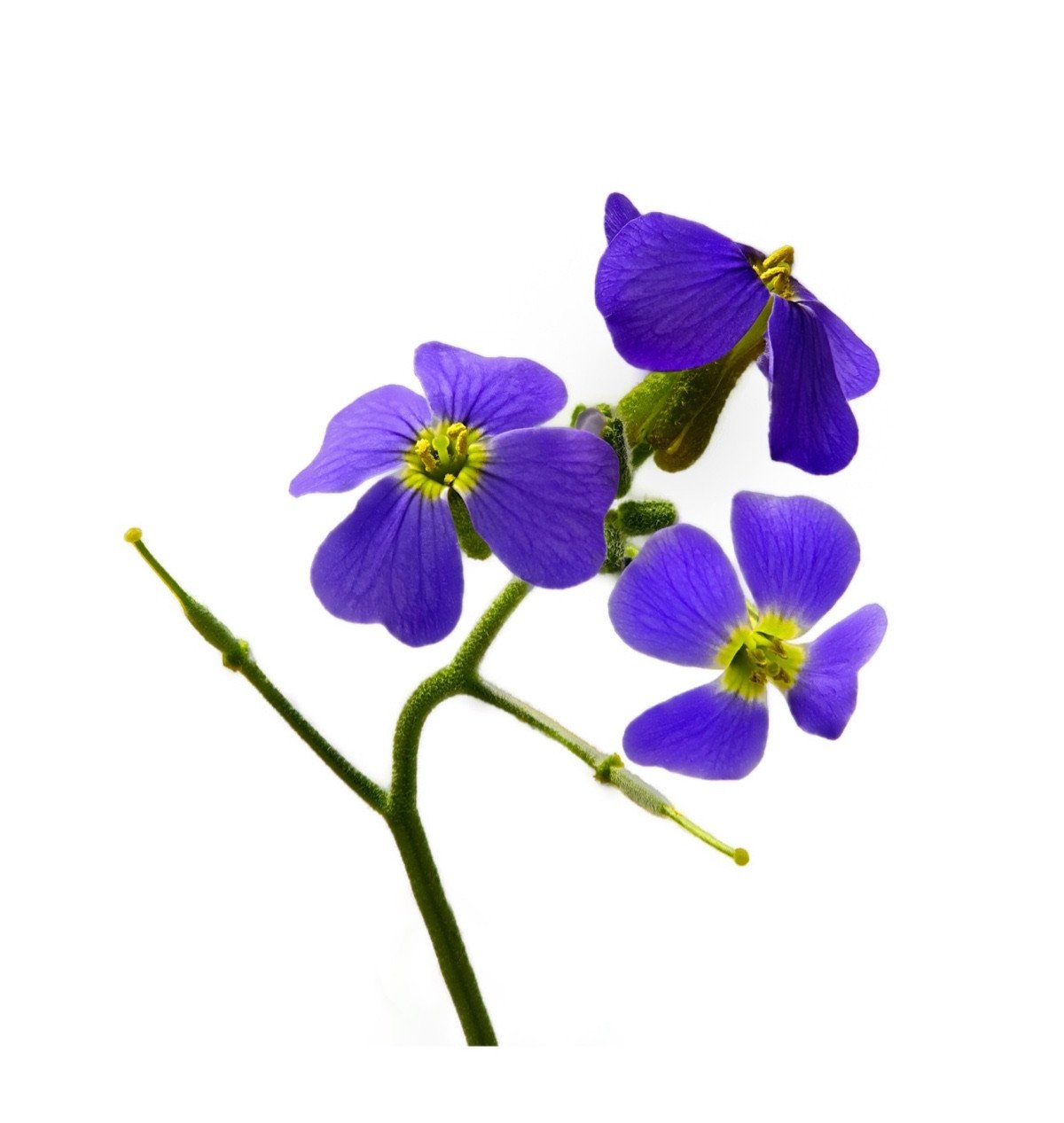
A magnificent display of color fills the garden when it unfolds in all its glory. Although small in stature, this perennial produces an abundance of countless deep purple flowers. Aubrieta x cultorum 'Red Carpet' is between eight and ten centimeters tall, grows in clumps and forms a beautiful carpet. It forms beautiful cushions from which delicate, light green to green shoots stretch upwards. The thin, hairy stems that this Aubrieta tirelessly pushes out appear delicate. The small leaves are light to gray-green in color. They are arranged alternately and are undivided. They appear hairy and give the impression of being fragile. The evergreen leaves are notched and reveal a fascinating vitality. The flowering period begins as early as April, and the 'Red Carpet' rock cress produces a multitude of buds. Bowl-shaped and slightly hairy, they open continuously until the end of the flowering period in May, producing individual, four-petaled, deep purple flowers. After this lush flowering period, small pods develop. Aubrieta x cultorum 'Red Carpet' is a cultivated variety and loves warm spots in the garden. It thrives in full sun. It makes wonderful compositions with cushion phlox, alyssum, or ribbon flower. Low bearded iris, goose cress, and spurge are also exceptionally beautiful companions.
F1 Hybrid
Frostproof
Growing tips
🌿 Sowing - Pre-cultivation: from February - early March, very bright, cool - Light germinator: Press seeds lightly, barely cover - Substrate: lean, sandy growing medium - Germination temperature: 15-18 °C, slightly moist soil - Germination time: 2-3 weeks - Prick out after two to three true leaves - Direct sowing: April to May, in full sun, dry, well-drained soil - Keep slightly moist until germination 🌸 Planting time Best time: Spring or early fall. Planting distance: 25-30 cm ☀️ Location Blue cushion originates from rocky, dry areas. It therefore needs a full sun, warm location. Partial shade leads to loose, weak growth and fewer flowers. 🌱 Soil The soil should be lean, sandy-gravely and very well drained. A slightly alkaline pH value (lime tolerant) is ideal. The soil should be slightly dry to fresh. If the soil is too heavy, mix in plenty of sand, grit or fine gravel. Suitable are: - Rock garden - Dry stone wall joints - Gravel beds - Roof greening 💧 Watering Blue cushion is extremely drought tolerant. It is important to water little, only during longer dry periods or when planting new plants. Waterlogging quickly leads to root rot. 🍽️ Fertilizing Blue cushion needs almost no fertilizer. A very small amount of organic fertilizer or some compost once in spring is all that is needed. Too much fertilizer → stunted growth, fewer flowers, greater susceptibility to disease. ✂️ Pruning After flowering (April/May), cut back vigorously, about a third. This keeps the cushions compact and promotes abundant flowering the following year. ❄️ Winter Blue cushion is hardy. Only ensure good drainage in very wet winters. ✅ Good neighbors - Rock garden perennials such as cushion phlox, stonecrop, thyme, sedum, houseleek, Low grasses, small feather grasses - Plants for dry, sunny locations, such as lavender, ribbon flower, sunflower - Cushion-forming species that have similar soil requirements and are not overgrown - Dwarf juniper, dwarf pine, dwarf broom, rock pear ❌ Bad neighbors - Highly consumptive plants such as delphiniums, phlox, lupins - Tomatoes, peppers, cucumbers, zucchinis, pumpkins - Cabbage (cauliflower, savoy cabbage, red cabbage) - Root vegetables (carrots, parsnips, beet) - Onions, garlic, chives, wild garlic - Moisture-loving species such as astilbe, funkia, ferns, purple bells - Salads, rocket, spinach, chard - Highly proliferating ground cover plants such as ivy or goutweed, which would crowd out blue cushions - Hydrangea, rhododendron, weigelie, spirea, snowball, forsythia - Berry bushes, fruit trees 🦠 Diseases - Root rot - mildew - Gray mold 🐛 Pests - Aphids - Earth fleas - snails
Details


Light requirement
Sunny

Water requirement
Dry

Soil
Medium (loamy)

Nutrient requirement
Medium

Light germinator

Germination temperature
15 - 18 °C (Degrees Celsius)

Plant distance
25 cm

Row spacing
30 cm

Seeding depth
0.2 cm

Companion Plants

Antagonistic Plants
Abyssinian cabbage / Ethiopian mustard
Apple
Arugula / Rocket
Bean ((Scarlet) runner bean)
Bean (Broad bean / Faba bean / Field bean)
Bean (Dwarf bean)
Bean (Hyacinth bean / Lablab-bean)
Bean (Lima Bean)
Bean (Runner bean)
Beetroot
Blackberry / Brambles
Blueberry
Broccoli
Broccoli raab / Stem cabbage / Cima di rapa
Brussels sprouts
Brussels sprouts
Cabbage (Cabbage)
Cabbage (Pointed cabbage)
Cabbage (red cabbage)
Cabbage (Savoy cabbage)
Carrots
Cauliflower
Celery (Celeriac / Celery root)
Celery (Celery)
Celery (Leaf celery / Chinese celery)
Chard
Cherry laurel
Chili
Chinese kale - Kai-lan / Chinese broccoli
Chives
Collard greens
Collard greens (Kale)
Collard greens (Tuscan kale / Dinosaur kale / Palm tree kale)
Courgette / Zucchini
Cucumber (African horned cucumber / Kiwano)
Cucumber (Caigua)
Cucumber (Melothria)
Cucumber / Gherkin
Currant
Forsythia
Funk
Garden squash - Patisson / UFO squash
Garlic
Garlic chives
Gooseberry
Hair cucumbers / snake gourds
Horseradish
Hydrangea / Hortensia
Ivy
Kohlrabi / German turnip / Turnip cabbage
Larkspur
Lettuce (Common chicory)
Lettuce (Endive / Escarole / Erisée)
Lettuce (Lamb's lettuce)
Lettuce (Lettuce)
Lettuce (Oriental greens / Brown mustard)
Lettuce (Puntarelle / Cicoria di catalogna / Cicoria asparago)
Lettuce (Radicchio / Italian chicory)
Lettuce (Sugar loaf)
Lupine / Bluebonnet
Make
Mizuna / Japanese mustard greens
Napa cabbage / Chinese cabbage
Oil radish / Fodder radish
Onion
Onion (Spring onion)
Ornamental pumpkin
Pak Choi
Parsnip
Pear
Pepper / Paprika
Physalis
Plum
Plum (tree)
Pumpkin / Squash
Purple bellflower, silver bellflower
Quadriceps
Radish
Radishes
Rapeseed
Rapeseed - Sheer cabbage / Siberian cabbage
Rapini / Broccoli rabe
Raspberry
Rhododendron
Rutabaga / Swedish turnip
Sea coal
Sour cherry / Tart cherry
Soybean
Spinach (Summer)
Spinach (Winter)
Spirea
Sponge gourd / Egyptian cucumber / Vietnamese luffa
Tomato (Bush tomato)
Tomato (Cocktail bush tomato)
Tomato (Cocktail Stake Tomato)
Tomato (Stake tomato)
Turnip
Turnip greens - Choy Sum / Chinese flowering cabbage
Turnip greens - Mizuna
Turnip greens - Tatsoi
Turnip-rooted chervil
Turnips - Oilseed turnips
Turnips - Wild turnips
Vegetable cabbage - Forage cabbage
Vegetable cabbage - Ribbed cabbage / Portuguese cabbage
Vegetable cabbage - wild cabbage / ancient cabbage
Weigela
Wild Cherry / Bird Cherry / Sweet Cherry
Wild garlic
Yalta tomatoes

Diseases
Downy mildew
Root Rot
Grey mold
Powdery mildews
Pests
Land snails
Flea beetles
Aphids