Cherry laurel

Cherry laurel
Prunus laurocerasus
Plant family
Rose family (Rosaceae)
Season Overview
Planting
Harvest
Harvest
J
F
M
A
M
J
J
A
S
O
N
D
1ST YEAR
FOLLOWING YEARS
Details


Light requirement
Semi-shaded

Water requirement
Moist

Soil
Medium (loamy)

Nutrient requirement
Medium

Dark germinator

Germination temperature
12 - 20 °C (Degrees Celsius)

Plant distance
100 cm

Row spacing
100 cm

Seeding depth
1 cm
Instructions
Description
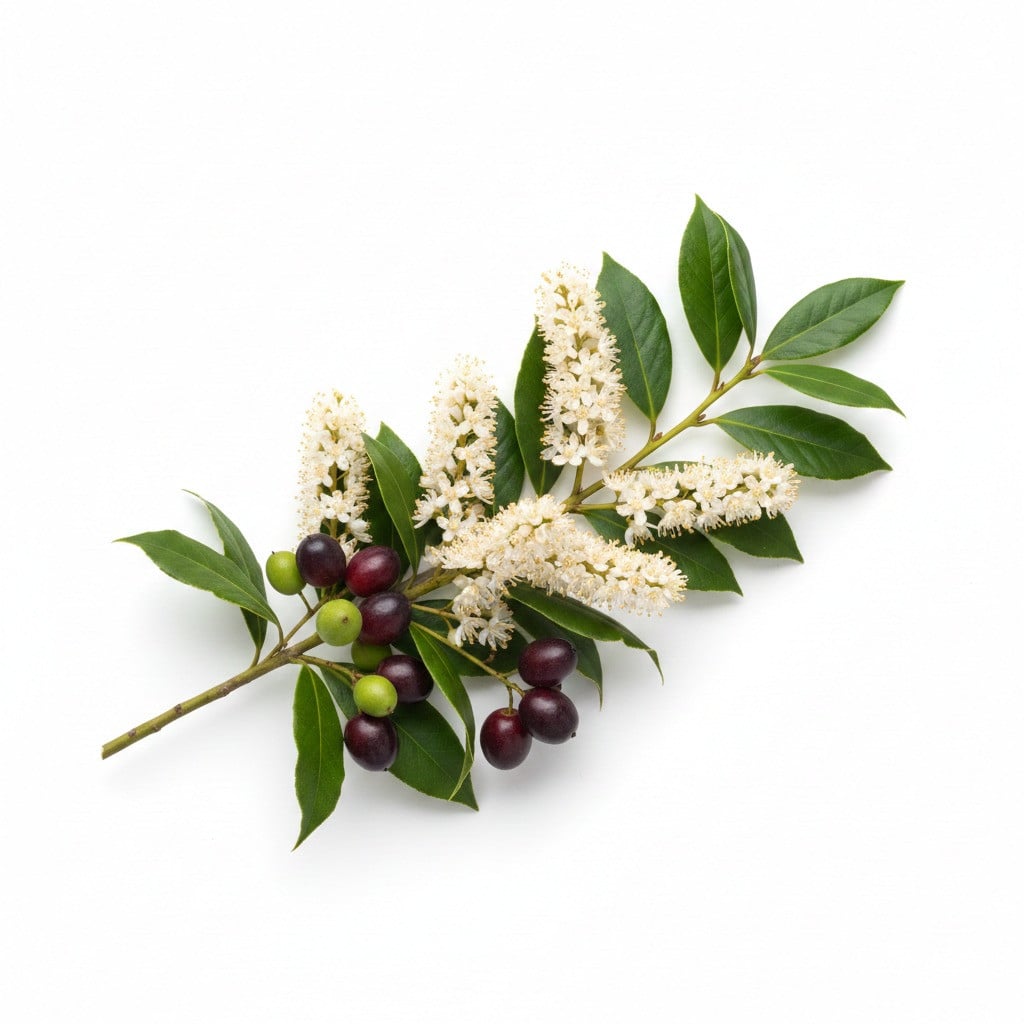
The laurel cherry (Prunus laurocerasus), also known as the Pontic laurel cherry or cherry laurel, is a plant species from the rose family (Rosaceae). It is a popular and widespread ornamental shrub. The plant owes its name to the similarity in shape and color of its leaves to laurel leaves. The laurel cherry is an evergreen shrub or tree with large elliptical leaves that can reach heights of up to 7 meters. From April to June, the cherry laurel produces delicate white, fragrant flower candles, which later develop into shiny, egg-shaped to roundish, fleshy cherries. All parts of the laurel cherry plant are poisonous. The cherry laurel is largely worthless to native insects. The fruits are eaten by some bird species. Cherry laurel spreads through the cherry pits excreted with the droppings and threatens native ecosystems as an invasive plant. The planting of laurel cherries is therefore ecologically very questionable.
Growing tips
The best time to plant cherry laurel is in the fall between the end of August and the beginning of September. When propagating by sowing, the seeds should soak for 2 to 3 weeks at approx. 3-4°C (cold germination). Germination takes up to four months. The evergreen plant is very undemanding. The cherry laurel thrives in sunny, semi-shady and shady spots. The plant is also not fussy when it comes to soil. The only thing to avoid is waterlogging. As soon as the surface of the soil has dried out, the cherry laurel should be watered generously (deep-rooted). Once or twice a year (before new shoots appear in spring and in May/June), fertilizing with mature compost or organic slow-release fertilizer is recommended. Cherry laurel should be pruned regularly. The best time is directly after flowering. Fast-growing varieties can also be pruned more severely in February. The plant also tolerates radical pruning well.


Antagonistic Plants
No antagonistic plants

Diseases
Downy mildew
Powdery mildews
Pests
No pests