Blue Cushion

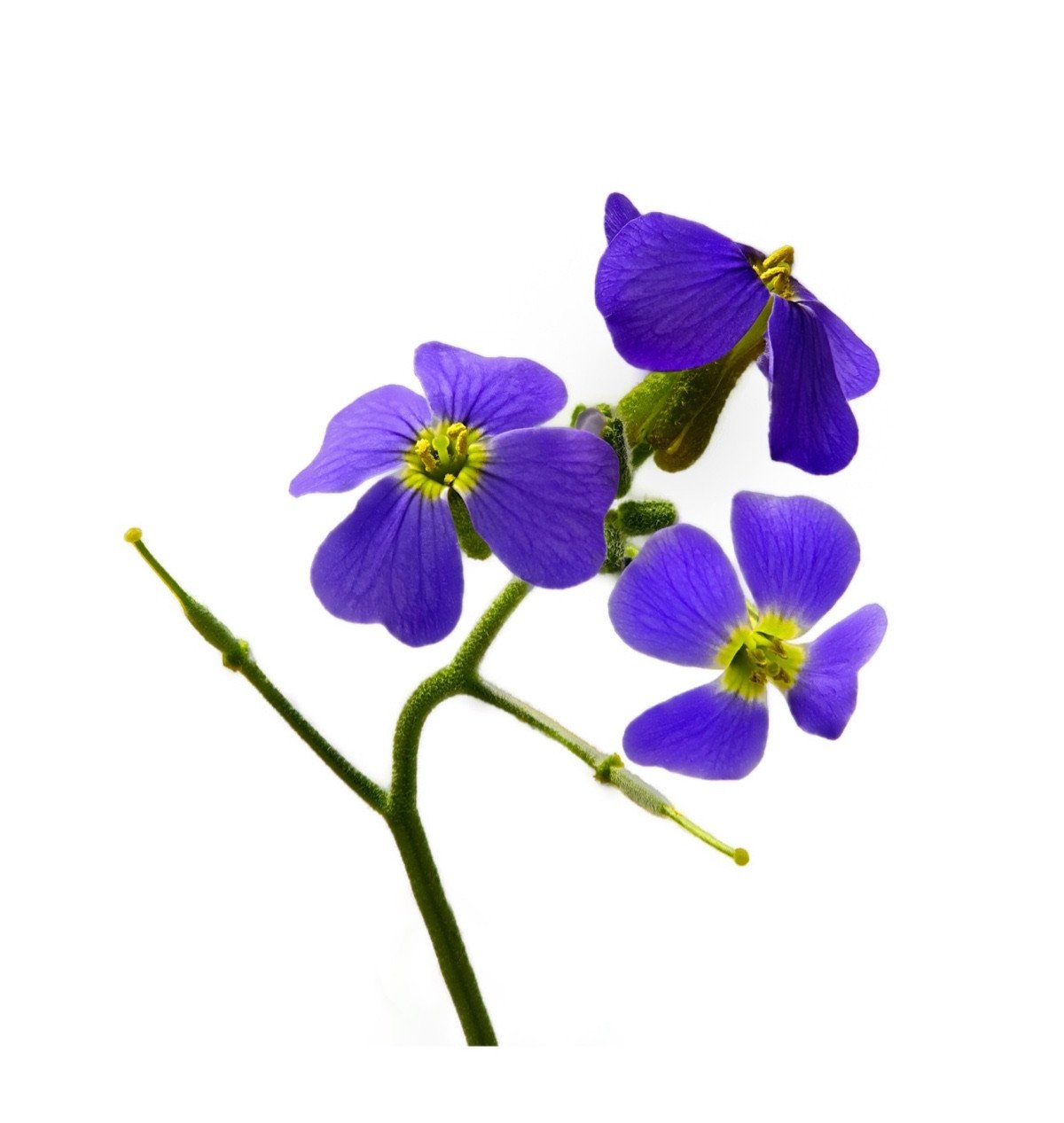
Blue Cushion
Aubrieta
Plant family
Crucifers (Brassicaceae)
Cultivation Break
1 Year
Season Overview
Propagating
Planting
Harvest
J
F
M
A
M
J
J
A
S
O
N
D
1ST YEAR
FOLLOWING YEARS
Details

Light requirement
Sunny

Water requirement
Dry

Soil
Medium (loamy)
Nutrient requirement
Medium

Light germinator

Germination temperature
15 - 18 °C (Degrees Celsius)

Plant distance
25 cm

Row spacing
30 cm

Seeding depth
0.2 cm
Instructions
Description
Bluecissus or aubrietia is a genus of plants with 15 species belonging to the cruciferous family (Brassicaceae). The perennials are cultivated as ornamental plants for rock gardens or as planting on walls. They are herbaceous and low-growing (up to 15 cm/5.9 in tall) and form ground carpets. Blue pinks are bee friendly. Flowering time is from April-May in blue, purple, pink or red.
Origin:
Mediterranean and Near East
Growing tips
Good neighbors are daisy, ribbon flower, rockweed, cushion phlox, soapwort, bearded iris and spurge. Cut back after flowering. Water during dry spells. Fertilize very sparingly, as fertilizer reduces frost resistance. Propagate by cuttings from February-May or in September, division is rather difficult. Sowing in spring or September is also possible.

Companion Plants

Antagonistic Plants
Abyssinian cabbage / Ethiopian mustard
Apple
Arugula / Rocket
Bean ((Scarlet) runner bean)
Bean (Broad bean / Faba bean / Field bean)
Bean (Dwarf bean)
Bean (Hyacinth bean / Lablab-bean)
Bean (Lima Bean)
Bean (Runner bean)
Beetroot
Blackberry / Brambles
Blueberry
Broccoli
Broccoli raab / Stem cabbage / Cima di rapa
Brussels sprouts
Brussels sprouts
Cabbage (Cabbage)
Cabbage (Pointed cabbage)
Cabbage (red cabbage)
Cabbage (Savoy cabbage)
Carrots
Cauliflower
Celery (Celeriac / Celery root)
Celery (Celery)
Celery (Leaf celery / Chinese celery)
Chard
Cherry laurel
Chili
Chinese kale - Kai-lan / Chinese broccoli
Chives
Collard greens
Collard greens (Kale)
Collard greens (Tuscan kale / Dinosaur kale / Palm tree kale)
Courgette / Zucchini
Cucumber (African horned cucumber / Kiwano)
Cucumber (Caigua)
Cucumber (Melothria)
Cucumber / Gherkin
Currant
Forsythia
Funk
Garden squash - Patisson / UFO squash
Garlic
Garlic chives
Gooseberry
Hair cucumbers / snake gourds
Horseradish
Hydrangea / Hortensia
Ivy
Kohlrabi / German turnip / Turnip cabbage
Larkspur
Lettuce (Common chicory)
Lettuce (Endive / Escarole / Erisée)
Lettuce (Lamb's lettuce)
Lettuce (Lettuce)
Lettuce (Oriental greens / Brown mustard)
Lettuce (Puntarelle / Cicoria di catalogna / Cicoria asparago)
Lettuce (Radicchio / Italian chicory)
Lettuce (Sugar loaf)
Lupine / Bluebonnet
Make
Mizuna / Japanese mustard greens
Napa cabbage / Chinese cabbage
Oil radish / Fodder radish
Onion
Onion (Spring onion)
Ornamental pumpkin
Pak Choi
Parsnip
Pear
Pepper / Paprika
Physalis
Plum
Plum (tree)
Pumpkin / Squash
Purple bellflower, silver bellflower
Quadriceps
Radish
Radishes
Rapeseed
Rapeseed - Sheer cabbage / Siberian cabbage
Rapini / Broccoli rabe
Raspberry
Rhododendron
Rutabaga / Swedish turnip
Sea coal
Sour cherry / Tart cherry
Soybean
Spinach (Summer)
Spinach (Winter)
Spirea
Sponge gourd / Egyptian cucumber / Vietnamese luffa
Tomato (Bush tomato)
Tomato (Cocktail bush tomato)
Tomato (Cocktail Stake Tomato)
Tomato (Stake tomato)
Turnip
Turnip greens - Choy Sum / Chinese flowering cabbage
Turnip greens - Mizuna
Turnip greens - Tatsoi
Turnip-rooted chervil
Turnips - Oilseed turnips
Turnips - Wild turnips
Vegetable cabbage - Forage cabbage
Vegetable cabbage - Ribbed cabbage / Portuguese cabbage
Vegetable cabbage - wild cabbage / ancient cabbage
Weigela
Wild Cherry / Bird Cherry / Sweet Cherry
Wild garlic
Yalta tomatoes

Diseases
Downy mildew
Root Rot
Grey mold
Powdery mildews
Pests
Land snails
Flea beetles
Aphids