
Garden Year 2025: Winners and Losers of the Record Heatwave
Last year was a special year for gardeners. In the UK, 2025 was the warmest and sunniest year since records began. We ask ourselves: is this a blessing or a curse for the garden? To find out, we at Fryd teamed up with Garden Organic to launch a survey for gardeners. Here you can find out which plants emerged as winners this year and which plants struggled. We also explain the differences compared to last year, how the weather affects your garden, and what you can do to make your garden resilient to any weather conditions. The last gardening year, 2025, was quite different from the 2024 season.
This Article Contains:
- A Look Back at the Gardening Year 2025: Record Heat in the Garden
- Droughts in the UK: Which Vegetables Still Grow Well?
- Garden Year 2025 Review: These Are the Winners and Losers of the Record Heatwave
- Top 3 Winners: Crops That Defy Drought
- Top 3 Losers: Who Succumbed to the Heat?
- Pests in Transition: Goodbye Snails, Hello Aphids
- How We Make Our Gardens Climate-Proof
- Growing Vegetables in Hot Weather: Tips for Dry Years
- Short-Term Adjustments in a Hot and Dry Year
- Designing a Resilient Garden: Your Climate Garden
- Companion Planting for Your Climate Garden
- More Inspiration For Companion Planting Patches
Quick Overview
Top 3 Winners of the 2025 Gardening Year
- Tomatoes: The absolute star of the year (3 times more good harvests than failures).
- Amaranth: The secret weapon against heat.
- Onions & carrots: The surprise winners.
Top 3 Losers of the 2025 Gardening Year
- Runner beans: Again at the bottom of the table (as in 2022). Problem: Flower drop in hot weather.
- Lettuce: The "bolting" problem (premature flowering).
- Potatoes: Small tubers and scab instead of a record harvest.

2025 was hot and dry.
A Look Back at the Gardening Year 2025: Record Heat in the Garden
2025 was hot and dry.
Did you also feel like you couldn't keep up with watering in 2025? That was probably because the 2025 gardening year was the warmest and sunniest year in the UK since weather records began! This has also been officially confirmed by the Met Office.
The contrast to the previous year could hardly be greater: 2024 was characterized by gray, wet weather. Snails felt particularly at home and there was a veritable snail plague in many gardens. 2025, on the other hand, was dry and hot, with water becoming the decisive factor and defining success in the vegetable patch. While some crops capitulated under the blazing sun, others delivered record yields. Who are the winners and losers of the 2025 gardening year?

Review: Gardening year 2025
Droughts in the UK: Which Vegetables Still Grow Well?
Review: Gardening year 2025
Answers to these questions are provided by a new survey of gardeners from across the UK. In collaboration with the Fryd Community and more than 300 supporters of Garden Organic, we took a close look at the past season. The survey was conducted by Garden Organic and takes place annually. The aim is to identify trends and climate effects over several years. Participants assessed the growth of ten common vegetable crops, such as tomatoes and beans, in the 2025 gardening year.
Respondents garden in many different locations across the UK, creating a spatially distributed sample. We at Fryd have been part of the evaluation since this year. In our Fryd Lab, we want to support citizen science and provide organizations such as Garden Organic with a platform to systematically survey gardeners.
Garden Year 2025 Review: These Are the Winners and Losers of the Record Heatwave
The survey revealed a number of crops that thrived particularly well in last year's weather conditions and yielded very good harvests. Others were unable to withstand the heat, resulting in crop failures.
Top 3 Winners: Crops That Defy Drought
- Top 1: Tomatoes
- Top 2: Amaranth
- Top 3: Carrots and Onions

Top 1: Tomatoes
Tomatoes: The Undisputed Leaders
Top 1: Tomatoes
Tomatoes have really exploded this year. According to our survey, three times as many gardeners achieved high yields and reported successful tomato harvests. For our participants, this was mainly because tomatoes were often grown in greenhouses or pots. Here, the water supply can be better controlled and regulated than in a large bed, which probably contributed to the good results. In addition, the consistently warm and sunny weather ensured particularly flavorful tomatoes.
Our tip for tomatoes: It is important to water tomatoes regularly so that they have evenly moist soil. If there are too many fluctuations in the water supply, the risk of blossom end rot increases and the fruits are more likely to burst.

Top 2: Amaranth
Amaranth: The exotic secret weapon
Top 2: Amaranth
Although only just under 12% of respondents grew amaranth, this crop stood out for its good results and persistent growth. Amaranth is an impressively resilient plant. Its name means immortal or unfading (from Greek). It is one of the oldest crops known to humankind, but has fallen into obscurity, with many even considering it a weed. Yet it is a real insider tip for climate-resilient gardens. While leafy vegetables and lettuces succumbed to the heat or went to seed, amaranth continued to grow vigorously.

Top 3: Onions & Carrots
Carrots & Onions: Surprise Despite Initial Difficulties
Top 3: Onions & Carrots
This mixed crop is a popular combination anyway and yielded particularly good results this year. Anyone who managed to get the small seeds to germinate and beyond the seedling stage during this dust-dry spring was rewarded. Despite the initial difficulties, many gardeners report the ,,best carrot harvest in years''.
There was hardly any pest pressure on the carrots: the dry weather kept the snails away, and the carrot fly was also less prevalent this year. Onions tend to prefer dry conditions anyway, especially during bulb formation. Here, there is more of a risk of the onions rotting if the soil moisture is too high. This duo emerged as the clear winner in the 2025 gardening year.
Top 3 Losers: Who Succumbed to the Heat?
- Top 1: Runner Beans
- Top 2: Lettuce
- Top 3: Potatoes

Top 1: Runner Beans
Runner Beans Under Pressure
Top 1: Runner Beans
Runner beans were among the unexpected losers of the 2025 gardening season. In previous years, they were a big hit. But the heat thwarted their plans: many plants shed their flowers and did not form pods. It was only with cooler temperatures in September that the plants were able to recover and produce a small harvest. As a result, however, almost 50% of participants reported poor yields or even total crop failure.

Top 2: Salads
Salads Bloom Earlier
Top 2: Salads
The heat also had devastating consequences for lettuce: lettuce plants bolted earlier, meaning they flowered earlier. This greatly shortened the harvest period and led to crop failures. Lettuce is particularly sensitive to heat. The high temperatures early in the year caused the plants to flower prematurely. This makes the leaves bitter and usually tougher. You can counteract this by planting lettuce plants in a shadier spot.

Top 3: Potatoes & Cabbage
Potatoes and Cabbage Plants Are Ailing
Top 3: Potatoes & Cabbage
The heat has affected many plants, and unfavorable conditions also weaken their resistance, making them more susceptible to disease. Cabbage and potatoes were particularly affected. Cabbage varieties were infested with cabbage aphids early on. This led to a delayed harvest, and it was not until the wetter late summer that the plants were able to recover.
Potato plants also suffered, and many gardeners observed potato scab on the tubers. This disease is promoted by dry soils and had an easy time of it in the 2025 gardening year. In addition, the tubers remained mostly small, and the potato harvest was therefore rather disappointing.

2025 was the year of the aphid
Pests in Transition: Goodbye Snails, Hello Aphids
2025 was the year of the aphid
It's no secret: 2024 was a year of snails, and the heavy rainfall caused a veritable snail plague in many gardens. One bright spot in the 2025 gardening year was that snails were hardly present due to the dry weather. Instead, other garden inhabitants benefited from the warm temperatures. The warm, dry weather caused aphids to multiply rapidly in most gardens. Beans and cabbage plants were particularly high on their menu. The dry weather also favored powdery mildew in the garden. By the end of the season, numerous plants in many gardens were infested. This is also reflected in the survey: many report infested pumpkin and Swiss chard plants.
How We Make Our Gardens Climate-Proof
The data collected over recent years clearly shows the effects of climate change on our gardens and their inhabitants. The past two years in particular represent extreme contrasts: 2024 was very wet, while 2025 was very dry. Both weather patterns led to crop failures and difficult growing conditions. These differences highlight how strongly the challenges of a gardening year are influenced by external factors over which we have only limited control.

Data Helps. Diversity Contributes.
Due to the unpredictability of the weather, there is no single solution for making your garden climate-proof. However, we have put together some tips below that will help you, especially in dry years, to create a garden that is as resilient as possible. Resilience is the keyword here, because the aim is to build up the ecosystem in your garden to be as stable as possible in order to cushion crop failures and have suitable crops for all weather conditions.
Data such as that from this survey is invaluable because it shows which crops work well under which conditions. This dynamic approach to garden and bed planning is a cornerstone of Fryd: every gardening year is different, every garden is different, and there is no perfect solution. Gardening is about diversity and flexible problem solving. Even if something goes wrong, there are many other options and methods you can try.
Despite all the uncertainties, we want to encourage you to keep at it. Gardens make an important contribution to biodiversity and the microclimate in many regions. Even if the harvest is smaller than usual, your contribution with your garden is huge.

Tips for harvesting in dry and hot conditions
Growing Vegetables in Hot Weather: Tips for Dry Years
Tips for harvesting in dry and hot conditions
To avoid running dry in hot years, you should keep an eye on water management in your garden. Here are a few things we would like to recommend. On the one hand, there are short-term measures, such as crop selection, which you can adjust in case of drought. On the other hand, it is very important in the long term that you establish a healthy and bioactive soil structure in your garden. This is because garden soil can store an astonishing amount of water. Healthy, vegetated soil with a high humus content acts like a sponge.
Healthy Soil Acts Like a Sponge
A healthy soil structure is crucial for achieving high water storage capacity in the soil. This includes measures such as year-round planting or the regular application of organic matter, e.g., as mulch. It is important that your soil is never left uncovered and always receives enough organic material for humus formation. A high humus content and active soil biology are particularly important for soil that can store large amounts of water in the long term.
Our Recommendation: No-Dig for Healthy Garden Soil
For this reason, we recommend the no-dig method, which does not involve digging. This promotes a stable soil structure and active soil life. The soil acts as a water reservoir and can absorb water like a sponge. This is where you can start to improve the water supply in your garden. You can find out more about the no-dig method in this article.
In addition, you can integrate additional water reservoirs into your garden to retain water for longer. For example, you can create a pond, collect rainwater, or dig swales. There are many options and more tips for dealing with water scarcity can be found here in this article. It is important to be aware that there is a water cycle, what role the soil plays in it, and how you can retain water in your system for later dry periods.
Save Water When Watering
Having enough water in the garden means that the plants are regularly supplied with water. Proper watering also plays an important role here. In the long term, there is the option of automating irrigation. The most water-efficient way to water your beds is with a slightly buried drip irrigation system. This means that significantly less water evaporates because it goes directly into the soil pores.
This type of irrigation system saves a lot of water, as the greatest water loss in conventional watering occurs through evaporation on the soil surface. However, you can also adjust your watering routine in the short term to water as water-efficiently as possible. Tips for water-efficient watering can be found here.

short-term measures
Short-Term Adjustments in a Hot and Dry Year
short-term measures
- Mulching to prevent water loss
- Staggered sowing and continuous reseeding to compensate for losses
- Planting drought-resistant crops
- Planting mixed crops for diversification
Of course, there are also some short-term measures you can take to make better use of water in your garden. When choosing plants and mixed crops, there are also ways to adapt to dry conditions and cushion potential crop losses. In dry years, it is particularly important to water the seeds well during the germination phase so that the plants can germinate with sufficient nutrients. Until a stable root system has developed, the young plants should be watered regularly. It is better to water less frequently but thoroughly so that the plants develop deep roots and tap into their own water reserves.
Designing a Resilient Garden: Your Climate Garden
Diversity is a key factor in creating a resilient garden. Biodiversity is essential for a functioning ecosystem. Diversity makes the system stable because it enables self-regulation and thus strengthens resilience. The more different plants grow, the more diverse the soil life and garden inhabitants are.
Every garden is home to so-called pests, but also to numerous beneficial insects. If you grow beans, for example, you may attract aphids. However, a diverse garden will also be home to ladybugs, whose larvae eat aphids. At the same time, other insects and organisms live there that regulate each other. This creates a natural balance that works better the greater the diversity. In contrast, if there is a monoculture of cabbage, for example, pests can spread unhindered. If there are no other plants to provide a habitat for beneficial organisms, their natural predators are also missing. This example clearly shows why a wide range of species and habitats is so essential in the garden.

Diversity means resilience!
Climate Adaptation Through Plant Selection
Diversity means resilience!
In this context, it is important to no longer rely on just one strategy when it comes to climate. There are wet and dry years, and in vegetable cultivation it is worthwhile to combine crops that can cope with different conditions. In practical terms, this means planning for drought-resistant and moisture-loving plants together. This seems counterintuitive at first, because mixed crops are traditionally put together according to similar needs. But with changing climatic conditions, we too must adapt our planning.

Mixed cultivation for diversity!
Rethinking Mixed Cropping and Spreading Risks
Mixed cultivation for diversity!
By combining drought-tolerant and moisture-loving plants, you can better cushion crop failures. Within the mixed culture, new microclimates can also be created in a targeted manner. For example, you can plant tall pole tomatoes next to lettuce and position the tomatoes so that they shade the lettuce, especially at midday.

Don’t Waste Precious Space in Your Vegetable Garden!
With our bed planner, it’s easy to design a beautiful and productive companion planting layout. You’ll see which plants grow well together — and which don’t — along with tips for crop rotation and succession planting!
Plan Your Bed NowCompanion Planting for Your Climate Garden
The survey results also show that certain practices such as mulching, no-dig gardening, shading, and careful selection of varieties and areas contribute to good harvests. This makes it clear that harvest success can be influenced and that we have a certain degree of effectiveness in both the short and long term.
What We Can Learn From the Data
Companion planting is also an effective approach to creating a resilient garden in the face of climate change. As mentioned above, you can combine drought-tolerant and moisture-loving plants. It is also a good strategy to choose early and late varieties to cushion potential crop failures.
Resilient Crops for Every Climate
| Proven in dry years | Risky crops in dry conditions |
|---|---|
| Salat | Runner Beans |
| Chard | Tomatoes |
| Potatoes | Cabbage |
| Onions | Carrots |
Try new combinations of tried-and-tested classics such as tomatoes and beans, and perhaps supplement them with a new crop such as amaranth or another variety. This allows you to learn without risking serious crop failures. A resilient garden is not a perfect garden without failures. It is a diverse garden that still delivers yields while positively influencing the entire ecosystem.

Here is an example of various mixed crops that can be harvested despite changing weather conditions. The findings from the survey have been incorporated into this garden plan. We have combined heat-tolerant and moisture-loving plants. In addition, you can specifically adapt the varieties and combine early and late varieties by staggering the sowing times. This creates a wide range of plants, varieties, and harvest times, allowing you to secure your harvest in the best possible way.
More Inspiration For Companion Planting Patches
We offer a wide range of planting plans as inspiration for large and small gardens, balconies, and greenhouses.
If you have any questions or comments, please email us at [email protected]. Would you like to receive helpful gardening tips throughout the year and plan your own garden beds optimally? Then register here or download the Fryd app for Android or iOS.
Fryd—your digital garden planner
Sources
- Federal Information Center for Agriculture (2025): How can I prevent my lettuce from bolting?; accessed online at https://www.landwirtschaft.de/garten/selbst-anbauen/obst-und-gemuese/wie-kann-ich-verhindern-dass-mein-salat-schiesst

Marie
Marie is an agronomist. She is particularly interested in the sustainable and organic cultivation of vegetables and other plants. In her own garden, she gained experience and likes to try things out to learn from nature. She is particularly interested in the values and principles of permaculture, in order to contribute not only to the well-being of nature, but also to the well-being of people and future generations.
Learn MoreCurrent Topics in the Community
Liked 1 times
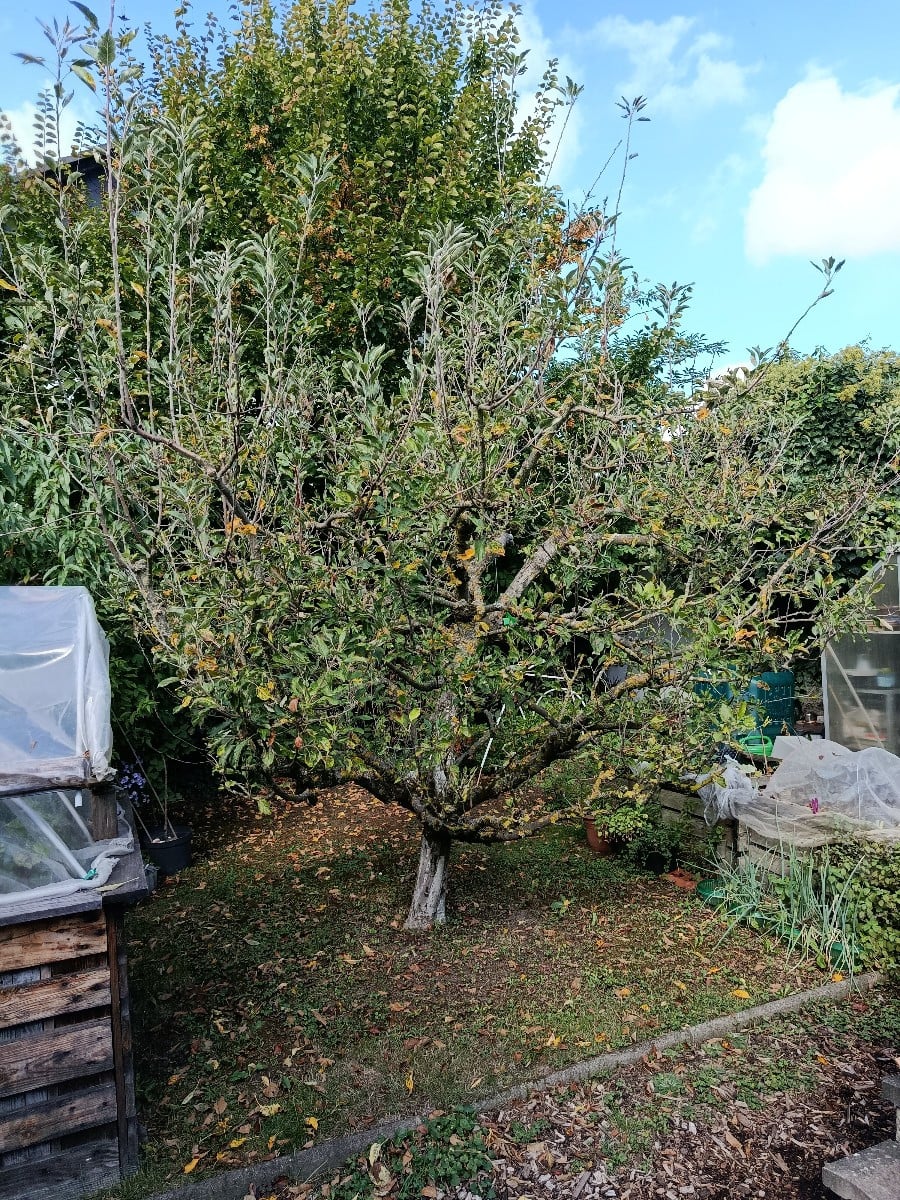
Today is a sad day. My Cox Orange was carefully cut down. I tried everything over the years, but nothing worked. Part of the problem was my choice of variety, the wrong location, improper pruning when it was young, and the hot summers. I think letting go is also part of taking responsibility, and it makes room for something new and different. Let yourself be surprised!
Liked 1 times
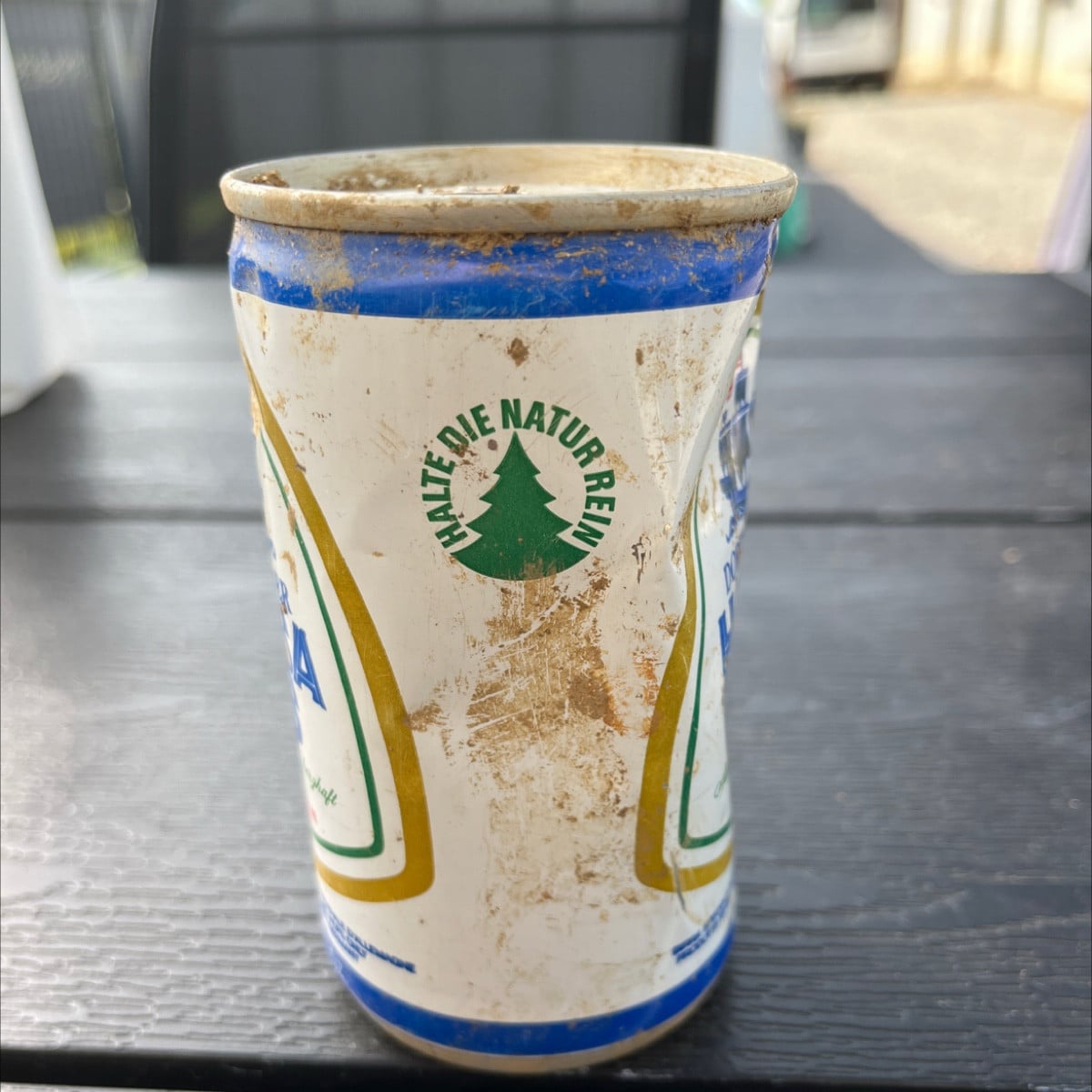
Found this today. According to Google, the can was manufactured in the 1980s. It seems the slogan "Keep nature clean" wasn't exactly put into practice.

Hi, we have pumpkins that are firm and green but sound hollow; they're still on the plant. How can I tell if they're ripe? I tried to upload a photo, but it didn't work....
Popular Articles

Gardening in March: Preparation & Cultivation

Propagating Peppers/Chillies: How to Grow Them Successfully

Cultivation or Direct Sowing: When and Which Vegetables to Propagate?

Sowing and Propagating Tomatoes: This Is How It Works

Raised Beds: Your Planting Plan for a Year

Plant Lights for Growing and Overwintering Plants

Growing Cucumbers Seedlings in Pots: Tips for Propagation

Pricking Out Vegetable Plants: Tips and Instructions

Growing & Harvesting Rocket: Good & Bad Companion Plants

How to Grow Broccoli: Tips for Cultivation