Valery

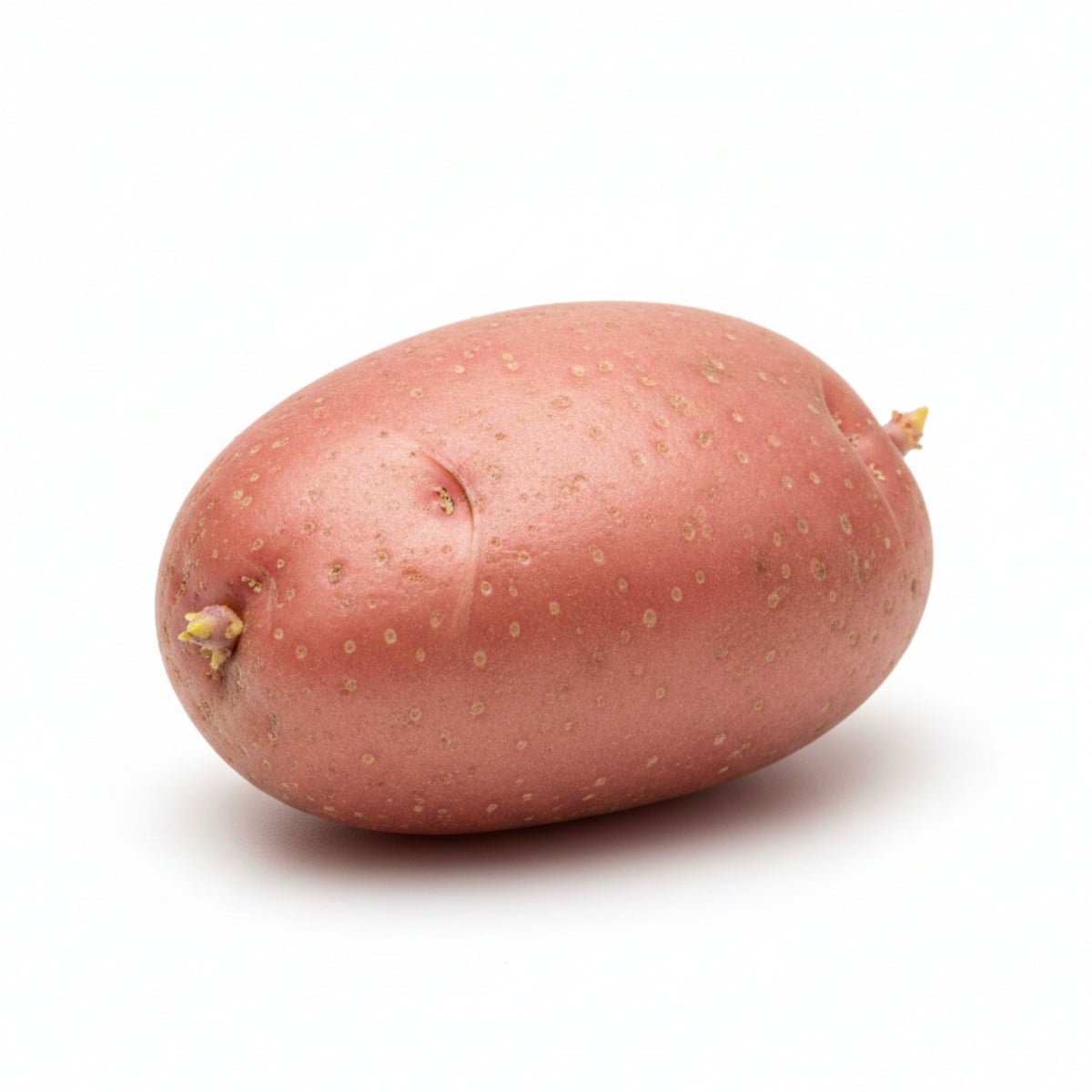
Variety
Valery
created by Alexandro at 21.02.2026
Features
Growth habit
lifespan: annual
growth habit: bushy
growth habit: semi-upright
harvest: profitable
seed-fixed: no
height: 50 - 60 cm
wide: 40 - 50 cm
root type: bulb, tuber
propagation by offsets
Taste
fine
aromatic
smelty
creamy
Resistances
Nematode resistant
Scab-resistant
virus-resistant
Black spot resistant
Fruit shape
globular
Color
Wurzel: rot
Wurzelfleisch: gelb
Cultivation Break
4 Years
Season Overview
Propagating
Planting
Harvest
J
F
M
A
M
J
J
A
S
O
N
D
Description
The Valery variety is the perfect choice for all hobby gardeners and gourmets who value first-class taste and flawless appearance. With its deep yellow flesh and smooth, light-colored skin, it is a real eye-catcher in the kitchen and impresses with its versatility. Features at a glance Cooking type: Mainly waxy to waxy – ideal for a wide range of dishes. Maturity: Medium early (harvest possible from August depending on planting time). Tuber shape: Long oval with very flat eyes, making it particularly easy to peel. Taste: Delicately aromatic with a buttery note. Flesh color: Intense deep yellow. Growing & yield tips Valery is characterized by high yield stability and good resistance to common scab and viral diseases. It prefers loose, well-aerated soils with a consistent water supply. Planting time: April to May (as soon as the ground is frost-free). Planting depth: approx. 8–10 cm. Planting distance: 30–35 cm in the row, approx. 75 cm between rows. Location: Sunny to partial shade. Gardening tip: For a particularly intense yellow color and optimal storage life, it is recommended to leave the tubers in the ground for about two weeks after the foliage has died back.
F1 Hybrid
Not frost resistant
Growing tips
🌱 Pre-germination - Place in a bright, cool place 3-4 weeks before planting - Pre-germination: 10-15 °C (optimum) - Not too warm, otherwise the sprouts will be long and thin - Bright, but not sunny location - Promotes strong sprouts, brings an earlier harvest - Germination length: 1-2 cm, compact and greenish 🌍 Location & soil - Loose, humus-rich, deep soil is ideal - Sandy-loamy soils - pH value: slightly acidic to neutral (approx. 5.5-7) - Potatoes do not like waterlogging - Potatoes love full sun - At least 6 hours of direct sunlight per day, more is better. - Partial shade is fine, but the yield is noticeably lower - A location with good air circulation helps to avoid late blight. - Do not plant too close to walls or hedges. 🌾 Planting - Planting time: April to May, depending on weather conditions - Planting depth: approx. 8-10 cm - Spacing: 30-40 cm in the row, 60-70 cm between the rows 🪴 Hilling up - When plants are 15-20 cm high, pile up soil - Protects against light (green tubers!) and increases the yield - Repeat 2-3 times 💧 Watering - Potatoes are relatively robust, but: ◦ They need sufficient water during tuber formation (flowering period) ◦ It is better to water rarely but thoroughly 🥔 Fertilization - Lots of potassium, moderate nitrogen, some phosphorus - Organic: mature compost or well-rotted manure. - No fresh excrement - Potassium-emphasized (e.g. Kalimagnesia) promotes taste and shelf life - Basic fertilization during planting, top dressing only if the soil is very poor - Mulching (grass, straw) supports nutrient supply and moisture 🧺 Harvest - Early potatoes: as soon as the plants flower - Late varieties: when the haulm is dead - Allow to dry well before storing and store in a cool, dark, airy place 🌿 Good neighbors - Beans (bush beans), peas - Kohlrabi, spinach - Corn, ornamental grasses - Marigold, marigold, thyme, sage, borage, camomile, parsley, dill - Garlic, onions, chives - Lavender, delphinium, nasturtium, cosmea, lupine, coneflower - Currants, gooseberries, raspberries - Forsythia, weigelie 🚫 Bad neighbors - Tomatoes, peppers & chili, eggplants, okra - Cabbages, turnips, rapeseed - Pumpkins & zucchinis, cucumbers, melons - Sunflowers, asters, ferns, funkia, dahlias, ivy, forest stonecrop - Beet, chard - Mint, basil, rosemary, comfrey - Blueberries, cranberries, cranberries, allackberry - Elderberry, lilac, blackberries 🔄 Crop rotation - Potatoes should only be grown on the same area every 3-4 years - Good preceding crops: beans, peas, cereals, kohlrabi - Poor preceding crops: tomatoes, peppers, eggplants (same plant family → higher risk of disease) 🦠 Common diseases - Late blight and tuber rot - Blackleg, black rot - Wire rot, rhizoctonia - Powdery mildew - Virus diseases (mosaic) - Dry spot disease - Fusariosis - Potato wart disease - Powdery scab / silver scurf - Leafroll disease 🐛 Common pests - Colorado potato beetle - Wireworms - Aphids - Nematodes - snails - grubs - Earthworms - woodlice - mice - Wild boar
Details


Light requirement
Sunny

Water requirement
Moist

Soil
Medium (loamy)

Nutrient requirement
High

Germination temperature
12 – 15 °C (Degrees Celsius)

Plant distance
35 cm

Row spacing
65 cm

Seeding depth
9 cm

Companion Plants
Bean (Broad bean / Faba bean / Field bean)
Bean (Dwarf bean)
Borage
Caraway / Meridian fennel / Persian cumin
Chamomile
Chives
Common marigold
Coneflower (Echinacea)
Corn / Maize
Currant
Dill
Forsythia
Garden cosmos / Mexican aster
Garlic
Garlic chives
Gooseberry
Grasses - Fescue
Grasses - Other
Grasses - Sedges
Kohlrabi / German turnip / Turnip cabbage
Larkspur
Lavender
Lupine / Bluebonnet
Mint
Nasturtium
Onion (Spring onion)
Oregano
Parsley
Phacelia / Scorpionweed / Heliotrope
Raspberry
Sage
Soybean
Spinach (Summer)
St. John's wort
Tagetes / Marigolds
Thyme
Weigela

Antagonistic Plants
Arctic Bramble, Mammure
Aster
Aubergine / Eggplant
Basil
Beetroot
Blackberry / Brambles
Blueberry
Broccoli raab / Stem cabbage / Cima di rapa
Brussels sprouts
Celery (Celeriac / Celery root)
Celery (Celery)
Celery (Leaf celery / Chinese celery)
Chard
Chili
Chinese kale - Kai-lan / Chinese broccoli
Comfrey
Courgette / Zucchini
Cucumber (African horned cucumber / Kiwano)
Cucumber (Caigua)
Cucumber (Melothria)
Cucumber / Gherkin
Dahlia
Elderberry
Florence fennel / Finocchio
Funk
Garden squash - Patisson / UFO squash
Hair cucumbers / snake gourds
heather family
Ivy
Jerusalem artichoke / Topinambur
Large cranberry / American cranberry
Lilac
Lingonberry / Partridgeberry / Mountain cranberry
Lovage
Make
Melon (Sugar melon)
Melon (Watermelon)
Mizuna / Japanese mustard greens
Napa cabbage / Chinese cabbage
Nightshades (Other)
Okra
Ornamental pumpkin
Pak Choi
Pepper / Paprika
Physalis
Pumpkin / Squash
Rapini / Broccoli rabe
Rosemary
Rutabaga / Swedish turnip
Sea coal
Sponge gourd / Egyptian cucumber / Vietnamese luffa
Sunflower
Tomato (Bush tomato)
Tomato (Cocktail bush tomato)
Tomato (Cocktail Stake Tomato)
Tomato (Stake tomato)
Turnip
Turnip greens - Choy Sum / Chinese flowering cabbage
Turnip greens - Mizuna
Turnip greens - Tatsoi
Turnip-rooted chervil
Turnips - Oilseed turnips
Turnips - Wild turnips
Yalta tomatoes

Diseases
Fusarium
Powdery mildews
Early blight of potato
Black spot of roses
Soft rot
Brown rot

Pests
Root knot nematodes
Stem borers
Land snails
Cutworms
Larvae
Ten-lined potato beetle
Nematodes
Aphids
Wireworms
Voles