Garden Guide
Garden Guide for Melbourne, Victoria
Melbourne is in climate zone 10b and enjoys a temperate climate with four distinct seasons, often considered unpredictable. Soils are frequently clay-heavy and greatly benefit from incorporating organic matter to improve drainage and fertility. Summers can be hot and dry, while winters are cool and wet.
In Melbourne (climate zone 10b), the main planting season kicks off after the last frost in mid-September. For example, you can sow radishes from September to March and harvest them from November to May. Tomatoes are best started indoors from September to October and harvested from January to May, while Swiss chard is started indoors from August to October and is ready for harvest from December to May.
Also applies to: Geelong, Ballarat, Bendigo, Warrnambool, Shepparton, Mildura
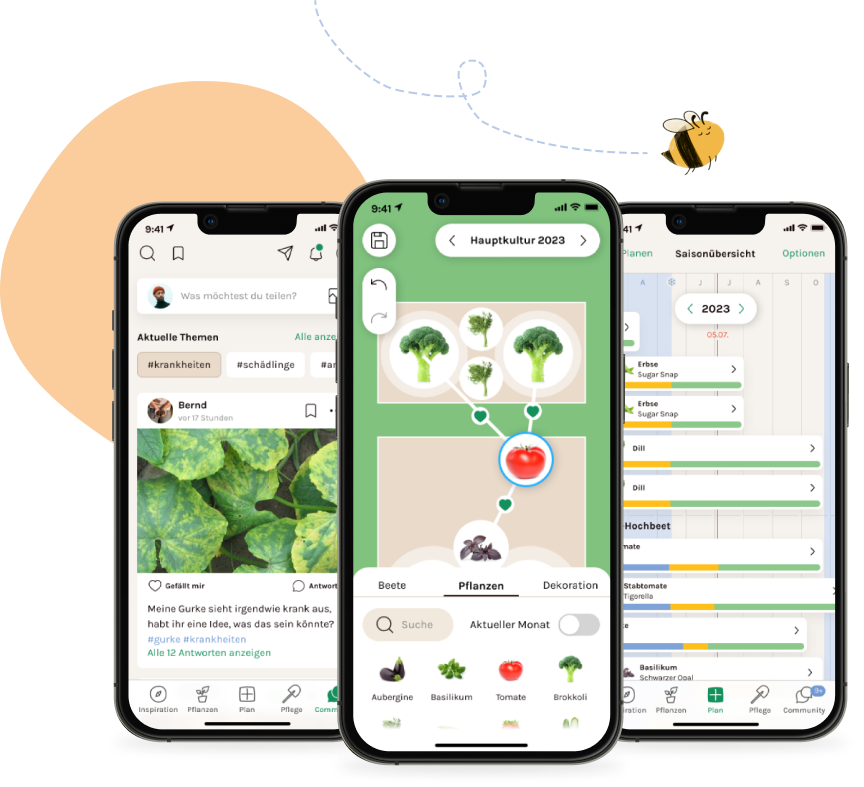
Plan your Melbourne garden in the Fryd appPlanting Calendar
When to start indoors, sow outdoors, and harvest in Melbourne.
| Crop | Jan | Feb | Mar | Apr | May | Jun | Jul | Aug | Sep | Oct | Nov | Dec |
|---|---|---|---|---|---|---|---|---|---|---|---|---|
| Tomato (Bush tomato) ●●● ●●○ ●●● | |
|
|
|
|
|
|
|
|
|||
| Tomato (Cocktail bush tomato) ●●● ●●○ ●●● | |
|
|
|
|
|
|
|
|
|||
| Pepper / Paprika ●●● ●●○ ●●● | |
|
|
|
|
|
|
|
|
|||
| Cucumber / Gherkin ●●● ●●○ ●●● | |
|
|
|
|
|
|
|
||||
| Courgette / Zucchini ●●● ●●● ●●● | |
|
|
|
|
|
|
|
|
|||
| Bean (Dwarf bean) ●●● ●●○ ●○○ | |
|
|
|
|
|
|
|
||||
| Bean (Runner bean) ●●● ●●○ ●○○ | |
|
|
|
|
|
|
|
||||
| Basil ●●● ●●○ ●●● | |
|
|
|
|
|
|
|
|
|||
| Garlic ●●● ●●○ ●○○ | |
|
|
|
|
|||||||
| Onion ●●● ●●○ ●●○ | |
|
|
|
|
|
|
|
||||
| Onion (Spring onion) ●●● ●●○ ●●○ | |
|
|
|
|
|
|
|
|
|
||
| Carrots ●●● ●●○ ●○○ | |
|
|
|
|
|
|
|
|
|
||
| Beetroot ●●● ●●○ ●●○ | |
|
|
|
|
|
|
|||||
| Radishes ●●● ●●○ ●○○ | |
|
|
|
|
|
|
|
|
|||
| Chard ●●○ ●●○ ●●○ | |
|
|
|
|
|
|
|
|
|
|
|
| Spinach (Summer) ●○○ ●●● ●●○ | |
|
|
|
|
|
||||||
| Parsley ●●○ ●●○ ●●○ | |
|
|
|
|
|
|
|
|
|
|
|
| Chives ●●● ●●● ●●○ | |
|
|
|
|
|
|
|
|
|||
| Dill ●●● ●●○ | |
|
|
|
|
|
|
|
|
|
||
| Coriander / Cilantro ●●○ ●●○ ●○○ | |
|
|
|
|
|
|
|
Planting Calendar Melbourne
- Tomato (Bush tomato): Start indoors Sep - Oct, Sowing Nov - Dec, Harvest Jan - Dec (Light: high, Water: medium, Nutrients: high)
- Tomato (Cocktail bush tomato): Start indoors Sep - Oct, Sowing Nov - Dec, Harvest Jan - Dec (Light: high, Water: medium, Nutrients: high)
- Pepper / Paprika: Start indoors Aug - Sep, Sowing Nov - Dec, Harvest Jan - May (Light: high, Water: medium, Nutrients: high)
- Cucumber / Gherkin: Start indoors Oct - Nov, Sowing Nov - Dec, Harvest Jan - Dec (Light: high, Water: medium, Nutrients: high)
- Courgette / Zucchini: Start indoors Sep - Nov, Sowing Nov - Dec, Harvest Jan - Dec (Light: high, Water: high, Nutrients: high)
- Bean (Dwarf bean): Start indoors Oct - Nov, Sowing Jan - Dec, Harvest Jan - Dec (Light: high, Water: medium, Nutrients: low)
- Bean (Runner bean): Start indoors Oct - Nov, Sowing Jan - Dec, Harvest Jan - Dec (Light: high, Water: medium, Nutrients: low)
- Basil: Start indoors Jan - Dec, Sowing Jan - Dec, Harvest Jan - Dec (Light: high, Water: medium, Nutrients: high)
- Garlic: Sowing Feb - Apr, Harvest Jan - Dec (Light: high, Water: medium, Nutrients: low)
- Onion: Start indoors Jul - Aug, Sowing Sep - Oct, Harvest Jan - Apr (Light: high, Water: medium, Nutrients: medium)
- Onion (Spring onion): Start indoors Jan - Dec, Sowing Feb - May, Harvest May - Sep (Light: high, Water: medium, Nutrients: medium)
- Carrots: Sowing Sep - Dec, Harvest Jan - Dec (Light: high, Water: medium, Nutrients: low)
- Beetroot: Start indoors Sep, Sowing Sep - Dec, Harvest Jan - Dec (Light: high, Water: medium, Nutrients: medium)
- Radishes: Sowing Jan - Dec, Harvest Jan - Dec (Light: high, Water: medium, Nutrients: low)
- Chard: Start indoors Jul - Oct, Sowing Sep - Dec, Harvest Jan - Dec (Light: medium, Water: medium, Nutrients: medium)
- Spinach (Summer): Sowing Sep - Nov, Harvest Jan - Dec (Light: low, Water: high, Nutrients: medium)
- Parsley: Start indoors Jan - Dec, Sowing Jan - Dec, Harvest Jan - Dec (Light: medium, Water: medium, Nutrients: medium)
- Chives: Start indoors Sep - Nov, Sowing Sep - Dec, Harvest Jan - Dec (Light: high, Water: high, Nutrients: medium)
- Dill: Sowing Jan - Dec, Harvest Jan - Dec (Light: high, Nutrients: medium)
- Coriander / Cilantro: Start indoors Sep - Nov, Sowing Nov - Dec, Harvest Jan - Dec (Light: medium, Water: medium, Nutrients: low)
Based on Fryd planting data for Zone 10b, 2026.
Companion Planting for Melbourne
Plants that thrive together in Victoria.
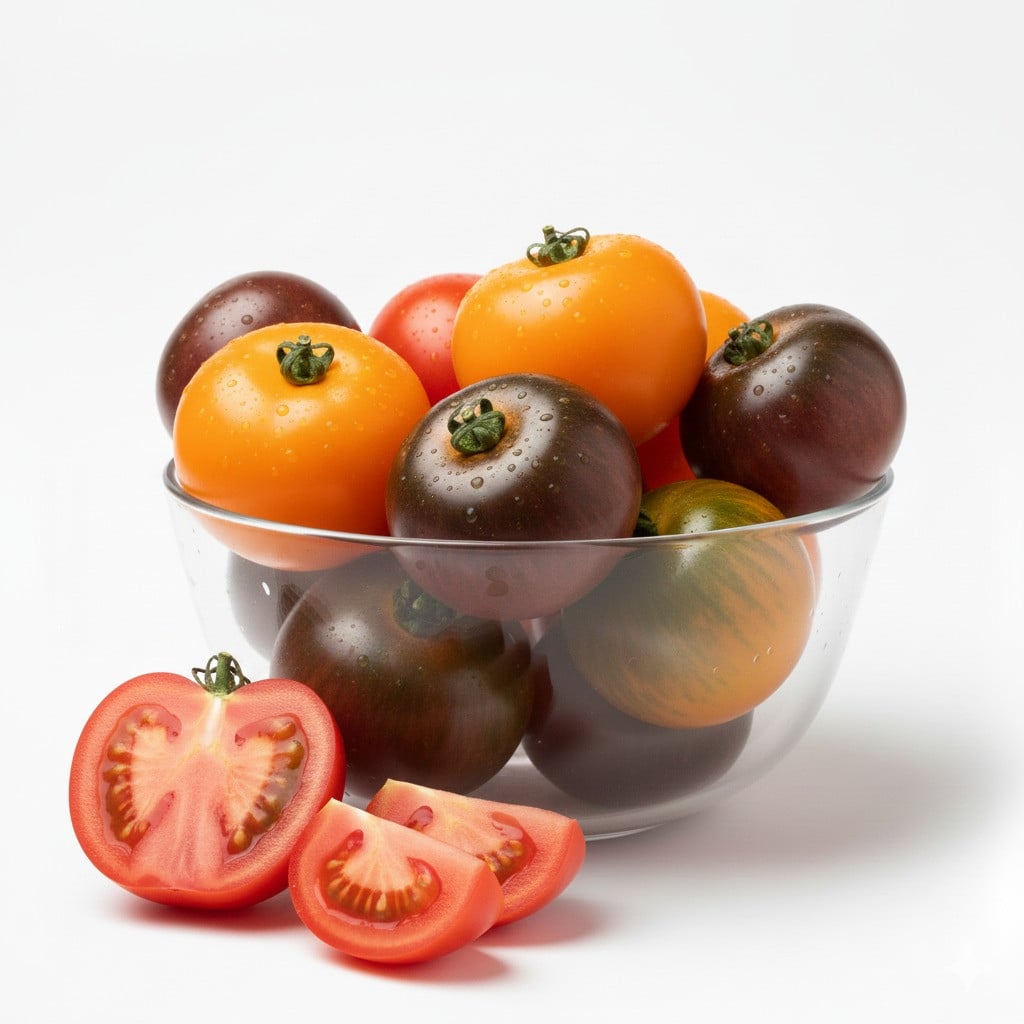
Some plants grow better side by side: they keep pests away, improve the soil or make the most of the space. More on companion planting →
 +
+
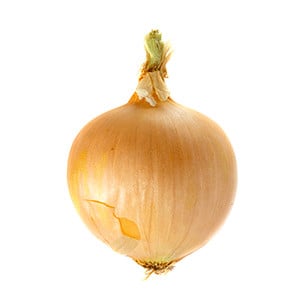
Your onions keep pests like whiteflies away and improve the flavor of your tomatoes.
 +
+
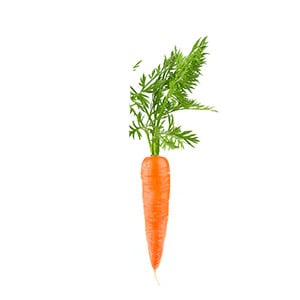
Tomato (Cocktail bush tomato) + Carrots
Carrots loosen the soil and act like a drainage system, which is good for tomatoes, as you don't like waterlogging.
 +
+
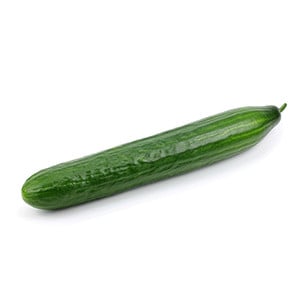
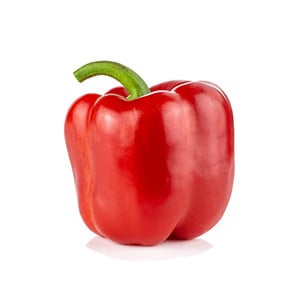
Pepper / Paprika + Cucumber / Gherkin
Your peppers and cucumbers have similar demands for light, water, and nutrients, and they thrive well in high humidity.
 +
+
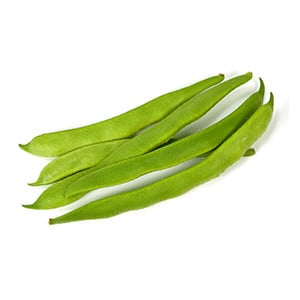
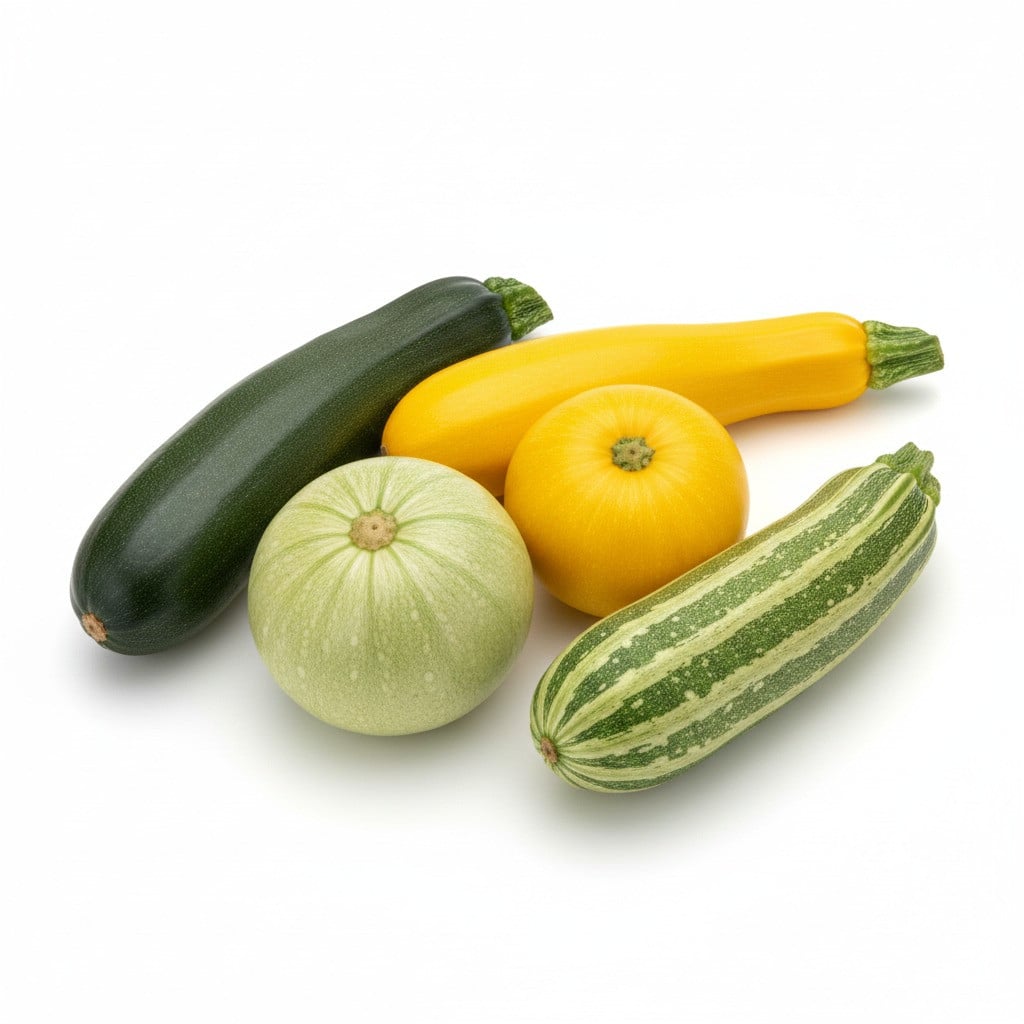
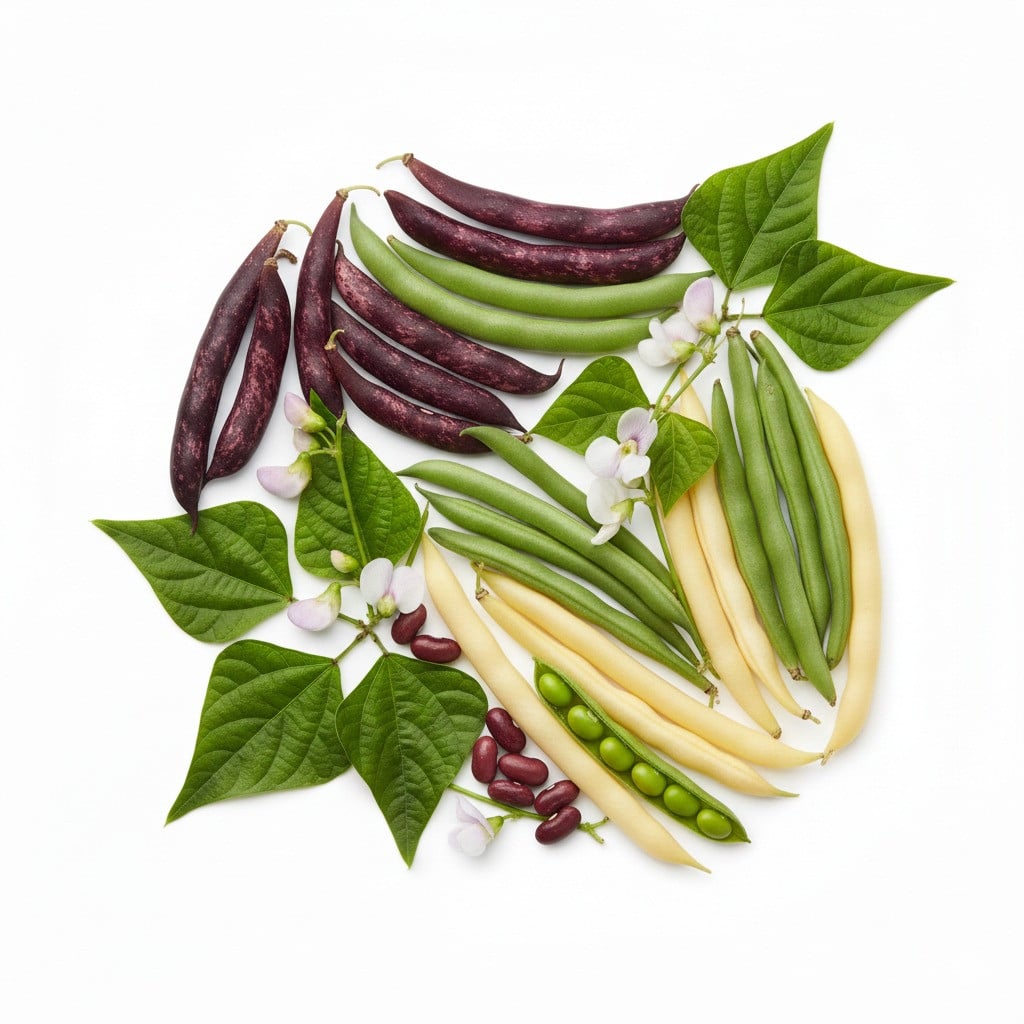
Courgette / Zucchini + Bean (Runner bean)
Your pole beans fix nitrogen in the soil, which benefits zucchini and keeps the soil from getting depleted.
 +
+
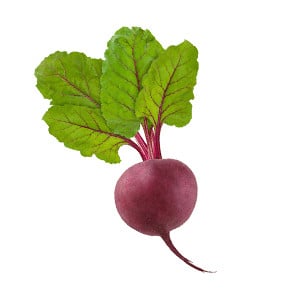
Your beans loosen the soil and complement beets well, as they need different nutrients.
Plan companions visually
Drag and drop crops in the Fryd bed planner to see companion matches.
Try Fryd →Growing Tips for Melbourne
Soil Improvement is Key
Since many soils in Melbourne are clay-heavy, it's crucial to improve them with plenty of compost or well-rotted manure before sowing. This encourages a loose, humus-rich structure, essential for good drainage and nutrient supply. Your plants will thank you with vigorous growth!
Ensure Consistent Watering
Many vegetables like radishes, carrots, and spinach need consistent moisture to thrive and prevent woody growth. Especially during dry summer periods, you should water regularly and deeply to reach the roots. Be careful to avoid waterlogging, which can lead to root rot.
Choose Sunny Spots
Most of the crops listed here, such as onions, tomatoes, capsicums, and cucumbers, are sun-lovers and need a full-sun location to produce abundant fruit. Choose a spot in your garden that receives at least 6-8 hours of direct sunlight per day. This not only promotes growth but also enhances flavour development.
Protect Frost-Sensitive Plants
Since the last frost in Melbourne is in mid-September, you should only plant frost-sensitive plants like zucchini, beans, cucumbers, basil, and tomatoes outdoors after this time. Starting them indoors or in a greenhouse in September or October is ideal to give them a head start. This way, they'll be strong enough when they go into the garden bed.
Common Pests & Diseases
Combat Aphids
Aphids can multiply quickly and weaken your plants. You'll spot them as small, often green or black insects on the undersides of leaves and young shoots. Spray affected plants with a soapy solution or introduce beneficial insects like ladybug larvae to control them naturally.
Keep Snails and Slugs in Check
Snails and slugs are especially active during damp periods and love to munch on young seedlings and tender leaves. You can hand-pick them in the evening or create barriers around your beds using slug fences or coffee grounds. Beer traps can also help reduce their population.
Prevent Powdery Mildew
Powdery mildew appears as a white, powdery coating on leaves and stems, especially on cucumbers and zucchini. Ensure adequate plant spacing for good air circulation and always water your plants at the base, not over the leaves. If an infestation occurs, milk-water mixtures or special organic sprays can help.
Control Whiteflies
Whiteflies are small, white insects often found hiding on the undersides of leaves, especially on tomatoes and capsicums. You can attract and catch them with yellow sticky traps or regularly spray plants with a neem oil solution. Good ventilation in the greenhouse can also help prevent them.
Frequently Asked Questions
When is the best time to plant tomatoes in Melbourne?
For tomatoes in Melbourne, you should plan to start them indoors from September to October. Outdoor sowing or transplanting can then happen in December when there's no longer any risk of frost. You can expect to harvest from January to May.
What climate zone is Melbourne in, and what does that mean for my garden?
Melbourne is in climate zone 10b. This means you have a long growing season with mild winters and hot summers, allowing for a wide variety of plants to be grown. Frost-sensitive plants can safely be moved outdoors after mid-September.
Which vegetables grow best in Melbourne's climate?
Many vegetables thrive in Melbourne. Radishes (sow: September-March), Swiss chard (start indoors: August-October), and carrots (sow: October-December) grow particularly well. Warm-season plants like tomatoes, zucchini, and beans are also very productive when planted after the last frost.
When is the last frost in Melbourne, and when can I plant frost-sensitive plants?
The last frost in Melbourne is typically mid-September. You should only plant frost-sensitive plants like zucchini, beans, cucumbers, and tomatoes outdoors after this date to avoid damage. However, you can start them indoors earlier.