Garden Guide
Garden Guide for Cape Town, Western Cape
Cape Town is nestled in a Mediterranean climate zone (11b), boasting warm, dry summers and mild, wet winters. The soil here is often sandy to loamy and drains well, creating ideal conditions for a wide variety of plants. Being frost-free year-round means you can enjoy diverse planting opportunities.
In Cape Town, a frost-free Zone 11b, you can plant almost all year round! Garden lettuce can be started indoors (or in trays) from July to January and harvested from September to April. For tomatoes, it's best to start them from August to September to enjoy a harvest from December to March. Zucchini and beans are perfect for starting from September to October, with harvests from December to March.
There is practically no frost in Cape Town. You can garden year-round, the calendar shows the most reliable growing windows.
Also applies to: Stellenbosch, Paarl, Somerset West, Hermanus, Franschhoek, Malmesbury
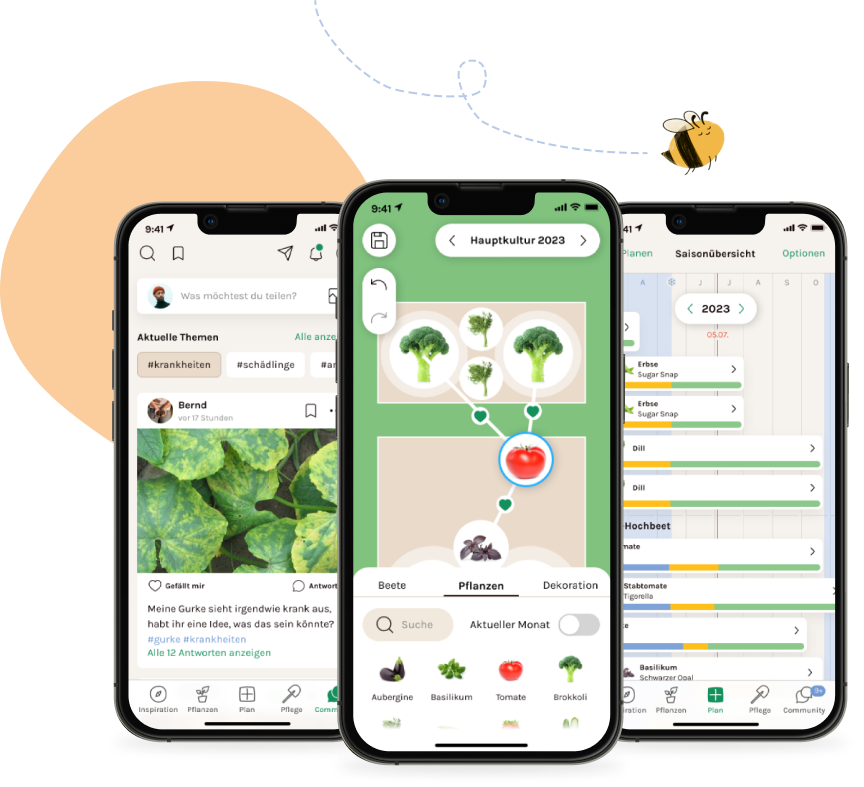
Plan your Cape Town garden in the Fryd appPlanting Calendar
When to start indoors, sow outdoors, and harvest in Cape Town. Frost-free climate: the windows are a guide, many crops can be sown beyond them too.
| Crop | Jan | Feb | Mar | Apr | May | Jun | Jul | Aug | Sep | Oct | Nov | Dec |
|---|---|---|---|---|---|---|---|---|---|---|---|---|
| Tomato (Bush tomato) ●●● ●●○ ●●● | |
|
|
|
|
|
|
|
||||
| Tomato (Cocktail bush tomato) ●●● ●●○ ●●● | |
|
|
|
|
|
|
|
||||
| Pepper / Paprika ●●● ●●○ ●●● | |
|
|
|
|
|
|
|
||||
| Cucumber / Gherkin ●●● ●●○ ●●● | |
|
|
|
|
|
|
|||||
| Courgette / Zucchini ●●● ●●● ●●● | |
|
|
|
|
|
|
|||||
| Aubergine / Eggplant ●●● ●●● ●●● | |
|
|
|
|
|
|
|||||
| Chili ●●● ●●○ ●●● | |
|
|
|
|
|
|
|
|
|||
| Lettuce (Lettuce) ●●○ ●●○ ●●○ | |
|
|
|
|
|
|
|
|
|
||
| Chard ●●○ ●●○ ●●○ | |
|
|
|
|
|
|
|
|
|
|
|
| Spinach (Summer) ●○○ ●●● ●●○ | |
|
|
|
|
|||||||
| Arugula / Rocket ●●○ ●●○ ●○○ | |
|
|
|
|
|
|
|
|
|||
| Basil ●●● ●●○ ●●● | |
|
|
|
|
|
|
|
||||
| Parsley ●●○ ●●○ ●●○ | |
|
|
|
|
|
|
|
|
|
|
|
| Chives ●●● ●●● ●●○ | |
|
|
|
|
|
|
|
|
|||
| Garlic ●●● ●●○ ●○○ | |
|
|
|
|
|||||||
| Onion ●●● ●●○ ●●○ | |
|
|
|
|
|
|
|||||
| Onion (Spring onion) ●●● ●●○ ●●○ | |
|
|
|
|
|
|
|
|
|
||
| Bean (Dwarf bean) ●●● ●●○ ●○○ | |
|
|
|
|
|
|
|||||
| Bean (Runner bean) ●●● ●●○ ●○○ | |
|
|
|
|
|
|
|||||
| Sweet potato ●●● ●●○ ●●● | |
|
|
|
|
Planting Calendar Cape Town
- Tomato (Bush tomato): Start indoors Aug - Sep, Sowing Oct - Nov, Harvest Jan - Dec (Light: high, Water: medium, Nutrients: high)
- Tomato (Cocktail bush tomato): Start indoors Aug - Sep, Sowing Oct - Nov, Harvest Jan - Dec (Light: high, Water: medium, Nutrients: high)
- Pepper / Paprika: Start indoors Jul - Aug, Sowing Oct - Nov, Harvest Jan - Dec (Light: high, Water: medium, Nutrients: high)
- Cucumber / Gherkin: Start indoors Sep - Oct, Sowing Oct - Nov, Harvest Jan - Dec (Light: high, Water: medium, Nutrients: high)
- Courgette / Zucchini: Start indoors Sep - Oct, Sowing Oct - Nov, Harvest Jan - Dec (Light: high, Water: high, Nutrients: high)
- Aubergine / Eggplant: Start indoors Aug - Oct, Sowing Oct - Nov, Harvest Jan - Dec (Light: high, Water: high, Nutrients: high)
- Chili: Start indoors Jun - Aug, Sowing Oct - Dec, Harvest Jan - Dec (Light: high, Water: medium, Nutrients: high)
- Lettuce (Lettuce): Start indoors Jan - Dec, Sowing Jan - Dec, Harvest Jan - Dec (Light: medium, Water: medium, Nutrients: medium)
- Chard: Start indoors Jun - Sep, Sowing Sep - Nov, Harvest Jan - Dec (Light: medium, Water: medium, Nutrients: medium)
- Spinach (Summer): Sowing Aug - Oct, Harvest Sep - Dec (Light: low, Water: high, Nutrients: medium)
- Arugula / Rocket: Sowing Jan - Dec, Harvest Jan - Dec (Light: medium, Water: medium, Nutrients: low)
- Basil: Start indoors Aug - Dec, Sowing Oct - Dec, Harvest Jan - Dec (Light: high, Water: medium, Nutrients: high)
- Parsley: Start indoors Jan - Dec, Sowing Jan - Dec, Harvest Jan - Dec (Light: medium, Water: medium, Nutrients: medium)
- Chives: Start indoors Aug - Oct, Sowing Sep - Nov, Harvest Jan - Dec (Light: high, Water: high, Nutrients: medium)
- Garlic: Sowing Feb - Apr, Harvest Jan - Dec (Light: high, Water: medium, Nutrients: low)
- Onion: Start indoors Jun - Jul, Sowing Aug - Sep, Harvest Jan - Dec (Light: high, Water: medium, Nutrients: medium)
- Onion (Spring onion): Start indoors Jan - Dec, Sowing Feb - May, Harvest May - Sep (Light: high, Water: medium, Nutrients: medium)
- Bean (Dwarf bean): Start indoors Sep - Oct, Sowing Oct - Dec, Harvest Jan - Dec (Light: high, Water: medium, Nutrients: low)
- Bean (Runner bean): Start indoors Sep - Oct, Sowing Oct - Dec, Harvest Jan - Dec (Light: high, Water: medium, Nutrients: low)
- Sweet potato: Start indoors Sep - Oct, Sowing Oct - Nov, Harvest Feb - Mar (Light: high, Water: medium, Nutrients: high)
Based on Fryd planting data for Zone 11b, 2026.
Companion Planting for Cape Town
Plants that thrive together in Western Cape.
Some plants grow better side by side: they keep pests away, improve the soil or make the most of the space. More on companion planting →
 +
+
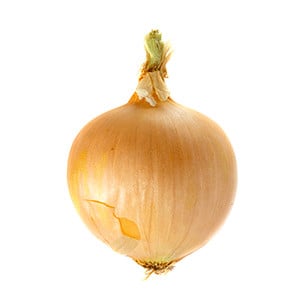
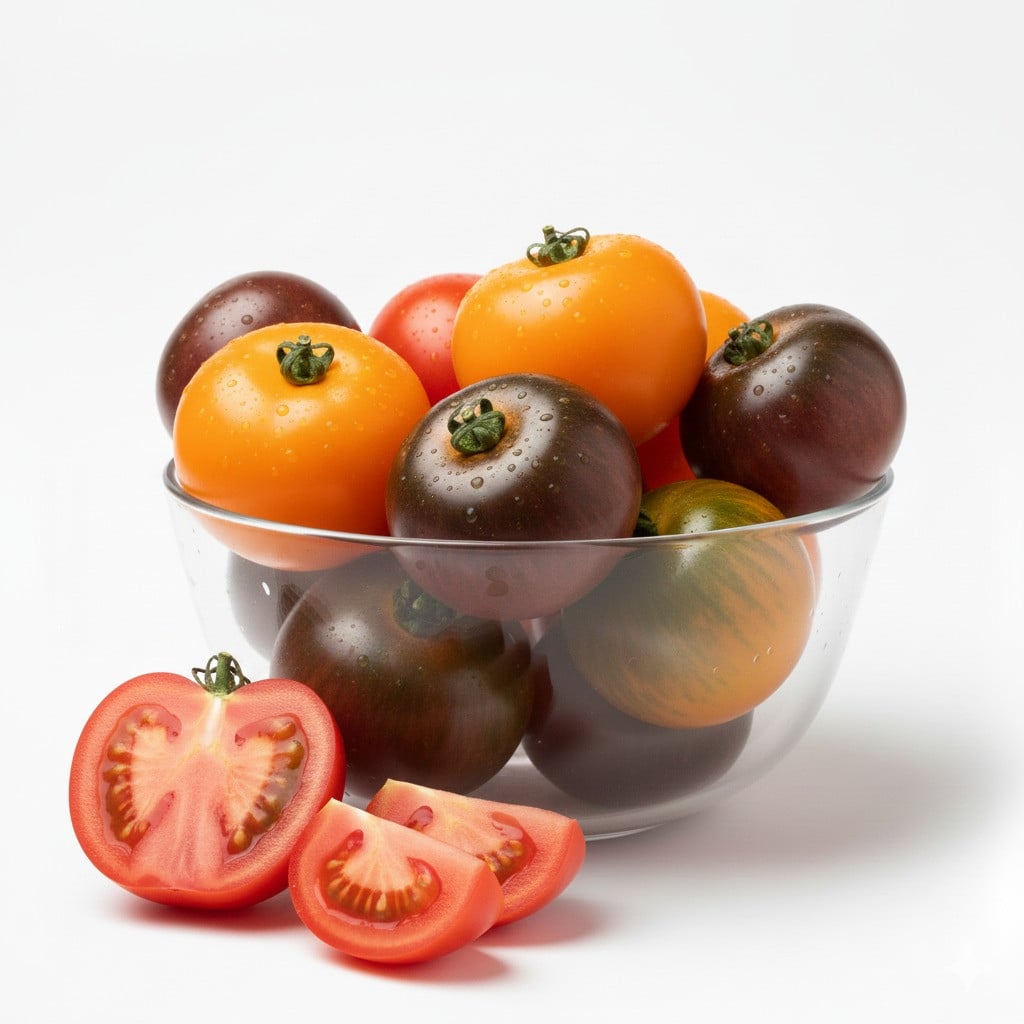
Your onions keep pests like whiteflies away and improve the flavor of your tomatoes.
 +
+
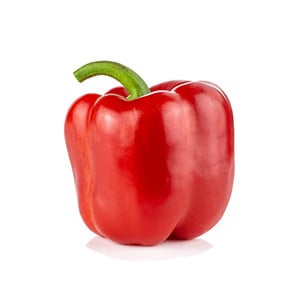
Tomato (Cocktail bush tomato) + Pepper / Paprika
Tomatoes and peppers are great companions because their nutrient needs are similar, and you both love lots of warmth and sun.
 +
+
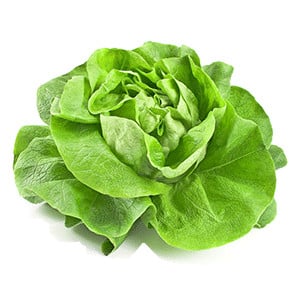
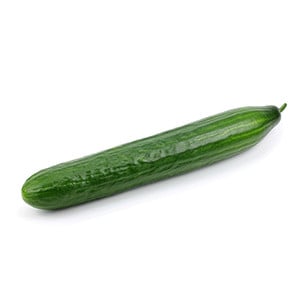
Cucumber / Gherkin + Lettuce (Lettuce)
Lettuce covers the soil around cucumbers, reducing water evaporation, and you have different root depths.
 +
+
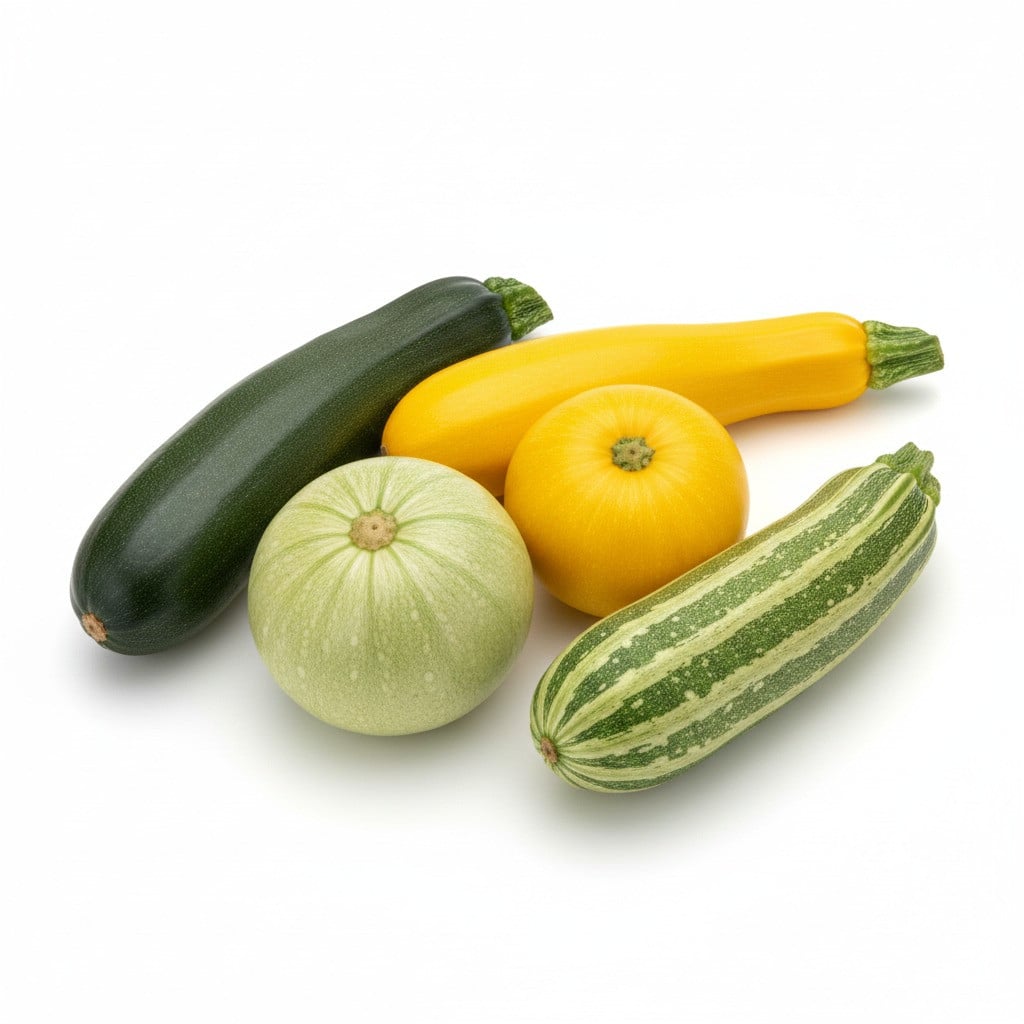
Basil keeps powdery mildew, whiteflies, and aphids away from zucchini, thus promoting your health.
 +
+
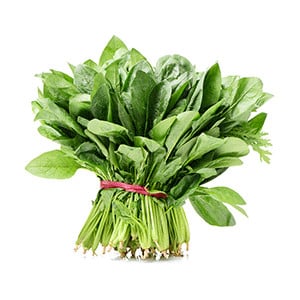
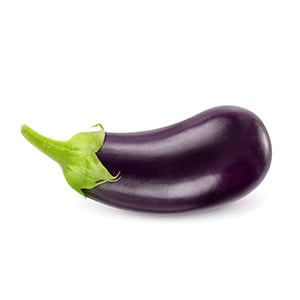
Aubergine / Eggplant + Spinach (Summer)
Spinach is a light feeder and complements eggplant well in the garden bed, as you have different nutrient needs.
Plan companions visually
Drag and drop crops in the Fryd bed planner to see companion matches.
Try Fryd →Growing Tips for Cape Town
Getting a Head Start with Seedlings
Many heat-loving plants like tomatoes, eggplants, and zucchini really benefit from being started indoors (or in trays) to make the most of the long growing season. Kick things off when temperatures are consistently mild, for example, in August for tomatoes.
Mind Your Watering Needs
During the dry summer months, adequate watering is crucial, especially for thirsty plants like cucumbers, zucchini, and spinach. Make sure to keep the soil consistently moist, but be careful to avoid waterlogging.
Choosing the Right Spot for Sun-Lovers
Plants like onions, garlic, and bell peppers need plenty of sunshine to thrive. Pick a spot that gets full sun with loose, humus-rich soil that drains well.
Nutrient-Rich Soil
Heavy feeders like eggplants, zucchini, and tomatoes need nutrient-rich soil. Prepare your soil before planting by adding compost or organic fertilizer to ensure a bountiful harvest.
Common Pests & Diseases
Aphids
Regularly check your plants for aphids, especially on young shoots and the undersides of leaves. If you spot them, you can rinse them off with a strong jet of water or use a soapy water spray.
Snails and Slugs
Protect young seedlings from snails and slugs, which absolutely love damp conditions. Iron phosphate-based slug pellets or setting up physical barriers can help keep your plants safe.
Powdery Mildew
In humid weather, powdery mildew can pop up, especially on cucumbers and squash. Ensure good air circulation and remove any affected leaves immediately to prevent it from spreading.
Fungus Gnats
When starting seeds in pots, fungus gnats can become a nuisance. Avoid overwatering and consider using yellow sticky traps to catch the adult flies.
Frequently Asked Questions
When should I plant tomatoes in Cape Town?
You can start your tomato seeds (or seedlings) from August to September and expect to harvest from December to March. Choose a sunny, sheltered spot for the best results and make sure they get enough water.
What climate zone is Cape Town in?
Cape Town is in climate zone 11b. This means it's practically frost-free here, allowing you to grow a wide variety of plants all year round!
Which vegetables grow well in Cape Town?
Many Mediterranean and heat-loving plants thrive here, including garden lettuce, spinach, Swiss chard, onions, garlic, zucchini, eggplants, and tomatoes. Herbs like basil and parsley are also very productive.
Does it ever frost in Cape Town?
Nope, Cape Town is practically frost-free! This allows for year-round cultivation of many crops and makes gardening here incredibly diverse and rewarding.