
Sowing and Planting Sunflowers: Tips for Growing and Companion Planting
Sunflowers are real eye-catchers with their large yellow blooms and impressive height. But these graceful giants aren’t just beautiful—they’re also a valuable food source for insects and birds. In this article, you’ll find tips on growing sunflowers—from choosing varieties to sowing and planting. You’ll also learn everything about sunflowers in mixed cropping, including good and bad planting partners.
This Article Contains:
- Growing Sunflowers: What You Need to Know
- The Right Location
- Sowing Sunflowers: Direct Seeding or Starting From Seed?
- Instructions for Direct Seeding
- Starting and Planting Sunflowers: Step by Step
- Companion Planting With Sunflowers
- Planting Plans for Your Sunflower Companion Planting
- Sunflowers as Green Manure
- Growing Sunflowers in Pots
- An Overview of Sunflower Varieties
- The “Wild Cousin”: Jerusalem Artichoke
- When and for How Long Do Sunflowers Bloom?
- Frequently Asked Questions About Sunflowers
Quick Overview
Growing & Planting Sunflowers
- Botanical name: Helianthus annuus
- Germination type: Dark germinator
- Sowing depth: 2–4 cm/0.8-1.6 in
- Germination time & temp.: 7–14 days at 18 °C/65 °F (after germination, cooler: 10–12 °C/50-54 °F)
- Sowing time
- Pre-cultivation: March/April (protection from snails/birds)
- Direct sowing: From mid-April/May (stronger roots)
- Root system: Deep taproots
- Location: Full sun, sheltered from the wind
- Soil requirements: Deep, rich in organic matter, sufficiently moist (heavy feeder)
- Good companions: Beans, peas, cucumbers, squash, corn, zucchini, onions, leeks, Swiss chard
- Bad companion plants: Potatoes, lovage, Jerusalem artichokes
- Special feature: Heliotropism: Young flowers turn toward the sun.
Practical Tips
- Root protection: Use extra-deep pots or "Seed Snails" for pre-cultivation, as taproots are sensitive to repotting.
- Snail protection: In gardens with a high snail population, starting the seedlings indoors is often the only way to save the young plants.
- Support: Tall, giant varieties should be staked early on in windy locations.
- Long-day plant: It’s also important to note that sunflowers require long-day conditions. This means they are usually sown only after the spring equinox in March.
Growing Sunflowers: What You Need to Know
Sunflowers (Helianthus) form their own genus within the aster family (Asteraceae). In addition to annual varieties such as the common sunflower (Helianthus annuus), there are also perennial varieties that grow more like hardy perennials and tend to produce smaller flowers. The flowering period extends roughly from August to October, but varies greatly depending on the variety and when the seeds are sown.
Although sunflowers are native to South America, they now grow naturally across much of Europe. After being brought to Europe by Spanish sailors, people discovered that they are very useful plants. Sunflowers were soon cultivated in Russia and throughout Eastern Europe for oil production.

The Right Location
Sunflowers are quite hardy and can grow in humus-rich clay soils as well as in slightly acidic sandy soils. However, they are heavy feeders, meaning they require a lot of nutrients, especially if they are to produce many flowers. For this reason, they usually grow smaller and produce only small flowers in nutrient-poor soils. As the name suggests, sunflowers love the sun and should therefore be planted in a sunny spot. It is also important to note that sunflowers require long-day conditions. This means they are usually sown only after the spring equinox in March. They need long days for good growth.
Sowing Sunflowers: Direct Seeding or Starting From Seed?
Sunflowers develop deep taproots that can extend up to 2 meters/2.2 yards into the soil. This makes them particularly drought-resistant, but it also means that sunflowers grown from seed often have trouble establishing themselves. As soon as the roots become too long for the pot, they curl up at the bottom of the pot. As a result, the plant stops growing above ground as well, since the development of the taproot is crucial for its overall growth and stability. However, starting them indoors can also have advantages—for example, if you have a lot of snails in your garden. This way, you protect the delicate seedlings from being eaten. You also prevent birds from pecking the seeds out of the soil prematurely.
Here’s What to Keep in Mind When Growing Plants
If you do decide to start them from seed, it’s best to choose extra-deep seedling pots; so-called “seed snails” also work well for this. With biodegradable pots, you can later transplant the seedlings directly into the garden bed without disturbing the roots.

Key Facts About Planting
| Germ type | dark-germinating |
| Root depth | Deep-rooted plants (taproots) |
| Seeding depth | 2 cm/1 in |
| Germination temperature | 18 °C/65 °F |
| Temperature after germination | 10–12 °C/50 - 55 °F |
| Germination time | 7–14 days |
| Pre-cultivation | starting in March/April |
| good for snail pressure | |
| Direct seeding | from mid-April/May |
| better growth |
Instructions for Direct Seeding
- Soak the seeds in chamomile tea for 24 hours. This softens the seed coat and helps the seeds germinate faster. Chamomile tea also has antibacterial and antifungal properties, which can protect the seeds from pathogens.
- Between mid-April and May, you can sow sunflowers directly in the ground. Plant the seeds about two to four centimeters deep in the soil. The soil temperature should be around 10 °C/50 °F. Since young sunflower plants are sensitive to frost, they must be covered in case of late frosts.
Starting and Planting Sunflowers: Step by Step
- Soak the seeds in chamomile tea for 24 hours.
- Plant the seeds about two centimeters deep in the soil.
- If necessary, prick out the seedlings. If you don’t know how to do this, you can find instructions for pricking out here.
- Once the seedlings are about 15–20 cm/6-8 in tall and there is no longer any risk of frost, they can be transplanted outdoors.
- Harden off your seedlings: Before planting them out, place the pots outside for a few days, a few hours at a time, so they can get used to environmental conditions like sun, wind, and fluctuating temperatures.
- Plant them outdoors: For giant varieties, maintain a spacing of at least 50 cm/20 in so the leaves get enough light and air. You can specifically control stem length and flower size through planting spacing: The greater the spacing, the stronger the plants and their flowers will be.
Companion Planting With Sunflowers
Sunflowers work well in mixed cropping. Thanks to their tall, upright growth and deep taproots, they pair perfectly with ground-covering and shallow-rooted plants. A popular example of this is the milpa. In this system, sunflowers (or corn) are combined with cucurbits (such as zucchini or squash) and climbing beans (often runner beans). The beans can climb up the sunflowers, while the cucurbits cover the ground and provide shade. You can read more about the milpa tradition in the related article.
Table: Good And Bad Companion Plants
| Good Neighbors | Bad Neighbors | |
|---|---|---|
| Beans | Melon | Potato |
| Pea | Beets | Lovage |
| Fennel | Chives | Jerusalem artichoke |
| Cucumber | Onions | |
| Pumpkin | Zucchini | |
| Leek | ||
| Corn | ||
| Swiss chard |
Planting Plans for Your Sunflower Companion Planting
We’ve put together a few planting plans to inspire your sunflower companion planting. Another fascinating fact about sunflowers is that their young buds track the sun. It’s only once they reach full bloom that the stems harden, locking the flowers into a fixed position—usually facing East. Here's a pro planning tip: If you plant them on the northern edge of your garden or flower bed, they’ll end up smiling at you later, rather than your neighbors! ;)

Don’t Waste Precious Space in Your Vegetable Garden!
With our bed planner, it’s easy to design a beautiful and productive companion planting layout. You’ll see which plants grow well together — and which don’t — along with tips for crop rotation and succession planting!
Plan Your Bed NowSunflowers as Green Manure
Sunflowers also make excellent cover crops. Their deep roots loosen the soil to a great depth, and once the plant dies, they serve as food for soil organisms. Another advantage of sunflowers is their rapid growth, which helps suppress unwanted weeds.

Here’s What You Need to Keep in Mind:
- Sow between April and August for green manure.
- Note: Sunflowers are not frost-hardy.
- A dense stand effectively suppresses weeds (about 30 plants per square meter/per 1.2 square yards).
- The planting spacing here is only 15–25 cm/6-10 in.
Growing Sunflowers in Pots
You can grow sunflowers in pots, but the size of the pot plays a major role in determining how tall the sunflowers will grow and how large their flowers will be.
| Variety | Pot size | Example |
|---|---|---|
| Tall-growing varieties | 30–40 L/63-84 pt | Evening Sun |
| Titanium | ||
| Uniflorus | ||
| Low-growing varieties | 20–30 L/42-63 pt | Teddy Bear |
| Sunspot | ||
| Bambino |
As mentioned earlier, the length of the taproot also determines above-ground growth. Therefore, you should choose a deep pot. Make sure to water the plant regularly so that the soil remains moist at all times. You should also fertilize regularly, as sunflowers are heavy feeders.
An Overview of Sunflower Varieties
When people think of sunflowers, they usually picture the classic giant yellow variety. But the Helianthus genus offers an enormous range—from tiny balcony plants to hardy perennials.

The Different Growth Habits
- Uniflora types (single-stemmed): These varieties produce only a single, usually very sturdy stem with an impressive main bloom. They are ideal as cut flowers or for setting height records in the garden.
- Multiflora types (branched): These varieties branch naturally and produce many smaller flowers on the side shoots. They often bloom over a longer period of time.
- Tip: If you “prune” a Uniflora variety (cut off the shoot tip at about 30 cm/12 in), you’ll encourage it to branch out. But you’ll need an extra dose of fertilizer to do this!
| Category | Features | Popular varieties |
|---|---|---|
| The Dwarves | dwarf, compact varieties | Sunspot |
| Height ranging from 40 to 70 centimeters/16-27 in | Teddy bear | |
| perfect for pots or window boxes | Bambino | |
| Small-flowered sunflowers (Helianthus microcephalus) Lemon Queen | ||
| The Giants | tall varieties | King Kong |
| Heights ranging from 2 to 4 meters/2 to 4 yards | Gigante | |
| works well as a trellis | ||
| The Color Wonders | surprise with colorful flowers | evening sun |
| orange to rust-red or brown flowers | Paccino | |
| The Persevering | perennial varieties | Perennial Sunflower (Helianthus decapetalus) Loddon Gold |
| usually only slight growth | Happy Days | |
| hardy perennials | Meteor | |
| Jerusalem artichoke |
The “Wild Cousin”: Jerusalem Artichoke
Jerusalem artichokes and sunflowers are close relatives: they both belong to the same genus, Helianthus, as does the common sunflower. Visually, this is immediately apparent from their yellow flower heads, even though those of the Jerusalem artichoke are significantly smaller (about 4–8 cm/1.5 - 3 in in diameter).
Differences & Similarities
- Survival strategy: While the classic sunflower is usually an annual that survives the winter through its seeds, Jerusalem artichoke is a hardy perennial. It retreats into the ground in the fall.
- The tuber: Jerusalem artichoke forms underground runners that swell into edible tubers. These have a nutty-sweet flavor (similar to artichokes) and contain inulin, which makes them particularly valuable for diabetics. The plant is quite invasive and suppresses many other vegetable plants, which brings us directly to the next point:
- Vigorous growth: Jerusalem artichoke grows extremely vigorously and can quickly become a “nuisance” in the garden if not contained, as every forgotten tuber fragment will grow into a new plant up to 3 meters/3.3 yards tall the following year.
When and for How Long Do Sunflowers Bloom?
The yellow, orange, or red flowers usually bloom between July and October. Each flower lasts about two weeks, though there are also varieties that produce several flowers at once.

Gardening Tips from Fryd
Practical Tip
Gardening Tips from Fryd
If you sow your sunflowers in stages, you’ll have a longer flowering period. Since flowering is determined by the accumulated heat, plants sown later will bloom sooner than those sown earlier. To extend the flowering period, you can pinch back branched varieties in June. Cutting off the main tip delays flowering and encourages the plant to produce more flowers at the same time.
Want to get helpful gardening tips all year round and plan your own garden beds perfectly? Then sign up here or download the Fryd app for Android or iOS.
Fryd - Your digital garden bed planner
Sources
- Hortipedium, 2025: Growing Sunflowers; accessed online on April 10, 2026 at https://www.hortipendium.de/Kultur_von_Sonnenblumen
- Hortipedium, 2025: Sunflowers as a green manure crop; accessed online on April 10, 2026 at https://www.hortipendium.de/Sonnenblumen_als_Gründüngspflanze

Marie
Marie is an agronomist. She is particularly interested in the sustainable and organic cultivation of vegetables and other plants. In her own garden, she gained experience and likes to try things out to learn from nature. She is particularly interested in the values and principles of permaculture, in order to contribute not only to the well-being of nature, but also to the well-being of people and future generations.
Learn MoreCurrent Topics in the Community
Liked 3 times
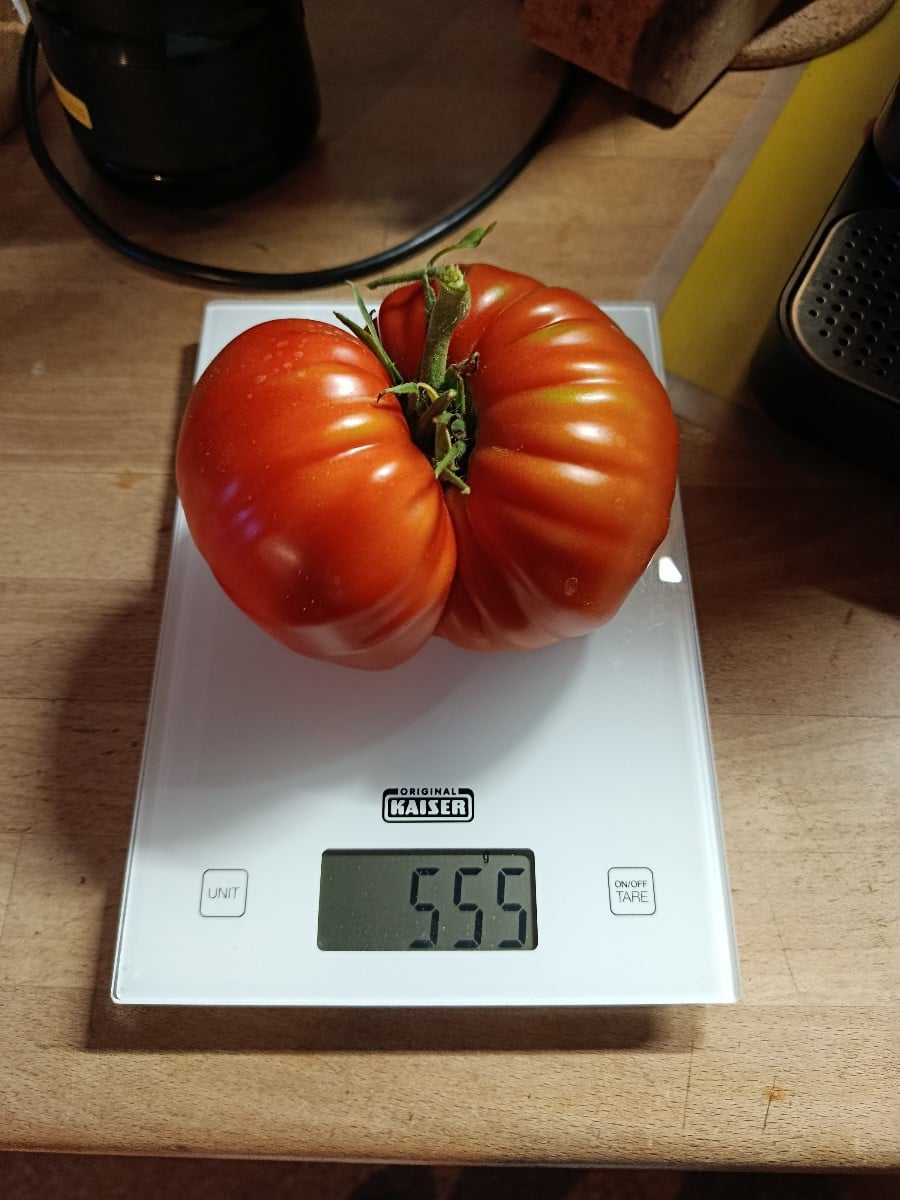
My GWH tomatoes have really kicked it into high gear. I'm thrilled. They're so delicious!
Liked 1 times
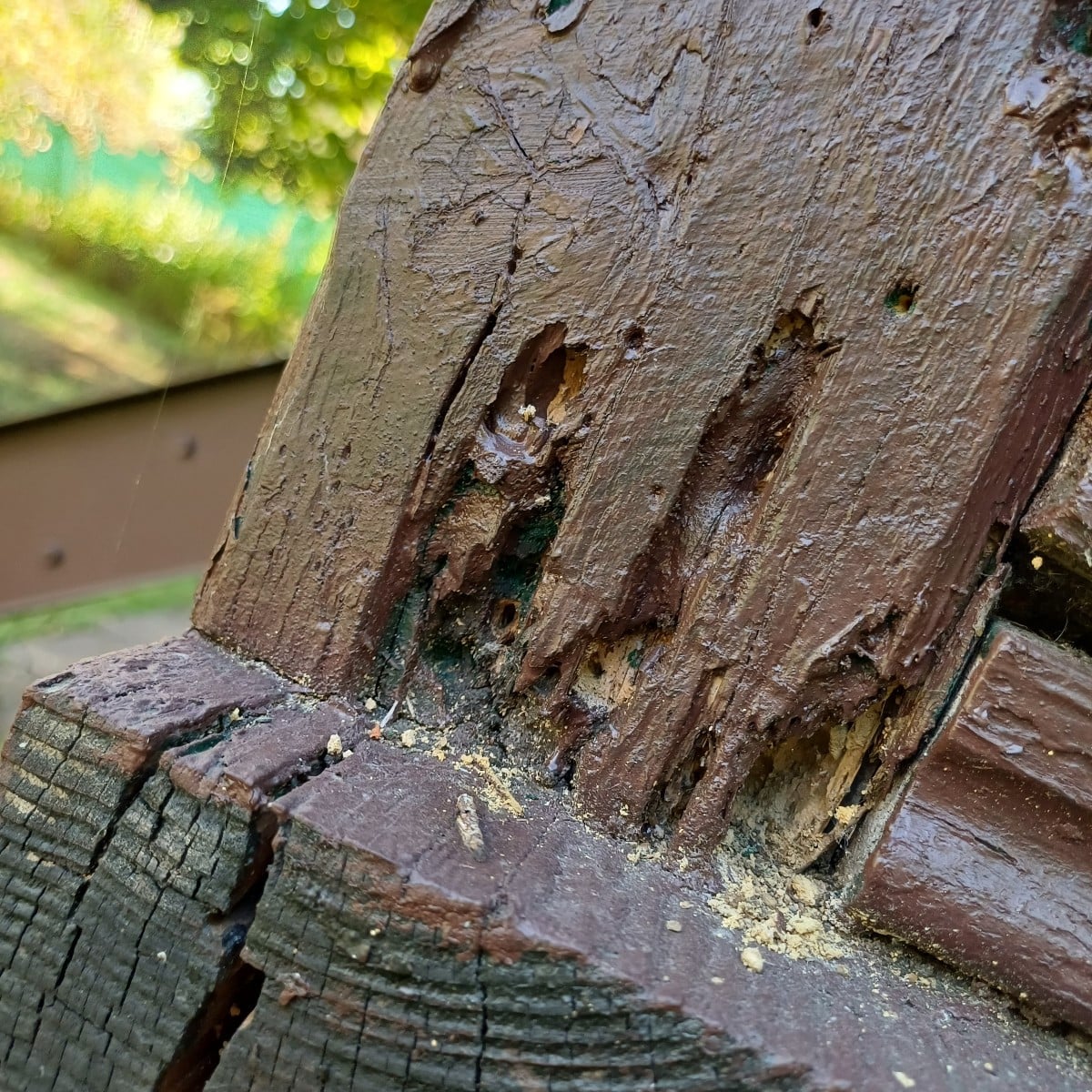
Who's nibbling on my little house? I have holes like this in my arbor—does anyone know what kind of animal might be doing this and what I can do about it?
Show 1 answerLiked 5 times
Who needs a car anyway! Fall is planting season! I ended up going with the red Boskoop after all, and since it’s so pretty, I added two black currants as well. I’m already looking forward to next year!
Show 5 answersPopular Articles

Gardening in March: Preparation & Cultivation

Propagating Peppers/Chillies: How to Grow Them Successfully

Cultivation or Direct Sowing: When and Which Vegetables to Propagate?

Sowing and Propagating Tomatoes: This Is How It Works

Raised Beds: Your Planting Plan for a Year

Plant Lights for Growing and Overwintering Plants

Growing Cucumbers Seedlings in Pots: Tips for Propagation

Pricking Out Vegetable Plants: Tips and Instructions

Growing & Harvesting Rocket: Good & Bad Companion Plants

How to Grow Broccoli: Tips for Cultivation
FAQ
When are sunflowers planted?
Direct seeding in open fields takes place from mid-April through May, once the soil has warmed to about 10°C/50 °F.
When should you plant sunflowers?
Young plants that have been started indoors can be transplanted into the garden bed after the last frost (mid-May), as soon as there is no longer a risk of night frosts.
When should sunflowers be started indoors?
It's best to start growing them indoors or in a greenhouse from March through early April.
How long does it take from sowing to flowering?
Depending on the variety and the weather, it takes between 80 and 120 days for the first flower to bloom.
Do sunflowers germinate in light or in the dark?
Sunflowers are dark-germinating plants. The seeds should be covered with about 2 cm/1 in of soil.