
Collecting Pine, Fir, and Spruce Needles: Making Your Own Pine Soda
We are in the depths of winter, nature is dormant—hardly any plants are growing, and living greenery is rare in the forest. Even in the garden, most plants are hibernating and growing slowly or not at all. With a few exceptions: evergreen conifers retain their needles even in winter, providing us with a green ray of hope. Did you know that fir, spruce, and pine needles are edible and also very healthy? Our ancestors used them in winter as a cold remedy and as a source of vitamin C, which is scarce in our latitudes during the winter months. In this article, you can find out what you can do with the needles and what you need to bear in mind when collecting them.
This Article Contains:
- The Effects of Pine, Spruce, and Fir Needles: Unknown but Powerful Medicinal Plants
- How to Recognize Conifers: Tips for Collecting
- Beware of the Poisonous Yew Tree!
- Recipes and Ideas for Spruce and Pine Needles
- Recipe for Pine Soda: Lemonade From the Forest
- Spruce Tip Confectionery With Chocolate
- Frequently Asked Questions
Quick Overview
Collecting and Using Fir and Spruce Needles
- Which conifers are edible? Fir, spruce, pine, and larch trees have edible needles. However, yew trees are poisonous and should never be used!
- What do fir/spruce needles taste like? Their aroma is resinous and fresh, slightly lemony, spicy, and somewhat bitter.
- What ingredients do the needles contain? They have healing properties due to the essential oils, vitamin C, and secondary plant substances they contain.
Recipe Ideas With Pine, Spruce, and Fir Needles
- You can use the needles fresh, dry them, or blanch them briefly.
- There are then numerous ways to use the needles: tea, fir soda (fermented), syrup, spice, pickling, etc.
The Effects of Pine, Spruce, and Fir Needles: Unknown but Powerful Medicinal Plants
The needles of fir, spruce, and pine trees are valuable companions in winter. Even our ancestors knew that they contain valuable essential oils and, especially the young shoots, also a lot of vitamin C. This makes them a perfect remedy for preventing colds and strengthening the immune system. Even when a cold is setting in, the essential oils help with aching limbs, exhaustion, and loosening mucus. A very interesting study even proved that simply smelling fir needles activates the immune system. This is because the essential oils trigger the release of nitric oxide on the mucous membranes when smelled. Nitric oxide is important for immune defense and can directly destroy pathogens. Incidentally, humming also releases nitric oxide, which is why humming a lot can help with sore throats or the onset of colds in the respiratory tract.
How to Recognize Conifers: Tips for Collecting
Here you will learn how to recognize edible conifers and distinguish them from the poisonous yew tree! Please only pick needles that you have clearly identified. The young, light green shoot tips have the highest content of essential oils and vitamin C and are therefore particularly popular. However, make sure you collect them respectfully and only take moderate amounts. It is better to collect a handful from many different trees than just one tree. It is winter, light is scarce, and the trees do not have many resources to grow.

Pine needles are quite long. Image by Gaz_D on Pixabay.
Pine Needles
Pine needles are quite long. Image by Gaz_D on Pixabay.
Pines (Pinus) are one of the most widespread conifer species in Central Europe. They are easily recognizable by several characteristic features: They have a special bark, also known as mirror bark. This is reddish-brown to gray-brown and peels off the trunk in fine flakes; spruce resin is also often found on the tree. The stiff and quite long needles grow in pairs from a needle sheath. They often grow in a spiral around the branch and are blue-green to silver-gray.

Pine needles have two white lines.
Fir Needles
Pine needles have two white lines.
Fir trees (Abies) are a genus of plants in the pine family (Pinaceae). Fir trees are easily recognizable by their needles. These are shiny dark green and have two distinctive white stripes on the underside of the needle. Unlike pine trees, the needles grow sideways and in two rows on the branch (like a comb). This makes them easy to recognize. Their needles do not prick and when crushed, they give off a resinous, slightly lemony scent. The pine cones grow upright on the branch.

Spruce needles are prickly and have an intense fragrance. Image by Андрей Архипов on Pixabay.
Spruce Needles
Spruce needles are prickly and have an intense fragrance. Image by Андрей Архипов on Pixabay.
Spruce trees (Picea) also belong to the pine family (Pinaceae), but they form their own subfamily, Piceoideae. In Central Europe, the common spruce (Picea abies) is native and widely distributed. Spruce trees are often mistaken for fir trees due to their great similarity. However, there are clear differences, especially in the needles: spruce needles are stiff and pointed, which is why they prick. They grow on all sides around the branch and have a much more intense scent than fir needles. Each needle sits directly on the branch and stands alone. The cones grow hanging downwards and fall to the ground as a whole.
Beware of the Poisonous Yew Tree!

Yews (Taxus) are highly poisonous trees, which can be fatal to adults even in relatively small quantities. This is due to the alkaloids they contain (taxine I and II and the cyanogenic glycoside taxicatin). All parts of the plant are highly toxic with the exception of the red seed coats. The red seed coats are sweet in taste and edible, but the seeds are highly toxic and even one swallowed seed can be life-threatening!
The Yew Tree Can Be Life-Threatening
If ingested orally, consciousness and circulatory disorders set in shortly afterwards, usually followed by death within a few hours due to respiratory paralysis! So please take a close look at what the yew tree looks like and make sure you are harvesting the right conifers. As a rule, yews are easy to recognize. They look similar to fir trees, but have flat and very soft needles. The undersides of the leaves are light green, also with two stripes, but these can be clearly distinguished from those of the fir tree, as the fir tree has really white, narrow stripes and the yew has broad, light green stripes. In autumn, this tree bears its characteristic red fruits. Unlike most other conifers used in the recipes here, the needles of the yew tree have little to no smell when crushed!

Ever Feel Lost in the Garden? Connect With Others!
In the Fryd community, you’ll find friendly and helpful gardeners ready to share ideas, give advice, and celebrate wins (and failures) together. Gardening is just more fun when you’re not doing it alone.
Join the Community NowRecipes and Ideas for Spruce and Pine Needles
We would like to give you some inspiration and ideas for what you can do with the needles. Of course, there are no limits to your creativity, and there are many more possibilities!
Use Pine Needles & Co. Fresh
You can either use the needles fresh and pickle them like gherkins, turn them into a delicious dessert with chocolate, or brew them fresh to make tea. You can also ferment the needles fresh and make a delicious pine or spruce soda. You can find the recipe for this below.
Drying and Processing Spruce Needles & Co.
You can also dry the needles and then use them as a spice or tea, or process them into a syrup. This syrup is also a great remedy for colds and can be used as a cough syrup. When dried, they can be processed into a delicious pine salt, similar to rosemary. To do this, simply crush the needles with a mortar and then mix them with salt.
Spruce Resin Is Good for the Skin!
In addition to the needles, the resin can also be easily collected from the bark, at least in the case of spruce. This resin is great for the skin and also has antibacterial and anti-inflammatory properties. You can use it to make spruce resin ointment. As you can see, there are so many great ways to work with and use these conifers.

Delicious drink with fir and spruce needles.
Recipe for Pine Soda: Lemonade From the Forest
Delicious drink with fir and spruce needles.
This is a particularly simple recipe and you really don't need much. You probably already have most of the ingredients at home. All you need is honey, water, a preserving jar, and two small sprigs of your favorite conifer (fir, pine, or spruce). You can also mix different conifers to experiment and see what you like best. As mentioned earlier, pine has a particularly strong aroma.
Here’s How It Works
- First, mix the water with a tablespoon of honey. Always use a wooden spoon for honey, not a metal one, as metal spoons affect the pH value of the honey and thus its quality and shelf life.
- Then add the twigs of your choice.
- Close the jar and that's it!
- Leave it to stand for three days and your delicious, homemade forest drink is ready. The fermentation process also produces bacteria that are good for the gut and digestion. Great, isn't it?
- Another tip: Fermentation produces carbon dioxide. So if the drink starts to bubble, you've done everything right!

Delicious dessert with spruce tips
Spruce Tip Confectionery With Chocolate
Delicious dessert with spruce tips
A popular and well-known recipe, especially for fresh spruce tips, is to dip them in chocolate. This is a delicious and sweet snack for your immune system. What's more, the combination of the resinous, fresh spruce tips and chocolate is a dream. This recipe is really only suitable for very young shoots, as the older ones are already too woody.
It’s That Easy
All you need is a handful of young spruce tips, chocolate coating of your choice, and baking paper—and you're ready to go! Melt the chocolate coating in a double boiler and dip the spruce tips into the liquid chocolate. Place the finished chocolate tips on the baking paper so that the chocolate can harden.
If you have any questions or comments, please email us at [email protected]. Would you like to receive helpful gardening tips throughout the year and plan your own garden beds optimally? Then register here or download the Fryd app for Android or iOS.
Fryd—your digital garden planner
Sources:
- Bavarian State Institute for Forestry and Forest Management: Medicinal notes on fir - Abies alba MILL.; accessed online on January 15, 2026 at https://www.lwf.bayern.de/mam/cms04/wissenstransfer/dateien/w45_arzneiliche_anmerkungen_zur_tanne.pdf
- MedCrave - International Journal of Complementary and Alternative Medicine (2025): O Christmas tree - does inhaling fresh pine scent for 5 minutes activate nasal NO release? A RCT with "humming" as a control condition; accessed online on January 12, 2026 at https://medcraveonline.com/IJCAM/IJCAM-18-00751.pdf
- CellPress, Volume 54, Issue 12, 2021, pages 2724-2739: Nitric oxide controls proliferation of Leishmania major by inhibiting the recruitment of permissive host cells; accessed online on 10.01.26 at https://doi.org/10.1016/j.immuni.2021.09.021
- European yew – Identification/Recognition (2026); accessed online on 11.01.26 at https://www.pflanzen-vielfalt.net/baeume-straeucher-a-z/baeume-uebersicht-a-k/eibe-europaeische/

Marie
Marie is an agronomist. She is particularly interested in the sustainable and organic cultivation of vegetables and other plants. In her own garden, she gained experience and likes to try things out to learn from nature. She is particularly interested in the values and principles of permaculture, in order to contribute not only to the well-being of nature, but also to the well-being of people and future generations.
Learn MoreCurrent Topics in the Community
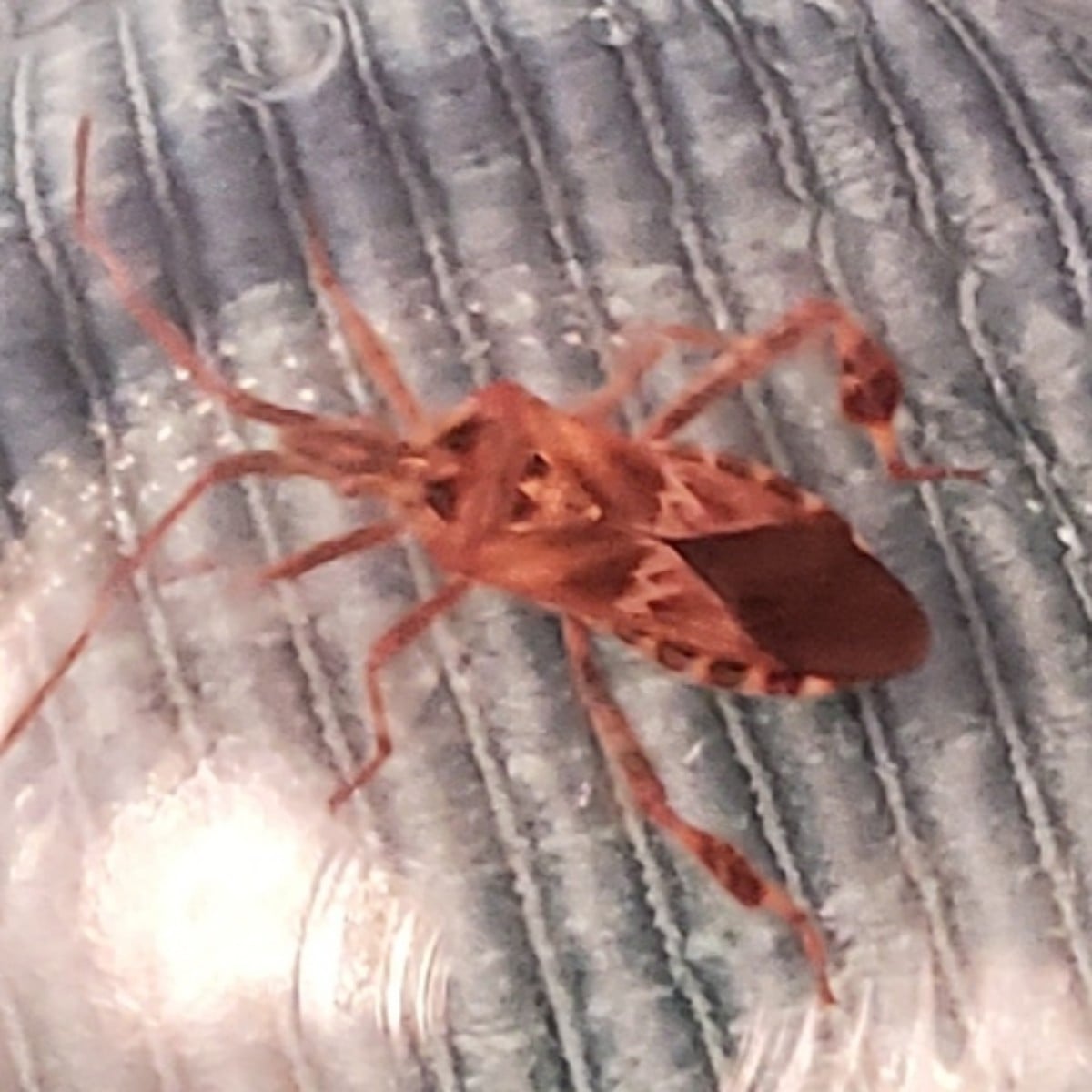
...This American pine or cone bug (Leptoglossus occidentalis) has also noticed that fall is coming! Found in Europe since 1999, it’s yet another import from North America that we really don’t need 🙄. At this time of year, they like to knock on the front door 😳 and ask to be let in so they can spend the winter indoors. Category: Pests! I sent it on its way to Hoek van Holland—maybe it’ll find a friendlier host there 🤷 ...Unfortunately, I don’t have a better photo to share 🤷
Show 1 answer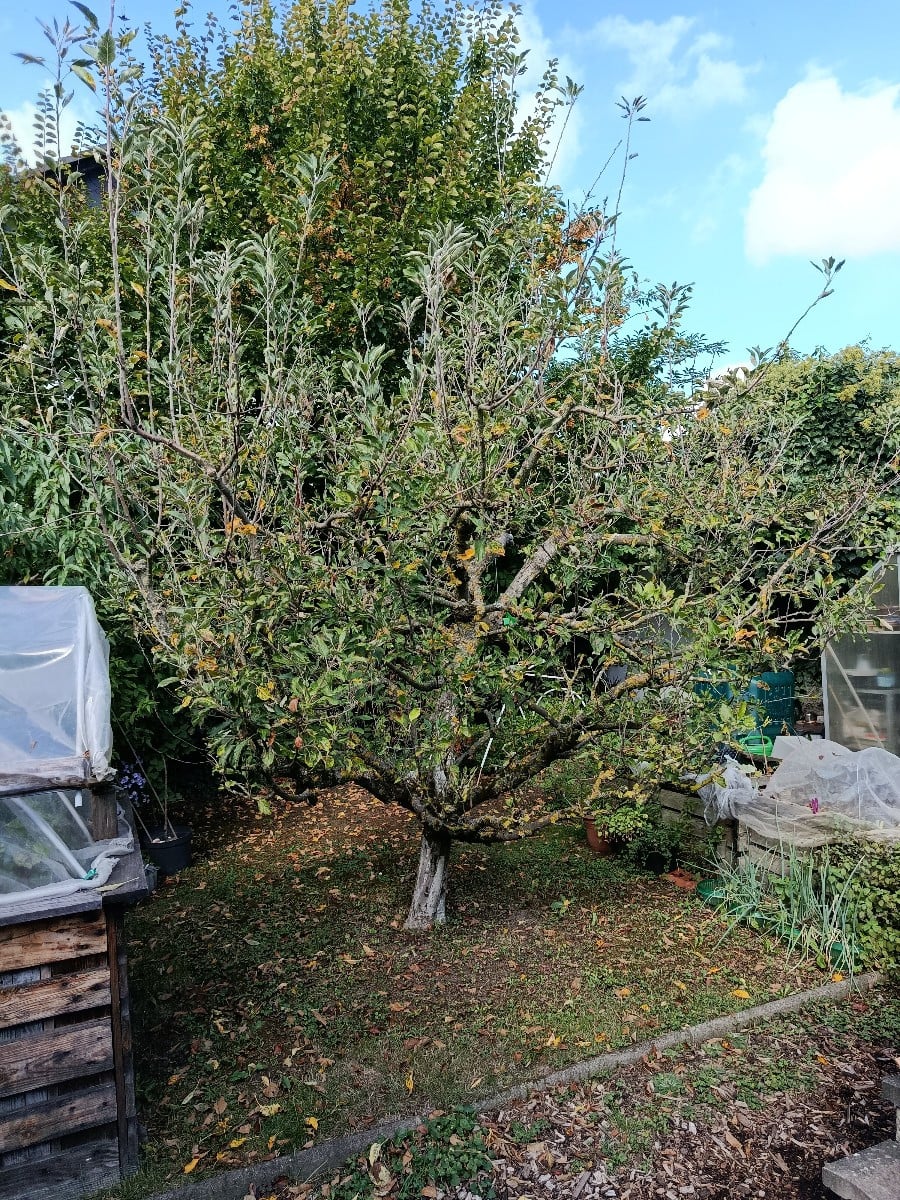
Liked 5 times
Today is a sad day. My Cox Orange was carefully cut down. I tried everything over the years, but nothing worked. Part of the problem was my choice of variety, the wrong location, improper pruning when it was young, and the hot summers. I think letting go is also part of taking responsibility, and it makes room for something new and different. Let yourself be surprised!
Show 2 answers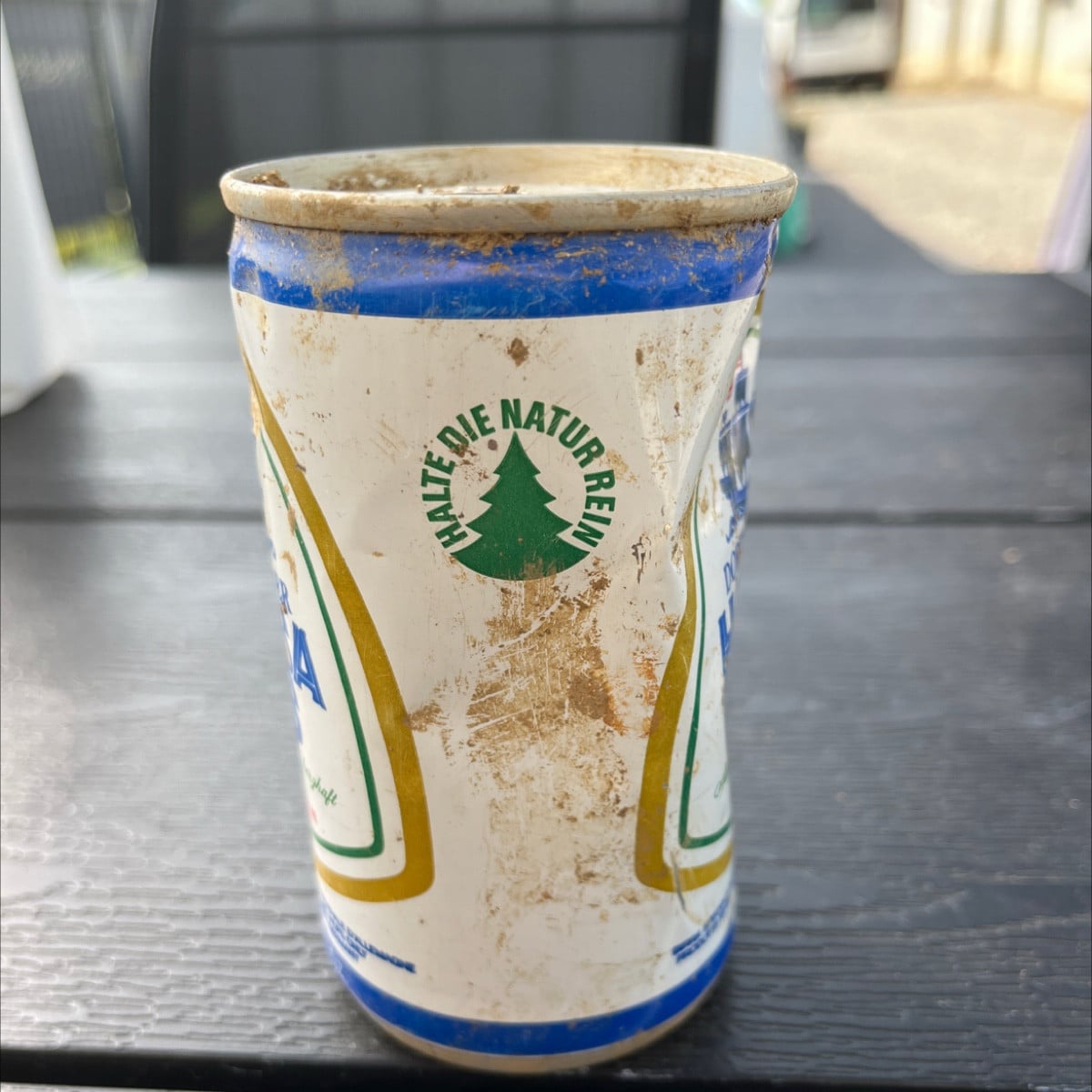
Liked 3 times
Found this today. According to Google, the can was manufactured in the 1980s. It seems the slogan "Keep nature clean" wasn't exactly put into practice.
Show 1 answerPopular Articles

Gardening in March: Preparation & Cultivation

Propagating Peppers/Chillies: How to Grow Them Successfully

Cultivation or Direct Sowing: When and Which Vegetables to Propagate?

Sowing and Propagating Tomatoes: This Is How It Works

Raised Beds: Your Planting Plan for a Year

Plant Lights for Growing and Overwintering Plants

Growing Cucumbers Seedlings in Pots: Tips for Propagation

Pricking Out Vegetable Plants: Tips and Instructions

Growing & Harvesting Rocket: Good & Bad Companion Plants

How to Grow Broccoli: Tips for Cultivation
FAQ
What can you make from fir and spruce needles?
You can use the needles fresh as tea, ferment them (e.g., pine soda), dry them and use them as a spice, or process them into syrup or confectionery.
Are fir, spruce, and pine needles edible?
Yes, needles from fir, spruce, and pine trees are edible and contain valuable essential oils and vitamin C.
How do I make pine soda from needles?
Mix water with honey in a glass, add a few pine needles, close the glass, and let it stand for three days until it bubbles slightly.