
Planning Succession Planting: Heavy Feeders, Moderate Feeders, and Light Feeders
When planning an effective succession planting, there are several factors to consider to prevent soil depletion. Classifying plants into heavy feeders, moderate feeders, and light feeders is key to planning your garden beds throughout the year. In this article, we’ll explain what succession planting is and how you can plan an effective plan for your garden beds. Learn what heavy feeders, moderate feeders, and light feeders are. We’ll also provide you with a table where you can see the nutrient requirements of various crops at a glance.
This Article Contains:
- What Is Succession Planting?
- The Changing Face of European Gardening: Longer Seasons, New Challenges
- Benefits of Succession Planting in the Vegetable Garden
- How to Do a Good Succession Plan
- About Heavy Feeder, Medium Feeder, and Light Feeder
- Succession Planting Chart: List of Heavy, Moderate, and Light Feeders
- Heavy Feeders, Moderate Feeders, Light Feeders: Soil Preparation & Fertilization
- Frequently Asked Questions About Succession Planting
Quick Overview
What Is Succession Planting?
- Rotating different crops in a single garden bed over the course of a year
- The nutrient requirements of the crops play an important role here, and they are classified as heavy feeders, moderate feeders, and light feeders
Effective Succession Planting
- Pre-crop: Moderate or light feeders
- Main crop: Heavy feeders (summer or winter crop)
- Follow-up crop: Moderate or light feeders
- Green manure
Succession Planting & Fertilization
- Heavy feeders: high nutrient requirements; soil preparation and fertilization during the growing season
- Moderate feeders: moderate nutrient requirements; several applications of fertilizer during the season
- Light plants: no additional fertilization
What Is Succession Planting?
Succession Planting refers to the practice of growing different crops on the same plot of land within a single growing season. For example, if you harvest potatoes in the spring and then immediately sow spinach in the same bed, that is succession planting. A well-thought-out plan helps you make the most of your growing space throughout the entire growing season.
With the right planning, it’s entirely possible to harvest fresh vegetables from your own garden almost all year round. Still, nature remains unpredictable: while good planning is the foundation, flexibility is key in gardening. It can always happen that plants grow poorly, get sick, or die. In such cases, even the best planning is of little help—you have to learn to adapt to the circumstances.
In addition to succession planting, you should also aim to make your garden beds as varied as possible over several years. The rotation of different crops over several years is called crop rotation. You can find more information on crop rotation in the vegetable garden here.

The Changing Face of European Gardening: Longer Seasons, New Challenges
Across Central Europe, the growing season traditionally spans from April to November—but its duration has been increasing for decades. While it lasted fewer than 200 days in the 1960s, it rose to over 220 days by the 2010s. In 2024, it reached a record 248 days (Statista, 2025). Similar trends are visible in the United Kingdom, where the growing season has extended by nearly a month compared to the mid-20th century.
While these extra growing days seem encouraging at first glance, they are a direct consequence of climate change. This trend brings a suite of new challenges to the modern gardener:
- Increased Volatility: Heavier rainfall and unpredictable late frosts.
- Environmental Stress: Extreme droughts, resource scarcity (particularly water), and a decline in native pollinator species.
Regional Nuances: From the North Sea to the Mediterranean
While Northern and Central Europe benefit from a longer warmth window, the shift in Southern Europe is more complex. In regions like Spain or Italy, extreme summer heat often causes plant growth to stall in July and August. Gardeners there are increasingly relying on "shoulder seasons"—the early spring and mild autumn—to secure their harvests and avoid the peak summer droughts.
Strategic Planning for a Resilient Garden
Despite these challenges, the current window offers a prime opportunity to cultivate a diverse range of crops. During the peak summer months, conditions are now reliably warm enough for heat-loving favorites like tomatoes, eggplants, squash, and peppers. As these are harvested in the fall, the lengthened autumns in the UK and Central Europe provide a stable window for winter crops—such as kale, leeks, or hardy salads—to establish themselves in your succession plan.
To succeed in this changing environment, precision is key. When designing your vegetable garden, you should carefully coordinate the optimal growing times for each cultivar. By planning with foresight, you can turn the challenges of a longer season into a productive, year-round harvest.
Benefits of Succession Planting in the Vegetable Garden
- Maintaining soil fertility: By strategically alternating between heavy-, moderate-, and light-feeding plants, you prevent the soil from becoming depleted.
- Year-round planting in your beds: If you plan a succession plan for the entire year, your beds will never lie fallow. This promotes soil life while protecting the soil from erosion and compaction.
- Maximizing space utilization: There are no unused gaps before or after a main crop. Especially when combined with mixed cropping, this allows you to make the most of your available space. Learn how to plan mixed cropping in your vegetable garden here.
How to Do a Good Succession Plan
For effective succession planting, alternate between different crops in your beds: follow a moderate- or low-nutrient crop with a high-nutrient main crop. The main crop usually stays in the field the longest. Pre- and post-crops have a shorter growing period and must be adapted to the temperatures. After the sequence of pre-, main, and post-crops, the soil benefits from a break. For this, you can sow a cover crop that covers the soil but does not deplete its nutrients. This improves soil health.

The main crop can be either a summer or winter crop. In our climate, we usually plant a heat-loving main crop like tomatoes or zucchini in our home gardens during the summer and plan around that. To grow your own vegetables year-round, you can also plant winter main crops like cabbage. You can find more information about growing vegetables in winter here. To keep track of everything, it makes sense to note the sowing dates for the different types of vegetables in a calendar. That way, you’ll always know when to start growing seedlings or sowing seeds in the vegetable bed.
Table: Good Preceding and Following Crops in the Garden Bed
| Good preceding crops | Good follow-up crops |
|---|---|
| Field beans | Field beans |
| pea | pea |
| Lamb's lettuce | Lamb's lettuce |
| Herbs | Garlic |
| Kohlrabi | Herbs |
| Swiss chard | Kohlrabi |
| radishes | Swiss chard |
| Arugula | Phacelia |
| radishes | |
| Radish | |
| Arugula | |
| Spinach |
About Heavy Feeder, Medium Feeder, and Light Feeder
These three terms describe a plant’s general nutrient requirements. Of course, the concept of heavy, moderate, and light feeders does not fully capture the needs of individual plants. Many plants have specific requirements regarding the composition of the nutrients they receive from fertilizer. However, the division into these three categories provides a rough overview and also serves as a guide for garden bed planning. Here you will find a table summarizing heavy feeders, moderate feeders, and light feeders.

Succession Planting Chart: List of Heavy, Moderate, and Light Feeders
| Heavy feeder | moderate eater | Power thief | Green manure |
|---|---|---|---|
| eggplant | Flowers such as borage and marigolds | pea | buckwheat |
| Cucumber | Beans | Lamb's lettuce | Lupine |
| Potatoes | Strawberries | Garlic | Oil radish |
| Cabbage, especially head cabbage and leafy cabbage, such as cauliflower and kale | Fennel | Herbs such as basil, savory, dill, and tarragon | Phacelia |
| Pumpkin | Garlic | radishes | Mustard |
| leek | Kohlrabi | Lettuce (some varieties are also mid-season) | vetch |
| Corn | Swiss chard | Beans | |
| Bell pepper | carrots | ||
| Rhubarb | Radish | ||
| Sweet potato | Beets | ||
| Tomato | Arugula | ||
| Zucchini | parsnip | ||
| Celery | |||
| Spinach | |||
| Sunflowers | |||
| Onion |

Plant Knowledge at a Glance
Want to get to know your plants without digging through thick books? In the Fryd Lexicon, you’ll quickly find all the essentials about different plant types and varieties — from sowing, planting, and harvest times to companion planting, location tips, and care advice.
Explore the Lexicon NowHeavy Feeders, Moderate Feeders, Light Feeders: Soil Preparation & Fertilization
Depending on the plant’s nutrient needs, you may need to prepare your garden bed so that enough nutrients are available to the plant throughout the growing season. With the no-dig method, you prepare your garden beds once a year with compost to last the entire season. Alternatively, you can also fertilize your garden beds depending on what you’re planting. Here are some tips on soil preparation and fertilization:
- Heavy feeders require the most nutrients and need a balanced soil environment. For them, simply applying liquid fertilizer a few times during the growing season is usually not enough. To achieve optimal results, you should prepare your heavy-feeder bed before planting the plants. Compost or a green manure crop with nutrient-enriching plants works well for this. You can find out how to improve your garden soil easily and naturally in the related article.
- Moderate feeders are not quite as demanding as heavy feeders and do not require any extra bed preparation. They can, for example, be grown in a bed where heavy feeders were planted the previous year. A few applications of liquid fertilizer spread out over the summer are usually sufficient to help these plants reach their full potential.
- Light feeders are generally defined as plants that have no special requirements regarding soil nutrient content and can thrive with very few nutrients. These plants often require no additional fertilization at all.
If you have any questions or comments, feel free to email us at [email protected]. Want to receive helpful gardening tips all year round and plan your own garden beds perfectly? Then sign up here or download the Fryd app for Android or iOS.
Fryd - Your Digital Garden Planer
Sources
- Statista, 2025: Length of the growing season in Germany, 1961–2024; accessed online on March 30, 2026, at https://de.statista.com/statistik/daten/studie/1240324/umfrage/vegetationsperiode-in-deutschland/

Marie
Marie is an agronomist. She is particularly interested in the sustainable and organic cultivation of vegetables and other plants. In her own garden, she gained experience and likes to try things out to learn from nature. She is particularly interested in the values and principles of permaculture, in order to contribute not only to the well-being of nature, but also to the well-being of people and future generations.
Learn MoreCurrent Topics in the Community
Liked 1 times
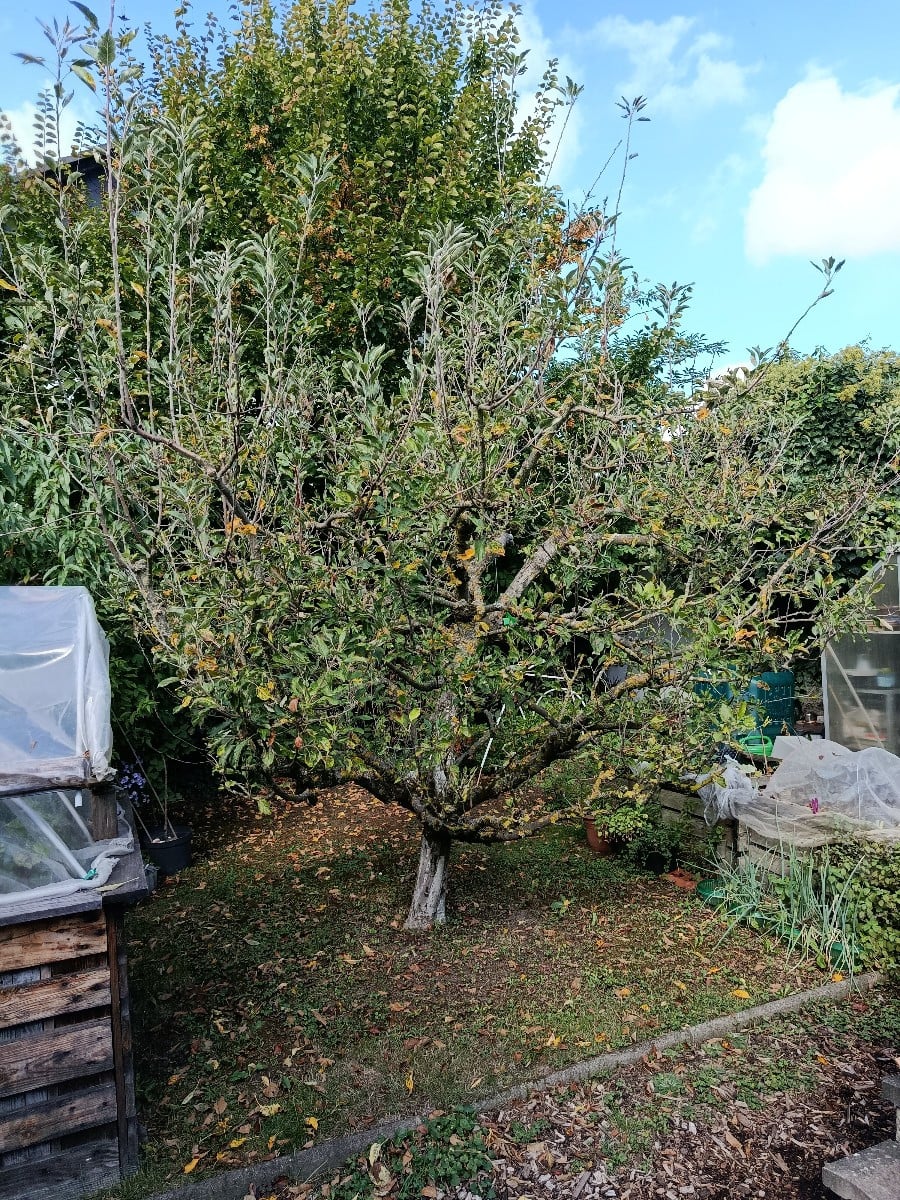
Today is a sad day. My Cox Orange was carefully cut down. I tried everything over the years, but nothing worked. Part of the problem was my choice of variety, the wrong location, improper pruning when it was young, and the hot summers. I think letting go is also part of taking responsibility, and it makes room for something new and different. Let yourself be surprised!
Liked 1 times
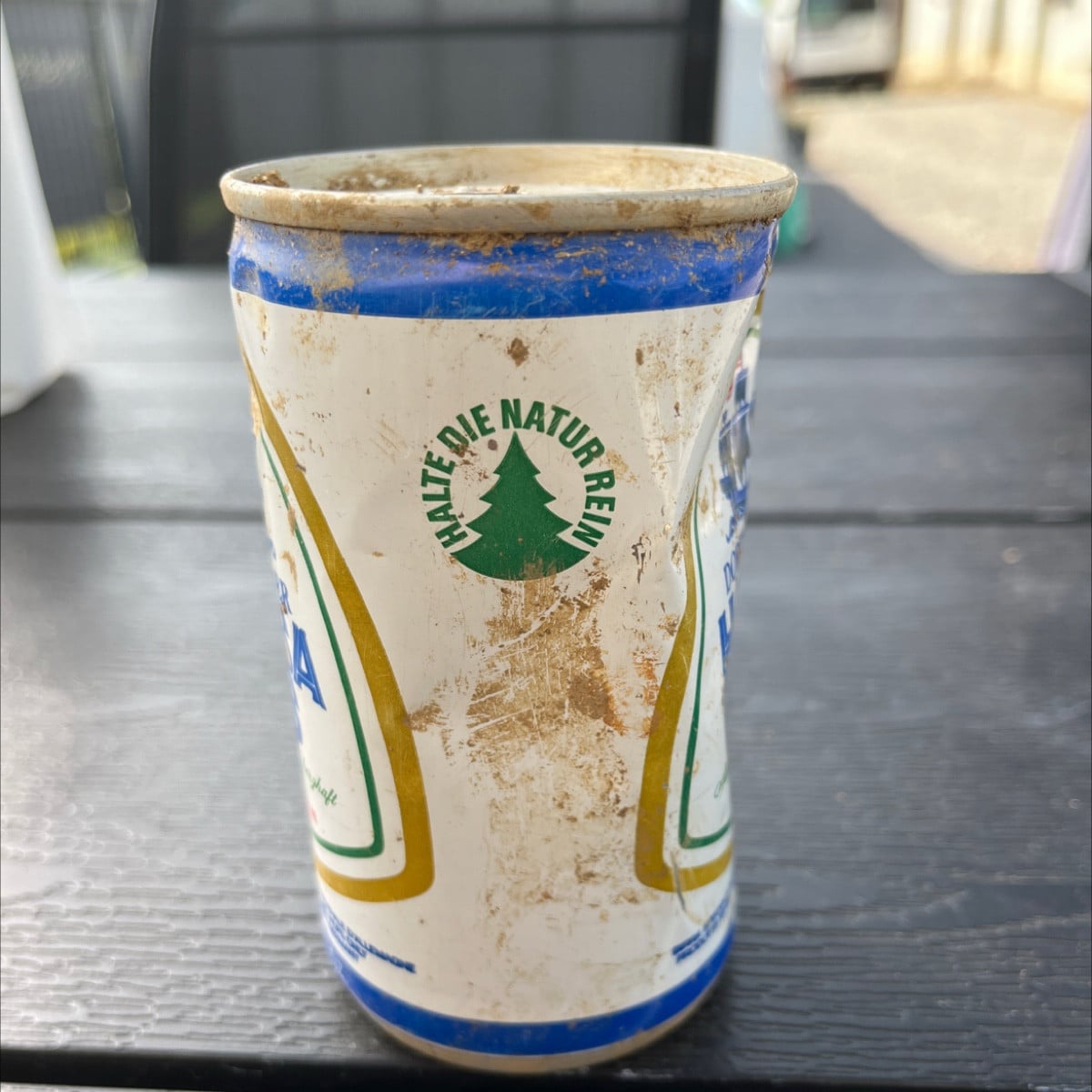
Found this today. According to Google, the can was manufactured in the 1980s. It seems the slogan "Keep nature clean" wasn't exactly put into practice.

Hi, we have pumpkins that are firm and green but sound hollow; they're still on the plant. How can I tell if they're ripe? I tried to upload a photo, but it didn't work....
Popular Articles

Gardening in March: Preparation & Cultivation

Propagating Peppers/Chillies: How to Grow Them Successfully

Cultivation or Direct Sowing: When and Which Vegetables to Propagate?

Sowing and Propagating Tomatoes: This Is How It Works

Raised Beds: Your Planting Plan for a Year

Plant Lights for Growing and Overwintering Plants

Growing Cucumbers Seedlings in Pots: Tips for Propagation

Pricking Out Vegetable Plants: Tips and Instructions

Growing & Harvesting Rocket: Good & Bad Companion Plants

How to Grow Broccoli: Tips for Cultivation
FAQ
What is succession planting in a vegetable garden?
Succession planting is the practice of alternating different crops in a garden bed over the course of a year, based on their nutrient requirements, to prevent the soil from becoming depleted.
Which plants are heavy feeders, moderate feeders, and light feeders?
Heavy feeders are plants with high nutrient requirements, such as cabbage and tomatoes. Moderate feeders have moderate nutrient requirements, and light feeders require only a small amount of nutrients.
How do you plan an effective succession plan?
For effective succession plan in your vegetable garden, plant either a moderate- or low-nutrient crop after a heavy-nutrient crop. Another option is to sow a green manure crop to improve soil fertility.
What role does succession planting play in soil health?
Succession planting prevents your soil from becoming depleted and losing too many nutrients. This helps maintain soil fertility in the long term.