
Building and Filling a Raised Bed: A Guide
With a raised bed, you can garden anywhere and grow your own vegetables, herbs, or flowers. In this article, we’ll explain what you need to keep in mind when building a raised bed. We’ll also explain how to fill your raised bed. With these tips, you’re guaranteed to get a bountiful harvest from your raised bed.
This Article Contains:
- Creating a Raised Bed: Tips for Beginners
- Benefits of a Raised Garden Bed
- How to Build a Raised Bed: A Guide
- Keep Voles Out of Raised Beds
- Drainage: Prevent Waterlogging in Raised Beds
- Wooden Raised Garden Bed: Preventing Moisture in the Wooden Frame
- How to Fill a Raised Bed Properly
- Planting Raised Beds: Companion Planting Ideas & Layouts
- Der Podcast zum Thema
- Frequently Asked Questions About Building a Raised Bed
Quick Overview
Building a Raised Bed - Tips at a Glance
- Choose a location based on the plant: full sun, partial shade, shade
- Use a threaded rod to support the weight of the soil and prevent it from breaking apart
- Protect the wood with dimpled membrane or plastic sheeting and ensure it stands freely so the wood can dry properly
- Drainage is important to prevent waterlogging; if necessary, make holes in the bottom or frame
Filling a Raised Bed - An Overview of the Layers
- Vole screens to protect against unwanted rodents
- Drainage of woody garden waste to prevent waterlogging
- Raw compost and green garden waste as a nutrient reservoir
- Compost and soil to fill the raised bed
- Nutrient-poor, loose soil (e.g., seedling or raised bed topsoil) as a top layer
- Mulch layer to slow down drying out (optional)
Creating a Raised Bed: Tips for Beginners
There are many different types of raised beds and ways to use them. Therefore, it’s a good idea to think about where you want to place the bed and what you want to grow in it before you start building. You should also keep in mind that once a raised bed is in place, it’s difficult to move.
In principle, you can set up a raised bed almost anywhere. This gives you the opportunity to grow food almost anywhere—whether in the garden, on a balcony, or on the roof. Wood, concrete, soil, metal, or plastic—the substrate doesn’t really matter. If you have a nutrient-poor or shallow-soiled spot in your garden, you can set up a raised bed there and thus make use of the area despite its unfavorable characteristics.
Raised Beds: A Great Way to Get Started in Gardening
Thanks to the improved growing conditions they provide, raised beds are particularly well-suited for beginners in the world of gardening, as they offer a better chance of success than traditional garden beds. But even experienced gardeners appreciate the relief from back pain and the chance to get a head start on the season.
Tips for Choosing the Right Location
Ultimately, when choosing the right location, you should consider which types of plants you want to grow in your raised bed and what their needs are (e.g., "sun-loving" or "partial shade").
If you decide on a raised bed with a wooden frame, it’s best to build the bed freestanding if possible. Due to moisture (from rain or watering), the wood tends to rot quickly over time. If you leave some space around your raised bed, air can circulate better, and the frame will dry out faster.

Benefits of a Raised Garden Bed
Raised beds—as the name suggests—are elevated. They usually consist of a wooden or stone frame up to 80–90 cm/31.5 to 35.4 in high, filled with yard clippings, compost, and potting soil. Their elevated position offers many advantages.
- Faster warming: Because it’s elevated, a raised bed warms up much faster than the ground in the spring, as it’s exposed to warm air from all sides. This speeds up germination and allows you to grow heat-loving crops earlier in the year. On the other hand, the soil in a raised bed gets colder than garden soil in the winter.
- Back-friendly gardening: At a height of about 70–80 cm/27.6 to 31.5 in, a raised bed allows you to tend to your plants without having to crawl around on the ground in a hunched position all the time. This is easier on your back and eliminates one of the most unpleasant aspects of gardening.
- Plant protection: Since most weed seeds spread near the soil surface, a raised bed is a highly effective way to protect your plants from competition. Additionally, snails and other pests have much more difficulty reaching your seedlings.
- Cold frame function: Because it warms up faster, your raised bed can serve a dual purpose. In the spring, you can start your seedlings there and later transplant them into regular garden beds. After that, you can use the raised bed again to grow lettuce, herbs, and other vegetables for daily use.


Ever Feel Lost in the Garden? Connect With Others!
In the Fryd community, you’ll find friendly and helpful gardeners ready to share ideas, give advice, and celebrate wins (and failures) together. Gardening is just more fun when you’re not doing it alone.
Join the Community NowHow to Build a Raised Bed: A Guide
- Choose and prepare the location: First, dig a hole 10–15 cm/4-6 in deep in the area where you want to place your raised bed. This provides additional stability and better contact with the ground.
- Build the edging: Now build the edging of your choice, e.g., from wood or stone. Make sure the structure is level so that water doesn’t run off to one side later.
- Fill your raised bed: Once the frame is in place, you can fill your raised bed. You’ll find instructions for this further down in the article.
- Plant your raised bed: Last but not least, it’s time to plant your raised bed. If you need inspiration and help with a planting plan, we’ve prepared a year-round mixed-culture planting plan for raised beds here.
Here Are Some Things to Keep in Mind:
When building a raised garden bed, there are a few things to keep in mind. If overlooked, these can potentially lead to unpleasant surprises down the road. Here are three of the most common pitfalls when building a raised garden bed:
- Voles
- Waterlogging
- Moisture in the wooden frame (applies only to wooden raised beds)
Keep Voles Out of Raised Beds
These dainty little rodents love (as their name suggests) to burrow through the soil. That’s not a problem in itself. But it quickly becomes one when an entire family of voles suddenly decides to move into your newly built raised garden bed. Once there, these cute little rodents will burrow right through your entire bed, eating or damaging the roots of your plants and making a huge mess in the process. In the long run, this stress would spell the end for your plants.
No Chance for Voles
Gardens on the outskirts of town or near fields are particularly prone to this problem. To prevent such chaos from the start, it is therefore advisable to install a vole screen when building a raised bed in your garden. This is placed directly over the topsoil and prevents voles from digging their way up into your raised bed from below. A fine-mesh rabbit or chicken wire, for example, works well for this purpose.

Drainage: Prevent Waterlogging in Raised Beds
When filling a raised bed, it is always a good idea to create a "drainage layer." A layer of logs, branches, or wood chips works well for this purpose. This layer allows excess water to drain into the topsoil more quickly, effectively preventing waterlogging.
No Wet Feet: Essential Drainage for Enclosed Systems
For example, if your raised bed is on the balcony and you line the entire bed with plastic sheeting to keep out dirt, the water in the soil has nowhere to drain. If it rains heavily or you overwater, the excess water can accumulate in the raised bed for an extended period. This waterlogging can be very dangerous for your plants! If their roots no longer get enough air, they will start to rot and die.
Therefore, always make sure to install drainage when building a closed raised bed. To do this, drill holes in the frame or create openings elsewhere through which the water can drain. Additionally, you can attach "drainage pipes" to the holes to channel the runoff water into a container. You can collect this water and use it later for watering, for example.
Wooden Raised Garden Bed: Preventing Moisture in the Wooden Frame
As mentioned above, prolonged moisture can really take a toll on a wooden raised bed frame. Excess water from the bed seeps into the wood and causes it to rot more quickly. In addition to proper drainage and a well-ventilated location, there are other steps you can take to ensure your raised bed lasts as long as possible. For example, you can line the inside of your frame with pond liner. This prevents direct contact between the wooden frame and damp soil. Even better is a so-called dimpled membrane. This is actually intended to protect concrete foundations, but it serves the same purpose for your raised bed. The dimples create small air pockets between the liner and the wood of the frame. This allows the wood to dry out if it gets wet from watering or rain. Additionally, you can seal your raised bed frame with a wood preservative. While this isn’t strictly necessary if you follow all other wood care guidelines, it provides an extra layer of protection.

How to Fill a Raised Bed Properly
Before you fill your raised garden bed, you must first line the box with a liner to protect the wood from rotting. This liner should be waterproof, rot-resistant, and free of harmful substances. Then place a vole screen on the bottom and secure it to the bed frame so that no mice can slip through. Now you can begin the actual filling process.
When filling the raised bed, proceed in layers. The correct order of the layers ensures good drainage, aeration, and nutrient supply. You can find most of the materials for filling in your own garden, but they are also available at hardware stores or building supply stores. You can find detailed instructions on how to properly fill a raised bed here. Here are more tips on the topic, such as how to properly fill a raised bed on your balcony.
At a Glance: 5 Layers in a Raised Bed
- Drainage layer 1: 20 to 30 cm/7.8 to 11.8 in of coarse wood cuttings (branch and shrub waste that does not release toxins)
- Drainage layer 2: 15 to 20 cm/5.9 to 7.8 in in of shredded material (fine prunings or chaff)
- Transition layer: 10 to 15 cm/3.9 to 5.9 in of grass clippings and leaves
- Nutrient layer: 20 cm/7.8 in in coarse compost (less decomposed)
- Planting layer: 30 cm/11.8 in of soil mixed with well-decomposed compost
Planting Raised Beds: Companion Planting Ideas & Layouts
Get inspired: Here are some ideas for your raised bed planting layout.
Der Podcast zum Thema

#58 Hochbeetgärtnern mit Einstueckarbeit
Das Gärtnern im Hochbeet ist bei Gärtner:innen sehr beliebt. Dafür ist ein gutes Maß an Kreativität und Experimentierfreude notwendig. In der heutigen Folge tauchen wir tief in die Welt des Hochbeetgärtnerns ein und entdecken, wie du ein Hochbeet optimal nutzt – egal ob auf dem Balkon, im kleinen Garten oder in einem großzügigen Landgarten. Dafür haben wir heute Deborah und Florian zu Gast, die beide leidenschaftlich gärtnern und wahrscheinlich besser als Einstueckarbeit bekannt sind.
Viel Spaß beim Anhören!
Links zur Folge:
Instagram: @einstueckarbeit
- www.einstueckarbeit.de
Buch: Hochbeet - jetzt durchstarten im LV. Verlag
We hope you now feel well-informed and that nothing stands in your way of building your own raised garden bed. If you have any questions, or if you took a completely different approach to building your raised garden bed and would like to tell us about it, please feel free to email us at [email protected].
Want to get helpful gardening tips all year round and plan your own garden beds perfectly? Then sign up here or download the Fryd app for Android or iOS.
Fryd - Your Digital Garden Planer

Eric
Eric is 23 years old and has been studying agricultural sciences at the University of Hohenheim since 2015. Together with a friend, he has been cultivating an allotment garden in Stuttgart since 2017.
Learn MoreCurrent Topics in the Community
Liked 1 times
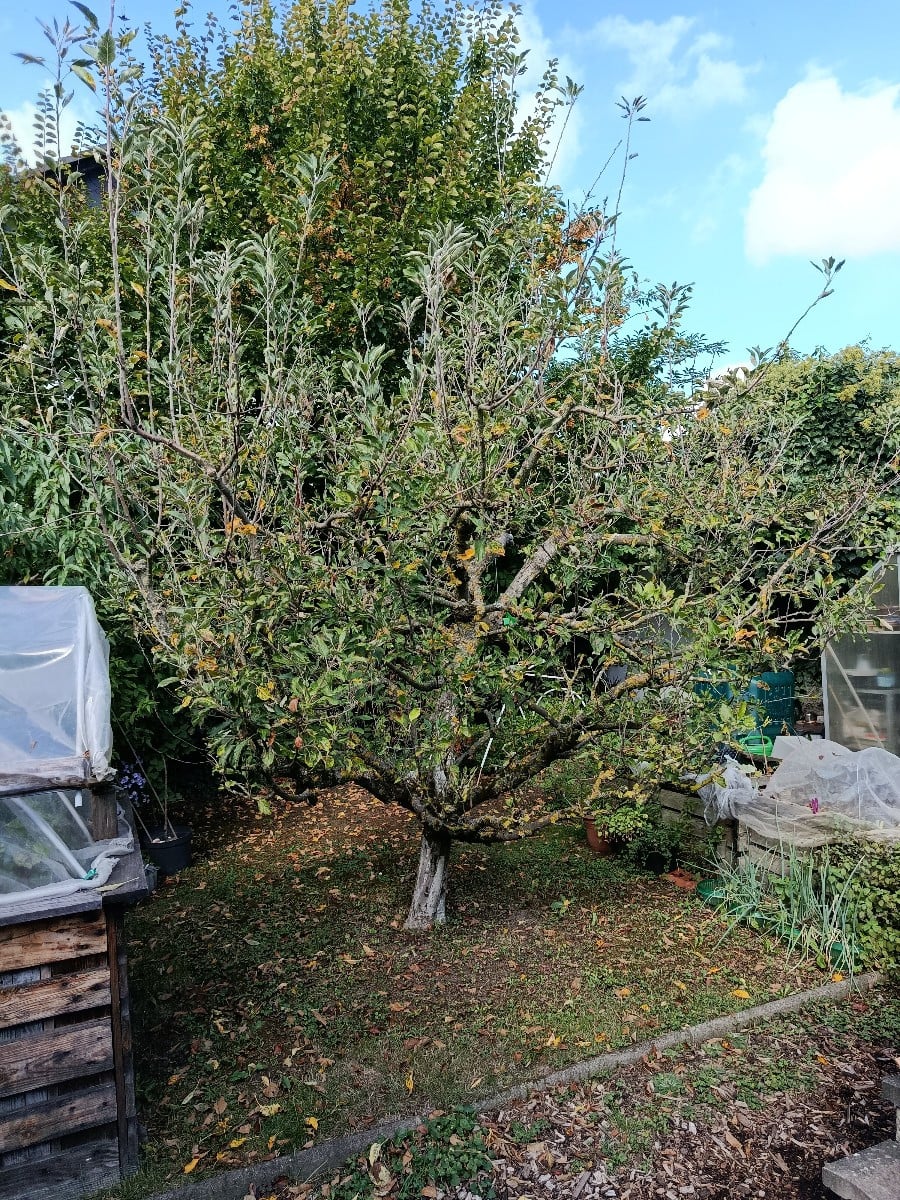
Today is a sad day. My Cox Orange was carefully cut down. I tried everything over the years, but nothing worked. Part of the problem was my choice of variety, the wrong location, improper pruning when it was young, and the hot summers. I think letting go is also part of taking responsibility, and it makes room for something new and different. Let yourself be surprised!
Liked 1 times
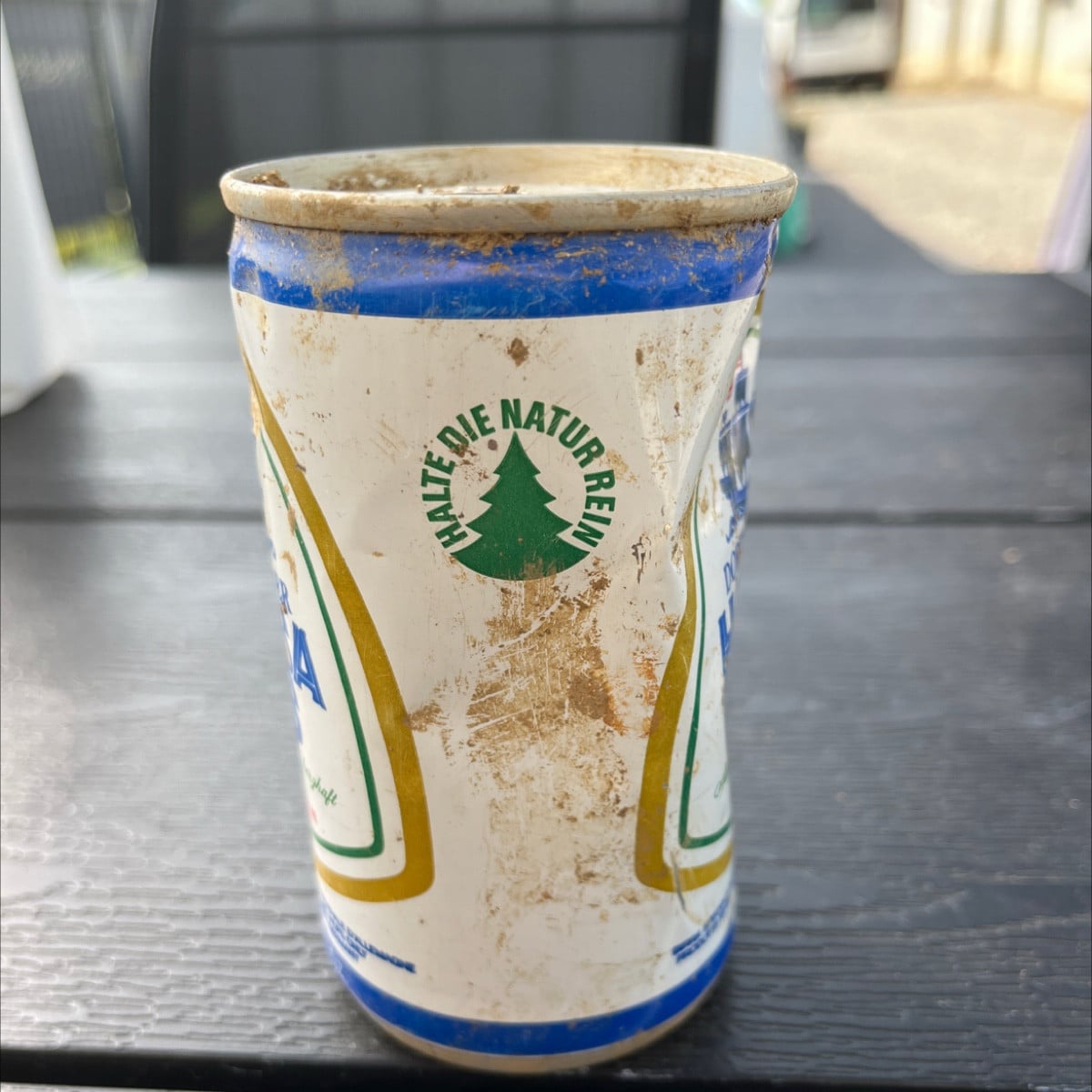
Found this today. According to Google, the can was manufactured in the 1980s. It seems the slogan "Keep nature clean" wasn't exactly put into practice.

Hi, we have pumpkins that are firm and green but sound hollow; they're still on the plant. How can I tell if they're ripe? I tried to upload a photo, but it didn't work....
Popular Articles

Gardening in March: Preparation & Cultivation

Propagating Peppers/Chillies: How to Grow Them Successfully

Cultivation or Direct Sowing: When and Which Vegetables to Propagate?

Sowing and Propagating Tomatoes: This Is How It Works

Raised Beds: Your Planting Plan for a Year

Plant Lights for Growing and Overwintering Plants

Growing Cucumbers Seedlings in Pots: Tips for Propagation

Pricking Out Vegetable Plants: Tips and Instructions

Growing & Harvesting Rocket: Good & Bad Companion Plants

How to Grow Broccoli: Tips for Cultivation
FAQ
What are the benefits of a raised garden bed?
A raised bed warms up faster, is easier on the back, and provides natural protection against weeds and pests.
What materials do you need to build a raised garden bed?
Wood, stone, metal, or plastic can be used for construction; a vole screen is also recommended.
How do you properly fill a raised bed?
The bed is filled in layers: coarse wood chips, shredded material, grass clippings and leaves, coarse compost, and finally a layer of soil and well-decomposed compost.
How do you protect a raised bed from voles and waterlogging?
A vole barrier on the ground and good drainage help prevent these problems.