Garden Guide
Garden Guide for Christchurch, Canterbury
Christchurch sits in climate zone 9b, enjoying a temperate climate with warm summers and mild winters. The soils here are often fertile, ranging from loamy to sandy, but they can also dry out quickly, so regular watering is a must. Being close to the coast means moderate temperatures, but also some winds, which might mean you'll need to give your more delicate plants a bit of shelter.
In Christchurch, nestled in climate zone 9b, your best bet for planting is after the last frost, usually around mid-August. You can sow garden lettuce from September right through to February, and Swiss chard from September to November. For those frost-tender plants like tomatoes and zucchini, get them started indoors, then transplant them out in November to really soak up those warm summer months.
Also applies to: Ashburton, Rangiora, Kaiapoi, Rolleston, Lincoln, Darfield
Plan your Christchurch garden in the Fryd appPlanting Calendar
When to start indoors, sow outdoors, and harvest in Christchurch.
| Crop | Jan | Feb | Mar | Apr | May | Jun | Jul | Aug | Sep | Oct | Nov | Dec |
|---|---|---|---|---|---|---|---|---|---|---|---|---|
| Tomato (Bush tomato) ●●● ●●○ ●●● | |
|
|
|
|
|
|
|
|
|
||
| Tomato (Cocktail bush tomato) ●●● ●●○ ●●● | |
|
|
|
|
|
|
|
|
|
||
| Pepper / Paprika ●●● ●●○ ●●● | |
|
|
|
|
|
|
|
|
|
||
| Cucumber / Gherkin ●●● ●●○ ●●● | |
|
|
|
|
|
|
|
|
|||
| Courgette / Zucchini ●●● ●●● ●●● | |
|
|
|
|
|
|
|
|
|||
| Bean (Dwarf bean) ●●● ●●○ ●○○ | |
|
|
|
|
|
|
|
|
|||
| Bean (Runner bean) ●●● ●●○ ●○○ | |
|
|
|
|
|
|
|
|
|||
| Strawberry ●●● ●●○ ●●● | |
|
|
|
|
|
|
|
|
|
|
|
| Carrots ●●● ●●○ ●○○ | |
|
|
|
|
|
|
|
|
|
|
|
| Lettuce (Lettuce) ●●○ ●●○ ●●○ | |
|
|
|
|
|
|
|
|
|
|
|
| Radishes ●●● ●●○ ●○○ | |
|
|
|
|
|
|
|
|
|
||
| Onion ●●● ●●○ ●●○ | |
|
|
|
|
|
|
|
|
|||
| Garlic ●●● ●●○ ●○○ | |
|
|
|
|
|||||||
| Basil ●●● ●●○ ●●● | |
|
|
|
|
|
|
|
|
|
||
| Chard ●●○ ●●○ ●●○ | |
|
|
|
|
|
|
|
|
|
|
|
| Spinach (Summer) ●○○ ●●● ●●○ | |
|
|
|
|
|
|
|||||
| Beetroot ●●● ●●○ ●●○ | |
|
|
|
|
|
|
|
|
|||
| Leeks ●●○ ●●○ ●●● | |
|
|
|
|
|
|
|
||||
| Aubergine / Eggplant ●●● ●●● ●●● | |
|
|
|
|
|
|
|
|
|||
| Chili ●●● ●●○ ●●● | |
|
|
|
|
|
|
|
|
|
|
Planting Calendar Christchurch
- Tomato (Bush tomato): Start indoors Aug - Sep, Sowing Oct - Nov, Harvest Jan - Dec (Light: high, Water: medium, Nutrients: high)
- Tomato (Cocktail bush tomato): Start indoors Aug - Sep, Sowing Oct - Nov, Harvest Jan - Dec (Light: high, Water: medium, Nutrients: high)
- Pepper / Paprika: Start indoors Jul - Aug, Sowing Oct - Nov, Harvest Jan - Dec (Light: high, Water: medium, Nutrients: high)
- Cucumber / Gherkin: Start indoors Sep - Oct, Sowing Oct - Nov, Harvest Jan - Dec (Light: high, Water: medium, Nutrients: high)
- Courgette / Zucchini: Start indoors Sep - Oct, Sowing Oct - Nov, Harvest Jan - Dec (Light: high, Water: high, Nutrients: high)
- Bean (Dwarf bean): Start indoors Sep - Oct, Sowing Oct - Dec, Harvest Jan - Dec (Light: high, Water: medium, Nutrients: low)
- Bean (Runner bean): Start indoors Sep - Oct, Sowing Oct - Dec, Harvest Jan - Dec (Light: high, Water: medium, Nutrients: low)
- Strawberry: Start indoors Jul - Oct, Sowing Aug - Nov, Harvest Jan - Dec (Light: high, Water: medium, Nutrients: high)
- Carrots: Sowing Aug - Nov, Harvest Jan - Dec (Light: high, Water: medium, Nutrients: low)
- Lettuce (Lettuce): Start indoors Jan - Dec, Sowing Jan - Dec, Harvest Jan - Dec (Light: medium, Water: medium, Nutrients: medium)
- Radishes: Sowing Jan - Dec, Harvest Jan - Dec (Light: high, Water: medium, Nutrients: low)
- Onion: Start indoors Jun - Jul, Sowing Aug - Sep, Harvest Jan - Dec (Light: high, Water: medium, Nutrients: medium)
- Garlic: Sowing Feb - Apr, Harvest Jan - Dec (Light: high, Water: medium, Nutrients: low)
- Basil: Start indoors Aug - Dec, Sowing Oct - Dec, Harvest Jan - Dec (Light: high, Water: medium, Nutrients: high)
- Chard: Start indoors Jun - Sep, Sowing Sep - Nov, Harvest Jan - Dec (Light: medium, Water: medium, Nutrients: medium)
- Spinach (Summer): Sowing Aug - Oct, Harvest Jan - Dec (Light: low, Water: high, Nutrients: medium)
- Beetroot: Start indoors Sep, Sowing Sep - Dec, Harvest Jan - Dec (Light: high, Water: medium, Nutrients: medium)
- Leeks: Start indoors Aug - Sep, Sowing Sep - Oct, Harvest Mar - Jul (Light: medium, Water: medium, Nutrients: high)
- Aubergine / Eggplant: Start indoors Aug - Oct, Sowing Oct - Nov, Harvest Jan - Dec (Light: high, Water: high, Nutrients: high)
- Chili: Start indoors Jun - Aug, Sowing Oct - Dec, Harvest Jan - Dec (Light: high, Water: medium, Nutrients: high)
Based on Fryd planting data for Zone 9b, 2026.
Companion Planting for Christchurch
Plants that thrive together in Canterbury.
Some plants grow better side by side: they keep pests away, improve the soil or make the most of the space. More on companion planting →
 +
+

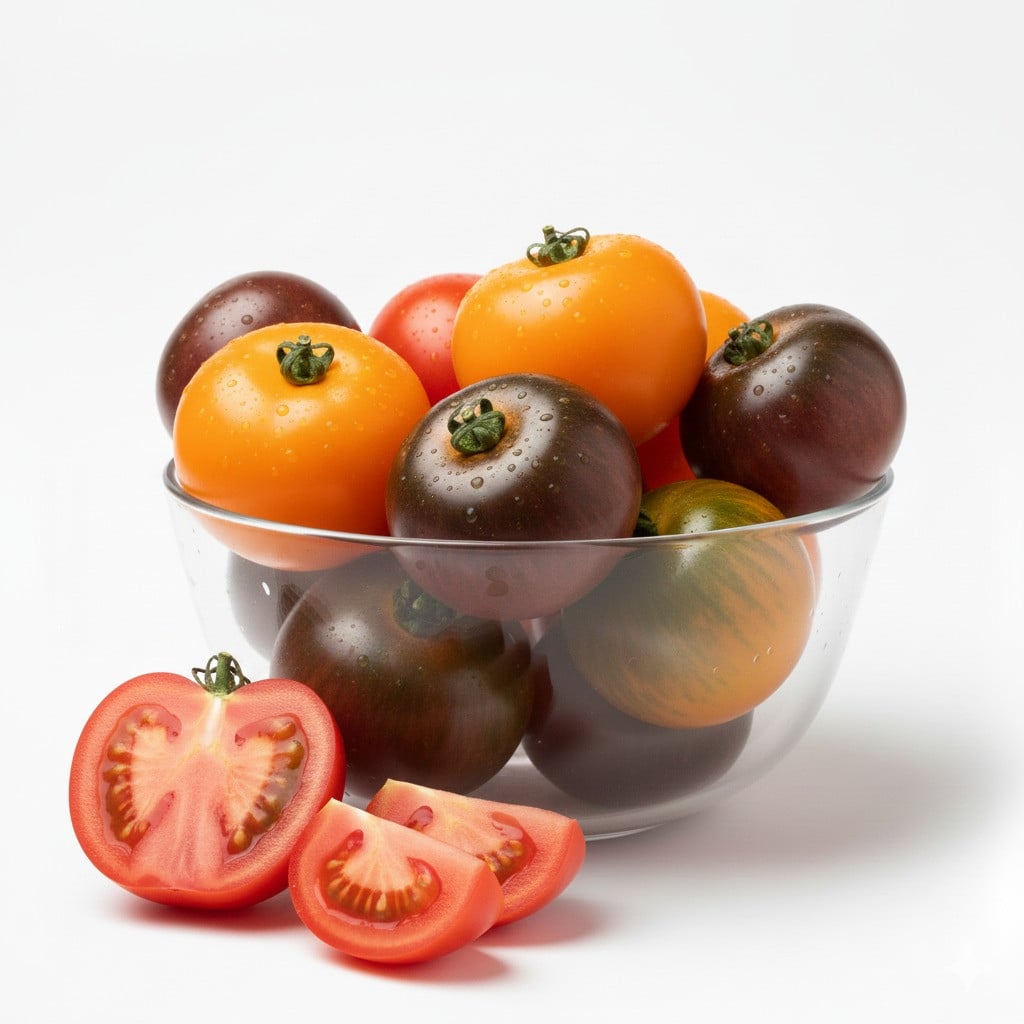
Tomato (Bush tomato) + Carrots
Carrots loosen the soil and act like a drainage system, which is good for tomatoes, as you don't like waterlogging.
 +
+
Tomato (Cocktail bush tomato) + Onion
Onions keep whiteflies and voles away from tomatoes, and you have different root depths, which avoids nutrient competition.
 +
+
Pepper / Paprika + Cucumber / Gherkin
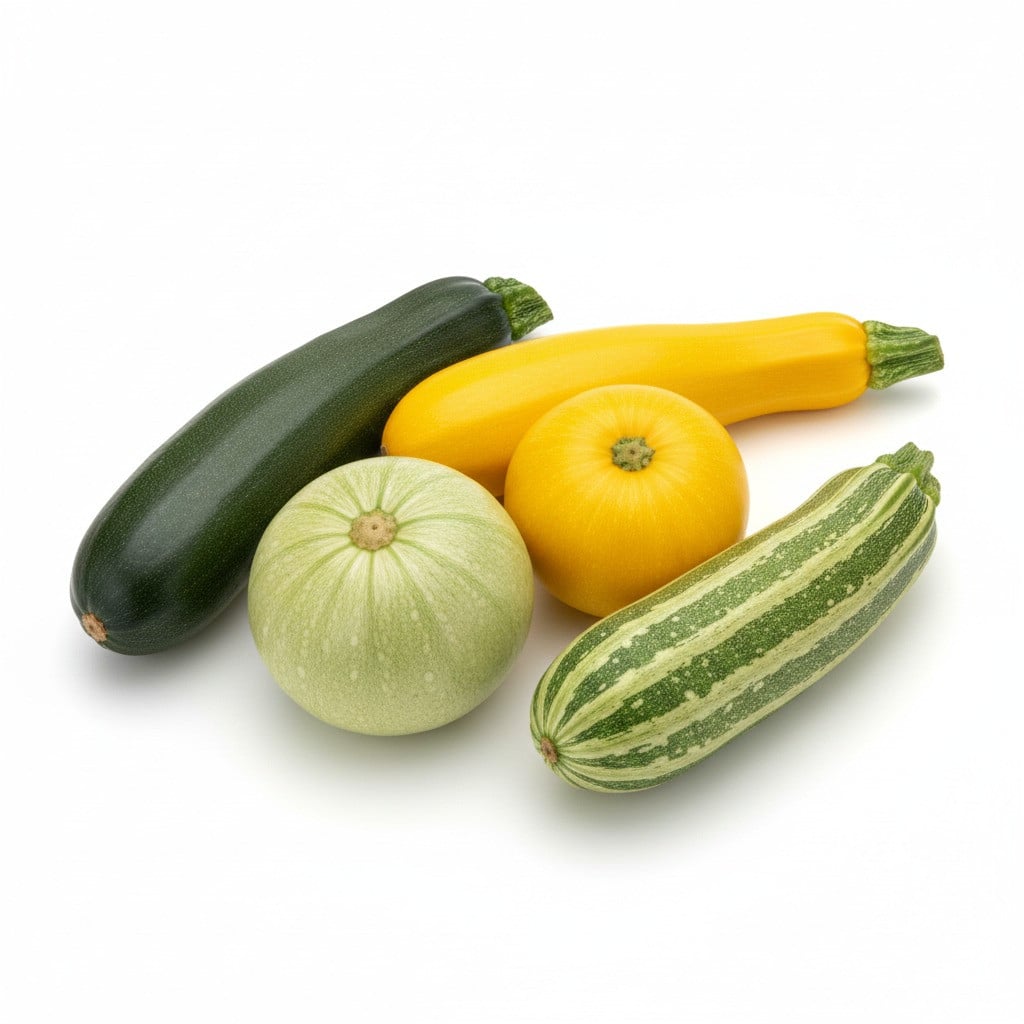
Your peppers and cucumbers have similar demands for light, water, and nutrients, and they thrive well in high humidity.
 +
+
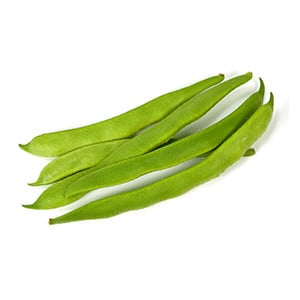
Courgette / Zucchini + Bean (Runner bean)
Your pole beans fix nitrogen in the soil, which benefits zucchini and keeps the soil from getting depleted.
 +
+

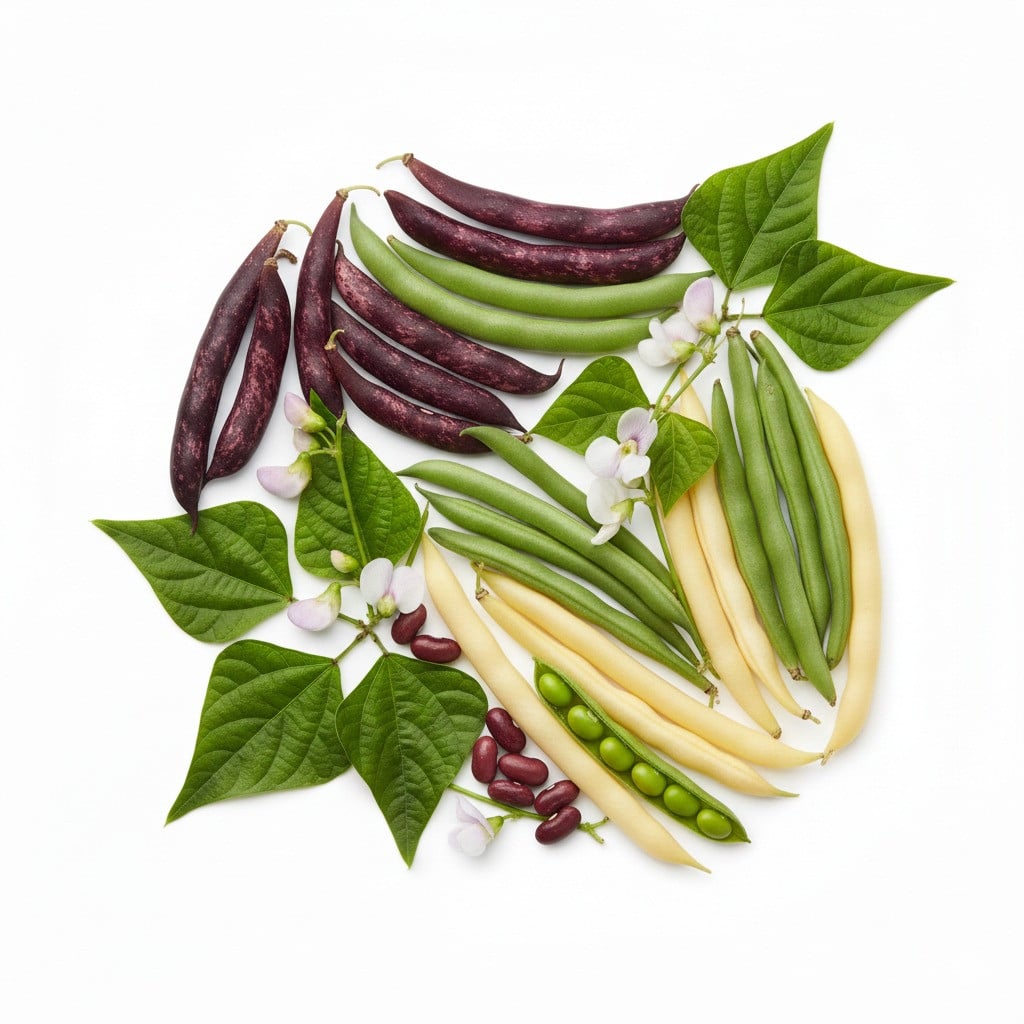
Bean (Dwarf bean) + Strawberry
Strawberries and bush beans complement each other well in growth habit and root depth, making you good garden bed neighbors.
Plan companions visually
Drag and drop crops in the Fryd bed planner to see companion matches.
Try Fryd →Growing Tips for Christchurch
Get a Head Start with Seed Starting
Lots of crops, like garden lettuce (start indoors August to January) and Swiss chard (start indoors July to September), really benefit from getting a head start indoors. This way, you can get your plants established before the chilliest months hit, leading to an earlier harvest. Just make sure to use a fine seed-starting mix and gently press those seeds in.
Consistent Moisture is Key
Plants like radishes and summer spinach really need consistent watering to thrive and prevent them from getting woody. Especially with fast-growing crops, it's super important to keep the soil evenly moist, but never soggy. Adding a layer of mulch can be a real game-changer for keeping that precious moisture in the soil.
Sunny Spots for Heat-Loving Plants
Many veggies, like onions, carrots, and tomatoes, absolutely love a spot that gets full sun, is nice and warm, and sheltered from the wind. Make sure your soil is loose and rich in humus, as this helps it soak up and retain all that lovely light and warmth. You'll be rewarded with strong growth and a fantastic harvest!
Nutrient-Rich Soil for Heavy Feeders
Heavy feeders like leeks, strawberries, garden squash (zucchini), and eggplants really need deep, nutrient-rich soil to truly shine. Getting your soil ready with plenty of compost or organic fertilizer before planting is super important for these guys. And don't forget to give them a little extra feed regularly throughout their growing season to keep them happy and healthy!
Common Pests & Diseases
Aphids on Young Shoots
Aphids can be a real nuisance on young shoots and leaves of lettuce, spinach, and other plants. For a mild infestation, try spraying your plants with a simple soapy water solution, or even better, introduce some beneficial insects like ladybug larvae. Regular check-ups will help you spot any serious outbreaks early on.
Slug Damage on Young Plants
Slugs are a common garden pest, especially fond of young radishes, Swiss chard, and lettuce. Make it a habit to pick them off regularly, set up some slug traps, or protect your garden beds with slug fences. You can also try creating a barrier with sawdust or crushed eggshells – they don't like crossing those!
Powdery Mildew on Cucumbers and Squash
Powdery mildew often shows up as a white, dusty coating on the leaves of cucumbers and zucchini, especially when the weather is warm and humid. Snip off any affected leaves right away and make sure your plants have good air circulation. A spray of milk and water can also work wonders as a preventative and to help fight off the fungus.
Root Maggots in Carrots and Onions
Root maggots can really damage carrots and onions, as their larvae munch away at the roots. Protect your garden beds with a fine-mesh insect netting to stop the adult flies from laying their eggs. Companion planting with parsley or marigolds can also help deter them.
Frequently Asked Questions
When should I plant tomatoes in Christchurch?
Tomatoes are pretty sensitive to frost, so in Christchurch, you'll want to wait until after the last frost in mid-August before planting them outdoors. Ideally, start your seeds indoors from August to September, then transplant them out into the garden in November. You can then look forward to harvesting your delicious tomatoes from December right through to May!
What climate zone is Christchurch in, and what does that mean for my garden?
Christchurch is in climate zone 9b. This is great news, as it means you can expect mild winters and lovely warm summers! Many plants that might struggle in colder zones will do really well here, but remember that frost-sensitive crops will still need protection from those last frosts in August.
Which vegetables grow best in Christchurch?
Lots of vegetables absolutely thrive in Christchurch! Cold-hardy plants like garden lettuce, spinach, Swiss chard, and radishes can be grown almost year-round. And for those heat-loving crops like tomatoes, zucchini, eggplants, and beans, they'll really soak up the warm summer months and give you fantastic, abundant harvests.
When is the last frost in Christchurch?
The last frost in Christchurch usually happens around mid-August. This is a really important date for your garden planning, as you'll want to make sure all your frost-sensitive plants are safely planted outdoors only after this time to avoid any damage.