
How to Store Potatoes Properly: Here's How
Once you've harvested your potatoes, the healthy tubers need to be stored properly so you can enjoy your harvest for a long time. You can read here about what to keep in mind when storing potatoes. Here you'll find tips on how to store potatoes without a cellar, and whether it's a good idea to store your potatoes in the refrigerator.
This Article Contains:
Quick Overview
How Do You Store Potatoes?
- After harvesting, roughly remove any remaining soil. Don't wash them yet; wait until right before you prepare them.
- First, sort out all the damaged tubers.
- Let the potatoes dry thoroughly.
The Ideal Storage Location
- Dark, cool, and dry, with temperatures around 5 °C/41 °F, e.g., in a basement
- Higher humidity and good air circulation
- Storing potatoes without a cellar: possible in so-called potato piles insulated with straw, even on the balcony, in the garage, or in the pantry; alternatively, in earth mounds
- Storing potatoes in the refrigerator: best avoided, as the humidity is too high and the temperatures are too low
Storing Potatoes: Here's How
- First, sort out all damaged tubers. Potatoes with bruises or green or brown spots cannot be stored and should be eaten right away.
- To improve storage life, wait to harvest the potatoes until the foliage has completely died back. To allow the potatoes to develop a thick skin, the best time to harvest is two to three weeks after that.
- After harvesting, roughly remove any remaining soil. Do not wash them; this should only be done immediately before preparation. Otherwise, there is an increased risk that your potatoes will rot or mold. Also, let the potatoes dry thoroughly before storing them.
How and Where Should I Store Potatoes Properly?
About five to nine weeks after harvest, the potatoes’ natural sprouting inhibition begins to wear off, and they may start to sprout again. For this reason, they should be stored in a cool, dark place starting at this point.
The Right Storage Location:
- unheated
- frost-free
- Temperatures around 5 °C/41 °F
- higher humidity
- good air circulation
- Basement or cool storage room
At the location of your choice, place the potatoes in dry (wooden) crates lined with straw. These so-called potato crates protect the tubers from significant temperature fluctuations. It is important that the potatoes are kept in complete darkness, as light promotes the formation of the toxin solanine, which causes green spots to appear on the potatoes. If in doubt, cover the crates with a breathable, dark fabric. If green spots do appear on the stored potatoes, they should be thoroughly removed before use!


Plant Knowledge at a Glance
Want to get to know your plants without digging through thick books? In the Fryd Lexicon, you’ll quickly find all the essentials about different plant types and varieties — from sowing, planting, and harvest times to companion planting, location tips, and care advice.
Explore the Lexicon NowStoring Potatoes Without a Cellar
- If necessary, a garage or a sheltered, dark corner of the balcony or patio can also serve as a potato storage area. However, you should make sure the potatoes don’t freeze during severe frosts. Pack the potatoes into a well-insulated potato bin. To cushion the sharp temperature fluctuations, you should use plenty of straw as insulation.
- Another option is the pantry. This is usually a bit cooler than the rest of the house. There, the potatoes aren’t exposed to as many temperature fluctuations as they would be outside. Here, it’s important to protect the potatoes well from light, e.g., with a burlap sack.
- Earth mounds are another traditional way to store potatoes. These are underground potato storage pits that provide optimal storage conditions for potatoes. You can read here how to build an earth mound yourself.
Storing Potatoes in the Refrigerator
Storing potatoes in the fridge isn't a good idea! The humidity is usually too high in there, and the potatoes will start to mold. Plus, the temperatures are too low, and the potatoes will lose their flavor and texture. That's why you should only store potatoes in the fridge as a last resort—and only for a short time.
How Long Can Potatoes Be Stored?
When stored properly (in a dry, dark, cool place), potatoes will keep for several months. So until new potatoes are available the following year, you can rely on your stored potatoes without any worries. Only new potatoes cannot be stored: their skin is very thin and therefore prone to rotting. You can read more about potato varieties, including early and late potatoes, in this article.
- Don’t store them for more than two weeks. If your potatoes do develop small sprouts, you can remove them along with the skin and use the potato as usual. Only once the sprouts have reached a length of 5 cm should the potatoes no longer be used.

Storing Potatoes
Potatoes are usually stored unprocessed. If you run out of space in your basement or earth cellars, you can also freeze them. You can also preserve your potato harvest by canning it; you can find more information on this in the article: Preserving Fruits and Vegetables.
Freezing Cooked Potatoes
As mentioned earlier, potatoes are very sensitive to cold, as even a light frost can damage their cells and cause them to start rotting. Additionally, frost converts the starch in potatoes into sugar. For this reason, you should only freeze potatoes that have already been cooked. However, most of the typical potato flavor is lost in the process. Do not overcook the potatoes. Cut the potato into smaller pieces and peel them. Frozen slices work particularly well for gratins. Let the potatoes cool before freezing. When it comes to shelf life, frozen potato dishes last about three months, while cooked potatoes last about 12 months. It’s best to thaw the frozen potatoes overnight in the refrigerator.
I hope I've been able to answer your questions about storing potatoes. If you have any questions or comments, please feel free to email us at [email protected].
Want to get helpful gardening tips all year round and plan your own garden beds perfectly? Then sign up here or download the Fryd app for Android or iOS.
Fryd - Your Digital Garden Planer
Cover image by Manfred Richter on Pixabay.

Marie
Marie is an agronomist. She is particularly interested in the sustainable and organic cultivation of vegetables and other plants. In her own garden, she gained experience and likes to try things out to learn from nature. She is particularly interested in the values and principles of permaculture, in order to contribute not only to the well-being of nature, but also to the well-being of people and future generations.
Learn MoreCurrent Topics in the Community
Liked 1 times
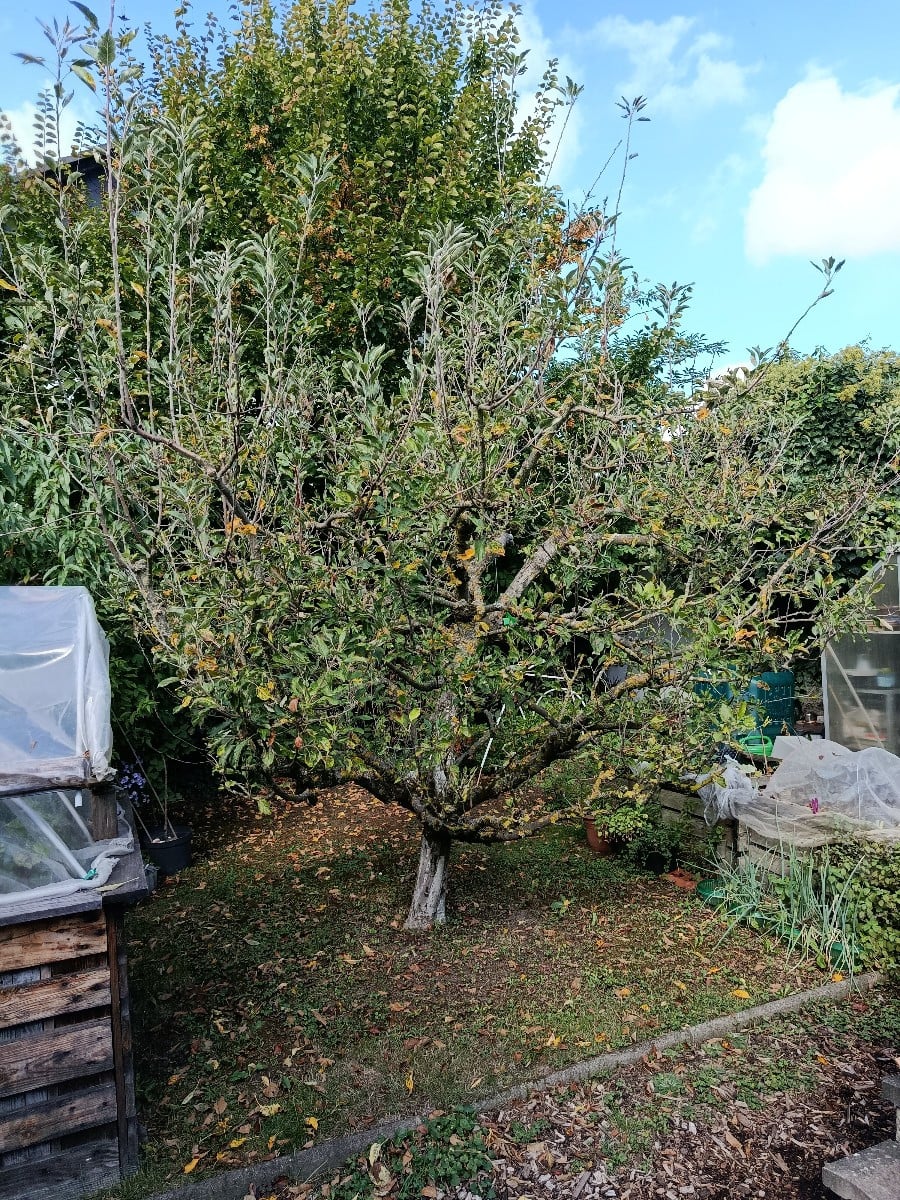
Today is a sad day. My Cox Orange was carefully cut down. I tried everything over the years, but nothing worked. Part of the problem was my choice of variety, the wrong location, improper pruning when it was young, and the hot summers. I think letting go is also part of taking responsibility, and it makes room for something new and different. Let yourself be surprised!
Liked 1 times
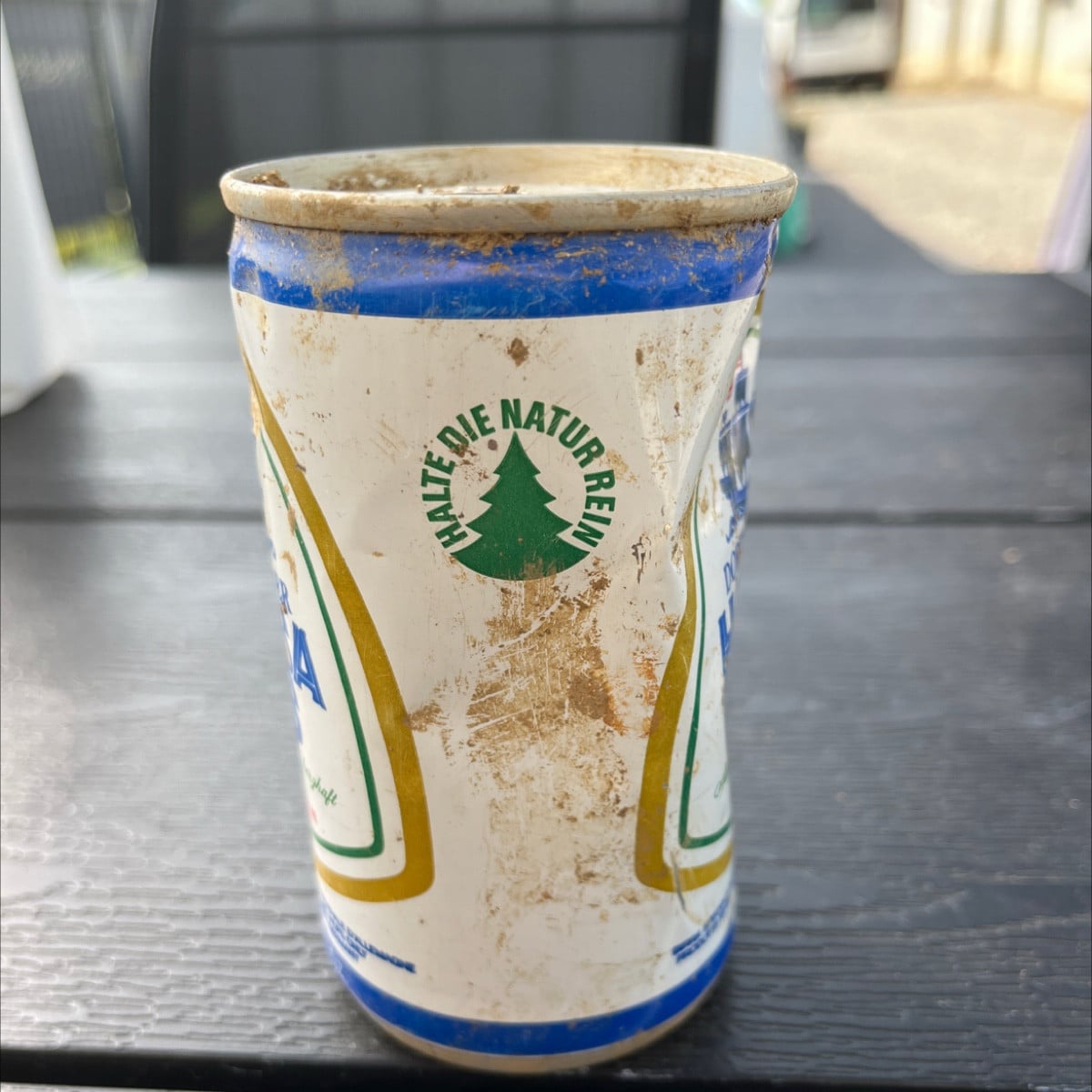
Found this today. According to Google, the can was manufactured in the 1980s. It seems the slogan "Keep nature clean" wasn't exactly put into practice.

Hi, we have pumpkins that are firm and green but sound hollow; they're still on the plant. How can I tell if they're ripe? I tried to upload a photo, but it didn't work....
Popular Articles

Gardening in March: Preparation & Cultivation

Propagating Peppers/Chillies: How to Grow Them Successfully

Cultivation or Direct Sowing: When and Which Vegetables to Propagate?

Sowing and Propagating Tomatoes: This Is How It Works

Raised Beds: Your Planting Plan for a Year

Plant Lights for Growing and Overwintering Plants

Growing Cucumbers Seedlings in Pots: Tips for Propagation

Pricking Out Vegetable Plants: Tips and Instructions

Growing & Harvesting Rocket: Good & Bad Companion Plants

How to Grow Broccoli: Tips for Cultivation
FAQ
How do you store potatoes properly?
Dark, cool (about 5 °C/41 °F), and dry, e.g., in a basement or in insulated boxes lined with straw.
Can you store potatoes in the refrigerator?
No, the humidity is too high and the temperatures are too low, which leads to mold and a loss of flavor.
How long do potatoes last?
If stored properly, they will keep for several months (3–5 months); early potatoes, however, will keep for only about two weeks.
Can you freeze cooked potatoes?
Yes, cooked potatoes can be frozen and will keep for about 12 months.