Garden Guide
Garden Guide for Vienna, Eastern Austria and Danube Region
Vienna is in USDA Hardiness Zone 7b and has a transitional climate with Pannonian influence, meaning warm summers and cold winters. The soils are often fertile, ranging from loamy to humus-rich, and benefit from good drainage to prevent waterlogging.
In Vienna (Hardiness Zone 7b), you can start your main sowing from early April, after the last frost. Popular crops like garden lettuce can be pre-grown from March to September and harvested from April to November. Sow radishes from March to September for a harvest from May to October, while tomatoes can be started indoors from March to May and harvested from July to October. Garlic is planted in autumn (September to November) and harvested the following summer (June to August).
Also applies to: St. Pölten, Wiener Neustadt, Eisenstadt, Krems an der Donau, Baden bei Wien
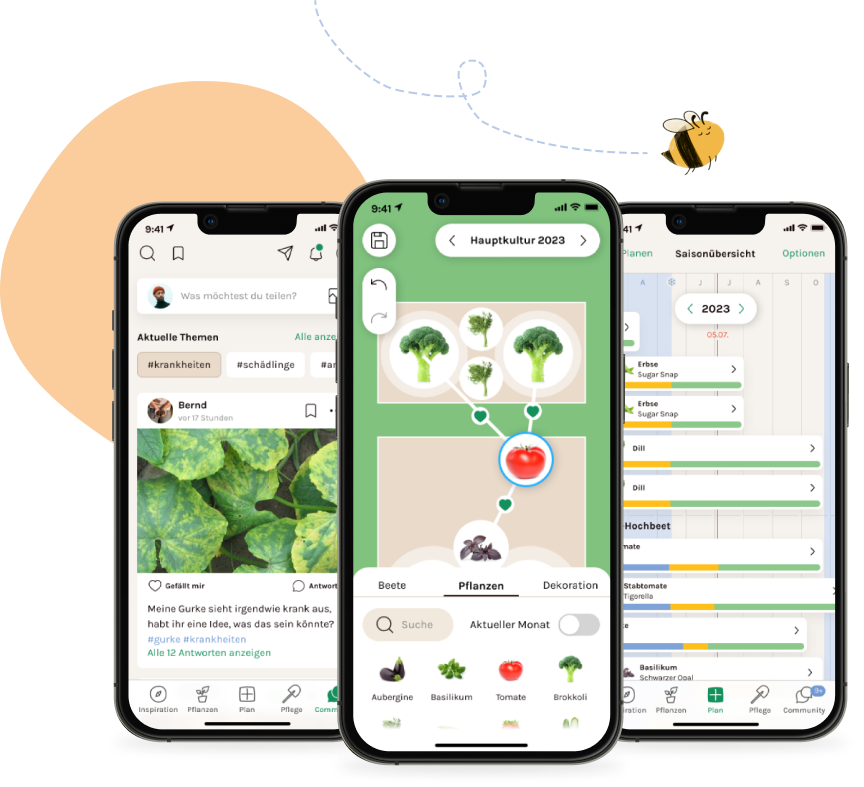
Plan your Vienna garden in the Fryd appPlanting Calendar
When to start indoors, sow outdoors, and harvest in Vienna.
| Crop | Jan | Feb | Mar | Apr | May | Jun | Jul | Aug | Sep | Oct | Nov | Dec |
|---|---|---|---|---|---|---|---|---|---|---|---|---|
| Carrots ●●● ●●○ ●○○ | |
|
|
|
|
|
|
|
|
|||
| Lettuce (Lettuce) ●●○ ●●○ ●●○ | |
|
|
|
|
|
|
|
|
|||
| Cucumber / Gherkin ●●● ●●○ ●●● | |
|
|
|
|
|
|
|||||
| Courgette / Zucchini ●●● ●●● ●●● | |
|
|
|
|
|
|
|||||
| Pepper / Paprika ●●● ●●○ ●●● | |
|
|
|
|
|
||||||
| Potato ●●● ●●○ ●●● | |
|
|
|
|
|
|
|
||||
| Radishes ●●● ●●○ ●○○ | |
|
|
|
|
|
|
|
||||
| Tomato (Bush tomato) ●●● ●●○ ●●● | |
|
|
|
|
|
|
|
||||
| Tomato (Cocktail bush tomato) ●●● ●●○ ●●● | |
|
|
|
|
|
|
|
||||
| Onion ●●● ●●○ ●●○ | |
|
|
|
|
|
|
|
||||
| Bean (Dwarf bean) ●●● ●●○ ●○○ | |
|
|
|
|
|
|
|||||
| Pea ●●● ●●○ ●○○ | |
|
|
|
|
|
|
|
||||
| Basil ●●● ●●○ ●●● | |
|
|
|
|
|
|
|
||||
| Beetroot ●●● ●●○ ●●○ | |
|
|
|
|
|
|
|||||
| Strawberry ●●● ●●○ ●●● | |
|
|
|
|
|
|
|
|
|||
| Kohlrabi / German turnip / Turnip cabbage ●●● ●●○ ●●○ | |
|
|
|
|
|
|
|
||||
| Garlic ●●● ●●○ ●○○ | |
|
|
|
|
|
||||||
| Pumpkin / Squash ●●● ●●● ●●● | |
|
|
|
|
|
||||||
| Broccoli ●●● ●●● ●●● | |
|
|
|
|
|
|
|
||||
| Chard ●●○ ●●○ ●●○ | |
|
|
|
|
|
|
|
|
|
Planting Calendar Vienna
- Carrots: Sowing Mar - Jul, Harvest Jul - Nov (Light: high, Water: medium, Nutrients: low)
- Lettuce (Lettuce): Start indoors Mar - Sep, Sowing Mar - Oct, Harvest Apr - Nov (Light: medium, Water: medium, Nutrients: medium)
- Cucumber / Gherkin: Start indoors Apr - Jun, Sowing Jun - Jul, Harvest Jun - Oct (Light: high, Water: medium, Nutrients: high)
- Courgette / Zucchini: Start indoors Apr - Jun, Sowing Jun - Jul, Harvest Jul - Oct (Light: high, Water: high, Nutrients: high)
- Pepper / Paprika: Start indoors Mar, Sowing Jun - Jul, Harvest Jul - Oct (Light: high, Water: medium, Nutrients: high)
- Potato: Start indoors Mar - Apr, Sowing Apr - Jun, Harvest Jun - Oct (Light: high, Water: medium, Nutrients: high)
- Radishes: Sowing Mar - Sep, Harvest May - Oct (Light: high, Water: medium, Nutrients: low)
- Tomato (Bush tomato): Start indoors Mar - May, Sowing Jun - Jul, Harvest Jul - Oct (Light: high, Water: medium, Nutrients: high)
- Tomato (Cocktail bush tomato): Start indoors Mar - May, Sowing Jun - Jul, Harvest Jul - Oct (Light: high, Water: medium, Nutrients: high)
- Onion: Start indoors Jan - Mar, Sowing Mar - May, Harvest Jul - Sep (Light: high, Water: medium, Nutrients: medium)
- Bean (Dwarf bean): Start indoors Apr - May, Sowing Jun - Jul, Harvest Jul - Oct (Light: high, Water: medium, Nutrients: low)
- Pea: Sowing Mar - Jul, Harvest Jun - Oct (Light: high, Water: medium, Nutrients: low)
- Basil: Start indoors Mar - Jul, Sowing Jun - Aug, Harvest Jun - Oct (Light: high, Water: medium, Nutrients: high)
- Beetroot: Start indoors Apr, Sowing May - Jul, Harvest Aug - Oct (Light: high, Water: medium, Nutrients: medium)
- Strawberry: Start indoors Feb - May, Sowing Apr - Jun, Harvest May - Oct (Light: high, Water: medium, Nutrients: high)
- Kohlrabi / German turnip / Turnip cabbage: Start indoors Mar - May, Sowing Apr - Jun, Harvest Jun - Oct (Light: high, Water: medium, Nutrients: medium)
- Garlic: Sowing Sep - Nov, Harvest Jun - Aug (Light: high, Water: medium, Nutrients: low)
- Pumpkin / Squash: Start indoors Apr - Jun, Sowing Jun - Jul, Harvest Sep - Oct (Light: high, Water: high, Nutrients: high)
- Broccoli: Start indoors Mar - May, Sowing Jun - Jul, Harvest Jul - Oct (Light: high, Water: high, Nutrients: high)
- Chard: Start indoors Feb - May, Sowing Apr - Jul, Harvest Jun - Nov (Light: medium, Water: medium, Nutrients: medium)
Based on Fryd planting data for Zone 7b, 2026.
Companion Planting for Vienna
Plants that thrive together in Eastern Austria and Danube Region.
Some plants grow better side by side: they keep pests away, improve the soil or make the most of the space. More on companion planting →
 +
+
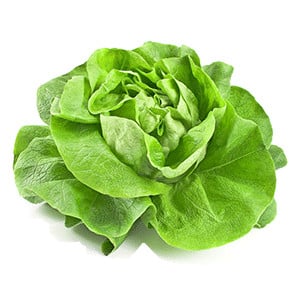
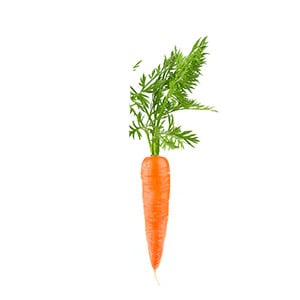
Lettuce covers the soil around your carrots, retains moisture, and protects against weeds because it grows quickly.
 +
+
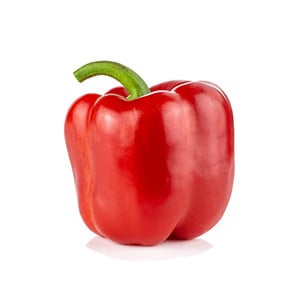
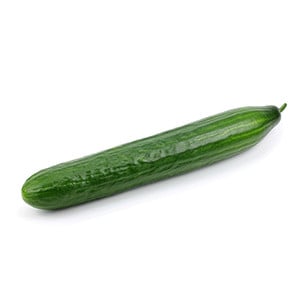
Cucumber / Gherkin + Pepper / Paprika
Your peppers and cucumbers have similar demands for light, water, and nutrients, and they thrive well in high humidity.
 +
+
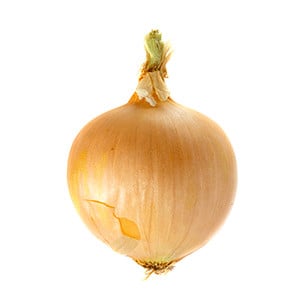
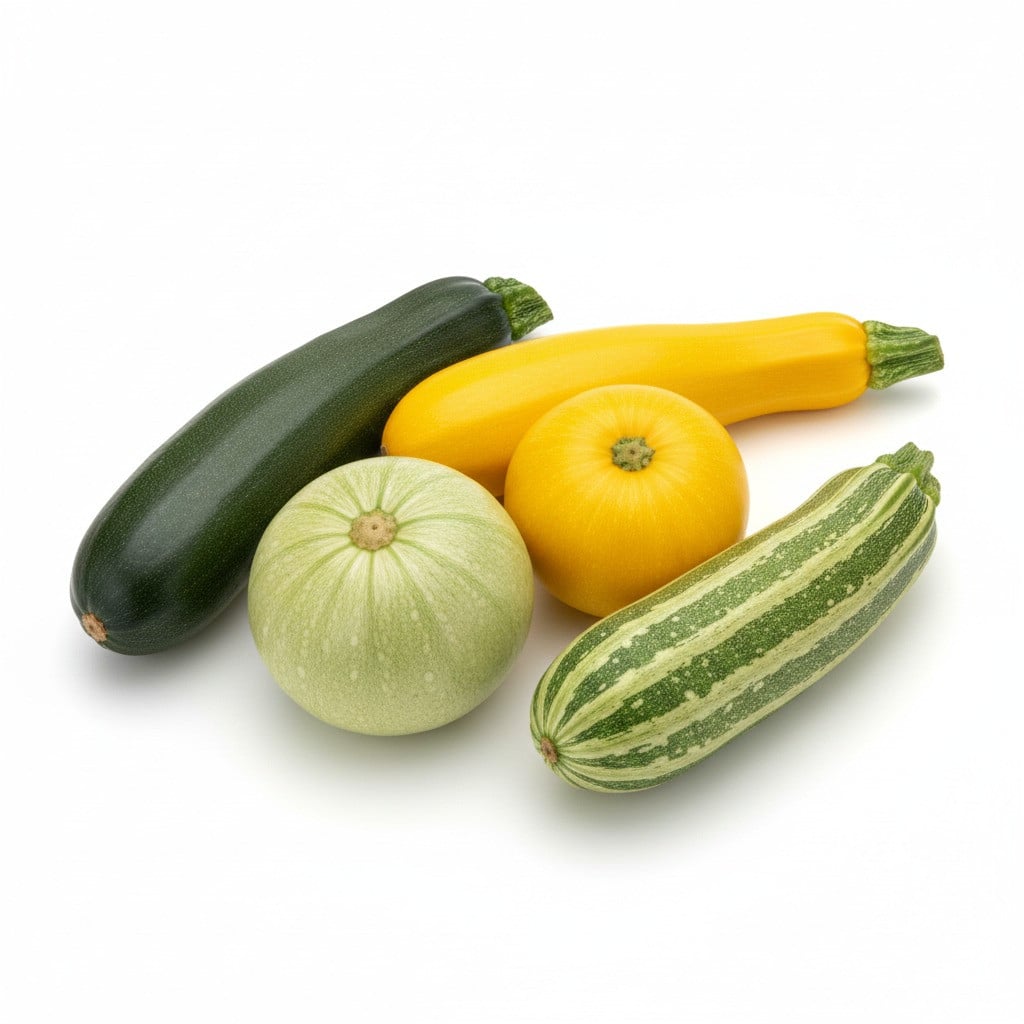
Your onions keep pests away from zucchini with their scent and prevent powdery mildew.
 +
+
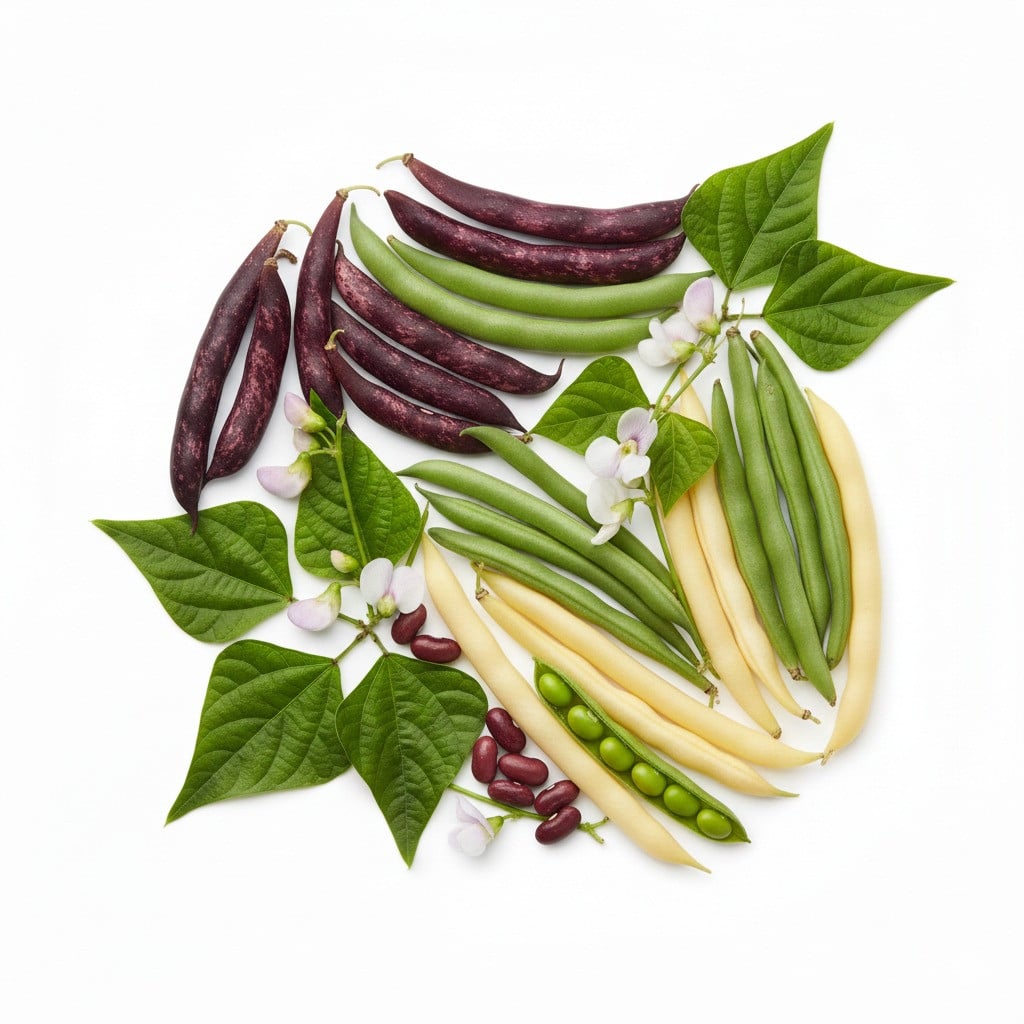
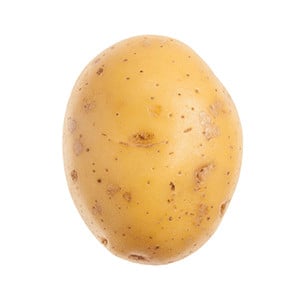
Bush beans provide nitrogen for your potatoes, and their shallow roots don't compete for space.
 +
+
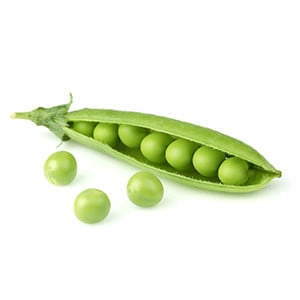
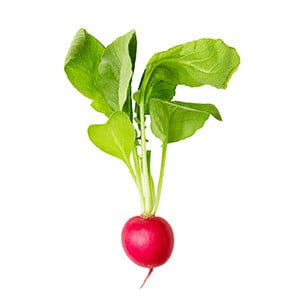
Radishes + Pea
Radishes serve as marker seeds and make optimal use of garden space because they germinate quickly before your peas grow.
Plan companions visually
Drag and drop crops in the Fryd bed planner to see companion matches.
Try Fryd →Growing Tips for Vienna
Starting Lettuce Seeds Right
Start your garden lettuce seeds indoors from February/March for an early harvest. Make sure to press the seeds lightly (about 0.5 cm deep) and don't cover them too deeply with soil, as they need light to germinate.
Optimal Care for Radishes
Radishes prefer humus-rich, well-draining soil and consistent moisture for quick growth. If they dry out, the roots can become woody, very spicy, and fuzzy, so regular watering is key.
Successfully Growing Onions
Onions love a full-sun, warm spot and loose, humus-rich, slightly moist soil. A bit of clay in the soil can even be beneficial for retaining moisture.
Chitting Potatoes
Place potatoes in a bright, cool spot (ideally 10–15 °C or 50-59 °F) for 3–4 weeks before planting to chit them. This encourages strong growth and an earlier harvest, but avoid temperatures that are too warm, as they can cause long, thin sprouts.
Common Pests & Diseases
Dealing with Slugs
Slugs are often a nuisance in Viennese gardens, especially in damp weather. Regularly pick them off or set up beer traps to protect your young plants.
Preventing Aphids
Aphids can infest many plants; for light infestations, rinse them off with a strong stream of water. Encourage beneficial insects like ladybugs and earwigs, which feed on aphids and help maintain ecological balance.
Identifying and Treating Powdery Mildew
Powdery mildew appears as a white, powdery coating on leaves and often occurs in warm, humid weather. Remove affected plant parts immediately and spray plants preventatively with a milk-and-water mixture (1:8 ratio).
Deterring Cabbage White Butterflies
Cabbage white butterflies love to lay their eggs on brassicas, and their caterpillars then munch on the leaves. Protect your cabbage family plants with fine-mesh netting to prevent egg-laying.
Frequently Asked Questions
When should I plant tomatoes in Vienna?
You should start tomato seeds indoors in Vienna from March to May, as they are sensitive to frost. The seedlings can then be planted outdoors or in a greenhouse after the 'Ice Saints' (mid-May), for harvesting from July to October.
What hardiness zone is Vienna in?
Vienna is in USDA Hardiness Zone 7b. This means the average annual minimum temperature ranges between -15 °C and -12.2 °C (5 °F and 10 °F), allowing for a wide variety of plants to be grown.
Which vegetables grow best in Vienna?
Many vegetables thrive in Vienna, especially those that cope well with the transitional climate. These include garden lettuce, radishes, carrots, chard, potatoes, and various brassicas like kohlrabi and broccoli.
When is the last frost in Vienna?
The last frost in Vienna is typically expected in early April. It's wise to only plant frost-sensitive plants outdoors after this time to avoid damage.