
Garden Irrigation at a Glance: Irrigation Systems for Gardens, Balconies, and Raised Beds
Without water, vegetable gardens often look sad. Water is life and one of the most important factors for healthy plants. Watering and water supply in the garden has become an increasingly important topic in recent years and is essential for a good harvest. The good news is that water supply can be influenced. Anyone who wants to garden successfully and sustainably today cannot avoid dealing with the topic of garden irrigation. This article provides an overview of irrigation options for gardens, balconies, and raised beds—from simple DIY solutions to automated and root-based systems. Perhaps this overview will help you find the right irrigation system for your garden, balcony, or raised bed.
This Article Contains:
- Watering the Garden – More Important Than Ever
- Manual Bed Watering: Watering With a Watering Can
- DIY Ideas: Build Your Own Watering System for Balconies and Raised Beds
- DIY: Watering With Ollas
- Modern Clay Irrigation Systems With Hose Connection
- Watering Flower Beds With a Drip Hose: Drip Irrigation
- Clay vs. Drip Hose: Advantages and Disadvantages
- Automatic & Smart Garden Irrigation for Plants
- Frequently Asked Questions About Garden Irrigation
Quick Overview
Garden Irrigation at a Glance
- Manual watering: Watering with a watering can or hose – flexible but time-consuming and hard work.
- Simple DIY solutions for balcony and container plants:
- Short-term solution for vacations: PET bottle or clay cone
- Long-term solution for raised beds: ollas or clay pots
- Garden watering systems with hose
- Irrigation system with clay element – no electricity required and delivers water directly to the root area
- Irrigation system with drip hose – considered water-saving and flexible
Watering the Garden – More Important Than Ever
It's no secret that climate change is bringing about major changes: longer dry spells, irregular rainfall, and rising temperatures. At the same time, we have degraded soils in many places, most of which can only store small amounts of water. Water management is becoming increasingly important, as are water storage measures to ensure a constant supply. In this article, you'll find lots of tips for dealing with water scarcity.
Irrigation systems, especially automated solutions, are a simple tool for saving water and cushioning the effects of prolonged dry spells. To find the right irrigation system for you and your garden, it is first important to be aware of the conditions in your garden. Not every system is suitable for every garden.
Planning Irrigation: The Most Important Questions in Advance
- Where do you water? Your garden or balcony, your raised bed, your greenhouse, or your houseplants?
- What plants do you grow? How much water do they need and how tolerant are they to dry conditions?
- Where do the plants grow under natural conditions? What is the soil like (sandy, loamy, humus-rich)?
- What is the water supply like in your garden? Do you have a water connection or a rain barrel available?
- Would you like to water manually or automate your garden irrigation?

Watering by hand. / Image by Ralph on Pixabay.
Manual Bed Watering: Watering With a Watering Can
Watering by hand. / Image by Ralph on Pixabay.
The most common form of garden irrigation is simply watering with a watering can or hose. This is the most flexible way to water plants. No installation is necessary, just a watering can and a water connection. However, watering with a watering can has one major disadvantage. It is time-consuming and often irregular. If you don't water at the right times, the water will seep away or evaporate before it reaches the roots.
This method is often sufficient for small areas such as a balcony or a small flower bed. It is important to water correctly. Tips for correct watering can be found in the linked article. However, the watering can or gardener quickly reaches its limits in larger gardens, as this type of watering requires a lot of time and energy.
DIY Ideas: Build Your Own Watering System for Balconies and Raised Beds
When plants grow on a balcony, in a raised bed, or in a pot, the volume of soil is limited. This means that less water can be stored in the soil, and at the same time, it evaporates more quickly. Targeted watering is particularly important here. There are various ways to help plants survive dry periods. You can install small automated drip systems or build your own watering system using clay cones or PET bottles. With these watering systems, your plants can get through the holiday season without suffering any damage.

DIY system using PET bottles / Image created by AI (ChatGPT).
DIY: Watering With Pet Bottles
DIY system using PET bottles / Image created by AI (ChatGPT).
A very simple method is to use a watering system made from PET bottles. Everyone probably has the necessary materials at home. All you need are old bottles and you're ready to go. Fill the bottles with water and stick them upside down in the ground. Either stick the bottle in the ground without the cap or make small holes in the cap so that the water can escape more slowly. Alternatively, you can place the bottle upside down in a clay cone to make watering more efficient.
This method is particularly suitable for individual plants and smaller pots. It is a simple way to ensure a regular water supply in the short term. However, this solution is not ideal in the long term. It is problematic both visually and ecologically, as it involves the use of plastic. In addition, the water supply is limited to the size of the bottle and is therefore only suitable for shorter periods of time.

Ollas as raised bed irrigation. / Image created by AI (ChatGPT).
DIY: Watering With Ollas
Ollas as raised bed irrigation. / Image created by AI (ChatGPT).
Ollas work on a similar principle to inverted PET bottles, but are made of clay pots. Clay is a very suitable material in this context because its porous structure allows water to be released slowly, ensuring an even and controlled water supply to the root area of the plants.
To do this, the ollas are buried in the ground and filled with water. They are often used in raised beds or on balconies, as they are particularly suitable for smaller areas and often reach their limits in large gardens. You can find instructions for building your own ollas here Instructions for building your own ollas.

Ever Feel Lost in the Garden? Connect With Others!
In the Fryd community, you’ll find friendly and helpful gardeners ready to share ideas, give advice, and celebrate wins (and failures) together. Gardening is just more fun when you’re not doing it alone.
Join the Community Now
Irrigation systems using clay can operate without electricity
Modern Clay Irrigation Systems With Hose Connection
Irrigation systems using clay can operate without electricity
Watering with clay elements or ollas has long been a proven method in gardening. This is because they work reliably and clay has the right properties to supply plants with water as needed.
There are now systems that connect clay elements to a hose, enabling a continuous supply of water. Such systems are particularly interesting because they work without electricity. The water is drawn directly to the roots in the soil by capillary action alone.
Capillary Action Explained Briefly: How Plants Drink
To help you understand this better, we will briefly explain capillary action. Plants absorb water through their roots, while at the same time water evaporates through their leaves, for example during photosynthesis. This evaporation creates negative pressure in the plant, which passively draws water from the soil into the plant. This is a natural mechanism on which this type of irrigation is based and which it uses specifically to water in the most resource-efficient way possible. In addition to the advantage of not consuming any electricity, only as much water as the plants actually need is dispensed, without the need for sensors, electricity, or other technology.

Modular clay irrigation systems
Tontau: Irrigation Reimagined
Modular clay irrigation systems
One example of such a system is the Tontau company, which offers a modular irrigation system consisting of clay elements and a garden hose. The young company builds on the proven principle of olla irrigation. Porous clay elements are placed directly in the soil and supplied with water via a hose.
Tontau irrigation systems can be adapted to flower beds, raised beds, or balcony boxes in a modular fashion. Such systems are particularly well suited for vegetable cultivation, as irrigation has a major impact on plant health. Many vegetable plants are sensitive to irregular watering, and fungal diseases are promoted by wet leaves and high humidity near the ground.

Irrigation system with many advantages
Advantages at a Glance
Irrigation system with many advantages
- Up to 70% less water consumption
- Completely electricity-free
- Needs-based irrigation
- Fewer pests and diseases
- Up to 18% higher crop yields
- Fewer weeds
- Vacation-proof
- Sustainable and durable

Drip irrigation in the vegetable garden.
Watering Flower Beds With a Drip Hose: Drip Irrigation
Drip irrigation in the vegetable garden.
Another common form of garden irrigation is the drip hose. It has a good reputation because this form of irrigation is considered water-saving. Drip irrigation uses a perforated hose with many small openings through which water is released drop by drop into the soil. This gives the water enough time to seep into the soil. The drip hose is usually buried only a few centimeters deep in the ground, which reduces evaporation. This form of irrigation is water-saving and can be easily automated with a timer. The irrigation system is particularly suitable for larger vegetable beds and greenhouses. Since installation is relatively complex, it is usually only worthwhile for beds of a certain size.
Clay vs. Drip Hose: Advantages and Disadvantages
Compared to an irrigation system with clay elements, this system requires water pressure and therefore electricity. It is also more maintenance-intensive, as drip hoses tend to become clogged with limescale or dirt and fail. This is because the water in drip hoses only flows out through very fine outlets. Limescale or dirt can accumulate there and clog the outlets. With clay elements, this risk is minimal, as the water is released into the soil over a large area through the porous clay.
Another difference between these two systems is that they are placed at different depths in the soil. Although both are placed underground, they are placed at different depths. Drip hoses are usually only a few centimeters below the surface (0–5 cm), while clay cones are placed directly in the root zone (about 15 to 30 cm). As a result, with drip hose systems, the water first reaches the upper soil layers, which benefits weeds and allows them to grow better. With modular clay systems, on the other hand, the water reaches deeper into the soil, directly into the immediate root area of the vegetable plants.
Table: Clay vs. Drip Hose
| irrigation system | benefits | disadvantages |
|---|---|---|
| sound system | • Out of power | • Installation somewhat more complex |
| • Very low evaporation | • Limited irrigation radius, planning required | |
| • Water delivery directly to the root zone | • Less flexible for frequently changing plantings | |
| • Needs-based irrigation through capillary action | ||
| • Low risk of clogging | ||
| • Fewer weeds | ||
| • Low maintenance requirements | ||
| Drip hose systems | • Easy installation, even for large areas | • Requires water pressure and usually electricity |
| • Well suited for row planting | • Prone to limescale and dirt deposits | |
| • Water volume controllable via pressure and time | • Higher maintenance costs (flushing, filters) | |
| • Very flexible and adaptable, as it is laid close to the surface | • Water is released close to the surface, which can promote weed growth | |
| • Higher evaporation losses |

Smart irrigation systems for plants with computers
Automatic & Smart Garden Irrigation for Plants
Smart irrigation systems for plants with computers
Drip hose systems are particularly well suited to automated garden irrigation. Automatic irrigation systems work with a timer or small irrigation computers. These allow you to set when and for how long the plants are watered. This means you can water at particularly favorable times without having to stand in the garden with a watering can yourself. For vegetable plants, the early morning hours before sunrise and the time after sunset are particularly suitable, as evaporation is lowest then.
A smart irrigation system can therefore be a great help in everyday life, as not everyone can easily integrate these watering times.
Smart irrigation systems go one step further by using sensors and weather data to adjust the water supply to the plants. Such systems are mainly found in professional operations and less frequently in hobby gardens. The technical effort is usually only worthwhile for larger areas.
If you have any questions or comments, please email us at [email protected]. Would you like to receive helpful gardening tips throughout the year and plan your own garden beds optimally? Then register here or download the Fryd app for Android or iOS.
Fryd — your digital garden planner

Marie
Marie is an agronomist. She is particularly interested in the sustainable and organic cultivation of vegetables and other plants. In her own garden, she gained experience and likes to try things out to learn from nature. She is particularly interested in the values and principles of permaculture, in order to contribute not only to the well-being of nature, but also to the well-being of people and future generations.
Learn MoreCurrent Topics in the Community

...This American pine or cone bug (Leptoglossus occidentalis) has also noticed that fall is coming! Found in Europe since 1999, it’s yet another import from North America that we really don’t need 🙄. At this time of year, they like to knock on the front door 😳 and ask to be let in so they can spend the winter indoors. Category: Pests! I sent it on its way to Hoek van Holland—maybe it’ll find a friendlier host there 🤷 ...Unfortunately, I don’t have a better photo to share 🤷
Show 1 answer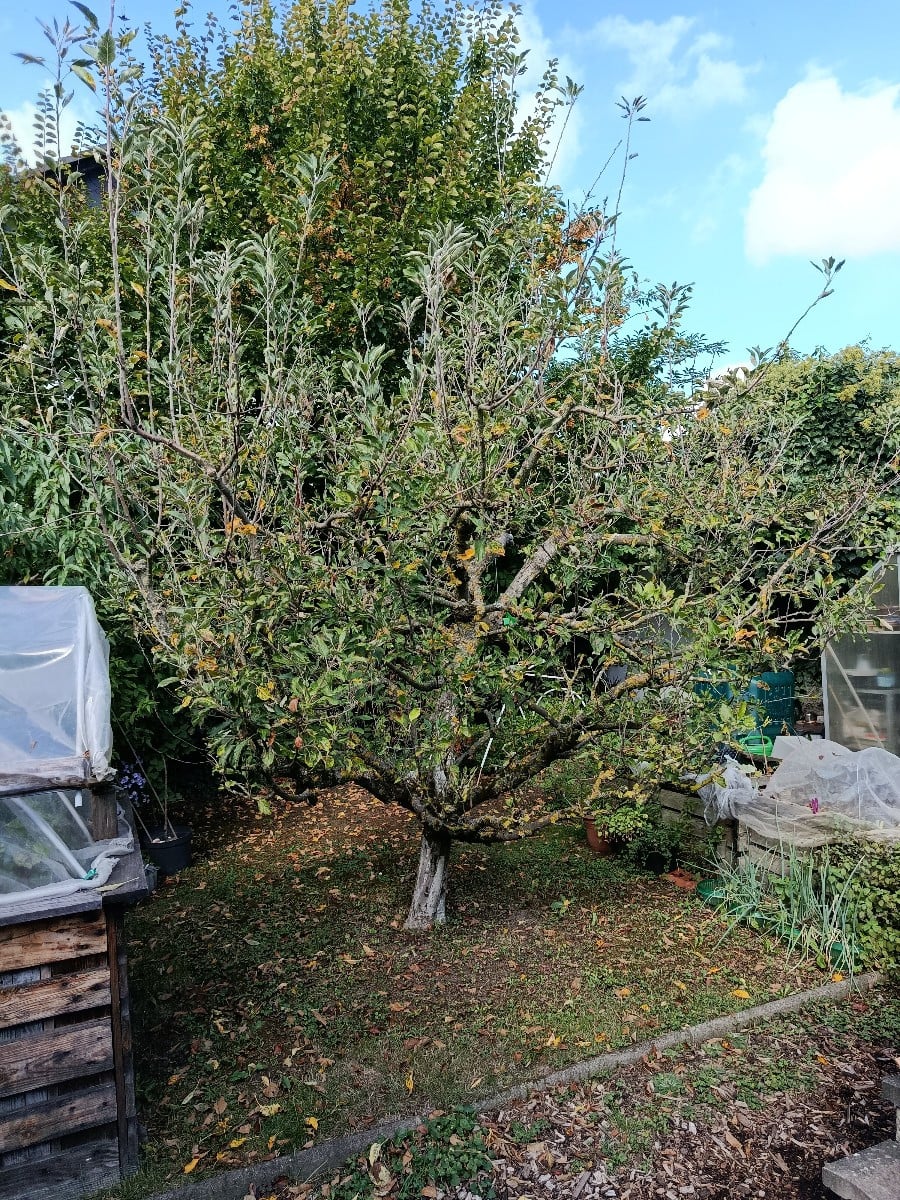
Liked 5 times
Today is a sad day. My Cox Orange was carefully cut down. I tried everything over the years, but nothing worked. Part of the problem was my choice of variety, the wrong location, improper pruning when it was young, and the hot summers. I think letting go is also part of taking responsibility, and it makes room for something new and different. Let yourself be surprised!
Show 2 answers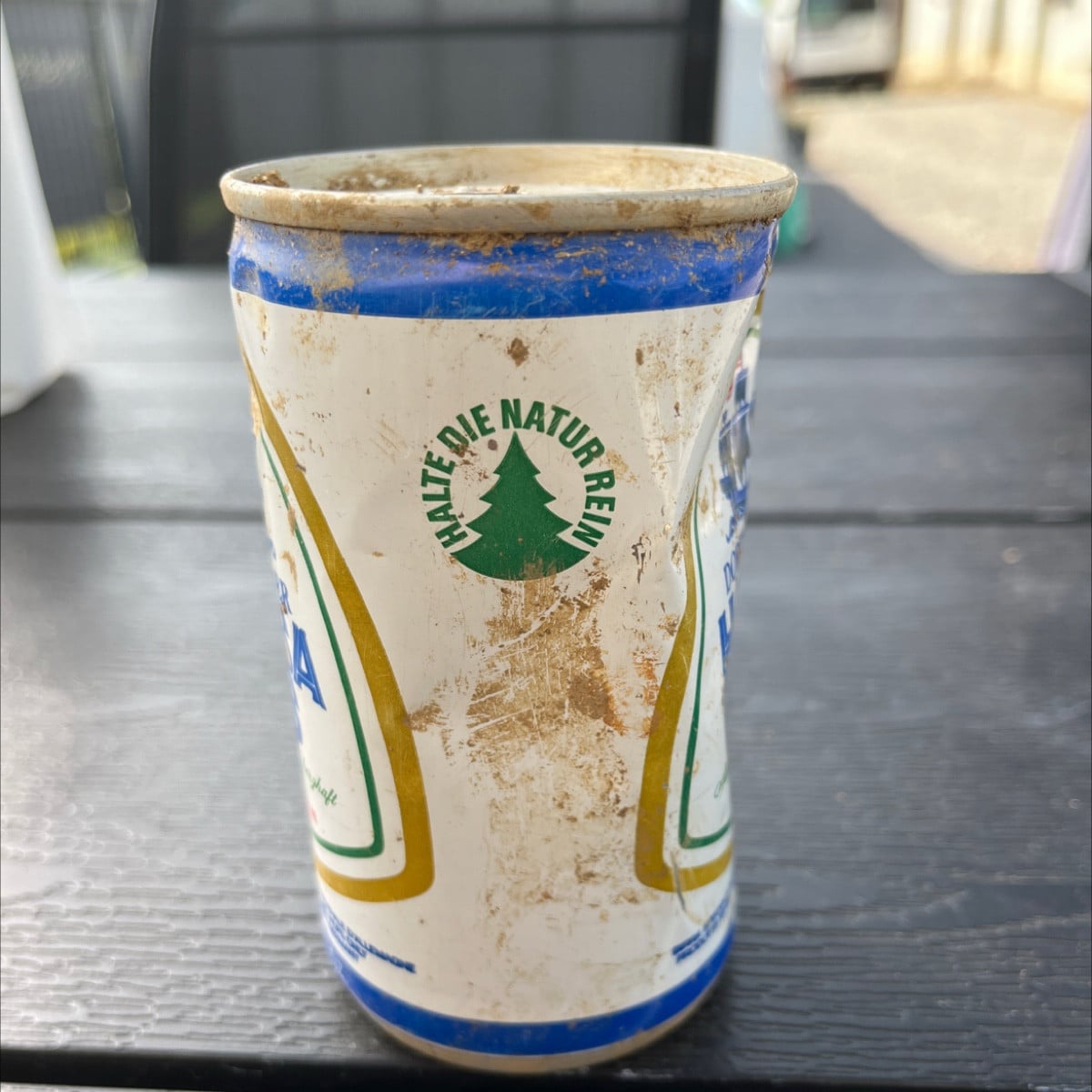
Liked 3 times
Found this today. According to Google, the can was manufactured in the 1980s. It seems the slogan "Keep nature clean" wasn't exactly put into practice.
Show 1 answerPopular Articles

Gardening in March: Preparation & Cultivation

Propagating Peppers/Chillies: How to Grow Them Successfully

Cultivation or Direct Sowing: When and Which Vegetables to Propagate?

Sowing and Propagating Tomatoes: This Is How It Works

Raised Beds: Your Planting Plan for a Year

Plant Lights for Growing and Overwintering Plants

Growing Cucumbers Seedlings in Pots: Tips for Propagation

Pricking Out Vegetable Plants: Tips and Instructions

Growing & Harvesting Rocket: Good & Bad Companion Plants

How to Grow Broccoli: Tips for Cultivation
FAQ
Which garden irrigation system is the most water-efficient?
Irrigation systems that deliver water directly to the root area, such as clay irrigation systems or drip hoses, are particularly water-efficient. They reduce evaporation and supply plants in a targeted manner.
When is the best time to water the garden?
The best time to water is early in the morning or late in the evening. At these times, evaporation is low, so more water reaches the soil and can be absorbed by the plants.
Is a drip hose suitable for every garden?
Drip hoses are particularly suitable for larger beds, row plantings, and greenhouses. They are often less flexible for small areas or frequently changing plantings.
Can I automate my garden watering system?
Yes, many irrigation systems can be automated with timers or irrigation computers. Smart systems with sensors are particularly worthwhile for larger areas.