Garden Guide
Garden Guide for Reykjavik, Southwest Iceland
Reykjavik, located in climate zone 7a, experiences mild winters and cool summers, influenced by the Gulf Stream. The soil is often volcanic in origin, which provides good drainage but also requires adjusting for nutrient content. Wind is a common factor, so sheltered spots are beneficial.
In Reykjavik, climate zone 7a, the frost-free period typically begins in early May and ends in early October. You can sow garden lettuce from May to September and harvest from May to October. Radishes are best sown from April to August, with harvest from June to September. Plant potatoes from March to June and harvest them from June to October.
Also applies to: Kópavogur, Hafnarfjörður, Garðabær, Mosfellsbær, Akranes
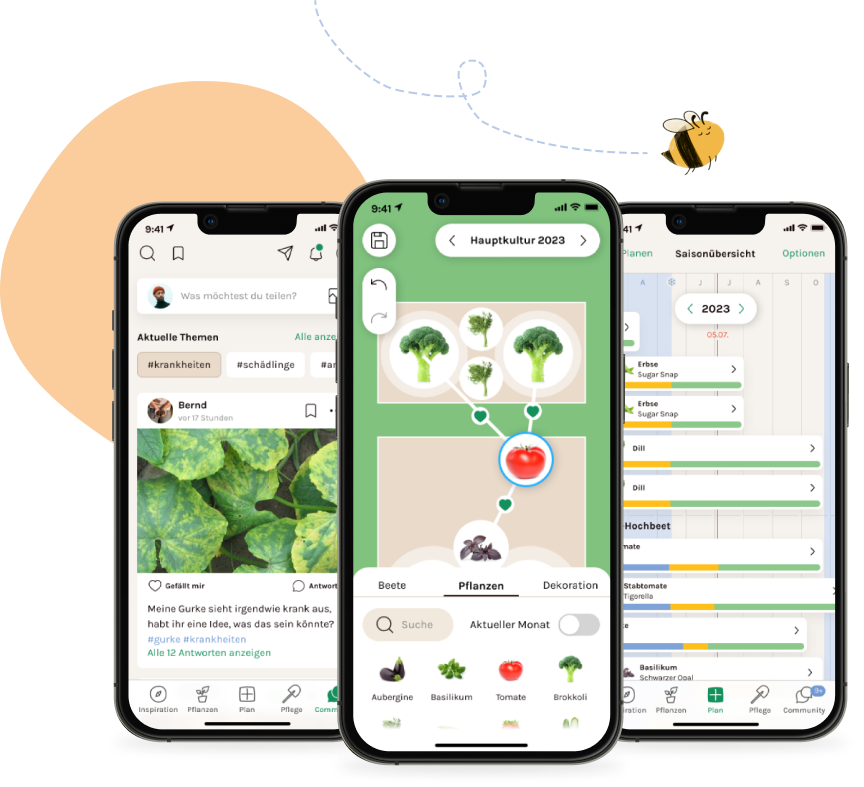
Plan your Reykjavik garden in the Fryd appPlanting Calendar
When to start indoors, sow outdoors, and harvest in Reykjavik.
| Crop | Jan | Feb | Mar | Apr | May | Jun | Jul | Aug | Sep | Oct | Nov | Dec |
|---|---|---|---|---|---|---|---|---|---|---|---|---|
| Carrots ●●● ●●○ ●○○ | |
|
|
|
|
|||||||
| Lettuce (Lettuce) ●●○ ●●○ ●●○ | |
|
|
|
|
|
|
|||||
| Cucumber / Gherkin ●●● ●●○ ●●● | |
|
|
|||||||||
| Courgette / Zucchini ●●● ●●● ●●● | |
|
|
|
|
|||||||
| Pepper / Paprika ●●● ●●○ ●●● | |
|
|
|
|
|
|
|
||||
| Potato ●●● ●●○ ●●● | |
|
|
|
|
|
|
|
||||
| Radishes ●●● ●●○ ●○○ | |
|
|
|
|
|
||||||
| Tomato (Bush tomato) ●●● ●●○ ●●● | |
|
|
|
|
|
||||||
| Tomato (Cocktail bush tomato) ●●● ●●○ ●●● | |
|
|
|
|
|
||||||
| Onion ●●● ●●○ ●●○ | |
|
|
|||||||||
| Bean (Dwarf bean) ●●● ●●○ ●○○ | |
|
|
|
|
|
|
|||||
| Pea ●●● ●●○ ●○○ | |
|
|
|
|
|||||||
| Basil ●●● ●●○ ●●● | |
|
|
|
|
|||||||
| Beetroot ●●● ●●○ ●●○ | |
|
|
|
|
|
|
|
||||
| Strawberry ●●● ●●○ ●●● | |
|
|
|
|
|
||||||
| Kohlrabi / German turnip / Turnip cabbage ●●● ●●○ ●●○ | |
|
|
|
|
|
||||||
| Garlic ●●● ●●○ ●○○ | |
|
|
|
|
|
||||||
| Pumpkin / Squash ●●● ●●● ●●● | |
|
|
|
|
|
|
|||||
| Broccoli ●●● ●●● ●●● | |
|
|
|
|
|
||||||
| Common marigold ●●● ●○○ | |
|
|
|
|
|
|
|
|
Planting Calendar Reykjavik
- Carrots: Sowing May - Jun, Harvest Aug - Oct (Light: high, Water: medium, Nutrients: low)
- Lettuce (Lettuce): Start indoors Apr - Oct, Sowing May - Sep, Harvest May - Oct (Light: medium, Water: medium, Nutrients: medium)
- Cucumber / Gherkin: Start indoors Jun - Jul, Sowing Jul, Harvest Aug (Light: high, Water: medium, Nutrients: high)
- Courgette / Zucchini: Start indoors May - Jul, Sowing Jul, Harvest Aug - Sep (Light: high, Water: high, Nutrients: high)
- Pepper / Paprika: Start indoors Feb - Mar, Sowing May - Jun, Harvest Jul - Oct (Light: high, Water: medium, Nutrients: high)
- Potato: Start indoors Mar, Sowing Mar - Jun, Harvest Jun - Oct (Light: high, Water: medium, Nutrients: high)
- Radishes: Sowing Apr - Aug, Harvest Jun - Sep (Light: high, Water: medium, Nutrients: low)
- Tomato (Bush tomato): Start indoors Apr - Jun, Sowing Jul, Harvest Aug - Sep (Light: high, Water: medium, Nutrients: high)
- Tomato (Cocktail bush tomato): Start indoors Apr - Jun, Sowing Jul, Harvest Aug - Sep (Light: high, Water: medium, Nutrients: high)
- Onion: Start indoors Mar - Apr, Sowing Apr - May (Light: high, Water: medium, Nutrients: medium)
- Bean (Dwarf bean): Start indoors Apr - May, Sowing May - Jul, Harvest Jun - Oct (Light: high, Water: medium, Nutrients: low)
- Pea: Sowing May - Jul, Harvest Jul - Sep (Light: high, Water: medium, Nutrients: low)
- Basil: Start indoors May - Aug, Sowing Jul - Aug, Harvest Jul - Sep (Light: high, Water: medium, Nutrients: high)
- Beetroot: Start indoors Mar - Apr, Sowing Apr - Jul, Harvest Jul - Oct (Light: high, Water: medium, Nutrients: medium)
- Strawberry: Start indoors Mar - Jun, Sowing May - Jul, Harvest Jun - Aug (Light: high, Water: medium, Nutrients: high)
- Kohlrabi / German turnip / Turnip cabbage: Start indoors Apr - Jul, Sowing May - Jul, Harvest Jul - Sep (Light: high, Water: medium, Nutrients: medium)
- Garlic: Sowing Sep - Nov, Harvest Jun - Aug (Light: high, Water: medium, Nutrients: low)
- Pumpkin / Squash: Start indoors Apr - May, Sowing May - Jul, Harvest Aug - Oct (Light: high, Water: high, Nutrients: high)
- Broccoli: Start indoors Apr - Jun, Sowing Jul, Harvest Aug - Sep (Light: high, Water: high, Nutrients: high)
- Common marigold: Start indoors Mar - Apr, Sowing Apr - Aug, Harvest Jun - Nov (Light: high, Nutrients: low)
Based on Fryd planting data for Zone 7a, 2026.
Companion Planting for Reykjavik
Plants that thrive together in Southwest Iceland.
Some plants grow better side by side: they keep pests away, improve the soil or make the most of the space. More on companion planting →
 +
+
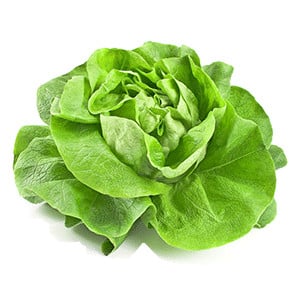
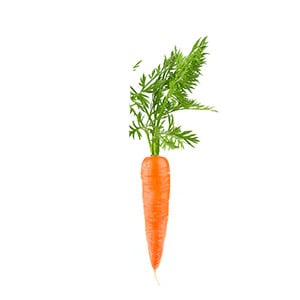
Lettuce covers the soil around your carrots, retains moisture, and protects against weeds because it grows quickly.
 +
+
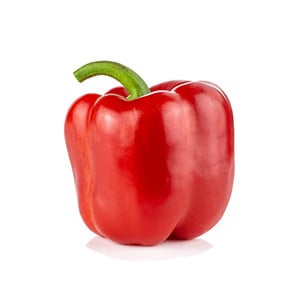
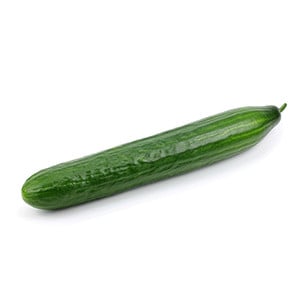
Cucumber / Gherkin + Pepper / Paprika
Your peppers and cucumbers have similar demands for light, water, and nutrients, and they thrive well in high humidity.
 +
+
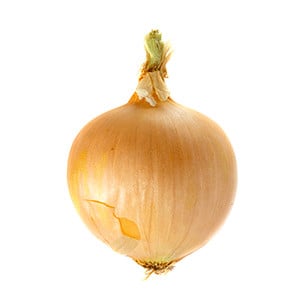
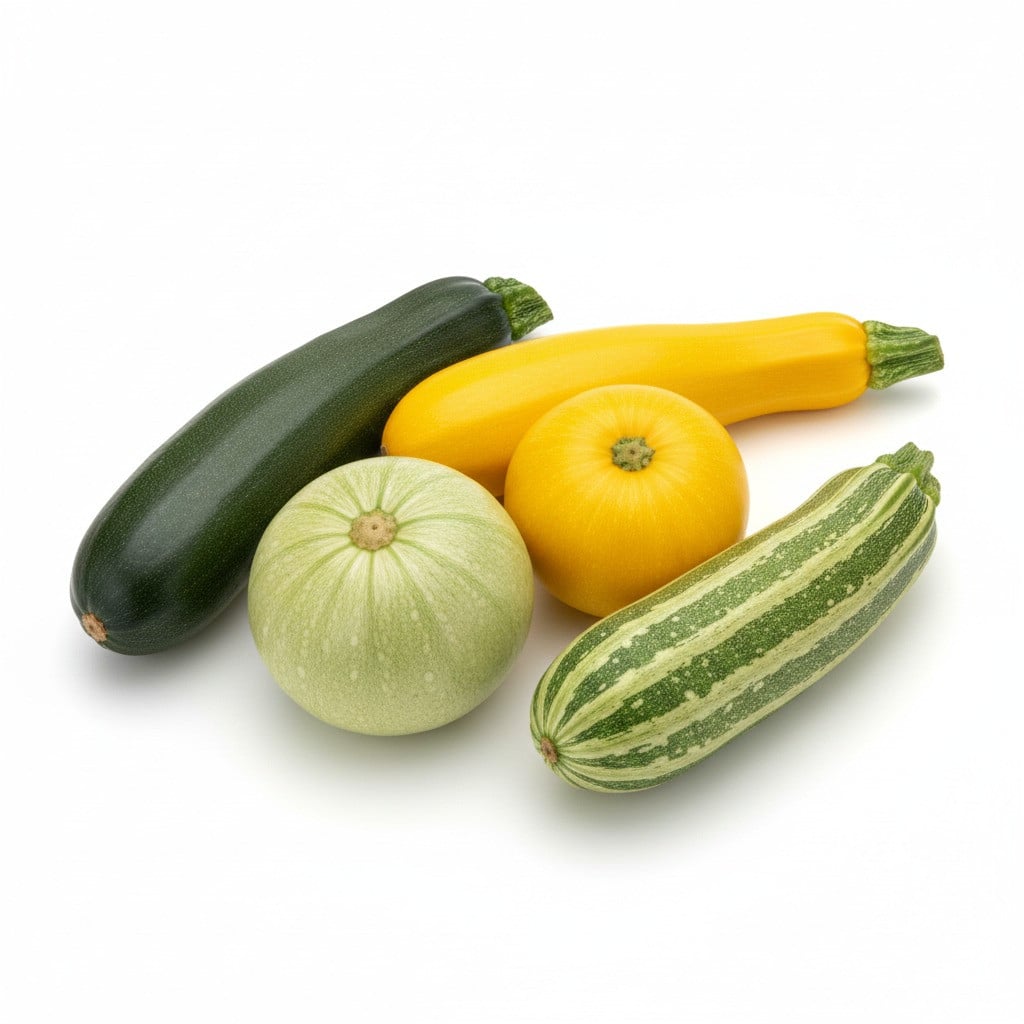
Your onions keep pests away from zucchini with their scent and prevent powdery mildew.
 +
+

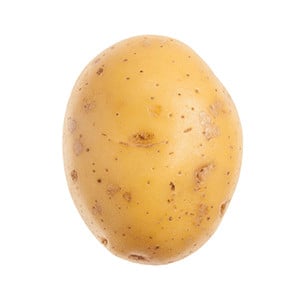
Potato + Common marigold
Potatoes and marigolds are good neighbors because marigolds contribute to soil health and keep nematodes away.
 +
+
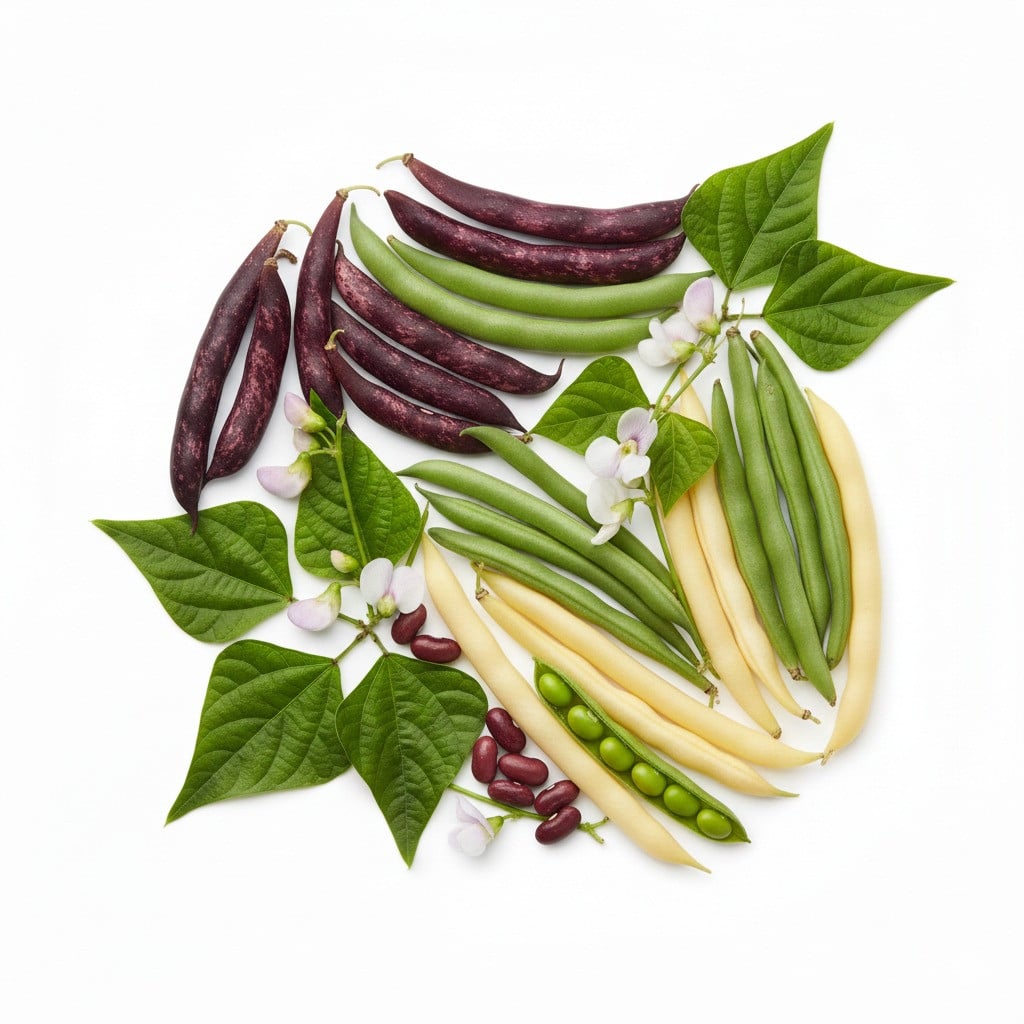
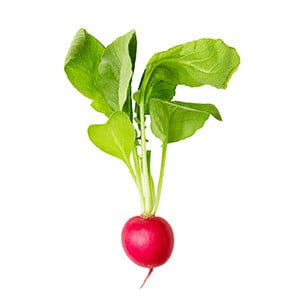
Radishes + Bean (Dwarf bean)
Radishes loosen the soil and make space for bush bean roots, which makes you both a great match.
Plan companions visually
Drag and drop crops in the Fryd bed planner to see companion matches.
Try Fryd →Growing Tips for Reykjavik
Start Seeds Indoors for a Head Start
Many plants, like garden lettuce (starting February/March) or onions (March to April), benefit from being started indoors. This protects delicate seedlings from cool spring temperatures and extends the growing season.
Soil Care is Crucial
Ensure loose, humus-rich, and well-draining soil, especially important for radishes and garlic. Good soil preparation prevents waterlogging and promotes healthy root growth.
Ensure Consistent Moisture
Many crops like carrots, potatoes, and kohlrabi require a constant water supply. Make sure the soil is always moist but not waterlogged to ensure optimal yields and quality.
Utilize Sunny Spots
Most vegetables, including carrots, onions, and potatoes, prefer a full-sun location. Choose the brightest and warmest spots in your garden for these plants to maximize their growth.
Common Pests & Diseases
Naturally Combat Slugs
Slugs can be a nuisance in humid climates like Reykjavik. Regularly pick them off, use slug fences, or attract them with beer traps to protect your plants.
Keep Aphids in Check
If you have an aphid infestation, you can spray plants with a strong stream of water or use a soapy solution (soft soap and water). Beneficial insects like ladybugs are natural predators.
Strengthen Plants for Resilience
Healthy, strong plants are less susceptible to diseases and pests. Ensure optimal growing conditions, balanced nutrient supply, and adequate watering to promote the resilience of your crops.
Practice Crop Rotation
To avoid the buildup of specific pests and diseases in the soil, rotate the planting location of your crops annually. This helps keep the soil healthy and secures yields in the long term.
Frequently Asked Questions
When can I plant tomatoes in Reykjavik?
Tomatoes are sensitive to frost. You should start them indoors in Reykjavik from April to June and only plant them outdoors or in a greenhouse after the last frosts, typically from early May. Harvest then takes place from August to September.
What climate zone is Reykjavik in?
Reykjavik is in climate zone 7a. This means you can expect mild winters and cool summers, which allows for the cultivation of many robust vegetable varieties.
Which vegetables grow best in Reykjavik?
Cold-hardy varieties like garden lettuce, radishes, carrots, onions, and potatoes are well-suited. Kohlrabi and broccoli also thrive here if they receive sufficient water and nutrients.
When is the last frost in Reykjavik?
The last frost in Reykjavik is typically in early May. After that, you can plant frost-sensitive plants outdoors.