Garden Guide
Garden Guide for Hamburg, Northern Germany & Elbe Region
Hamburg has a temperate maritime climate in USDA Hardiness Zone 8a, influenced by the North Sea and the Elbe River. This results in mild winters and rather cool summers with sufficient rainfall. The soils are often sandy-loamy to peaty, requiring good drainage and humus supply.
Thanks to Hardiness Zone 8a and the last frost in mid-April, you can start your gardening season early in Hamburg. You can start lettuce indoors from March to September, sow radishes from April to September, and start onions indoors from February to March. Frost-sensitive plants like tomatoes or pumpkins should only be moved outdoors after mid-May.
Also applies to: Lübeck, Kiel, Bremen, Schwerin, Rostock, Oldenburg
Plan your Hamburg garden in the Fryd appPlanting Calendar
When to start indoors, sow outdoors, and harvest in Hamburg.
| Crop | Jan | Feb | Mar | Apr | May | Jun | Jul | Aug | Sep | Oct | Nov | Dec |
|---|---|---|---|---|---|---|---|---|---|---|---|---|
| Carrots ●●● ●●○ ●○○ | |
|
|
|
|
|
|
|
||||
| Lettuce (Lettuce) ●●○ ●●○ ●●○ | |
|
|
|
|
|
|
|
|
|||
| Cucumber / Gherkin ●●● ●●○ ●●● | |
|
|
|
|
|
||||||
| Courgette / Zucchini ●●● ●●● ●●● | |
|
|
|
|
|
|
|||||
| Pepper / Paprika ●●● ●●○ ●●● | |
|
|
|
|
|
|
|||||
| Potato ●●● ●●○ ●●● | |
|
|
|
|
|
|
|
||||
| Radishes ●●● ●●○ ●○○ | |
|
|
|
|
|
|
|
||||
| Tomato (Bush tomato) ●●● ●●○ ●●● | |
|
|
|
|
|
|
|
||||
| Onion ●●● ●●○ ●●○ | |
|
|
|
|
|
||||||
| Tomato (Cocktail bush tomato) ●●● ●●○ ●●● | |
|
|
|
|
|
|
|
||||
| Bean (Dwarf bean) ●●● ●●○ ●○○ | |
|
|
|
|
|
||||||
| Pea ●●● ●●○ ●○○ | |
|
|
|
|
|
|
|||||
| Basil ●●● ●●○ ●●● | |
|
|
|
|
|
|
|||||
| Beetroot ●●● ●●○ ●●○ | |
|
|
|
|
|
|
|
||||
| Strawberry ●●● ●●○ ●●● | |
|
|
|
|
|
|
|
||||
| Kohlrabi / German turnip / Turnip cabbage ●●● ●●○ ●●○ | |
|
|
|
|
|
|
|
||||
| Garlic ●●● ●●○ ●○○ | |
|
|
|
|
|
||||||
| Pumpkin / Squash ●●● ●●● ●●● | |
|
|
|
|
|
||||||
| Broccoli ●●● ●●● ●●● | |
|
|
|
|
|
|
|
||||
| Common marigold ●●● ●○○ | |
|
|
|
|
|
|
|
|
Planting Calendar Hamburg
- Carrots: Sowing Apr - Jul, Harvest Jul - Nov (Light: high, Water: medium, Nutrients: low)
- Lettuce (Lettuce): Start indoors Mar - Sep, Sowing Apr - Oct, Harvest Apr - Nov (Light: medium, Water: medium, Nutrients: medium)
- Cucumber / Gherkin: Start indoors May - Jun, Sowing Jun - Jul, Harvest Jul - Oct (Light: high, Water: medium, Nutrients: high)
- Courgette / Zucchini: Start indoors Apr - Jun, Sowing Jun - Jul, Harvest Jul - Oct (Light: high, Water: high, Nutrients: high)
- Pepper / Paprika: Start indoors Mar - Apr, Sowing Jun - Jul, Harvest Aug - Oct (Light: high, Water: medium, Nutrients: high)
- Potato: Start indoors Mar - Apr, Sowing Apr - Jul, Harvest Jul - Oct (Light: high, Water: medium, Nutrients: high)
- Radishes: Sowing Mar - Sep, Harvest Jun - Oct (Light: high, Water: medium, Nutrients: low)
- Tomato (Bush tomato): Start indoors Mar - May, Sowing Jun - Jul, Harvest Jul - Oct (Light: high, Water: medium, Nutrients: high)
- Onion: Start indoors Feb - Mar, Sowing Mar - May, Harvest Aug - Sep (Light: high, Water: medium, Nutrients: medium)
- Tomato (Cocktail bush tomato): Start indoors Mar - May, Sowing Jun - Jul, Harvest Jul - Oct (Light: high, Water: medium, Nutrients: high)
- Bean (Dwarf bean): Start indoors May - Jun, Sowing Jun - Jul, Harvest Jul - Oct (Light: high, Water: medium, Nutrients: low)
- Pea: Sowing Apr - Jul, Harvest Jun - Oct (Light: high, Water: medium, Nutrients: low)
- Basil: Start indoors Apr - Jul, Sowing Jun - Aug, Harvest Jun - Oct (Light: high, Water: medium, Nutrients: high)
- Beetroot: Start indoors Mar - Apr, Sowing Apr - Jul, Harvest Jul - Oct (Light: high, Water: medium, Nutrients: medium)
- Strawberry: Start indoors Mar - May, Sowing Apr - Jul, Harvest Jun - Oct (Light: high, Water: medium, Nutrients: high)
- Kohlrabi / German turnip / Turnip cabbage: Start indoors Mar - Jun, Sowing Apr - Jul, Harvest Jun - Oct (Light: high, Water: medium, Nutrients: medium)
- Garlic: Sowing Sep - Nov, Harvest Jun - Aug (Light: high, Water: medium, Nutrients: low)
- Pumpkin / Squash: Start indoors Apr - Jun, Sowing Jun - Jul, Harvest Sep - Oct (Light: high, Water: high, Nutrients: high)
- Broccoli: Start indoors Mar - May, Sowing Jun - Jul, Harvest Jul - Oct (Light: high, Water: high, Nutrients: high)
- Common marigold: Start indoors Mar - Apr, Sowing May - Aug, Harvest Jul - Nov (Light: high, Nutrients: low)
Based on Fryd planting data for Zone 8a, 2026.
Companion Planting for Hamburg
Plants that thrive together in Northern Germany & Elbe Region.
Some plants grow better side by side: they keep pests away, improve the soil or make the most of the space. More on companion planting →
 +
+
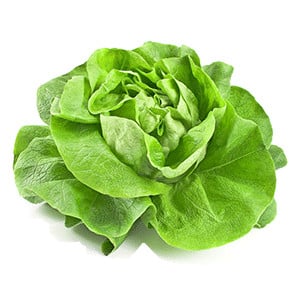
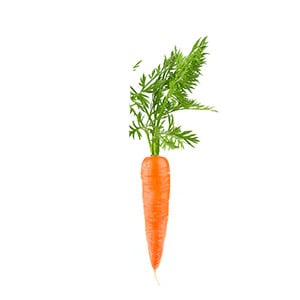
Lettuce covers the soil around your carrots, retains moisture, and protects against weeds because it grows quickly.
 +
+
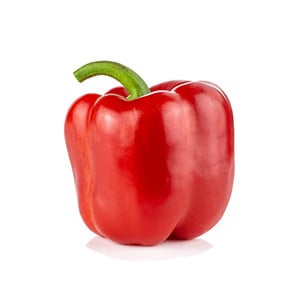
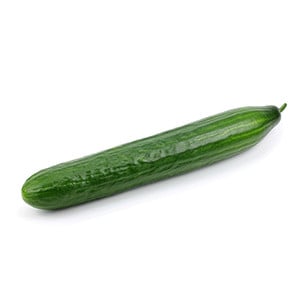
Cucumber / Gherkin + Pepper / Paprika
Your peppers and cucumbers have similar demands for light, water, and nutrients, and they thrive well in high humidity.
 +
+
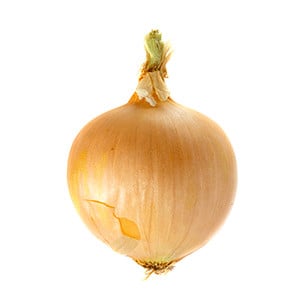
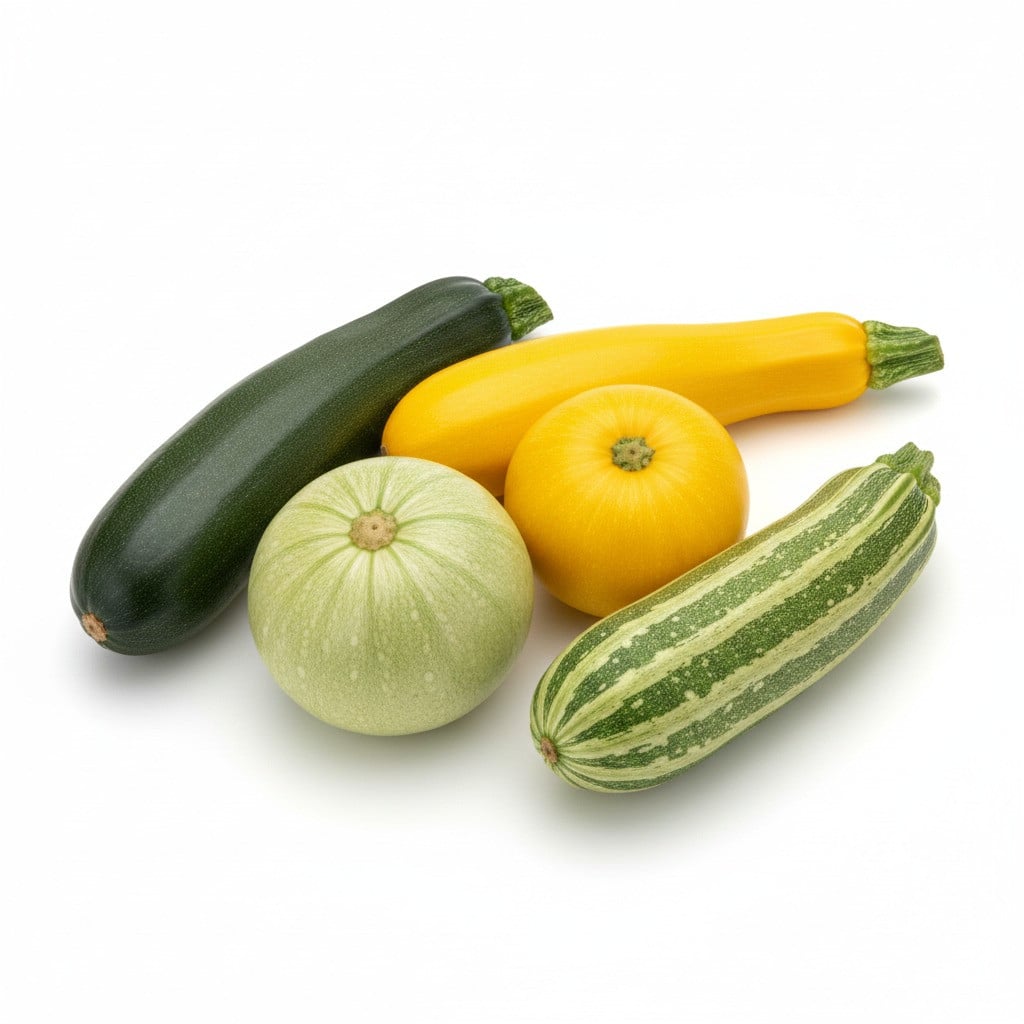
Your onions keep pests away from zucchini with their scent and prevent powdery mildew.
 +
+
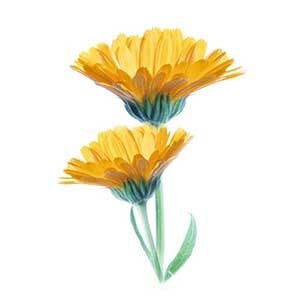
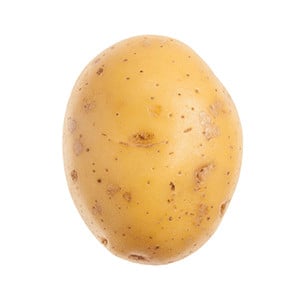
Potato + Common marigold
Potatoes and marigolds are good neighbors because marigolds contribute to soil health and keep nematodes away.
 +
+
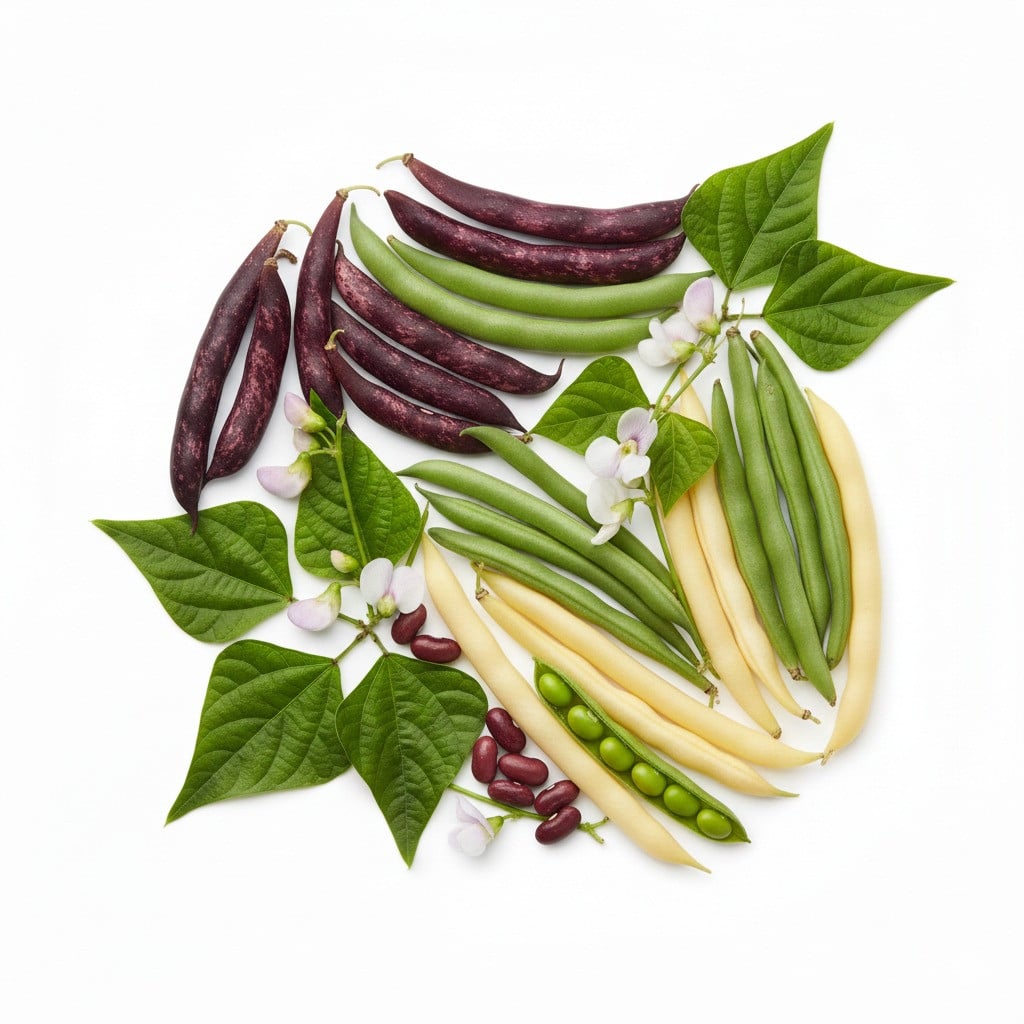
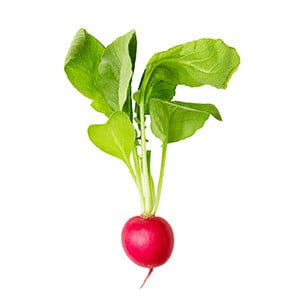
Radishes + Bean (Dwarf bean)
Radishes loosen the soil and make space for bush bean roots, which makes you both a great match.
Plan companions visually
Drag and drop crops in the Fryd bed planner to see companion matches.
Try Fryd →Growing Tips for Hamburg
Starting Seeds Indoors for an Early Start
Many crops like lettuce, onions, or broccoli benefit from starting seeds indoors in Hamburg from March. This protects young plants from late frosts and gives them a head start. Pay attention to fine seed-starting mix and the correct sowing depth.
Soil Care is Crucial
For most vegetables, especially radishes, onions, and brassicas (cabbage family), loose, humus-rich, and well-draining soil is important. Regularly incorporating compost improves soil structure and nutrient supply. Avoid waterlogging, especially for garlic.
Consistent Moisture Ensures Good Yields
Plants like radishes, broccoli, pumpkin, and zucchini need a constant water supply to thrive optimally and produce good yields. During dry spells, radishes can become woody, and pumpkins may produce fewer fruits. Ensure regular watering, especially during dry periods.
Protecting Frost-Sensitive Crops
Although Hamburg is in Zone 8a, frost-sensitive plants like pumpkin, zucchini, beans, cucumbers, basil, tomatoes, and peppers are only safe outdoors from mid-May. Starting them indoors is highly recommended here to make the most of the growing season.
Common Pests & Diseases
Preventing Snail and Slug Infestations
Snails and slugs are often a problem in humid regions like Hamburg, especially for lettuce and young plants. Collect them regularly, use slug fences, or biological remedies like Ferramol. Encourage natural predators like hedgehogs and birds in your garden.
Aphids on Vegetables
Aphids can appear on many plants like beans, cabbage, or lettuce. Check your plants regularly and, if infested, spray with a soapy solution or introduce beneficial insects like ladybug larvae. Good plant health prevents infestations.
Late Blight on Tomatoes and Potatoes
Late blight is a common fungal disease that affects tomatoes and potatoes, especially in humid summers. Choose resistant varieties, ensure adequate plant spacing, and protect plants from rain, for example, with a cover.
Cabbage Root Fly on Brassicas
The cabbage root fly can damage kohlrabi and broccoli as its larvae feed on the roots. Protect your young brassicas with closely fitted insect netting. Companion planting with celery or tomatoes can also help reduce infestations.
Frequently Asked Questions
When can I plant tomatoes in Hamburg?
Tomatoes are frost-sensitive and should only be planted outdoors in Hamburg after the last frost in mid-April, but ideally not until mid-May. Starting them indoors is possible from April to May, with harvesting then from August to October.
What hardiness zone is Hamburg in, and what does that mean for my garden?
Hamburg is in Hardiness Zone 8a, which means you can expect mild winters and a longer growing season. Many cold-hardy plants thrive here, but frost-sensitive crops still need protection or to be started indoors.
Which vegetables grow best in Hamburg?
Many vegetables thrive in Hamburg, especially cold-hardy types like lettuce, radishes, carrots, onions, and brassicas. Potatoes and strawberries are also a good choice. Pay attention to each plant's specific needs regarding light and water.
When is the last frost in Hamburg?
The last frost in Hamburg is typically expected in mid-April. However, for frost-sensitive plants like pumpkin, cucumber, or tomato, you should wait until mid-May to be safe before planting them outdoors.