Garden Guide
Garden Guide for Denver, Colorado Front Range
Denver sits in USDA Hardiness Zone 5b, so expect chilly winters and hot, dry summers. Our high altitude means super intense sun, and you'll often find clayey or sandy soils that lean alkaline. Plus, quick temperature swings between day and night are totally normal here.
In Denver, Zone 5b, aim to start planting after the last frost, usually in early May. For frost-sensitive plants like squash, you can start them indoors from May and transplant them outside in July to get a harvest by October. Garden lettuce can be started indoors from April to October and direct-sown from May to September, giving you harvests from May to October. Radishes can be sown from April to September for harvests from June to October.
Also applies to: Aurora, Lakewood, Boulder, Fort Collins, Colorado Springs
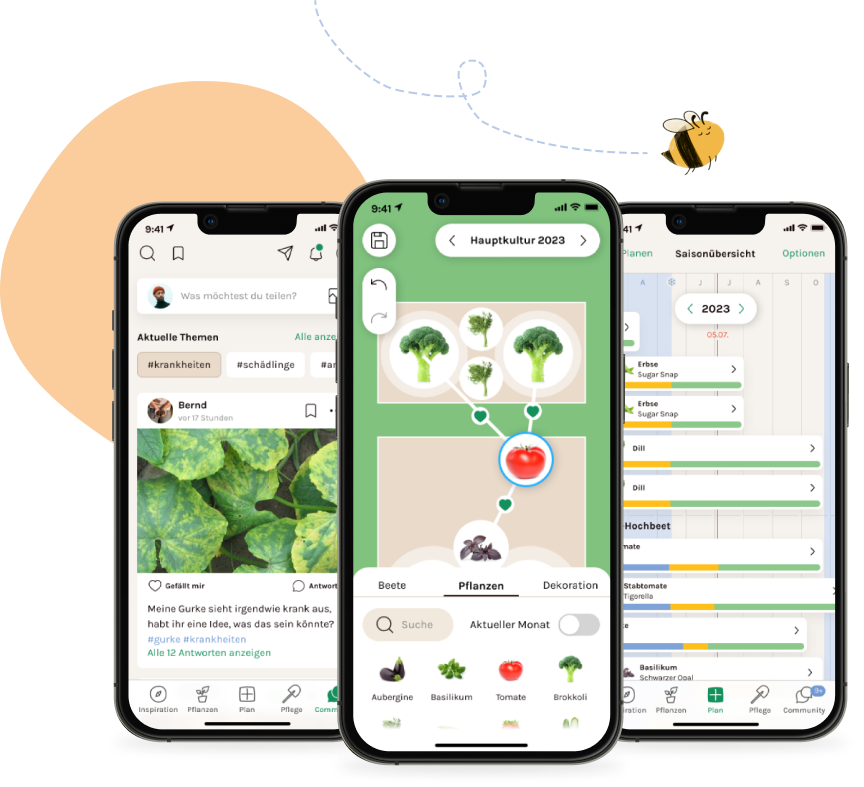
Plan your Denver garden in the Fryd appPlanting Calendar
When to start indoors, sow outdoors, and harvest in Denver.
| Crop | Jan | Feb | Mar | Apr | May | Jun | Jul | Aug | Sep | Oct | Nov | Dec |
|---|---|---|---|---|---|---|---|---|---|---|---|---|
| Carrots ●●● ●●○ ●○○ | |
|
|
|
|
|||||||
| Lettuce (Lettuce) ●●○ ●●○ ●●○ | |
|
|
|
|
|
|
|||||
| Cucumber / Gherkin ●●● ●●○ ●●● | |
|
|
|
||||||||
| Courgette / Zucchini ●●● ●●● ●●● | |
|
|
|
|
|||||||
| Pepper / Paprika ●●● ●●○ ●●● | |
|
|
|
|
|
|
|
||||
| Potato ●●● ●●○ ●●● | |
|
|
|
|
|
|
|
||||
| Radishes ●●● ●●○ ●○○ | |
|
|
|
|
|
|
|||||
| Tomato (Bush tomato) ●●● ●●○ ●●● | |
|
|
|
|
|
||||||
| Tomato (Cocktail bush tomato) ●●● ●●○ ●●● | |
|
|
|
|
|
||||||
| Onion ●●● ●●○ ●●○ | |
|
|
|||||||||
| Bean (Dwarf bean) ●●● ●●○ ●○○ | |
|
|
|
|
|
|
|||||
| Pea ●●● ●●○ ●○○ | |
|
|
|
|
|||||||
| Basil ●●● ●●○ ●●● | |
|
|
|
|
|||||||
| Beetroot ●●● ●●○ ●●○ | |
|
|
|
|
|
|
|
||||
| Strawberry ●●● ●●○ ●●● | |
|
|
|
|
|
|
|||||
| Kohlrabi / German turnip / Turnip cabbage ●●● ●●○ ●●○ | |
|
|
|
|
|
||||||
| Garlic ●●● ●●○ ●○○ | |
|
|
|
|
|
||||||
| Pumpkin / Squash ●●● ●●● ●●● | |
|
|
|
||||||||
| Broccoli ●●● ●●● ●●● | |
|
|
|
|
|
||||||
| Common marigold ●●● ●○○ | |
|
|
|
|
|
|
|
|
Planting Calendar Denver
- Carrots: Sowing May - Jun, Harvest Aug - Oct (Light: high, Water: medium, Nutrients: low)
- Lettuce (Lettuce): Start indoors Apr - Oct, Sowing May - Sep, Harvest May - Oct (Light: medium, Water: medium, Nutrients: medium)
- Cucumber / Gherkin: Start indoors Jun - Jul, Sowing Jul - Aug, Harvest Aug - Sep (Light: high, Water: medium, Nutrients: high)
- Courgette / Zucchini: Start indoors May - Jul, Sowing Jul, Harvest Aug - Sep (Light: high, Water: high, Nutrients: high)
- Pepper / Paprika: Start indoors Feb - Mar, Sowing May - Jun, Harvest Jul - Oct (Light: high, Water: medium, Nutrients: high)
- Potato: Start indoors Mar, Sowing Mar - Jun, Harvest Jun - Oct (Light: high, Water: medium, Nutrients: high)
- Radishes: Sowing Apr - Sep, Harvest Jun - Oct (Light: high, Water: medium, Nutrients: low)
- Tomato (Bush tomato): Start indoors Apr - Jun, Sowing Jul, Harvest Aug - Sep (Light: high, Water: medium, Nutrients: high)
- Tomato (Cocktail bush tomato): Start indoors Apr - Jun, Sowing Jul, Harvest Aug - Sep (Light: high, Water: medium, Nutrients: high)
- Onion: Start indoors Mar - Apr, Sowing Apr - May (Light: high, Water: medium, Nutrients: medium)
- Bean (Dwarf bean): Start indoors Apr - May, Sowing May - Jul, Harvest Jun - Oct (Light: high, Water: medium, Nutrients: low)
- Pea: Sowing May - Jul, Harvest Jul - Sep (Light: high, Water: medium, Nutrients: low)
- Basil: Start indoors May - Aug, Sowing Jul - Sep, Harvest Jul - Sep (Light: high, Water: medium, Nutrients: high)
- Beetroot: Start indoors Mar - Apr, Sowing Apr - Jul, Harvest Jul - Oct (Light: high, Water: medium, Nutrients: medium)
- Strawberry: Start indoors Mar - Jun, Sowing May - Jul, Harvest Jun - Sep (Light: high, Water: medium, Nutrients: high)
- Kohlrabi / German turnip / Turnip cabbage: Start indoors Apr - Jul, Sowing May - Jul, Harvest Jul - Sep (Light: high, Water: medium, Nutrients: medium)
- Garlic: Sowing Sep - Nov, Harvest Jun - Aug (Light: high, Water: medium, Nutrients: low)
- Pumpkin / Squash: Start indoors May - Jul, Sowing Jul, Harvest Oct (Light: high, Water: high, Nutrients: high)
- Broccoli: Start indoors Apr - Jun, Sowing Jul, Harvest Aug - Sep (Light: high, Water: high, Nutrients: high)
- Common marigold: Start indoors Mar - Apr, Sowing Apr - Aug, Harvest Jun - Nov (Light: high, Nutrients: low)
Based on Fryd planting data for Zone 5b, 2026.
Companion Planting for Denver
Plants that thrive together in Colorado Front Range.
Some plants grow better side by side: they keep pests away, improve the soil or make the most of the space. More on companion planting →
 +
+
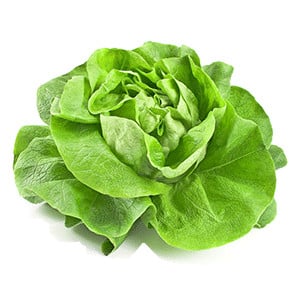
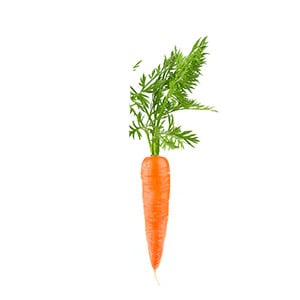
Lettuce covers the soil around your carrots, retains moisture, and protects against weeds because it grows quickly.
 +
+
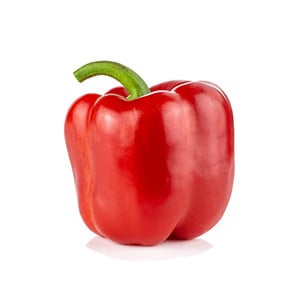
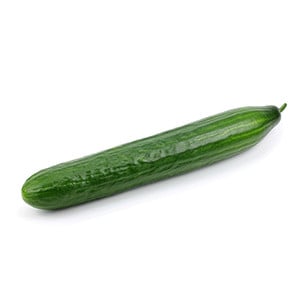
Cucumber / Gherkin + Pepper / Paprika
Your peppers and cucumbers have similar demands for light, water, and nutrients, and they thrive well in high humidity.
 +
+
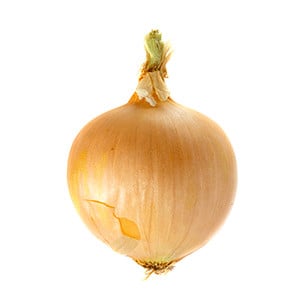
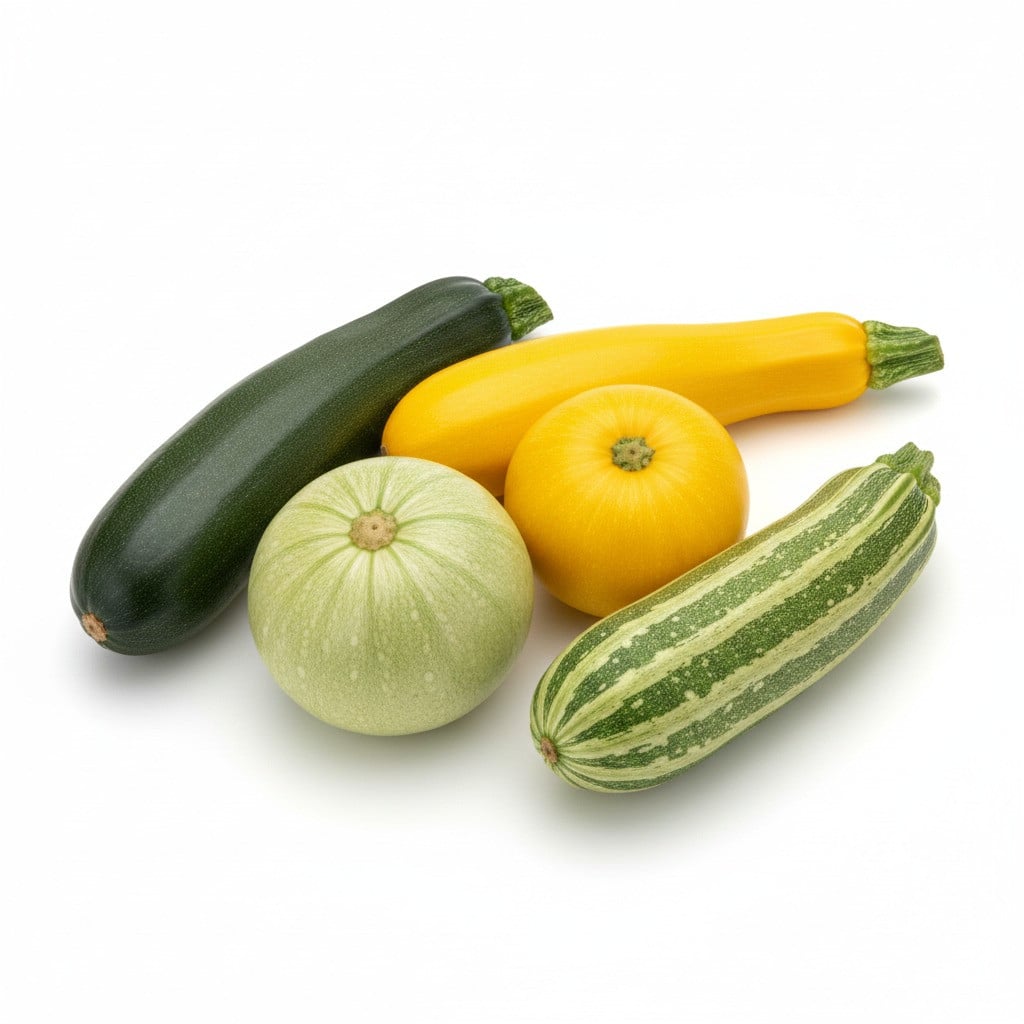
Your onions keep pests away from zucchini with their scent and prevent powdery mildew.
 +
+

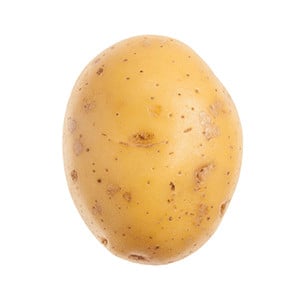
Potato + Common marigold
Potatoes and marigolds are good neighbors because marigolds contribute to soil health and keep nematodes away.
 +
+
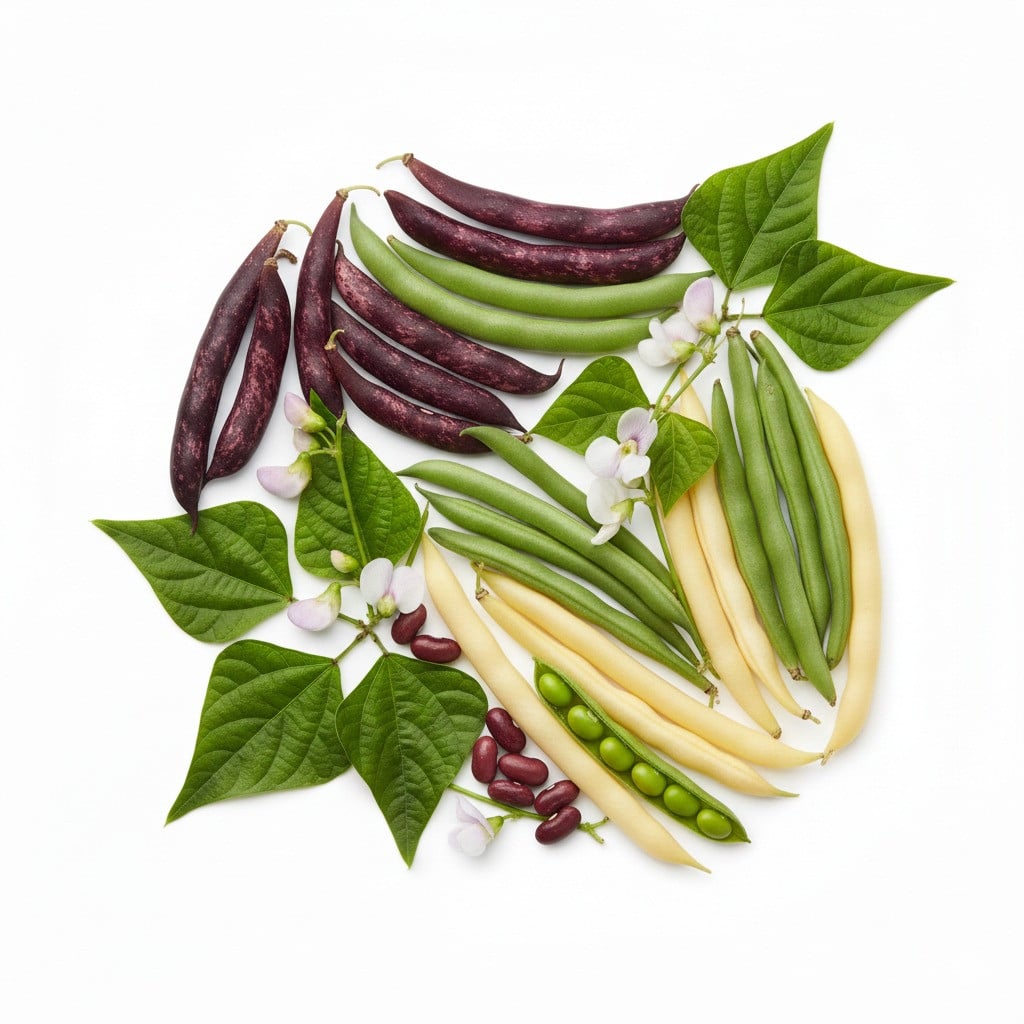
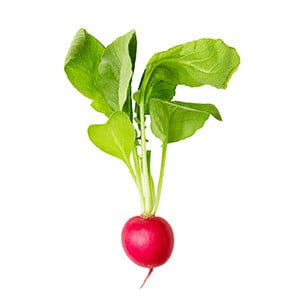
Radishes + Bean (Dwarf bean)
Radishes loosen the soil and make space for bush bean roots, which makes you both a great match.
Plan companions visually
Drag and drop crops in the Fryd bed planner to see companion matches.
Try Fryd →Growing Tips for Denver
Starting Seeds Indoors for a Head Start
Lots of plants like tomatoes, peppers, and squash really benefit from getting a head start indoors here in Denver. Kick off your seed starting 6-8 weeks before the last frost to grow strong, healthy seedlings. This trick helps you make the most of our shorter growing season and enjoy earlier harvests!
Soil Improvement is Crucial
Denver's soils can be pretty tricky – often clayey or sandy, and usually with a high pH. Make sure to mix in lots of compost and organic matter. This will really help improve the soil structure, boost nutrient availability, encourage healthy root growth, and help your plants hold onto water better.
Ensure Consistent Watering
Because of our dry climate, keeping your plants consistently watered is super important, especially for thirsty crops like radishes, broccoli, and squash. Aim for soil that's always moist but never soggy to keep your plants happy and stress-free. Drip irrigation can be a real game-changer here!
Sun Protection at High Altitude
The sun in Denver is no joke – it's super intense because of our high altitude! Pick plants that love lots of light, or give your more sensitive crops a little shade during the hottest part of the afternoon. This will help prevent sunburn and keep your soil temperatures in check.
Common Pests & Diseases
Combat Aphids
Aphids can really weaken your plants by sucking out their sap. Try blasting them off with a strong spray of water or using a simple soapy solution for a natural fix. And don't forget to invite beneficial insects like ladybugs into your garden – they love to munch on aphids!
Keep Slugs in Check
Slugs are big fans of tender young lettuce and radish plants. You can hand-pick them in the evenings or set out beer traps to lure them away. A slug collar or a barrier of crushed eggshells can also help protect your precious plants.
Prevent Powdery Mildew
Powdery mildew looks like a white, dusty coating on leaves, especially on squash and cucumber plants. Make sure your plants have good air circulation and water them in the morning so their leaves can dry quickly. A spray of milk and water can also be a helpful remedy!
Identify and Act on Colorado Potato Beetles
You'll spot Colorado potato beetles by their distinctive yellow and black striped wings and bright orange larvae. Regularly hand-pick both the beetles and their larvae to keep infestations under control. Companion planting with marigolds can also help deter them.
Frequently Asked Questions
When should I plant tomatoes in Denver?
Tomatoes are super sensitive to frost, so hold off on planting them outdoors in Denver until after the last frost, usually in early May. Ideally, start your tomato seeds indoors from April to June, and you'll be enjoying fresh harvests in August and September!
What hardiness zone is Denver in?
Denver is located in USDA Hardiness Zone 5b. This means you'll need to plan for cold winters and hot, dry summers when you're picking out plants and caring for your garden.
Which plants thrive best in Denver?
Lots of cold-hardy veggies like garden lettuce, radishes, carrots, and potatoes do really well here. Even warm-season favorites like squash, zucchini, and tomatoes can be successfully grown if you give them a head start indoors and plenty of water!
When is the last frost in Denver?
The last frost in Denver usually hits in early May. Make sure you definitely wait until after this date before planting any frost-sensitive plants outdoors to keep them safe from damage.