Saffron

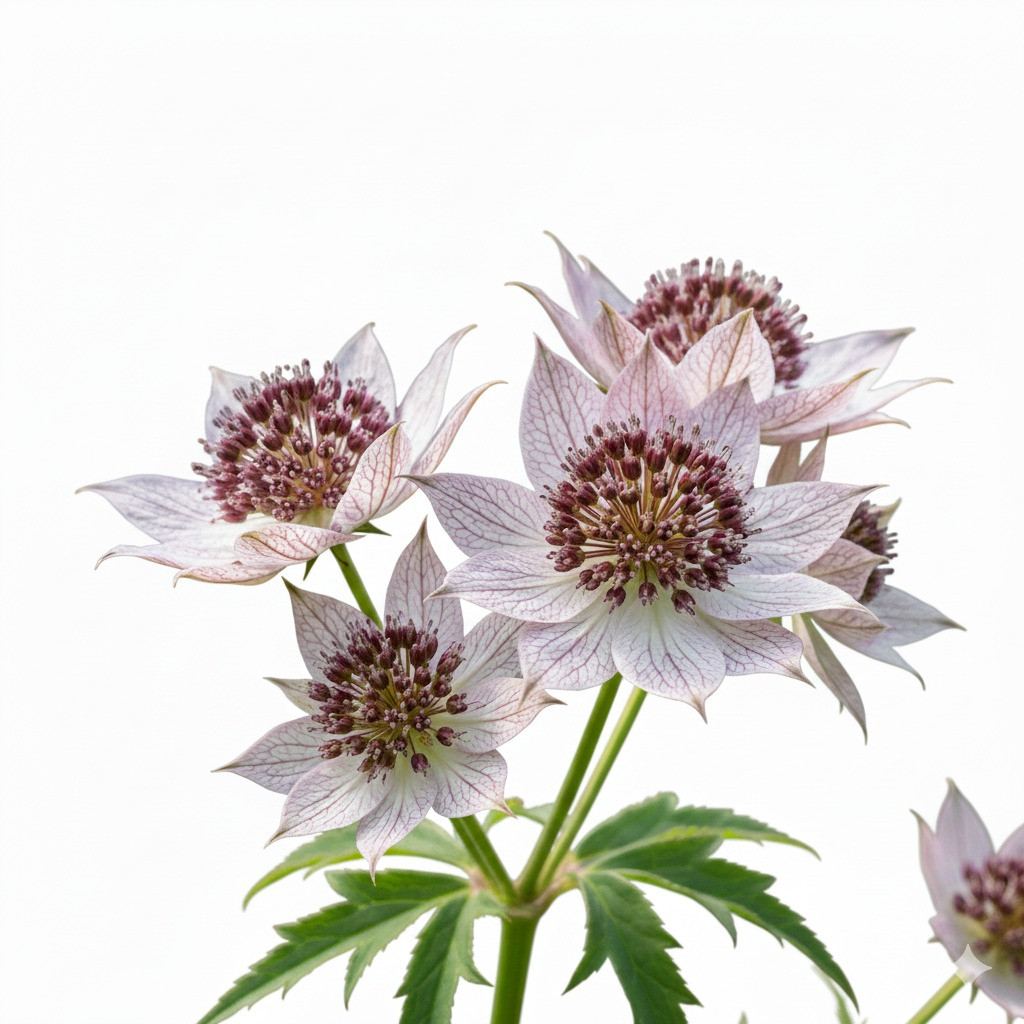
Saffron
Astrantia
Pflanzenfamilie
Umbellifers (Apiaceae)
Saisonübersicht
Aussaat
Ernte
J
F
M
A
M
J
J
A
S
O
N
D
1. JAHR
FOLGEJAHRE
Details


Lichtbedarf
Sonnig

Wasserbedarf
Feucht

Boden
Mittelschwer (lehmig)
Nährstoffbedarf
Mittel

Lichtkeimer

Keimtemperatur
15 - 20 °C (Grad Celsius)

Pflanzabstand
40 cm

Reihenabstand
50 cm

Saattiefe
0.5 cm
Anleitungen
Beschreibung
Saffron belongs to the iris family (Iridaceae) and has purple flowers with beautiful veins. It is also called red gold, because the extraction of saffron threads is very complex and therefore expensive. The orange-red stigmas protrude above the petals. Saffron is a perennial crocus.
Herkunft:
Aegean
Anbautipps
The plant needs the most stable, warm climate, and during flowering the temperature should not fall below 15 ° C. The soil should not be too moist, otherwise they quickly rot the tubers, but the humidity should not be too low. Needs some watering only in extreme heat, otherwise very sparingly, and between May-August not at all. Also, saffron needs a lot of light. In mid-October, the saffron plant blooms for about 3 weeks. During 2-6 days in these 3 weeks, the intense flowering phase occurs. The flowers that appear overnight must be harvested at dawn the next day - preferably in closed form. This is the only way to ensure the high quality of the saffron threads. After harvesting the flower, the red stigmas can be carefully and meticulously cut off by hand and then dried. Saffron must be stored away from light. Saffron is propagated by dividing its tubers. Plant every 4 years in a new place preferably in late spring or early summer. Tolerates temperatures down to -10°C. Do not eat the other parts of the saffron as they are mildly toxic, as are excessive amounts of the saffron filaments. Other autumn crocuses are good neighboring plants.


Schlechte Nachbarn
Aubergine / Eggplant
Broccoli
Broccoli raab / Stem cabbage / Cima di rapa
Brussels sprouts
Cabbage (Cabbage)
Cabbage (Pointed cabbage)
Cabbage (red cabbage)
Cabbage (Savoy cabbage)
Cauliflower
Chili
Collard greens
Collard greens (Kale)
Collard greens (Tuscan kale / Dinosaur kale / Palm tree kale)
Courgette / Zucchini
Gemüsekohl - Flower Sprouts / Kohlröschen
Gemüsekohl - Kai-Lan / Chinesischer Brokkoli
Gliedkräuter
Kohlrabi / German turnip / Turnip cabbage
Lavender
Mint
Napa cabbage / Chinese cabbage
Okra
Oregano
Ornamental pumpkin
Pepper / Paprika
Pumpkin / Squash
Rosemary
Rudbeckia (Coneflower / Black-eyed-susans)
Sage
Thyme
Tomato (Bush tomato)
Tomato (Cocktail bush tomato)
Tomato (Cocktail Stake Tomato)
Tomato (Stake tomato)
Zierlauche

Krankheiten
Powdery mildews
Septoria
Angular leaf spot of cucumber
Root Rot
Schädlinge
Leaf-miner flies
Land snails