Süßkartoffel

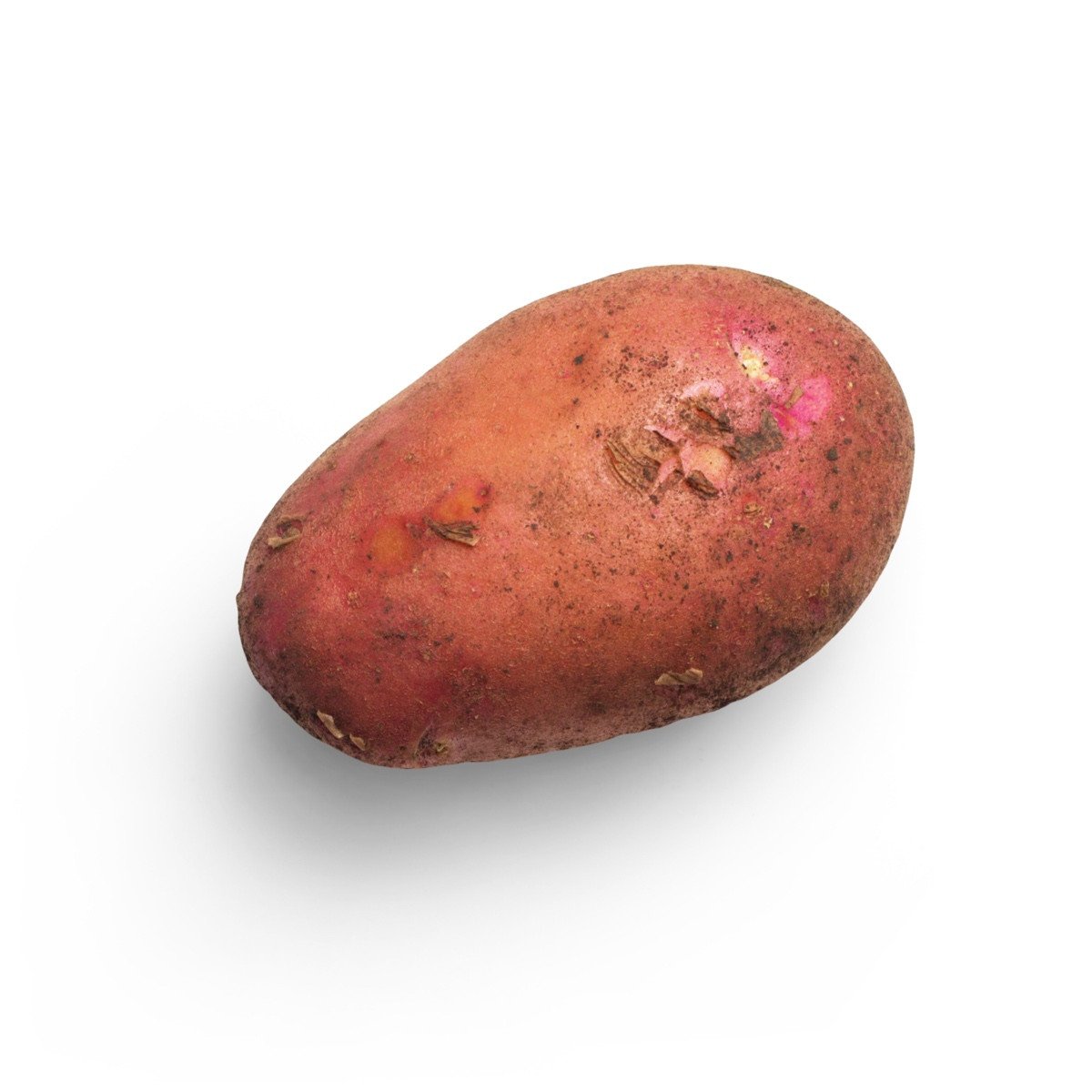
Süßkartoffel
Ipomea batatas
Pflanzenfamilie
Windengewächse (Convolvulaceae)
Auch bekannt als
Batate, Weiße Kartoffel, Knollenwinde
Saisonübersicht
Voranzucht
Pflanzung
Ernte
J
F
M
A
M
J
J
A
S
O
N
D
Details


Lichtbedarf
Sonnig

Wasserbedarf
Feucht

Boden
Leicht (sandig)

Nährstoffbedarf
Hoch

Pflanzabstand
50 cm

Reihenabstand
50 cm

Saattiefe
10 cm
Anleitungen
Mitte April

Propagating
Mitte April

Weeding
alle zwei Wochen
Mitte April

Pest protection
Beschreibung
Die Süßkartoffel (Ipomoea batatas) ist in Südamerika ein Hauptbestandteil der Nahrung. Sie gehört zu den Windengewächsen (Convolvulaceae) und übergeordnet zu den Nachtschattenartigen. Eine entfernte Verwandtschaft besteht zu unserer Kartoffel (Solanum tuberosum), aber sonst gibt es wenig Gemeinsamkeiten. Mit anderen Knollengewächsen wie dem Topinambur (Helianthus tuberosus) gibt es sogar gar keine Gemeinsamkeiten. Süßkartoffeln gibt es in den Farben weiß, gelb, rosa, orange oder violett und die Knollen erreichen eine Größe von bis zu 30 cm und mehreren Kilogramm. Die Pflanze bildet lange Sprossen mit dichtem Blattwuchs aus. Die Blätter haben eine herzförmige Form, die an Efeu erinnert und sind hell-dunkelgrün. Die Süßkartoffel ist eine einjährige Pflanze. Süßkartoffel sind kälteempfindlich.
Herkunft:
Mittel- und Südamerika
Anbautipps
Die Süßkartoffel ist sehr kälteempfindlich und kann daher erst nach den Eisheiligen oder den letzten Frösten ausgepflanzt werden. Beim Einpflanzen kann man entweder die komplette Knolle oder auch nur die einzelnen Sprossstecklinge, die sich beim Vorkeimen gebildet haben, in die Erde setzen. Wird die ganze Knolle genutzt, sollte diese etwa zur Hälfte aus der Erde schauen. Ähnlich wie bei Kartoffeln lohnt sich auch bei der Süßkartoffel der Anbau in 60 cm breiten und etwa 20 cm hohen Erddämmen. Durch den Anbau im Damm erwärmt sich die Erde rund um die Süßkartoffel schneller, was ein höheres Wachstum verspricht. Gleichzeitig kann überschüssiges Wasser schneller abfließen und die Gefahr von Staunässe sinkt. Natürlich können Süßkartoffeln auch im Topf angebaut werden – vor allem für kältere Regionen ist dieses Verfahren eine gute Alternative zum Anbau im Beet, da die Jungpflanzen noch im geschützten Haus oder Wintergarten heranwachsen können und erst dann ins Freie ziehen, wenn die Gefahr von Kälteeinbrüchen komplett gebannt ist. Für einen Anbau im Kübel sollte dieser mindestens ein Volumen von 20 l haben. Ein schwarzer Kübel kann ein Vorteil sein, da dieser das Sonnenlicht nicht reflektiert und die Erde im Topf so schneller erwärmt wird. Das Substrat sollte locker und durchlässig sein, außerdem schätzt die Süßkartoffel viel Sonne und einen geschützten Standort. Besonders in der Anfangszeit wachsen Süßkartoffeln sehr langsam. Die Folge: Lange Zeit bietet das Beet viel nackte Erde, was zu einer gesteigerten Bodenerosion führen kann. Dagegen kann man mit schwarzer Folie, Mulchen oder einer Mischkultur mit Salat, Spinat oder Radieschen nachhelfen, bevor die Süßkartoffel das Beet in der späteren Kulturzeit Anspruch nimmt durch ihren dichten Wuchs. Je größer das Blattgeflecht der Süßkartoffel wird, desto mehr Wasser braucht sie. Bei einer Topfkultur muss öfter gedüngt werden, während bei einer Beetkultur ein gutes Düngen zu Anfang der Kulturperiode ausreichen kann. Sobald sich ihre Blätter gelblich verfärben, ist die Süßkartoffel erntereif ab September/Oktober. Sie muss allerdings vor den ersten Frösten geerntet werden, da sie die Kälte nicht verträgt und abstirbt. Beim Ernten sollte darauf geachtet werden, dass die dünne Rinde nicht beschädigt wird, da dies die Lagerzeit verkürzt und zu Fäulnis führen kann. (Für mehr Infos unter plantura.garden).

Gute Nachbarn

Schlechte Nachbarn

Krankheiten
Stängelfäule

Schädlinge
Nematoden
Schnecken
Blattläuse
Wühlmäuse