Eiffel

Variety
Eiffel
created by Sebastian at 27.02.2021
Seed packet
Cultivation Break
4 Years
Season Overview
Propagating
Planting
Harvest
J
F
M
A
M
J
J
A
S
O
N
D
Description
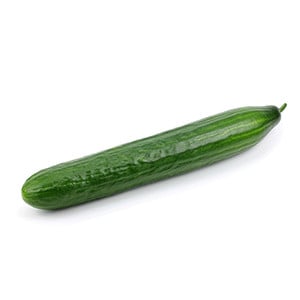
Salad cucumber 'Eiffel' is an all-female, parthenocarpic F1 hybrid. This means that fruit can form from each flower without pollination. That is why this cucumber is very productive and does not depend on pollinating insects. It is ideal for culture in the greenhouse. The fruits are bitter-free, about 30 cm long, 4 cm in diameter, 400 g in weight and have a green, slightly grooved skin. This variety of cucumber is resistant to leaf blight, cucumber scabies and powdery mildew. Site requirements: Cucumbers require loose, nutrient-rich, humus-rich soil that is always moist. The soil temperature must be above 15 °C for the plants to grow. A warm location sheltered from the wind is ideal. Tips: Sow the seeds individually about 2 cm deep in small pots with growing soil, water them well and place the pots in a warm place that has the temperature of 22-25 °C day and night. Cucumbers are very sensitive to cold and will not grow at temperatures below 15 °C. Therefore, do not plant the seedlings too early in the open ground or in an unheated greenhouse. It has proven useful to cover the soil between the plants with water-permeable mulch film. So it warms up faster and does not dry out so easily.
F1 Hybrid
Not frost resistant
Growing tips
No growing tips available for this plant.
Details


Plant distance
50 cm

Row spacing
150 cm

Seeding depth
2 cm

Companion Plants
Aster
Basil
Bean ((Scarlet) runner bean)
Bean (Broad bean / Faba bean / Field bean)
Bean (Dwarf bean)
Bean (Hyacinth bean / Lablab-bean)
Bean (Lima Bean)
Bean (Runner bean)
Borage
Caraway / Meridian fennel / Persian cumin
Celery (Celeriac / Celery root)
Celery (Celery)
Celery (Leaf celery / Chinese celery)
Chervil
Chili
Chives
Common marigold
Coriander / Cilantro
Corn / Maize
Dill
Garlic
Garlic chives
Kohlrabi / German turnip / Turnip cabbage
Lentils
Lettuce (Common chicory)
Lettuce (Lamb's lettuce)
Lettuce (Lettuce)
Lettuce (Puntarelle / Cicoria di catalogna / Cicoria asparago)
Lettuce (Radicchio / Italian chicory)
Lettuce (Sugar loaf)
Mint
Nasturtium
Onion
Onion (Spring onion)
Parsley
Parsnip
Pea
Pepper / Paprika
Phlox, flame flower
Soybean
Spinach (Summer)
Spinach (Winter)
Strawberry
Sunflower
Women's coats

Antagonistic Plants
Abyssinian cabbage / Ethiopian mustard
Apple
Aubergine / Eggplant
Blackberry / Brambles
Broccoli raab / Stem cabbage / Cima di rapa
Brussels sprouts
Buddleja / Butterfly Bushes
Cabbage (Pointed cabbage)
Cabbage (red cabbage)
Chinese kale - Kai-lan / Chinese broccoli
Collard greens
Comfrey
Coneflower (Echinacea)
Courgette / Zucchini
Cucumber (Caigua)
Currant
Forsythia
Garden squash - Patisson / UFO squash
Gooseberry
Hair cucumbers / snake gourds
Jerusalem artichoke / Topinambur
Lavender
Lilac
Lovage
Maples
Melon (Sugar melon)
Melon (Watermelon)
Napa cabbage / Chinese cabbage
Oregano
Ornamental pumpkin
Pear
Pines
Potato
Pumpkin / Squash
Radish
Rapeseed
Rapeseed - Sheer cabbage / Siberian cabbage
Rapini / Broccoli rabe
Raspberry
Rosemary
Rudbeckia (Coneflower / Black-eyed-susans)
Rutabaga / Swedish turnip
Sage
Sour cherry / Tart cherry
Spruce trees
Sweet potato
Thyme
Tomato (Bush tomato)
Tomato (Cocktail bush tomato)
Tomato (Cocktail Stake Tomato)
Tomato (Stake tomato)
Turnip
Turnip greens - Tatsoi
Turnip-rooted chervil
Turnips - Oilseed turnips
Turnips - Wild turnips
Vegetable cabbage - Forage cabbage
Vegetable cabbage - Ribbed cabbage / Portuguese cabbage
Vegetable cabbage - wild cabbage / ancient cabbage
Walnut family
Wild Cherry / Bird Cherry / Sweet Cherry
Yalta tomatoes

Diseases
Soft rot
Root Rot
Dry rot of crucifers
Grey mold
Fusarium
Downy mildew
Angular leaf spot of cucumber
Powdery mildews
Ascochyta blight
Pests
Land snails
Thrips
Caterpillars
Leaf-miner flies
Lygus pratensis
Aphids
Spider mites
White fly