Lovely Lush

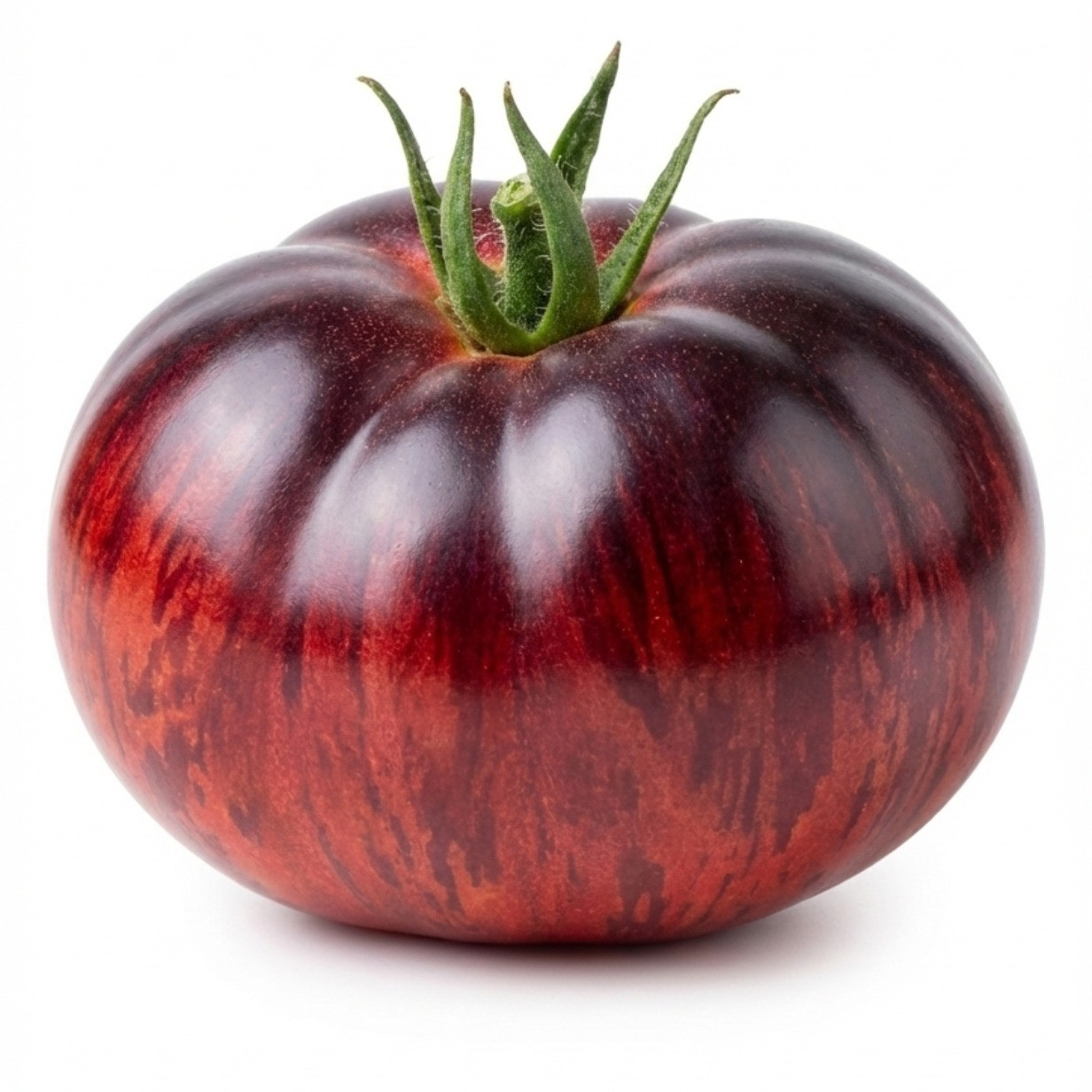
Variety
Lovely Lush
Approved Data
created by Alex&Sempi at 24.12.2025
Features
Taste
aromatic
mild
fruity
sweet
fleshy
intensive
raw edible
Edible
juicy
mildly toxic
thin skin
edible skin
Essbarkeit: Frucht
Essbarkeit: Samen
Essbarkeit: nur reif
Location
planting: greenhouse
Pflanzung: Gewächshaus
planting: bed
planting: outdoor
planting: raised bed
Heat requirement: high
sheltered from the wind
planting: house wall / wall
planting: rain-protected
Soil: permeable soil
soil moisture: no waterlogging
fertilization: high
Fertilization: single dose of compost
Fertilization: nutrient-rich
fertilization: humus-enriched
Soil: Well fertilized
soil moisture: moist
light: Full sun
soil moisture: well-drained
Water: regularly
Soil: deep
wind: airy
Soil: light to medium-heavy
planting: open balcony or terrace
Soil: sandy to loamy
planting: covered balcony or terrace
fertilization: lime-free
Soil: loosened
fertilization: potassium-rich
Water: Adequate
Planting: pots, tubs, or boxes
Light: Sun
Planting: frost-free
pH value: neutral (7)
Water: generously
Fertilization: nitrogen-rich
Fertilization: organic
Düngemittel: Pflanzenjauche
Pflanzung: Bauerngarten
Düngung: Langzeitdünger
Düngemittel: Hornspäne
Good companions: moisture-loving
Nachbarn schlecht: trockenheitsliebend
Nachbarn schlechte: Schattenpflanzen
Nachbarn schlechte: kalkliebend
Good companions: sun-loving
Nachbarn schlechte: stark wuchernd
Nachbarn schlechte: hoher nährstoffbedarf
Nachbarn gute: mit niedrigen Nährstoffbedarf
Nachbarn schlechte: hochwachsend
Nachbarn gute: niedrigwachsend
Pflanztechnik: Mulchen
Herkunft: Züchtung
Düngemittel: Mist, Dung
Pflanzung: überdacht
Düngung: NPK 5/3/10
Düngung: NPK 8/3/10
Düngung: NPK 7/3/8
Resistances
robust
Place fix
resistant
Growth habit
Pruning necessary
lifespan: annual
leaves: loosely leafed
flower: flowering
root type: taproot
self-fruiting
strong leaves
strong lateral shoot development
normal growth
harvest: early-ripening
warm germination
indeterminate growing
growth habit: upright slender
growth habit: needs climbing support
medium to strong growth
serrated leaves
height: 160 - 180 cm
propagation by cuttings
height: 180 - 200 cm
leaves: leafy
wide: 60 - 70 cm
wide: 50 - 60 cm
growth habit: well-branched
hermaphroditic
feathered leaves
simple flower
star-shaped flowers
propagation by seeds
perennial
insect pollination
hand pollination
Summer variety
Blütenstand: traubenförmig
Blüte: mittelgroß
Geschlechtertyp: einhäusig
Keimung: Lichtkeimer
Blätter: einfach
Blätter: duftend
Leaves: slightly hairy
Ernteertrag: mittel
Vermehrung: samenfest
Fruit shape
Typ: Schließfrucht - Beere
flat round
slightly ribbed
medium-sized
Color
Behaarung: silbergrau
Behaarung: weiß
green
striped
red
glossy
blue-black
Flower yellow
crimson
Frucht: pink
Frucht: goldgelb
Stamm, Stiel: grün
Wurzel: cremeweiß
Samen: gelb
Fruchtfleisch: rot
Wurzel: beige
Oberfläche: glatt
Samen: beige
Cultivation Break
4 Years
Season Overview
Propagating
Planting
Harvest
J
F
M
A
M
J
J
A
S
O
N
D
Description
Large-fruited tomatoes are a little world of their own - popular for their juicy flesh, mild flavor and, of course, their impressive size. 🍅 What "large-fruited" means The weight is usually over 150 g, often even 300-500 g or more. Typical shapes: Meat tomatoes, oxheart types, large salad tomatoes. Ideal for: Slices, caprese, burgers, sauces, pickling rather less. 🌱 Popular large-fruited varieties Oxheart (Cuore di Bue) - tender, few seeds, very aromatic. Brandywine - American classic, intense in flavor. Pineapple - yellow-orange marbled, sweet and mild. Marmande - French variety, slightly ribbed, robust. Big Beef - high-yielding, large round fruits, good for beginners. 🌿 Tips for cultivation Stable supports: The plants grow tall and the fruits heavy. Pinch out regularly (for pole tomatoes) so that the fruits grow large. Water evenly to avoid bursting. Nutrient-rich soil and regular fertilization, as large fruits need a lot of energy. Protected location: Large-fruited varieties are often somewhat more sensitive. 🍽️ What are they particularly suitable for? Perfect for tomato mozzarella, sandwiches, carpaccio and fresh salads. Meaty tomatoes such as oxheart are also great for sauces and soups because they have few seeds. The tomato (Solanum lycopersicum) originally comes from Central and South America, was cultivated by the Aztecs and came to Europe in the 16th century. It grows as a herbaceous, mostly annual plant with a bushy or climbing habit and is now one of the world's most important vegetables. Its uses range from fresh consumption to preservation and a variety of culinary applications. 🌱 Origin - Origin: Subtropical regions of Central and South America, especially Mexico and Peru. - Domestication: Already cultivated by the Aztecs and Maya; seed finds prove use over 2000 years ago. - Introduction to Europe: Christopher Columbus brought wild tomatoes to southern Europe in the 15th century. - Variety of names: Paradeiser (Austria, South Tyrol), love apple, paradise apple or golden apple. 🌿 Description & growth - Family: Solanaceae, related to the potato, bell pepper and eggplant. - Growth habit: Herbaceous, mostly annual; can grow bushy or climbing. - Height: Between 30 cm and over 2 m, depending on the variety. - Leaves: Feathery, slightly hairy, typical of nightshade plants. - Flowers: Yellow, star-shaped, self-fertilizing. - Fruits: Varied - round, oval, elongated; colors range from red to yellow, orange to black. 🍅 Use - Fresh consumption: Salads, sandwiches, snacks. - Cooking applications: Soups, sauces (e.g. pasta, pizza), stews. - Preservation: Passata, ketchup, tomato paste, dried tomatoes. - Global importance: In Germany, approx. 30 kg consumed per person per year. - Health: Rich in lycopene, vitamins (A, C, K) and minerals; considered a "superfood". ⚠️ Notes & special features - Toxicity: Formerly considered poisonous due to solanine in green parts of the plant; today only unripe fruits are slightly harmful. - Variety: Thousands of varieties worldwide, from cocktail tomatoes to beefsteak tomatoes. - Cultural significance: From ornamental plant to global crop - symbol of Mediterranean cuisine. - Growth: Pole tomatoes usually need support (poles, twine), bush tomatoes are self-supporting. Special feature: Variety of colors not only brings variety, but also different ingredients (e.g. lycopene in red, anthocyanins in dark varieties).
Non hybrid
Not frost resistant
Growing tips
1. choice of variety Choose robust, disease-resistant varieties. For balcony and open field: bush tomatoes. For greenhouses: vine tomatoes. 2. location Sunny, warm, sheltered from the wind. Ideal: south-facing wall, greenhouse or covered balcony. 3. soil Loose, rich in humus and nutrients. Work in compost or tomato fertilizer before planting. 4. planting From mid-May (after the ice saints). Plant deep - up to the first leaves - promotes root formation. 5. pinching out Remove side shoots in the leaf axils regularly (once a week), promotes fruit formation (for pole tomatoes). 6. watering Evenly, in the morning, directly at the root. Avoid waterlogging. Mulch helps to retain moisture. 7. fertilize Every 2-3 weeks with organic tomato fertilizer or nettle slurry. 8. protection Protect tomatoes from rain under a roof or foil (prevents brown rot). 9. promote pollination In the greenhouse, help with a toothbrush or lightly shake the flowers. 10. mixed cultivation Good neighbors: basil, onions, lettuce. Bad neighbors: potatoes, fennel. 🌱 Important tips for pre-cultivating tomatoes - Sowing time: ◦ Optimal: early March to late April. ◦ Sowing too early (February) often leads to weak, stunted plants. - Germination conditions: ◦ Germination temperature: 20-25 °C. ◦ After germination: 18-20 °C to keep the plants compact. ◦ Bright window sill or plant lamp prevents lack of light. - Sowing technique: ◦ Use potting compost (low in nutrients, loose). ◦ Cover seeds only lightly with soil and keep moist. ◦ Mini greenhouse or cover to ensure even humidity. - Pricking out: ◦ As soon as the seedlings have two true leaves, carefully transplant them into larger pots. ◦ Insert deeper so that additional roots form on the stem. - Location: ◦ Bright, but not too hot. ◦ Direct sun in a conservatory or greenhouse is ideal, windowsill also works. - Hardening off: ◦ From the end of April/beginning of May, place the plants outside in a sheltered place during the day. ◦ This allows them to get used to wind and temperature fluctuations. - Planting out: ◦ Only after the Ice Saints (mid-May), plant in a bed or large container. ◦ Plant deeply, filling the soil up to the lower leaves. ⚠️ Avoid typical mistakes - Sowing too early: Plants become long and weak. - Too little light: Leads to yellowed, thin stems. - Soil too rich in nutrients: Promotes leaf mass instead of root formation. - Planting out directly before mid-May: Risk of frost damage. 📋 Practical checklist 1. sow at the beginning of March to the end of April. 2. germination temperature 20-25 °C, then 18-20 °C. 3 Prick out with two leaves. 4 Harden off from the end of April. 5 Plant out after the Ice Saints. 🌱 Good neighbors for tomatoes - Onions & garlic → are effective against fungal diseases and pests. - Basil → keeps whiteflies away and improves the taste of the fruit - Marigolds & marigolds → protect the roots from nematodes. - Carrots & radishes → use the space efficiently, no competition. - Lettuce & spinach → grow quickly, loosen the soil. - Celery → promotes healthy growth and deters pests. 🚫 Bad neighbors for tomatoes - Cucumbers → need a lot of water, promote fungal diseases. - Potatoes → same diseases (late blight and brown rot). - Peas & beans → like different soil conditions, competition for nutrients. - Fennel → inhibits the growth of many plants, including tomatoes. - Corn → takes a lot of light, shades tomatoes. 🍅 Common tomato diseases - Late blight and brown rot (Phytophthora infestans) ◦ Symptoms: brown spots on leaves and fruit, rapid death of the plant. ◦ Prevention: Grow tomatoes protected from rain, keep leaves dry, mixed cultivation with onions or garlic. - Powdery mildew (Oidium neolycopersici) ◦ Symptoms: whitish coating on leaves, growth disorders. ◦ Prevention: airy location, do not plant too densely. - Drought spot disease (Alternaria solani) ◦ Symptoms: concentric brown spots on older leaves. ◦ Prevention: Observe crop rotation, keep plants vigorous. - Didymella fruit and stem rot ◦ Symptoms: dark, sunken spots on stems and fruit. ◦ Prevention: clean seeds, no waterlogging. 🐛 Common pests - Aphids ◦ Suck plant sap, leaves curl up. ◦ Control: Encourage beneficial insects such as ladybugs, spray nettle or soap solution. - Whiteflies ◦ Small white insects, cause honeydew and fungal infestation. ◦ Control: yellow boards, neem oil. - Spider mites ◦ Fine webs, leaves become dotted and yellow. ◦ Control: increase humidity, use predatory mites. - Fungus gnats ◦ Larvae damage roots in potting compost. ◦ Control: cover with sand, nematodes. - Snails ◦ Eat young plants and fruit. 🍅 Harvest tips - Harvest time: From the end of June to October, depending on the variety. - Recognize ripeness: Fruit fully colored, slightly soft, aromatic scent. - Harvesting method: Carefully twist off the fruit or cut with scissors. - Storage: Cool, but not in the fridge - the aroma suffers. - Seed production: Cut open ripe fruit, allow seeds to dry - ideal for cultivating your own varieties. ◦ Control: Snail fences, collecting.
Details


Light requirement
Sunny

Water requirement
Moist

Soil
Medium (loamy)

Nutrient requirement
High

Light germinator

Germination temperature
20 - 25 °C (Degrees Celsius)

Plant distance
70 cm

Row spacing
90 cm

Seeding depth
0.5 cm

Companion Plants
Asparagus
Basil
Bean (Dwarf bean)
Bean (Runner bean)
Broccoli
Brussels sprouts
Carrots
Cauliflower
Celery (Celeriac / Celery root)
Celery (Celery)
Celery (Leaf celery / Chinese celery)
Chili
Chives
Chives
Collard greens (Kale)
Collard greens (Tuscan kale / Dinosaur kale / Palm tree kale)
Common marigold
Cress
Garlic
Garlic chives
Kohlrabi / German turnip / Turnip cabbage
Leeks
Lettuce (Common chicory)
Lettuce (Endive / Escarole / Erisée)
Lettuce (Lamb's lettuce)
Lettuce (Lettuce)
Lettuce (Radicchio / Italian chicory)
Lettuce (Sugar loaf)
Mint
Nasturtium
Onion
Onion (Spring onion)
Oregano
Parsley
Pepper / Paprika
Spinach (Summer)
Tagetes / Marigolds

Antagonistic Plants
Abyssinian cabbage / Ethiopian mustard
Arugula / Rocket
Aubergine / Eggplant
Beetroot
Black salsify
Broccoli raab / Stem cabbage / Cima di rapa
Cabbage (Cabbage)
Cabbage (red cabbage)
Cabbage (Savoy cabbage)
Corn / Maize
Courgette / Zucchini
Cucumber (African horned cucumber / Kiwano)
Cucumber (Caigua)
Cucumber (Melothria)
Cucumber / Gherkin
Fennel
Florence fennel / Finocchio
Horseradish
Jerusalem artichoke / Topinambur
Lovage
Melon (Sugar melon)
Melon (Watermelon)
Mustard
Napa cabbage / Chinese cabbage
Oil radish / Fodder radish
Okra
Ornamental pumpkin
Potato
Pumpkin / Squash
Radish
Radishes
Rapini / Broccoli rabe
Sponge gourd / Egyptian cucumber / Vietnamese luffa
Sunflower
Turnip
Turnip greens - Tatsoi
Turnips - Oilseed turnips
Turnips - Wild turnips

Diseases
Root Rot
Dry rot of crucifers
Powdery mildews
Brown rot
Blossomrot
Grey mold
Early blight of potato

Pests
Land snails
Thrips
Aphids
Spider mites
White fly