Renate

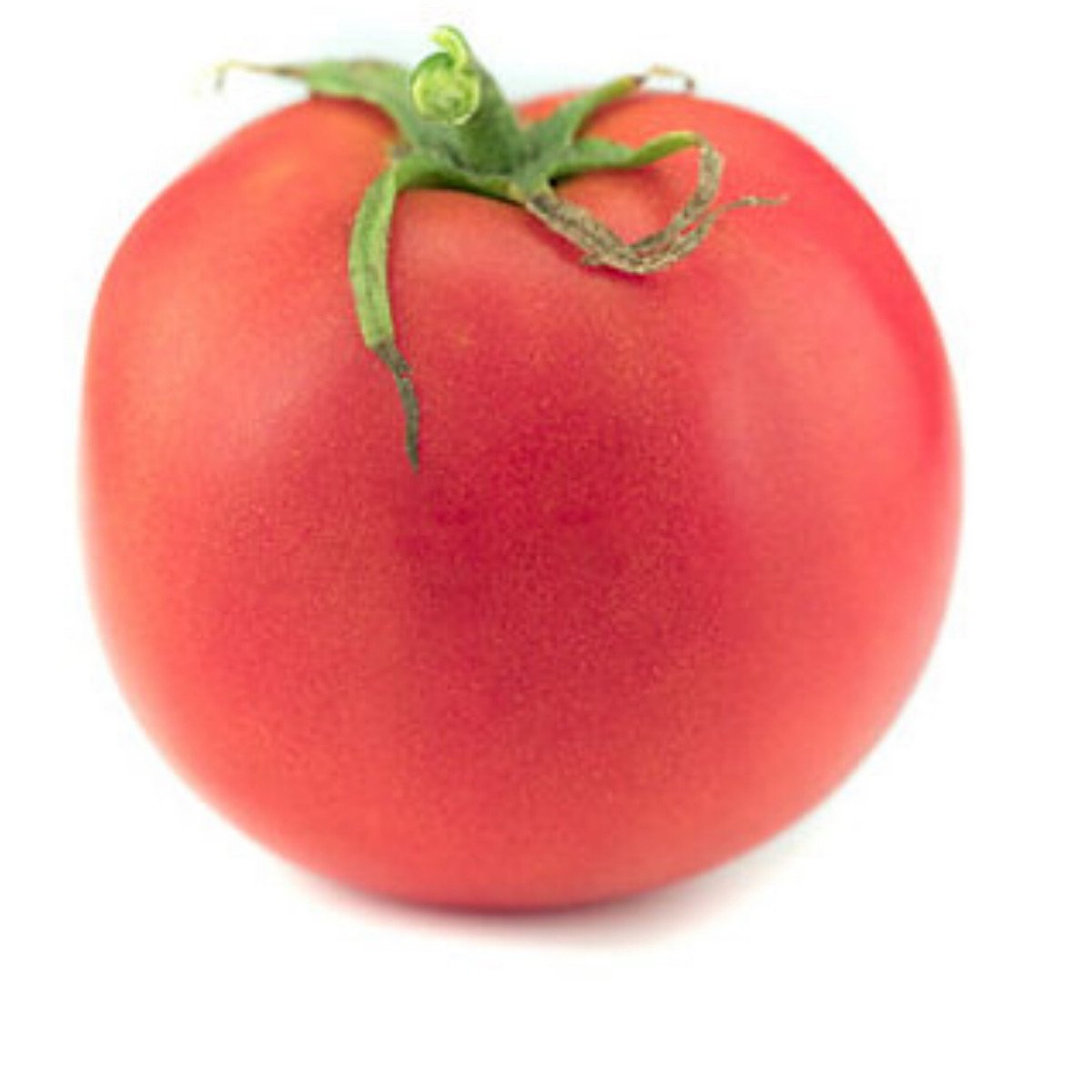
Variety
Renate
Approved Data
created by Alina M. at 12.01.2022
Cultivation Break
4 Years
Season Overview
Propagating
Planting
Harvest
J
F
M
A
M
J
J
A
S
O
N
D
Description
Flesh tomato. High yielding. Approx. 100-200 g heavy fruits. The beef tomato Renate belongs to the old tomato varieties from the conservation breeding of Wolfgang Kreimer (Mühlenbachhof). It has only been grown in the permaculture Don Giardino since 2020 to preserve this historic variety. Meat tomato Renate has been on the list of endangered native crops since 2018. Its bright red color and round aromatic taste positively surprised us. The cultivation should be practiced in the greenhouse or in the covered open field as the plant is quite susceptible to fungal diseases and poorly tolerates rain. It is recommended to cultivate the variety one to a maximum of three shoots. (From seed manufactory).
Non hybrid
Not frost resistant
Growing tips
Pull maximum three shoots, covered outdoor, endangered species. Tomatoes need warm temperatures for germination between 20-25°C. After germination, place in a cooler place (max. 20°C). Sowing before March may result in lack of light and poorer plant growth. When pricking out, set deeper to the cotyledons so that the plants can form new roots. Harden off before planting out. Fertilize regularly and water evenly. Should be thinned out. Especially tie or fix the main shoot, otherwise it could break off due to the heavy fruits. A location protected from rain is advantageous. Basil (against mildew and whitefly) and Tagetes (against nematodes, viruses, whitefly) have proven to be good companion plantings. (From Biogartenbedarf).
Details


Light requirement
Sunny

Water requirement
Moist

Soil
Medium (loamy)

Nutrient requirement
High

Plant distance
100 cm

Row spacing
50 cm

Seeding depth
1 cm

Companion Plants
Asparagus
Basil
Broccoli
Brussels sprouts
Carrots
Cauliflower
Celery (Celeriac / Celery root)
Celery (Celery)
Celery (Leaf celery / Chinese celery)
Chili
Chives
Chives
Collard greens (Kale)
Collard greens (Tuscan kale / Dinosaur kale / Palm tree kale)
Common marigold
Cress
Garlic
Garlic chives
Kohlrabi / German turnip / Turnip cabbage
Leeks
Lettuce (Common chicory)
Lettuce (Endive / Escarole / Erisée)
Lettuce (Lamb's lettuce)
Lettuce (Lettuce)
Lettuce (Radicchio / Italian chicory)
Lettuce (Sugar loaf)
Mint
Nasturtium
Onion
Onion (Spring onion)
Parsley
Pepper / Paprika
Spinach (Summer)
Tagetes / Marigolds

Antagonistic Plants
Abyssinian cabbage / Ethiopian mustard
Arugula / Rocket
Aubergine / Eggplant
Beetroot
Black salsify
Broccoli raab / Stem cabbage / Cima di rapa
Cabbage (Cabbage)
Cabbage (red cabbage)
Cabbage (Savoy cabbage)
Corn / Maize
Courgette / Zucchini
Cucumber (African horned cucumber / Kiwano)
Cucumber (Caigua)
Cucumber (Melothria)
Cucumber / Gherkin
Fennel
Florence fennel / Finocchio
Horseradish
Jerusalem artichoke / Topinambur
Melon (Sugar melon)
Melon (Watermelon)
Mustard
Napa cabbage / Chinese cabbage
Oil radish / Fodder radish
Okra
Ornamental pumpkin
Potato
Pumpkin / Squash
Radish
Radishes
Rapini / Broccoli rabe
Sponge gourd / Egyptian cucumber / Vietnamese luffa
Turnip
Turnip greens - Tatsoi
Turnips - Oilseed turnips
Turnips - Wild turnips

Diseases
Grey mold
Root Rot
Dry rot of crucifers
Powdery mildews
Early blight of potato
Blossomrot
Brown rot
Pests
Thrips
Spider mites
Land snails
Aphids
White fly