Ailsa Craig

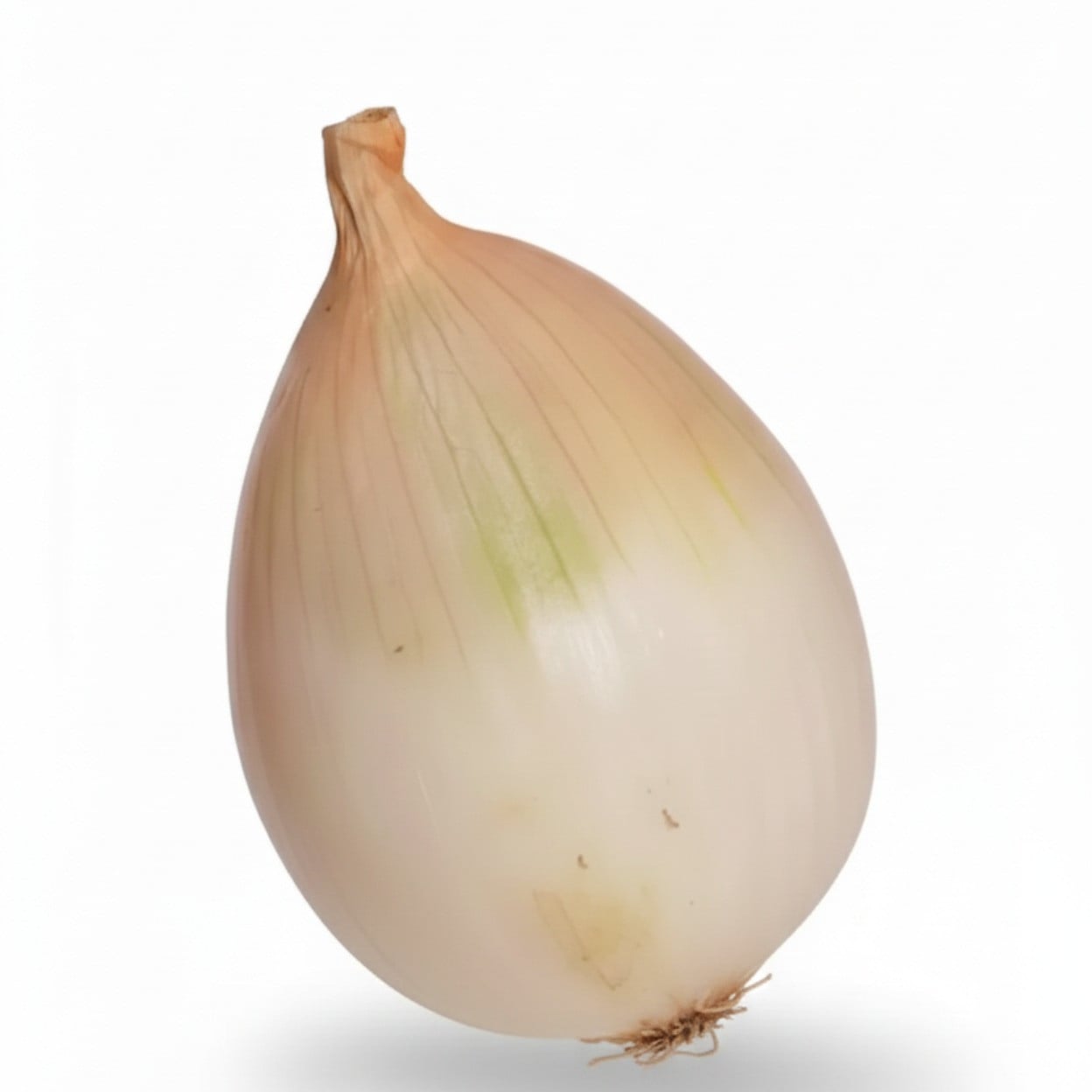
Variety
Ailsa Craig
Approved Data
created by Jana at 04.01.2022
Seed packet
Features
Taste
mild
Essbarkeit: Blätter
Essbarkeit: Blüten
Edible
raw edible
Essbarkeit: Samen
Essbarkeit: Wurzel
crunchy
juicy
Konsistenz: weich
tender
Slightly spicy
sweetish
Toxizität: ungiftig
Onion aroma
Resistances
cold tolerant
moisture tolerant
heat tolerant
Growth habit
harvest: profitable
Blätter: einfach
large leaves
strong leaves
Blätter: länglich
leaves: rosulate
leaves slim
Blätter: zugespitzt
Fragrant flowers
small flowers
Blüte: zweites Standjahr
star-shaped flowers
umbellate flowers
Blüte: kugelförmig
wide: 20 - 30 cm
wide: 30 - 40 cm
harvest: late-ripening
Ernte: vor Blüte
hermaphroditic
Geschlechtertyp: einhäusig
Keimung: Dunkelkeimer
lifespan: annual
lifespan: biennial
Summer variety
perennial
propagation by seeds
Vermehrung: samenfest
fast growth
strong growth
growth habit: upright
growth habit: upright leaf position
growth habit: upright flower stems
growth habit: compact
root type: bulb, tuber
Blätter: röhrenförmig
Location
Soil: permeable soil
planting: outdoor
Biotop: Feld
Soil: loosened
Boden: flachgründig (0-30)
Soil: Well fertilized
Soil: light to medium-heavy
Soil: regular garden soil
Soil: sandy to loamy
soil moisture: moist
soil moisture: well-drained
soil moisture: no waterlogging
Fertilization: single dose of compost
Düngemittel: Gesteinsmehl
Düngemittel: Holzasche
Düngemittel: Hornspäne
Düngemittel: Pflanzenjauche
fertilization: humus-enriched
fertilization: potassium-rich
Fertilization: moderate
Fertilization: moderately nutrient-rich
Fertilization: organic
fertilization: low-nitrogen
Water: Adequate
Water: moderately
Gießen: Olla
Water: regularly
Herkunft: Züchtung
Light: Sun
light: Full sun
Good companions: moisture-loving
Nachbarn gute: niedrigwachsend
Nachbarn gute: mit niedrigen Nährstoffbedarf
Good companions: sun-loving
Nachbarn schlechte: hochwachsend
Nachbarn schlechte: kalkliebend
Nachbarn schlechte: Schattenpflanzen
Nachbarn schlechte: stark wuchernd
Nachbarn schlechte: hoher nährstoffbedarf
Nachbarn schlecht: trockenheitsliebend
Planting: mounds / ridges
planting: open balcony or terrace
Pflanzung: Bauerngarten
planting: bed
planting: house wall / wall
planting: raised bed
Pflanzung: Hügelbeet
Planting: pots, tubs, or boxes
pH value: neutral (7)
pH value: acidic to neutral (5,5-7)
Heat requirement: moderate
wind: airy
Color
Blätter: blaugrün
Blüte: hellgrün/blassgrün
Flower: white
glossy
Oberfläche: glatt
Oberfläche: matt
Oberfläche: wachsig
Black seeded
Wurzel: cremeweiß
Wurzel: gelb
Wurzel: ocker
Wurzel: weiß
Fruit shape
capsule
small
Cultivation Break
4 Years
Season Overview
Propagating
Planting
Harvest
Harvest
J
F
M
A
M
J
J
A
S
O
N
D
1ST YEAR
2ND YEAR
Description
Rapid-growing onion that forms large, high-rounded, yellow bulbs. Among the largest, earliest vegetable onions and was introduced in 1887 by Davis Murray, gardener to the Marquis of Ailsa at Culzean Castle (South Ayrshire). In the still popular British giant onion competitions, the historic variety reaches diameters of up to 20 cm and weights of up to 2.5 kg! However, the real treasure of the onion 'Ailsa Craig' lies in its inner values. The straw-white to golden, firm globe-shaped onions with a small neck in the sweet, Spanish type are finely textured and of excellent mild flavor. The variety is more cold-tolerant and also better adapted to our latitudes than the Mediterranean varieties in terms of daylight length (long-day type) Use for fresh consumption, storage life is limited.
Non hybrid
Frostproof
Growing tips
Germination temperature min. 5°C/41°F (optimum germination temperature 16-18°C/61-64°F), germination period 15-20 days; if necessary, mark seed with spinach or radish. Cover seed only lightly with (about 1 cm/0.4 in). No fresh organic fertilizer. Keep evenly moist & weed-free; known as a particularly cold-tolerant variety; as a long-day type, very suitable for cultivation in the north. Culture time: approx. 100-150 days.
Details


Light requirement
Sunny

Water requirement
Moist

Soil
Medium (loamy)

Nutrient requirement
Medium

Dark germinator

Germination temperature
10 - 15 °C (Degrees Celsius)

Plant distance
30 cm

Row spacing
30 cm

Seeding depth
1.5 cm

Companion Plants
Aubergine / Eggplant
Beetroot
Black salsify
Carrots
Celery (Celeriac / Celery root)
Celery (Celery)
Celery (Leaf celery / Chinese celery)
Chayote
Chili
Coriander / Cilantro
Courgette / Zucchini
Cucumber (African horned cucumber / Kiwano)
Cucumber (Caigua)
Cucumber / Gherkin
Dill
Garden squash - Patisson / UFO squash
Knolliger Sauerklee / Oca
Lettuce (Common chicory)
Lettuce (Endive / Escarole / Erisée)
Lettuce (Lamb's lettuce)
Lettuce (Lettuce)
Lettuce (Puntarelle / Cicoria di catalogna / Cicoria asparago)
Lettuce (Radicchio / Italian chicory)
Lettuce (Sugar loaf)
Melon (Sugar melon)
Melon (Watermelon)
Okra
Parsnip
Pepper / Paprika
Savory
Spinach (Summer)
Spinach (Winter)
Strawberry
Tomato (Bush tomato)
Tomato (Cocktail bush tomato)
Tomato (Cocktail Stake Tomato)
Tomato (Stake tomato)

Antagonistic Plants
Bean ((Scarlet) runner bean)
Bean (Broad bean / Faba bean / Field bean)
Bean (Dwarf bean)
Bean (Hyacinth bean / Lablab-bean)
Bean (Lima Bean)
Bean (Runner bean)
Broccoli
Broccoli raab / Stem cabbage / Cima di rapa
Brussels sprouts
Cabbage (Cabbage)
Cabbage (Pointed cabbage)
Cabbage (Savoy cabbage)
Cauliflower
Chives
Chives
Collard greens (Kale)
Collard greens (Tuscan kale / Dinosaur kale / Palm tree kale)
Garlic chives
Horseradish
Kohlrabi / German turnip / Turnip cabbage
Leeks
Mizuna / Japanese mustard greens
Napa cabbage / Chinese cabbage
Oil radish / Fodder radish
Ornamental alliums
Pak Choi
Pea
Potato
Radish
Radishes
Rapeseed
Rutabaga / Swedish turnip
Sea coal
Soybean
Sweet potato
Turnip
Turnip greens - Choy Sum / Chinese flowering cabbage
Turnip greens - Mizuna
Vegetable cabbage - Forage cabbage
Wild garlic

Diseases
Dry rot of crucifers
Root Rot
Soft rot
Fusarium
Downy mildew
Yellow stripe virus
Pests
Thrips
Stem borers
Leaf-miner flies
Onion fly
Wireworms