
Make Your Own Water Kefir: Instructions & Recipe (With PDF Download)
Almost everyone is familiar with kefir made from yogurt. But did you know that you can also easily make water kefir yourself? Water kefir is a refreshing carbonated drink—almost like lemonade, but full of healthy ingredients and good for gut health. In this article, you will learn what water kefir is, how you can make it yourself, and what you need to keep in mind when doing so.

This Article Contains:
- What Is Water Kefir?
- Is Water Kefir Healthy?
- Water Kefir Crystals: The Little Helpers in Kefir
- Making Your Own Water Kefir: What You Need to Know
- How to Activate Water Kefir Crystals
- Making Water Kefir: A Recipe
- Instructions for the First Fermentation
- Instructions for Secondary Fermentation
- Make Your Own Water Kefir: Download the Guide
- Frequently Asked Questions About Making Water Kefir
Quick Overview
Make Your Own Water Kefir: Recipe & Instructions
- What is water kefir? Water kefir is a naturally fermented, carbonated drink made from water, sugar, and water kefir grains. It tastes slightly sweet and sour, fresh, and tangy—similar to lemonade.
- Is water kefir healthy? It contains many bacteria, including probiotic microorganisms that can support intestinal health.
- Does water kefir contain alcohol? Yes, in very small amounts (usually less than 1%), depending on the sugar and fermentation time.
- Preparation:
- Initial fermentation: 1–3 days at room temperature
- Second fermentation (optional): 2–4 days for more flavor and carbonation
- Ingredients:
- Water, sugar, water kefir crystals, dried fruit, lemon or lemon juice
- How do you make water kefir? Sugar is dissolved in water and fermented together with dried fruit, lemon, and water kefir crystals. Yeasts and bacteria convert the sugar into carbon dioxide, acids, and small amounts of alcohol.
What Is Water Kefir?
Water kefir is similar to kombucha: a carbonated drink produced by fermentation with the help of yeast and lactic acid bacteria. These yeasts and bacteria (lactic acid and acetic acid bacteria) are important for the fermentation process to run smoothly. All they need is sugar, water, and dried fruit.
Many people may be familiar with SCOBY (Symbiotic Culture Of Bacteria and Yeast), which is used in kombucha. Yeast is also involved in water kefir, but it looks like small crystals, which is why it is also called water kefir crystals. You may also know it as Tibicoos or Japanese crystals, which are all common names for these yeast and bacteria cultures. Fermentation produces a tangy, slightly carbonated drink with a sweet-sour and fruity taste, reminiscent of lemonade. Find out how to make your own water kefir below. But first, we would like to explain in more detail how the small water kefir crystals work and what happens during fermentation.

Water kefir and water kefir grains
Is Water Kefir Healthy?
Water kefir and water kefir grains
Water kefir is rich in microorganisms, including many probiotic, gut-active bacterial strains and organic acids, which is why it can have a positive effect on gut health. In addition, laboratory studies confirm that water kefir has an antimicrobial effect—not least because of its acidic pH value. This property can be effective against harmful germs in the gut. Gut health is closely linked to immune function. A healthy and active gut microbiome is therefore closely linked to a functioning immune system.

This is what activated water kefir crystals look like.
Water Kefir Crystals: The Little Helpers in Kefir
This is what activated water kefir crystals look like.
Water kefir crystals look like small white-yellowish crystals. If you use juice for the second fermentation, they will change color depending on the juice you use. Don't worry, I'll explain what the first and second fermentations are all about below. When the culture is active, they have a soft and almost slimy consistency. However, the crystals are stored in a dried state.
Under a microscope, you can see that water kefir crystals are home to numerous different yeasts and bacteria that live in symbiosis. This means that they form a biocommunity in which they are dependent on each other and each makes an important contribution to the overall system.
Who Lives in Water Kefir?
Numerous studies have identified some of these yeasts and bacteria, but there is considerable variation. The most common yeasts include Kluyveromyces marxianus, Candida kefyr, Kluyveromyces lactis var. lactis, Debaryomyces hansenii, and Saccharomyces. Lactic acid bacteria, which are often found in water kefir, are mainly Lactobacillus strains (L. kefiri, L. kefiranofaciens, L. casei, L. paracasei, or L. parakefiri) and acetic acid bacteria.
Each of these microorganisms has an important function in fermentation, and they are dependent on each other. Fermentation is therefore a finely tuned process involving these yeasts and bacteria. For those who want to understand the process, I will explain it briefly below. If you want to jump straight into the practical side of things, you will find a recipe for making your own water kefir below.
How Symbiosis Works: The Roles of Yeast and Bacteria
First, the sugar is broken down. This job is done by yeast. With the help of enzymes, yeast breaks down sucrose—a long-chain sugar—into smaller parts: glucose and fructose. Ethanol, carbon dioxide, glycerin, and other organic acids are produced as by-products. Without this preliminary work, bacteria would not be able to use table sugar. The lactic acid bacteria then use these simple sugars together with the other metabolic products of the yeast to produce more lactic acid and organic acids. This is important for lowering the pH value and protecting the drink from unwanted microorganisms. At the same time, the acidic environment creates optimal conditions for the water kefir crystals. The microorganisms involved are precisely adapted to this environment and can work particularly well here. This creates a stable balance in which the yeast and bacteria promote each other's growth while harmful germs are inhibited. Great, isn't it?

Any Questions?
In the Fryd community, you’ll find friendly and helpful gardeners ready to share ideas, recipes, give advice, and celebrate wins (and failures) together. Gardening is just more fun when you’re not doing it alone.
Join the Community NowMaking Your Own Water Kefir: What You Need to Know
It's actually quite easy to make water kefir yourself. However, there are a few things you should know beforehand in order to understand the process. First of all, water kefir crystals are usually delivered in dried form. It is important to activate the crystals before you can start making water kefir. We explain how to do this in the next section. Once the water kefir crystals are soft, you can start the fermentation process.

Kefir crystals need a temperature of around 18–26 °C/64 - 79 °F, i.e. room temperature, to work. The warmer it is, the faster they work. The first fermentation is complete after around 1 to 3 days. In my experience, it happens very quickly in midsummer due to the high temperatures, and the first fermentation is complete after just one day. It is important to note that there are two fermentation steps: primary and secondary fermentation. During primary fermentation, the water kefir crystals themselves, which are natural yeasts and lactic acid bacteria, do the work. Theoretically, you can drink the water kefir after the first fermentation. However, you can follow this with a second fermentation without the water kefir crystals to give the drink more flavor and enrich it with carbon dioxide.
How to Activate Water Kefir Crystals
To activate the dried crystals, take about three tablespoons of sugar and dissolve it in about 1 L/2.1 pt of water. Add the kefir crystals. That's all there is to it—the sugar awakens the entire system. After about two days, you should see that the crystals have grown larger and are no longer hard but soft. You should also be able to see small bubbles, which is the carbon dioxide produced during fermentation. Then the little helpers are ready for use. Sieve the crystals and you're ready to go!
By the way, be sure to use a plastic strainer for straining. Avoid using metal when working with water kefir crystals, as this can damage the culture. Metal affects the pH value.
Making Water Kefir: A Recipe

Simple instructions for water kefir
Here’s What You’ll Need:
Simple instructions for water kefir
- Chlorine-free water (tap water sometimes contains chlorine for disinfection, so I would recommend buying water for water kefir).
- Water kefir grains
- Wooden spoon
- Plastic strainer
- Sugar
- Dried fruit
- Lemons or lemon juice
- A preserving jar (1 L/2.1 pt or larger if needed)
- Optional for secondary fermentation: Juice or fresh fruit
Instructions for the First Fermentation
- Dissolve two to three tablespoons of sugar in water: Use a little boiled water to dissolve the sugar. Fill the rest with water at room temperature. It is essential that the water is at room temperature before you add the kefir crystals, otherwise they could be damaged. As an alternative to water, you can also use cooled tea or coconut water.
- Then add the water kefir crystals: Do not use a metal spoon for this. As already mentioned, metal is harmful to the crystals.
- Add dried fruit: This serves as a source of nitrogen for the bacteria. You can choose whatever you like here. All dried fruits such as dates, apricots, raisins, or figs are suitable. I personally also like mango.
- Add lemon juice or lemon slices: Finally, add 2-3 untreated lemon slices or their juice. The acid protects the mixture from unwanted bacteria.
- Seal the container: Now place the container in a warm place at room temperature. The initial fermentation takes about one to three days. In summer, the whole process is quite quick, while in winter it may take a little longer. This is simply because bacteria work faster at higher temperatures.
- Bottle the kefir: Now pour the drink into swing-top bottles. If you want to do a second fermentation, don't fill the bottle completely. First, I remove the dried fruit and lemon peel with a wooden spoon. Then I strain the crystals with a plastic sieve. Wash the water kefir crystals with cold water.
- Clean the utensils: Wash your utensils thoroughly and, if you like, you can start a new batch of water kefir right away. You can repeat the whole process as often as you like. Over time, the crystals will multiply. If you need to take a break, simply place the crystals on a kitchen towel and let them dry. Once dry, you can store them.

Water kefir in secondary fermentation
Instructions for Secondary Fermentation
Water kefir in secondary fermentation
As already mentioned, water kefir is ready to drink after the first fermentation. However, you can add even more flavor and carbonation with a second fermentation. This also makes the drink last a little longer. Take the bottled water kefir from the first step and you're ready to go!
- Add juice, fresh fruit, or herbs: Depending on your preference, you can now add fresh juice or fresh fruit. You can also add herbs if you like. Pineapple juice combined with spruce and pine needles makes for a delicious and refreshing combination.
- Set aside for secondary fermentation: After two to four days, your homemade lemonade is ready. Place it in the refrigerator to slow down further fermentation and drink the kefir within a week.
- Caution: The formation of carbon dioxide can build up a lot of pressure in the bottles, so you should open the bottle once a day. This will release the pressure and ensure that the bottle doesn't explode in your face when you open it.
If you have any questions or comments, please email us at [email protected]. Would you like to receive helpful gardening tips throughout the year and plan your own garden beds optimally? Then register here or download the Fryd app for Android or iOS.
Fryd—your digital garden planner
Sources
- VLB Berlin (2025): 1st Symposium on Fermented Non-Alcoholic Beverages; accessed online on January 20, 2026 at https://www.vlb-berlin.org/sites/default/files/2019-06/01_Senz.pdf
- Arayan et al. (2019): "Substantial Protective Immunity Conferred by a Combination of Brucella abortus Recombinant Proteins against Brucella abortus 544 Infection in BALB/c Mice" – experimental study on the immune response to Brucella infection; accessed online on January 24, 2026 at https://pubmed.ncbi.nlm.nih.gov/30609879/ (DOI: 10.4014/jmb.1811.10066)
- Gulitz et al. (2011): "The microbial diversity of water kefir" – identification of bacterial and yeast strains; accessed online on January 22, 2026 at https://pubmed.ncbi.nlm.nih.gov/21663908/ (DOI: 10.1016/j.injury.2011.05.019)
- Marsh et al. (2013): "Sequencing-Based Analysis of the Bacterial and Fungal Composition of Kefir Grains" – Genomic analysis of kefir cultures; accessed online on January 22, 2026 at https://pubmed.ncbi.nlm.nih.gov/23874524/ (DOI: 10.1371/journal.pone.0068141)
- Prado et al. (2015): "Milk kefir: composition, microbial cultures, biological activities, and related products" – Review paper on the health effects of kefir; accessed online on January 20, 2026 at https://pubmed.ncbi.nlm.nih.gov/26376619/ (doi: 10.3109/10408363.2015.1084990.)

Marie
Marie is an agronomist. She is particularly interested in the sustainable and organic cultivation of vegetables and other plants. In her own garden, she gained experience and likes to try things out to learn from nature. She is particularly interested in the values and principles of permaculture, in order to contribute not only to the well-being of nature, but also to the well-being of people and future generations.
Learn MoreCurrent Topics in the Community
Who needs a car anyway! Fall is planting season! I ended up going with the red Boskoop after all, and since it’s so pretty, I added two black currants as well. I’m already looking forward to next year!
Show 2 answers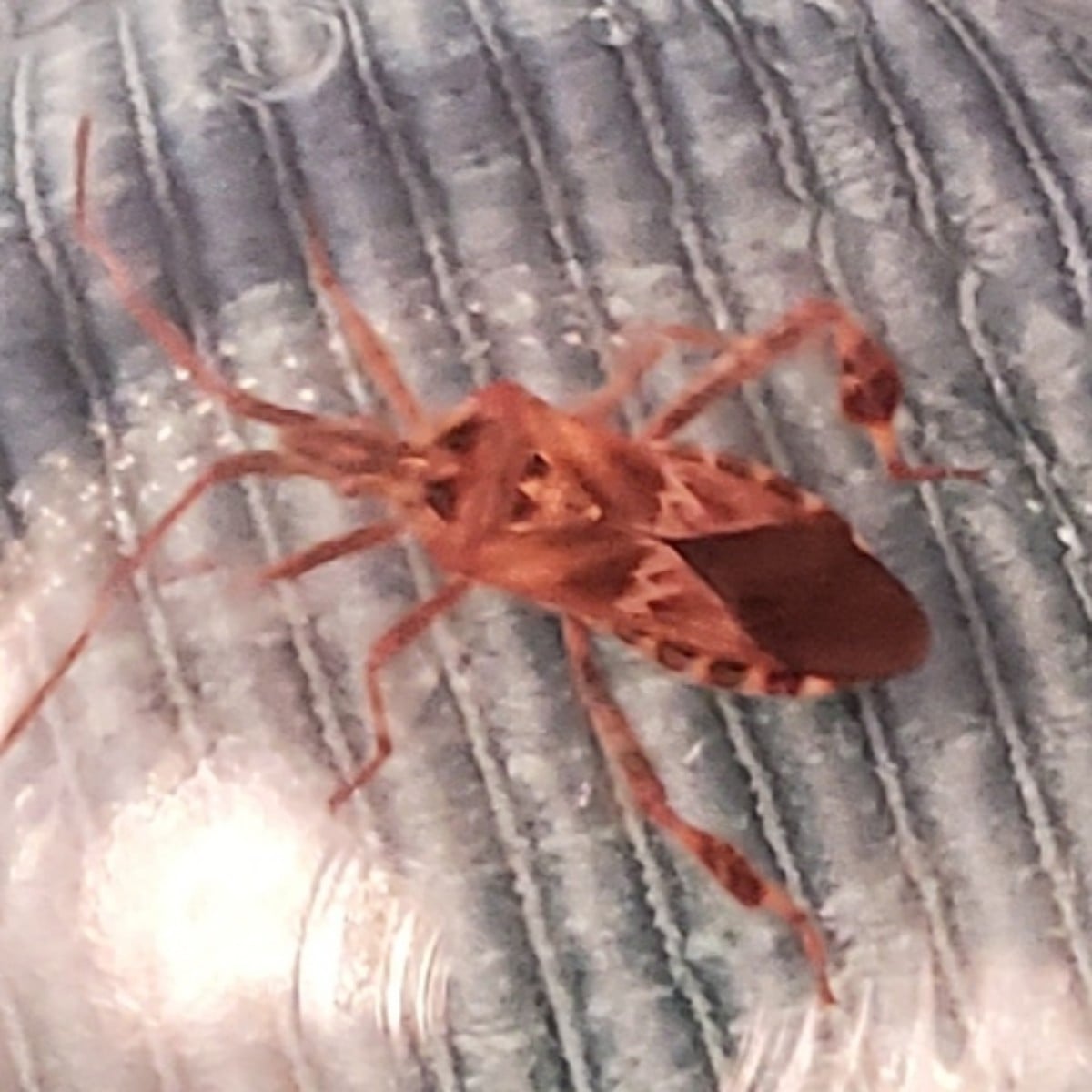
...This American pine or cone bug (Leptoglossus occidentalis) has also noticed that fall is coming! Found in Europe since 1999, it’s yet another import from North America that we really don’t need 🙄. At this time of year, they like to knock on the front door 😳 and ask to be let in so they can spend the winter indoors. Category: Pests! I sent it on its way to Hoek van Holland—maybe it’ll find a friendlier host there 🤷 ...Unfortunately, I don’t have a better photo to share 🤷
Show 1 answer
Liked 5 times
Today is a sad day. My Cox Orange was carefully cut down. I tried everything over the years, but nothing worked. Part of the problem was my choice of variety, the wrong location, improper pruning when it was young, and the hot summers. I think letting go is also part of taking responsibility, and it makes room for something new and different. Let yourself be surprised!
Show 2 answersPopular Articles

Gardening in March: Preparation & Cultivation

Propagating Peppers/Chillies: How to Grow Them Successfully

Cultivation or Direct Sowing: When and Which Vegetables to Propagate?

Sowing and Propagating Tomatoes: This Is How It Works

Raised Beds: Your Planting Plan for a Year

Plant Lights for Growing and Overwintering Plants

Growing Cucumbers Seedlings in Pots: Tips for Propagation

Pricking Out Vegetable Plants: Tips and Instructions

Growing & Harvesting Rocket: Good & Bad Companion Plants

How to Grow Broccoli: Tips for Cultivation
FAQ
What exactly is water kefir?
Water kefir is a carbonated drink produced by fermenting sugar and water using a symbiosis of yeast and bacteria.
How long does the initial fermentation take?
The initial fermentation takes about one to three days at room temperature, depending on the temperature and activity of the culture.
Can I drink the water kefir after the first fermentation?
Yes, water kefir is already drinkable after the first fermentation, but it tastes milder and less fizzy than after the second fermentation.
What is the purpose of secondary fermentation?
With secondary fermentation, you can give the drink more flavor and carbonation by adding juice or fruit, for example.