Tronchuda / Portugiesischer Rippenkohl

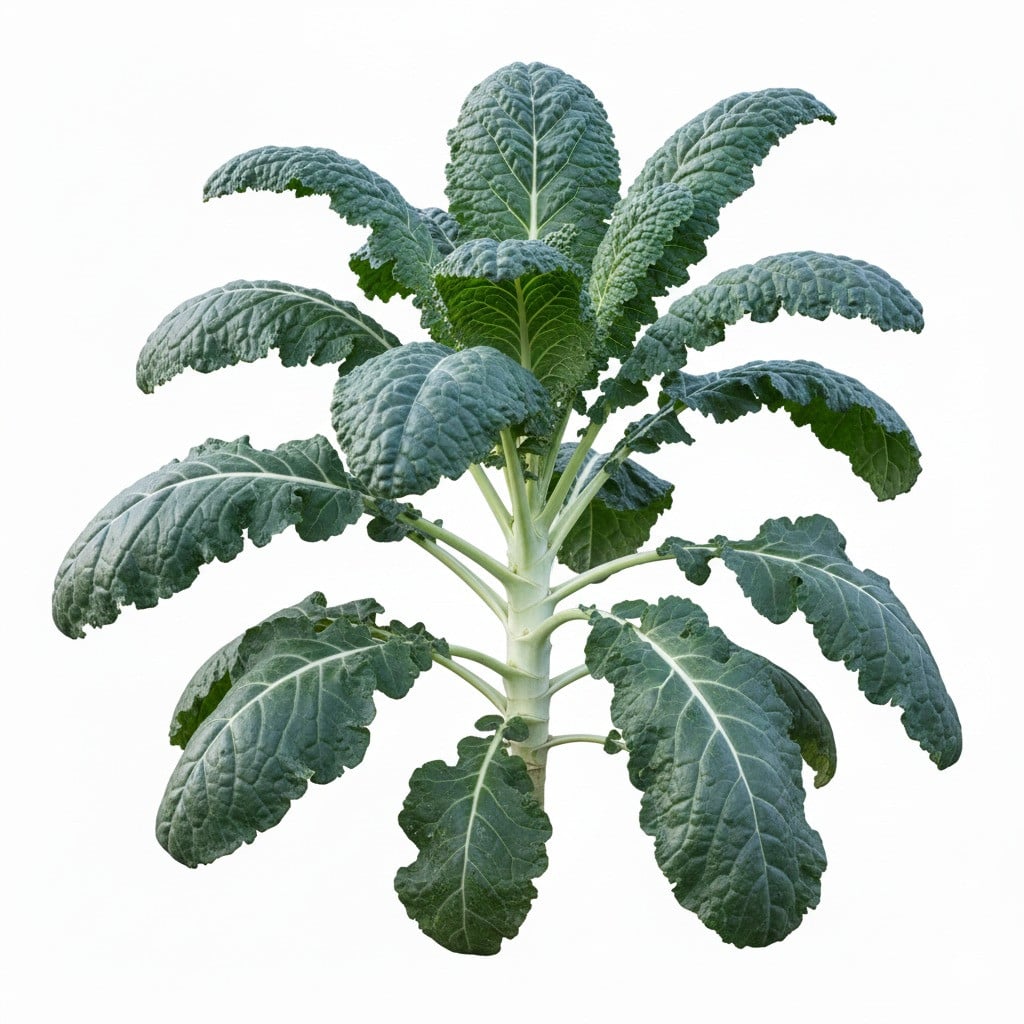
Variety
Tronchuda / Portugiesischer Rippenkohl
Approved Data
created by Alex&Sempi at 14.11.2025
Features
Location
planting: bed
planting: outdoor
sheltered from the wind
light: sunny to semi-shady
Soil: permeable soil
soil moisture: no waterlogging
Fertilization: single dose of compost
Fertilization: nutrient-rich
fertilization: humus-enriched
Soil: Well fertilized
soil moisture: fresh to moist
Water: regularly
Soil: deep
Soil: light to medium-heavy
Soil: sandy to loamy
Light: Semi-Shade
pH value: acidic to neutral (5,5-7)
Water: Adequate
Light: Sun
Fertilization: moderate
Water: moderately
Fertilization: organic
Heat requirement: cool
Biotop: Feld
Düngemittel: Hornspäne
Good companions: moisture-loving
Nachbarn schlecht: trockenheitsliebend
Nachbarn schlechte: Schattenpflanzen
Nachbarn schlechte: kalkliebend
Good companions: sun-loving
Nachbarn schlechte: stark wuchernd
Nachbarn schlechte: hoher nährstoffbedarf
Nachbarn gute: mit niedrigen Nährstoffbedarf
Pflanztechnik: Mulchen
Herkunft: Züchtung
Color
green
brown
light green / pale green
glossy
Flower yellow
Blätter: dunkelgrün
Blattrippen: weiß
Blätter: blaugrün
Frucht: grün
Farbe: einfarbig
Stamm, Stiel: braun
Stamm, Stiel: grün
Oberfläche: wachsig
Wurzel: weiß
Wurzel: braun
Herbstfärbung: keine
Oberfläche: glatt
Blattrippen: creme
Taste
mild
sweetish
raw edible
Edible
delicious, pleasant taste
juicy
tender
cabbage flavor
Essbarkeit: Blätter
Essbarkeit: Stiel
Toxizität: ungiftig
Konsistenz: weich
Growth habit
lifespan: biennial
growth habit: compact
growth habit: bushy
harvest: profitable
harvest: continuously pickable
leaves: rosulate
growth habit: herbaceous
broadleaf
root type: taproot
self-fruiting
Cold germination
growth habit: broad
growth habit: rosette-shaped
cross-pollination
ornamental plant
self-seeding
panicle-shaped flower
leaves: leafy
wide: 50 - 60 cm
round leaves
height: 60 - 80 cm
hermaphroditic
simple flower
small flowers
large leaves
strong growth
non-woody
weak lateral shoot development
propagation by seeds
perennial
insect pollination
Geschlechtertyp: einhäusig
Keimung: Dunkelkeimer
Blätter: weich/zart
Blüte: duftend schwach
Wuchs: nicht invasiv
Blätter: einfach
Blätter: oval
Blütenform: kreuzförmig
Fruit shape
elongated
pod
Resistances
cold tolerant
resistant
robust
hardy down to -15°C
Cultivation Break
4 Years
Season Overview
Propagating
Planting
Harvest
Harvest
J
F
M
A
M
J
J
A
S
O
N
D
1ST YEAR
2ND YEAR
Description
Portuguese cabbage is a green leafy vegetable from the cabbage family. Unlike most cabbage varieties, this vegetable does not form heads and grows in leaves like kale. This led to the alternative common name Portuguese kale. However, unlike kale, the leaves of this green vegetable, as well as the midrib and stem, are fleshy and juicy. Kale ribs and stems are often too woody to eat. Many compare this vegetable to collards.
Non hybrid
Growing tips
Seeds can be sown in the fall or spring. In both cases, you can pre-grow the seeds in pots about six weeks before the planting date.
Details


Light requirement
Sunny

Water requirement
Moist

Soil
Medium (loamy)

Nutrient requirement
High

Light germinator

Germination temperature
18 - 22 °C (Degrees Celsius)

Plant distance
50 cm

Row spacing
50 cm

Seeding depth
0.5 cm

Companion Plants
Celery (Celeriac / Celery root)
Celery (Celery)
Celery (Leaf celery / Chinese celery)
Chamomile
Chard
Chives
Dill
Garlic
Leeks
Lettuce (Common chicory)
Lettuce (Endive / Escarole / Erisée)
Lettuce (Lamb's lettuce)
Lettuce (Lettuce)
Lettuce (Oriental greens / Brown mustard)
Lettuce (Radicchio / Italian chicory)
Lettuce (Sugar loaf)
Onion
Onion (Spring onion)
Potato
Spinach (Summer)
Spinach (Winter)

Antagonistic Plants
Aubergine / Eggplant
Bean (Dwarf bean)
Bean (Runner bean)
Beetroot
Broccoli
Broccoli raab / Stem cabbage / Cima di rapa
Brussels sprouts
Brussels sprouts
Cabbage (Cabbage)
Cabbage (Pointed cabbage)
Cabbage (red cabbage)
Cabbage (Savoy cabbage)
Cauliflower
Chinese kale - Kai-lan / Chinese broccoli
Collard greens
Collard greens (Kale)
Collard greens (Tuscan kale / Dinosaur kale / Palm tree kale)
Cucumber / Gherkin
Fennel
Florence fennel / Finocchio
Kohlrabi / German turnip / Turnip cabbage
Mustard
Napa cabbage / Chinese cabbage
Oil radish / Fodder radish
Okra
Pea
Pepper / Paprika
Radish
Radishes
Rutabaga / Swedish turnip
Strawberry
Tomato (Bush tomato)
Tomato (Cocktail bush tomato)
Tomato (Cocktail Stake Tomato)
Tomato (Stake tomato)
Turnip
Turnip-rooted chervil
Vegetable cabbage - Forage cabbage
Vegetable cabbage - wild cabbage / ancient cabbage

Diseases
Black spot of roses
Club root of cabbage
Grey mold
Powdery mildews
Pests
Land snails
Cabbage white
Cabbage fly
Cabbage heart midge
Flea beetles
Aphids