Rapeseed - Sheer cabbage / Siberian cabbage

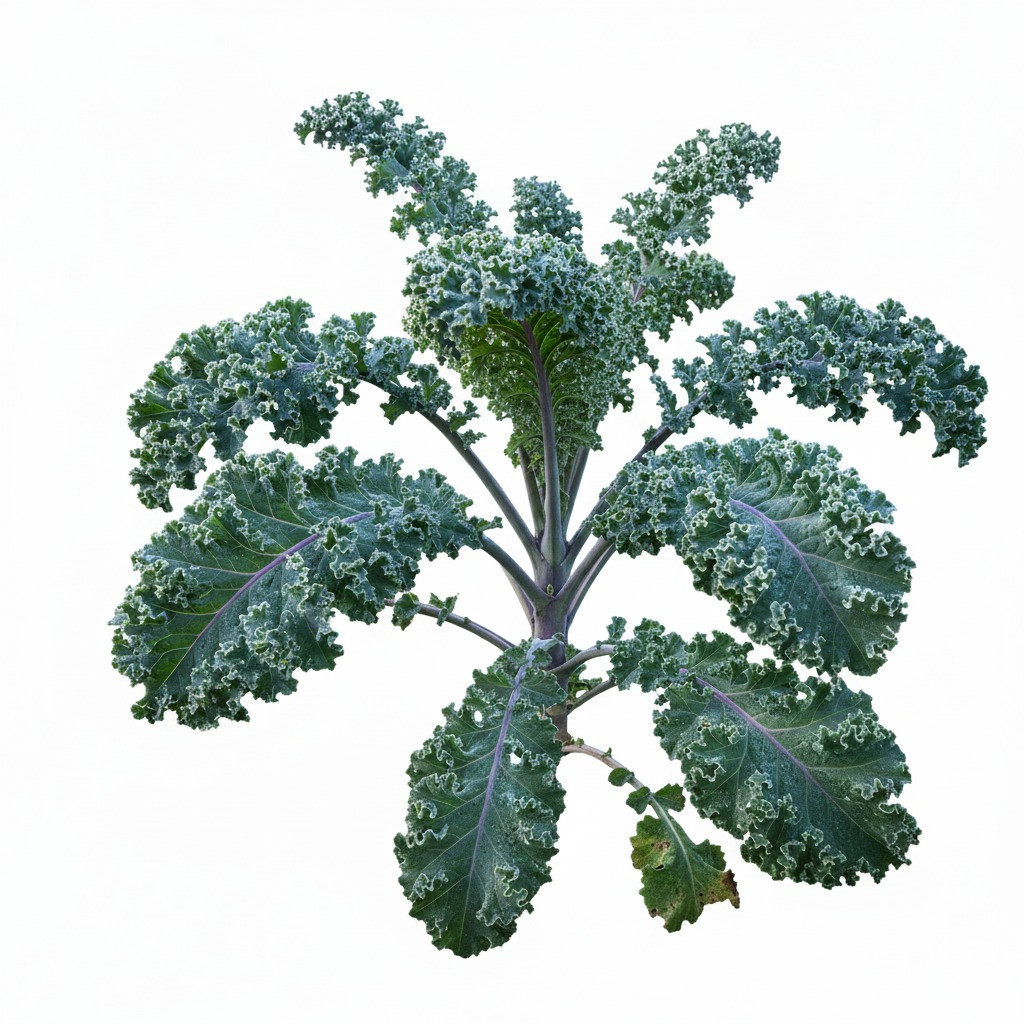
Rapeseed - Sheer cabbage / Siberian cabbage
Brassica napus var. pabularia
Plant family
Crucifers (Brassicaceae)
Cultivation Break
4 Years
Season Overview
Propagating
Planting
Harvest
Harvest
J
F
M
A
M
J
J
A
S
O
N
D
1ST YEAR
2ND YEAR
Details

Light requirement
Sunny

Water requirement
Moist

Soil
Medium (loamy)
Nutrient requirement
Medium

Dark germinator

Germination temperature
10 - 12 °C (Degrees Celsius)

Plant distance
15 cm

Row spacing
40 cm

Seeding depth
0.5 cm
Instructions
Description
Sliced cabbage (Brassica napus var. pabularia), also known regionally as Bremen cabbage, sliced rape or sheared cabbage, is a variety of rape (Brassica napus). Siberian cabbage (Brassica napus var. pabularia, also known as "Red Russian Kale") is a frost-hardy winter leafy cabbage with decorative purple-green leaves, while Bremen shearling cabbage is a regional cut cabbage variety of rapeseed that is traditionally harvested in spring and has a mild, nutty aroma. Both belong botanically to the same variety (Brassica napus var. pabularia), but differ in region, harvest time and culinary tradition. Siberian cabbage is an internationally widespread winter vegetable, while Bremen shearling cabbage is a regional cultural asset with a spring focus. Cut cabbage is a biennial plant that prefers a cool climate. Its stems are shortened. The leaves are often slit and curly, green or red. Shear cabbage can grow 30-90 cm tall and wide. Shearling cabbage (Brassica napus subsp. napus var. pabularia) is a relative of rapeseed. Like oilseed rape, shearling cabbage is an allopolyploid hybrid resulting from the bastardization of turnip rape (Brassica rapa) and vegetable cabbage (Brassica oleracea). The vegetable is largely unknown today; in the 19th century and the first half of the 20th century, it was widely cultivated in private gardens because it was a vegetable that was available from late fall until spring. In the second half of the 20th century, it was largely replaced by imports of other plants and early vegetables grown in greenhouses. Because of its slightly nutty-tasting leaves, it is used in a similar way to leaf or vegetable cabbage. Cut cabbage is a vegetable used in Bremen cuisine. Both the leaves and stalks of shearling cabbage are very tender and can therefore be used whole, although the stalks of very large leaves should be removed before cooking. Bremen shearling cabbage is prepared like spinach and its mild, slightly nutty flavor makes for a hearty meal. The plant (like the common rapeseed) is not free from erucic acid, so only tender stalks can be used.
Origin:
Northern Germany, East Frisia, Bremen Siberia
Growing tips
Shear cabbage thrives best in full sun in well-drained, moist garden soil. It can be sown directly into the bed or bought as a young plant and planted out in spring or fall. In the south, it can be grown throughout the winter as it tolerates frost. For optimum results, sufficient nitrogen should be added. This cabbage variety is more tender than others and has a milder flavor. It is also more resistant to insects and diseases and is hardier. The leaves can be eaten raw or cooked. The following spring, the plant shoots and forms a flower stalk with yellow flowers that attract early bees. This plant is suitable for the kitchen garden in fall, winter and spring. Seed is only occasionally available for this old cut cabbage variety. The storage period of the seed is limited to one year. Cut cabbage is easy to grow in your own garden and is not dependent on nutrient-rich soil. Sowing begins in February and the first tender leaves can be harvested after just six weeks. The first harvest usually takes place in mid-April and lasts until the end of May. A second sowing is possible from the end of August to the beginning of September. The cabbage is harvested with a scythe, which is arduous work on the one hand, but on the other hand gave the Bremen shearling cabbage its name. Pests, diseases Diseases that affect this plant include cabbage hernia, leaf spot and black rot. Pests include soil fleas, aphids, whiteflies, root flies and fungus gnats.

Companion Plants
Celery (Celeriac / Celery root)
Celery (Celery)
Celery (Leaf celery / Chinese celery)
Chives
Dill
Garlic
Lettuce (Common chicory)
Lettuce (Endive / Escarole / Erisée)
Lettuce (Lamb's lettuce)
Lettuce (Lettuce)
Lettuce (Oriental greens / Brown mustard)
Lettuce (Puntarelle / Cicoria di catalogna / Cicoria asparago)
Lettuce (Radicchio / Italian chicory)
Lettuce (Sugar loaf)
Onion
Onion (Spring onion)
Potato
Spinach (Summer)
Spinach (Winter)

Antagonistic Plants
Aubergine / Eggplant
Bean (Dwarf bean)
Bean (Runner bean)
Beetroot
Broccoli
Broccoli raab / Stem cabbage / Cima di rapa
Brussels sprouts
Brussels sprouts
Cabbage (Cabbage)
Cabbage (Pointed cabbage)
Cabbage (red cabbage)
Cabbage (Savoy cabbage)
Caraway / Meridian fennel / Persian cumin
Cauliflower
Chinese kale - Kai-lan / Chinese broccoli
Collard greens
Collard greens (Kale)
Collard greens (Tuscan kale / Dinosaur kale / Palm tree kale)
Courgette / Zucchini
Cucumber / Gherkin
Kohlrabi / German turnip / Turnip cabbage
Napa cabbage / Chinese cabbage
Okra
Pea
Pepper / Paprika
Rutabaga / Swedish turnip
Tomato (Bush tomato)
Tomato (Cocktail bush tomato)
Tomato (Cocktail Stake Tomato)
Tomato (Stake tomato)
Turnip
Turnip-rooted chervil
Vegetable cabbage - Forage cabbage
Vegetable cabbage - Ribbed cabbage / Portuguese cabbage
Vegetable cabbage - wild cabbage / ancient cabbage
Diseases
Root Rot
Black spot of roses
Club root of cabbage
Grey mold
Powdery mildews
Pests
Land snails
Cabbage white
Cabbage fly
Cabbage heart midge
Cutworms
Flea beetles
Aphids
White fly
Voles