
Growing courgettes vertically to save space: Ideas and tips
Don't have a garden but still want to grow vegetables? There are some vegetable plants that can easily be grown in pots on the balcony or in front of the house. Growing vegetables vertically is particularly space-saving. Courgettes can be cultivated very well vertically and in a space-saving manner. Read this article to find out what you need to bear in mind and which other vegetable plants are suitable for vertical cultivation.
This Article Contains:
- Growing climbing courgettes vertically: Ideas for the balcony
- Planting courgettes in a pot
- Planting courgettes in the raised bed
- Tendril courgette varieties: an overview
- Climbing courgette: location & soil
- Suitable climbing aids and trellises
- Tying up courgette plants - here's how
- More climbing vegetables for the balcony
- Ideas for small balcony beds: your companion planting plan
- Frequently asked questions about growing courgettes vertically
Quick Overview
Climbing courgette varieties
For vertical cultivation in a pot or raised bed, you need to choose a courgette variety that forms tendrils and grows in a creeping manner. Not every courgette variety does this. Here are some examples of varieties that you can grow with a climbing aid:
- ,Tromboncino d'Albenga'
- ,Black Forest'
- ,Shooting Star'
- ,Vert de Blanc'
- ,Rugosa Friulana'
- ,Cocozelle'
- ,Erken'
Suitable climbing aids and trellises:
As courgettes do not usually climb on their own, you need a climbing aid. You have various options for this. In most cases, you should tie the courgette plants up to the climbing support, as they do not stay up on their own.
- Bamboo sticks
- Tomato spirals
- Garden trellis or trellis
- Trellis made of wood or metal
- trellis net
- Obelisk
Growing climbing courgettes vertically: Ideas for the balcony
If you don't have a garden or only have limited space, but still want to grow fresh vegetables, climbing courgettes are an excellent choice. These courgette varieties tend to grow creeping, form tendrils and can therefore be grown vertically. There are just a few things to consider to ensure that your own climbing courgettes grow and thrive successfully, such as the choice of variety or trellis and tying them up. However, if the courgette feels at home, you can harvest plenty of courgettes even in a limited space and make optimum use of your space.
Planting courgettes in a pot
Courgettes thrive well in large pots or planters. However, you should definitely choose the right pot size so that it has enough space and nutrients. Choose a pot with a capacity of at least 40 to 50 litres or a diameter of 50 to 60 cm. You should also think about waterlogging when growing in a pot. Your pot should therefore have holes at the bottom and be well drained if necessary.
As courgette plants are heavy feeders, you should fill the pot with nutrient-rich garden soil and compost. It is also advisable to fertilise weekly during the season with liquid organic fertilisers such as nettle manure. In order for the plants to produce fruit properly, they must be placed in a sunny and warm location with enough light. As courgettes consist of a lot of water, an even water supply is very important. A layer of mulch can help to protect the soil in the pot from drying out, as this happens much faster in a pot.

Planting courgettes in the raised bed
Growing courgettes in raised beds offers a number of advantages that can both make care easier and increase yields. Raised beds are usually well drained and well ventilated, which reduces the risk of root rot and mould growth. Courgette plants are quite susceptible to mildew.
To save as much space as possible when growing courgette plants, you can choose either bushy and small-growing varieties in the raised bed. Alternatively, you can choose a climbing variety that you can guide up climbing aids and grow vertically. This minimises the space required and looks beautiful at the same time. When planting, make sure there is sufficient planting distance to other plants, regular fertilisation and an adequate water supply. Especially in freshly filled raised beds, you can grow heavy feeders such as courgettes, as the nutrient supply is still high. You can find an example of a mixed crop planting plan with heavy eaters for the first year with your raised bed in the article. Otherwise, you risk leaching out unused nutrients with a light feeder bed planting.
Our tip: In raised beds or pots, courgette plants and especially their roots are exposed to temperature fluctuations. To ensure they are warm enough, you should only plant them outdoors when the soil temperature is constantly above 15 to 18 degrees and there is no longer any risk of late frosts.
Tendril courgette varieties: an overview
There are many different varieties of courgette, but not all of them are suitable for vertical cultivation. If you want to grow climbing courgettes, you should look for varieties that grow climbing. It is important to know that courgette plants do grow creeping with tendrils. However, most varieties do not climb themselves and therefore need to be tied up to a trellis for the whole thing to work well. When selecting courgette varieties for vertical cultivation, it is important to choose varieties with strong tendril growth.
Climbing courgettes: varieties for growing in pots
- Tromboncino d'Albenga: An Italian variety with long, slender, slightly curved fruits and a mild flavour. It climbs well and is ideal for vertical cultivation.
- 'Black Forest': A climbing courgette variety that produces dark green, cylindrical fruits and grows to a height of around 2 metres. This variety is resistant to some diseases and grows well on climbing supports. Unfortunately, this variety is an F1 hybrid and therefore not reproducible and seedfast.
- Shooting Star': A yellow courgette variety with an aromatic flavour that grows up to 1.2 m tall. As it is also an F1 hybrid, you cannot obtain your own seeds here either.
- Vert de Blanc: A French, climbing variety with green-white, slightly ribbed fruits and a pleasant taste.
- 'Rugosa Friulana': A creeping, Italian variety with slightly ribbed, yellow fruits and a firm texture. It is well suited to vertical cultivation when supported by climbing aids.
- Cocozelle': This variety is easy to care for and produces long, green striped fruits. It grows easily in containers and can grow up a climbing aid if you tie the courgette plant up.
- Erken': Seed-resistant, heirloom variety with greenish-creamy white fruits. This courgette variety grows slightly creeping and is very productive. Due to its growth habit, you can also grow this variety vertically as a climbing courgette plant.

Plant Knowledge at a Glance
Want to get to know your plants without digging through thick books? In the Fryd Lexicon, you’ll quickly find all the essentials about different plant types and varieties — from sowing, planting, and harvest times to companion planting, location tips, and care advice.
Explore the Lexicon Now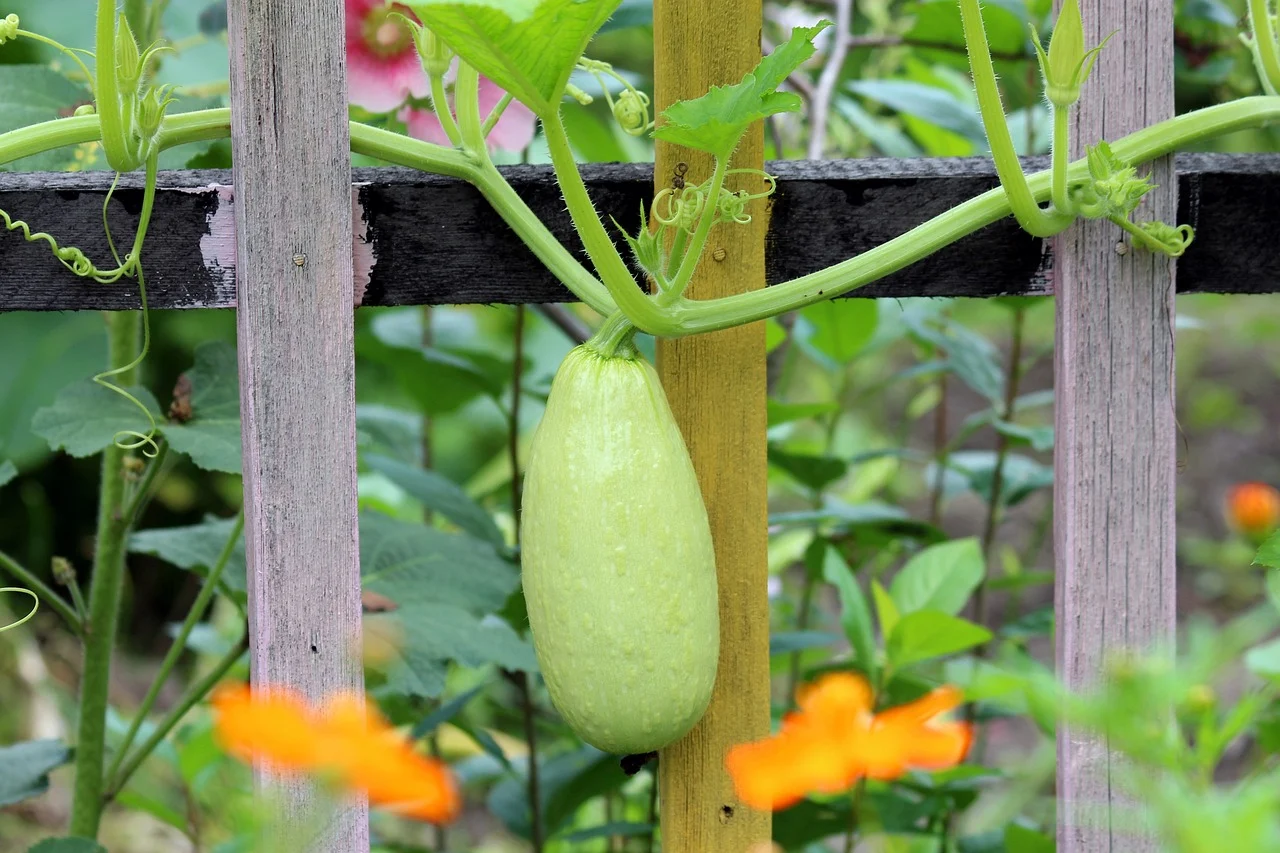
Climbing courgette: location & soil
A sunny location is crucial for growing climbing courgettes in pots or on the balcony. Courgette plants need at least 6 - 8 hours of direct sunlight a day for healthy growth. You should also choose a sheltered spot to protect the plants from wind breakage (courgette plants only have a shallow root system) and strong temperature fluctuations. They prefer fertile, well-drained soil. A high-quality organic vegetable soil together with compost is ideal for growing in pots.
Suitable climbing aids and trellises
As climbing courgettes climb several metres into the air, climbing supports are essential if you grow your courgettes vertically. They give the plants the support and stability they need to grow well. There are many different types of climbing aids, including cages, trellises and espaliers. Make sure that the trellis is stable and offers enough space for the plants to grow. Here are a few examples of what might be suitable as a trellis.
Bamboo sticks
Robust bamboo poles can be arranged individually or in a teepee shape to provide stable support for courgette plants. They are lightweight, durable and environmentally friendly.
Tomato spirals
These spiral-shaped metal rods, which are often used to support tomato plants, are also ideal for climbing courgettes. They provide a stable structure on which the plants can easily grow upwards. However, you will need to tie the courgette plants up.
Garden trellis or trellis
A garden trellis or espalier can be placed either against a wall or free-standing and provides a large-area climbing aid for climbing courgettes. Make sure that the trellis or espalier is strong enough to support the weight of the plant and its fruit.
Trellis made of wood or metal
These trellises are available in various sizes and designs and can be easily attached to pots or planters. They provide a stable structure for climbing courgettes to grow up and spread out. Make sure the trellis is weatherproof and sturdy enough to support the weight of the plants and fruit.
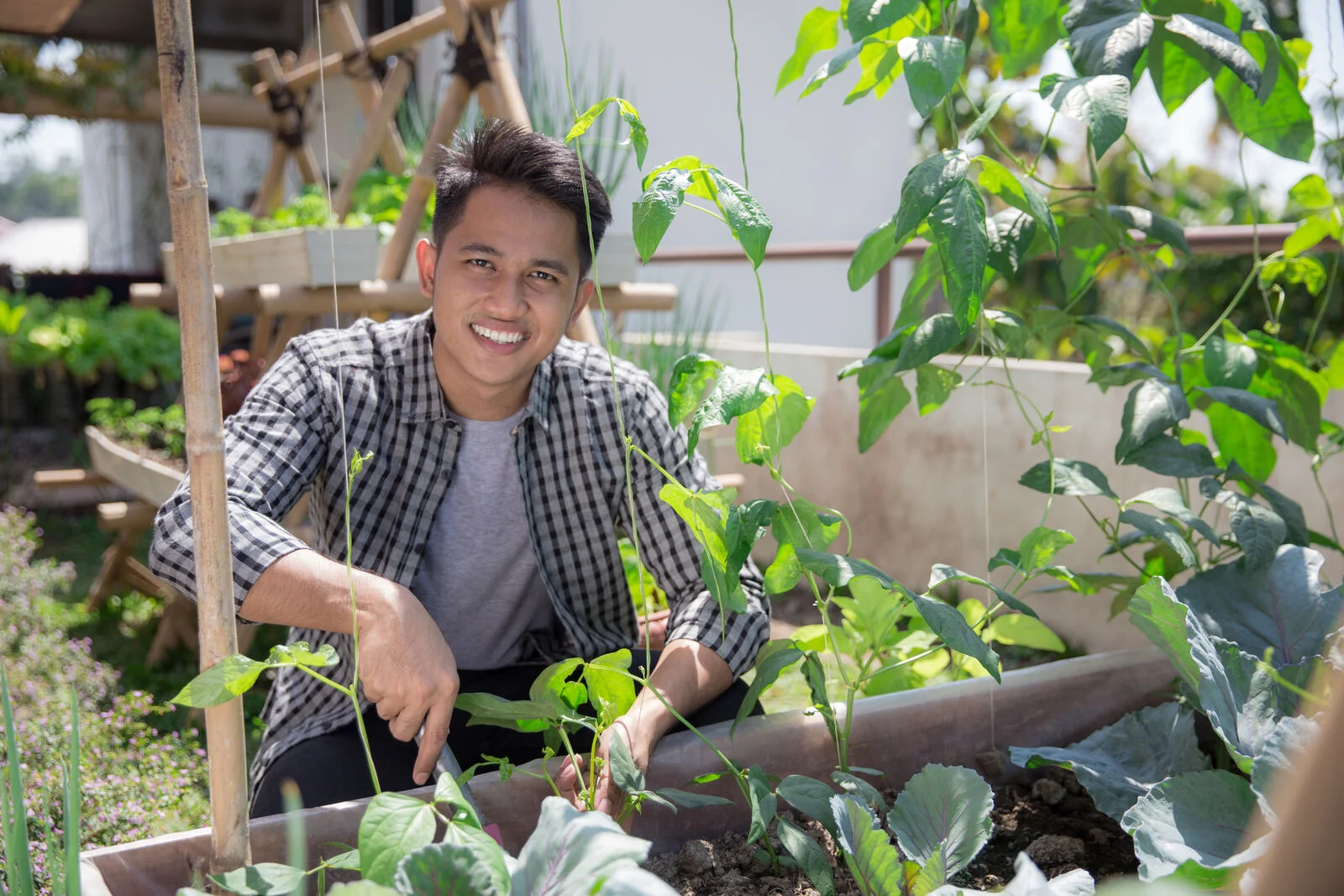
Trellis nets
Climbing nets made of plastic or natural fibres can be attached to frames, poles or even balcony balustrades. They offer the climbing courgette numerous opportunities to hold on and climb up. Make sure you choose a climbing net with sufficiently large meshes so that the plants can easily grow through it.
Obelisk
These conical, free-standing structures made of metal or wood are an attractive option for growing climbing courgettes in pots or on the balcony. They provide a decorative yet functional climbing aid and can also serve as an eye-catcher in the garden or on the balcony.
Tying up courgette plants - here's how
As soon as your courgette plants start to grow, you should tie them up regularly. This will ensure that they grow along the trellis and don't fall down. To avoid injuring the plants, you should only use soft ribbons or cords. Wire or rigid plastic cords, which can injure the stems and leaves, are not suitable.
Now start attaching the plant to the trellis at regular intervals (approx. 20 to 30 cm) along the main stem. Do not tie too tightly so as not to constrict the courgette plants. You can also support side branches and attach them to the climbing support. When tying, it is important to ensure that the weight is evenly distributed, otherwise the plant can easily be damaged.
Our tip: Tying the courgette plants up enables better air circulation. This reduces the risk of diseases such as mildew and pests. Nevertheless, check your plants regularly for pests and diseases.
More climbing vegetables for the balcony
Once you've started growing vegetables vertically, you'll probably find that it's a great way to save space and get a bountiful harvest. There are many other vegetables that are great for growing vertically, including tomatoes, cucumbers, peas and beans.

You can still grow these vegetable plants vertically:
- Tomatoes: Hanging or climbing varieties (vine tomatoes) such as 'Tumbler', 'Gardener's Delight' or 'Sweet Million' are particularly suitable here.
- Cucumbers: Choose snake cucumbers or smaller, bushy varieties such as 'Patio Snacker' or 'Mini Stars', which grow well on climbing supports or trellises.
- Beans: Runner beans, such as 'Blue Lake' or 'Cobra', as well as fire beans, are ideal for vertical cultivation. However, you can also grow bush beans in pots on the balcony without any problems, but these varieties do not tendril.
- Peas: Sweet peas or climbing peas, such as 'Sugar Snap' or 'Alderman', are ideal candidates for vertical cultivation on the balcony. Use trellises or nets so that the plants can grow upwards easily.
- Pumpkins and melons: Smaller varieties of watermelons such as 'Sugar Baby' or the pumpkin 'Hokkaido' can be grown vertically as long as the fruit is adequately supported.
- Nasturtium: This edible flower is not only decorative, but also an excellent climbing plant. It can easily grow along trellises or climbing supports, complementing vertical cultivation on the balcony.
- Aubergines: Choose compact varieties such as 'Patio Baby' or 'Ichiban' and support the plants with stakes to keep them upright.
Ideas for small balcony beds: your companion planting plan
A lot is possible even in a small space. We provide you with ideas and examples of how you can garden in pots or small beds. With companion planting, you can make the most of the space and combine climbing plants with ground-covering plants.
You can find out more about intercropping with courgettes in this article. In addition to an overview of companion plants and antagonistic plants, there are tips on succession cropping and crop rotation. We have also prepared further digital planting plans for your companion planting with courgettes in the garden or raised bed.
If you have any questions or comments, please write to us at [email protected]. Would you like to receive helpful gardening tips all year round and plan your own beds optimally? Then register here or download the Fryd app for Android or iOS.
Fryd - your digital bed planner

Marie
Marie ist Agrarwissenschaftlerin. Sie interessiert sich besonders für den nachhaltigen und ökologischen Anbau von Gemüse und anderen Pflanzen. Im eigenen Garten sammelte sie dabei Erfahrungen und probiert sich gerne aus, um von der Natur zu lernen. Dabei liegen ihr Werte und Prinzipien der Permakultur besonders am Herzen, um neben dem Wohl für die Natur, auch für das Wohlergehen der Menschen und zukünftiger Generationen beizutragen.
Learn MoreCurrent Topics in the Community
Liked 1 times
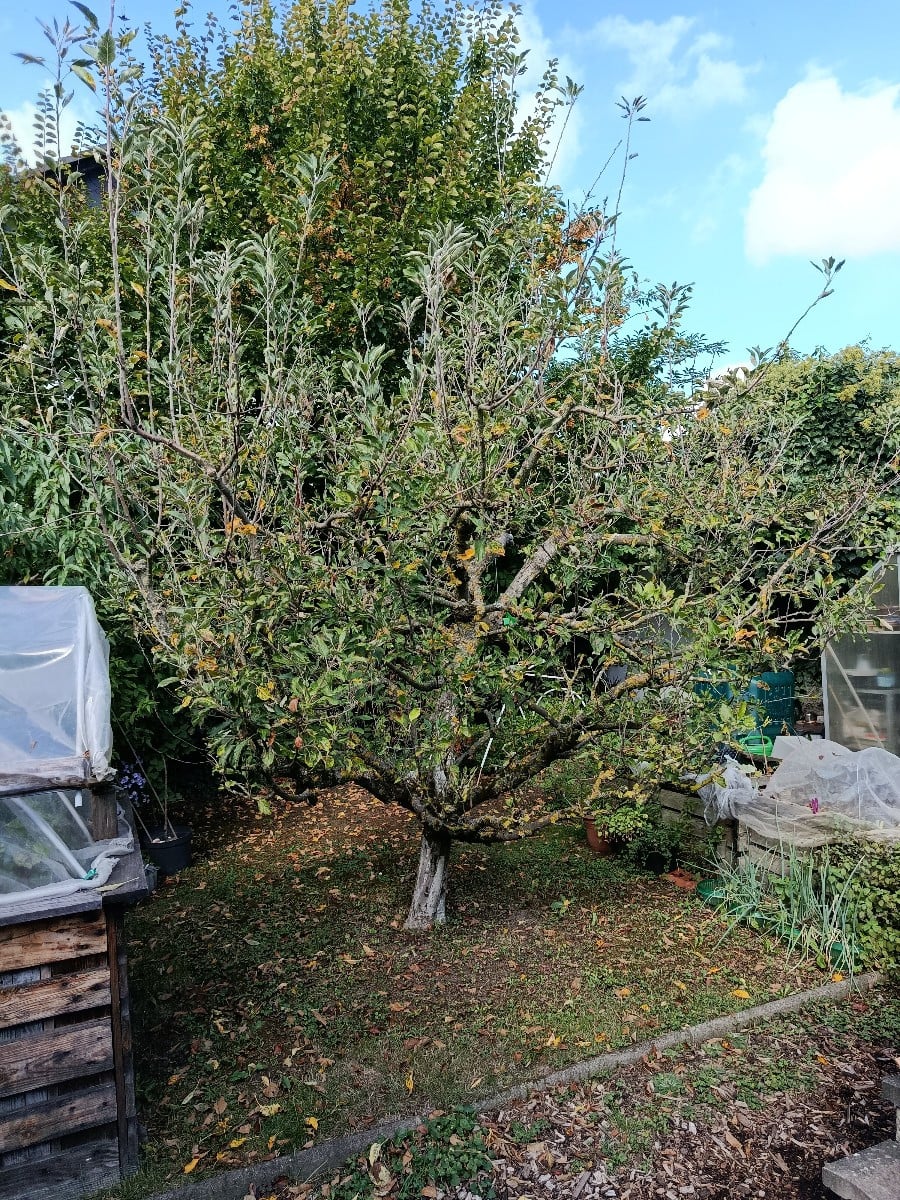
Today is a sad day. My Cox Orange was carefully cut down. I tried everything over the years, but nothing worked. Part of the problem was my choice of variety, the wrong location, improper pruning when it was young, and the hot summers. I think letting go is also part of taking responsibility, and it makes room for something new and different. Let yourself be surprised!
Liked 1 times
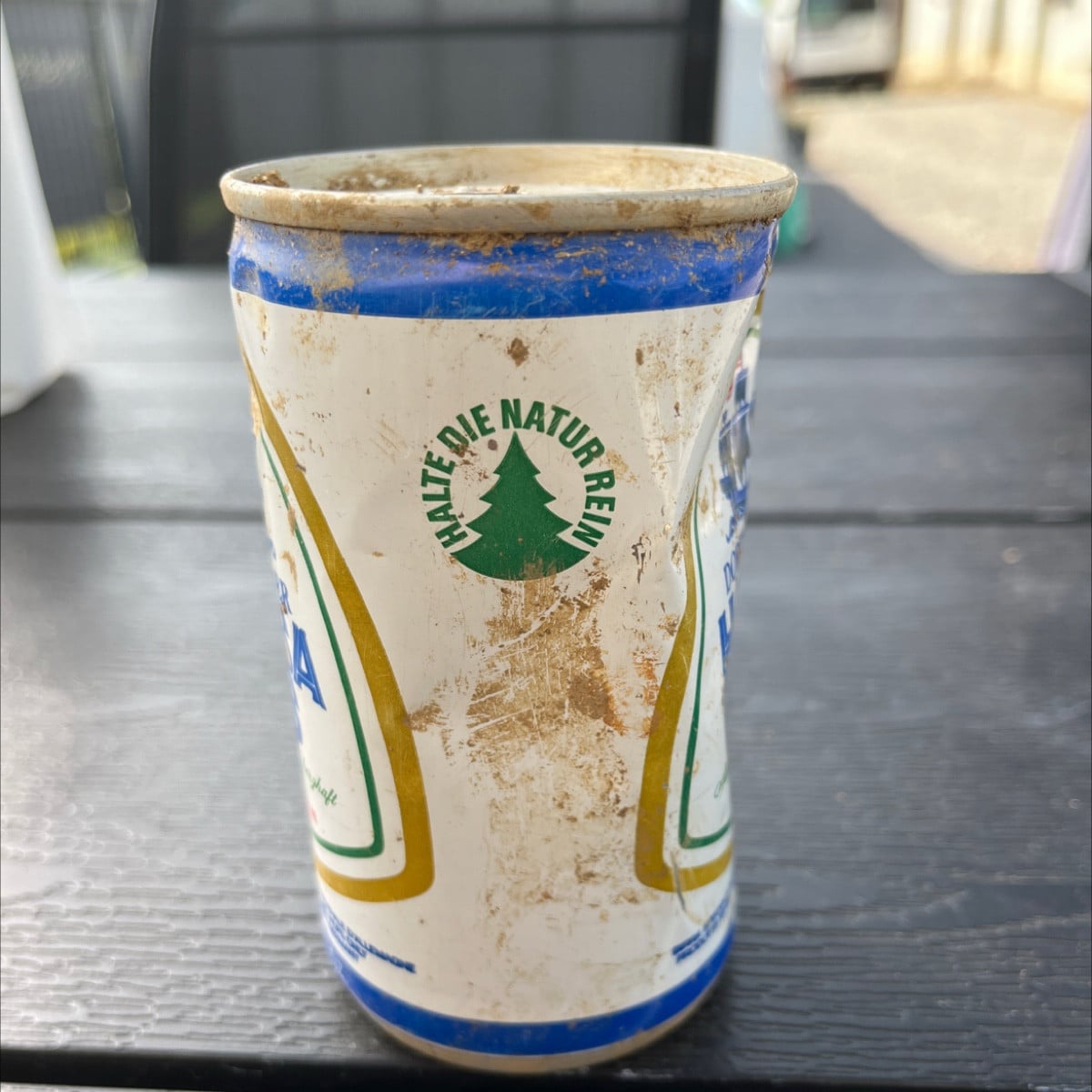
Found this today. According to Google, the can was manufactured in the 1980s. It seems the slogan "Keep nature clean" wasn't exactly put into practice.

Hi, we have pumpkins that are firm and green but sound hollow; they're still on the plant. How can I tell if they're ripe? I tried to upload a photo, but it didn't work....
Popular Articles


FAQ
How high does a climbing courgette grow?
Depending on the variety and location, climbing courgettes can reach heights of up to 2 m. It is therefore important to provide a suitable climbing support so that the courgette plant can develop freely.
Which climbing aids are suitable for courgette plants?
Here you can choose freely according to your preferences and conditions in the garden or on the balcony: for example, you can attach bamboo poles, spiral poles, garden trellises, climbing nets or obelisks as trellises.
Are there climbing courgette varieties?
Yes, there are climbing courgette varieties with creeping growth. Varieties such as 'Tromboncino d'Albenga' or 'Cocozelle' can grow up a climbing support. The same goes for the old, white courgette variety 'Erker'.
What other vegetables can be grown vertically?
In addition to courgettes, you can also grow tomatoes, cucumbers, pumpkins and melons vertically. Other climbing vegetable plants such as nasturtiums, peas, beans and aubergines are also suitable.