
Different Types of Courgette: Round, Yellow and Climbing Varieties
Today, there is a wide range of shapes, colours and patterns in courgette varieties. A distinction is made between hardy, mostly old, varieties and hybrid varieties. To make it easier for you to choose the right varieties, we have put together a small overview for you here and give examples of round courgettes, yellow courgettes and old varieties.
This Article Contains:
- What Varieties of Courgette Are There?
- Round Courgette Varieties
- Planting Yellow Courgette Varieties
- Heirloom Varieties of Courgette
- White Courgettes: These Varieties Are Available
- Climbing Courgette Varieties: Space-Saving Gardening
- Obtain Your Own Seeds of Open-Pollinated Varieties
- Frequently Asked Questions About Courgette Varieties
Quick Overview
Round Courgette Varieties
- ,Round Piacenza'
- ,One Ball F1'
- ,Tondo chiaro di Nizza'
- ,Tondo di Toscana'
Yellow Types of Courgette
- Lemon
- Soleil
- Yellow Patisson
- Orelia F1
- Siesta F1
- Gold Rush
Heirloom Varieties of Courgette
- 'Coucourzelle of Tripolis'
- 'Black of Milan'
- 'Verde D'Italia'
- 'Zuboda'
What Varieties of Courgette Are There?
Courgettes are very easy to grow yourself in the garden. They are hardy and high-yielding, making them ideal for the home garden. The fruits of courgette plants come in different shapes and colours. Apart from the classic green variety, they are available in white, green or yellow, striped varieties or uniform colours. The golden, elongated fruits of the 'Gold Rush' variety are particularly delicate and delight with their radiant colour. There are now numerous varieties, so that round courgette varieties such as the 'Round Courgette' are also available. Depending on the variety, the fruits from just 1 - 2 plants are enough to meet the needs of an entire family.
Round Courgette Varieties
- ,Tondo di Toscana': Traditional variety from northern Italy with light green, spherical fruits. Harvest the courgettes young for a particularly tender taste.
- ,Tondo chiaro di Nizza': Initially bushy growing, later slightly climbing variety with very decorative, spherical fruits. The delicate, light green balls are slightly marbled with firm, white, very tender flesh and soft skin.
- ,One Ball F1: Hybrid variety with yellow, rather smaller fruits. Round courgettes are particularly good for hollowing out, stuffing and roasting in the oven.
- ,Tondo di Piacenza: The traditional Italian variety of Ronde de Nice produces round, tasty fruits with a dark skin. Harvest in good time so that they do not grow too large.

Planting Yellow Courgette Varieties
- ,Lemon': Yellow courgette variety in a special lemon shape. The sun-yellow, handy fruits have slightly orange stripes - a real eye-catcher.
- 'Soleil': High-yielding courgette variety with elongated, yellow fruits. It is highly resistant to powdery mildew.
- 'Yellow Patisson': Courgette with yellow skin and star shape. Harvest the fruits as small as possible (diameter < 6 cm/2.4 in) so that new inflorescences can be set immediately.
- 'Orelia F1': High-yielding, yellow courgette variety with elongated fruits. Harvest begins in June and continues into the autumn.
- ,Siesta F1: Courgette variety with yellow skin and clear white stripes. It is particularly decorative and has a good aroma.
- ,Gold Rush': Golden-yellow, elongated fruits with a fine aroma. Harvest the fruits young and regularly so that the plant can immediately produce new flowers.


Plant Knowledge at a Glance
Want to get to know your plants without digging through thick books? In the Fryd Lexicon, you’ll quickly find all the essentials about different plant types and varieties — from sowing, planting, and harvest times to companion planting, location tips, and care advice.
Explore the Lexicon NowHeirloom Varieties of Courgette
- 'Coucourzelle di Tripolis': Tried and tested Italian variety. Courgette with dark green skin and light green stripes, club-shaped.
- 'Nero di Milano': Traditional Italian variety with very elongated fruits. A courgette with very dark green, almost green-black skin. The strikingly large flowers can be used well in the kitchen.
- 'Verde D'Italia': Traditional heirloom variety from Italy with long, dark green fruits. This courgette variety is particularly productive and tasty.
- 'Zuboda': Elongated, apple-green fruits with a cucumber-like taste. This variety is particularly high-yielding and tastes very juicy and refreshing.

White Courgettes: These Varieties Are Available
- ,Erken': Open-pollinated variety with greenish-creamy white fruits. This courgette variety grows slightly creeping and is very productive. Due to its growth habit, you can also grow this variety vertically as a climbing courgette plant.
- 'Custard White': This special variety forms flat, round and cream-coloured pumpkins with delicate skin, which is why it can be processed like a courgette. The fruits have a mild taste and a slight artichoke aroma.
- ,Bianco di Sicilia': Elongated fruits that only change colour from light green to creamy white as they ripen.
Climbing Courgette Varieties: Space-Saving Gardening
Climbing courgette plants are less well-known than bushy varieties. However, these varieties are ideal for vertical cultivation in pots or on the balcony. So if you have little space but still want to garden, then climbing courgettes are just the thing for you.
Climbing Courgettes: Varieties for Growing in Pots
- ,Tromboncino d'Albenga' (also: 'Zucchetta'): This traditional Italian climbing courgette forms long, curved light green to beige fruits. It belongs to the musk pumpkin family and is resistant to pests and diseases.
- ,Black Forest': climbing courgette with dark green fruits. This variety is suitable for the open field, balcony and pot and can grow to a height of up to 2 meters/2.2 yd. Unfortunately, this variety is an F1 hybrid and is therefore not true to type.
- ,Shooting Star': A courgette with yellow fruits. As it is also an F1 hybrid, you cannot obtain your own seeds. This variety reaches heights of up to 1.2 m/47.2 in.
You can find Tips on Growing Courgettes Vertically in Pots in this article. Climbing courgettes are a space-saving option for growing your own courgettes on the balcony. Mixed cultures are possible even in small spaces, for which you can find inspiration and ideas in our digital bed plans.

Obtain Your Own Seeds of Open-Pollinated Varieties
New hybrid varieties (F1) cannot be propagated from their own seeds; they lose more of their original characteristics with each generation. However, you can obtain your own seeds from old, true-to-type courgette varieties. So if you want to obtain your own seeds from a particularly high-yielding variety, you should only Grow Open-Pollinated Plants in your garden. The variety 'Cocozelle di Tripolis' is a true-to-type courgette variety that is very popular with many home gardeners.
Cucurbits like to cross-pollinate with each other, which means that the varieties mix. To prevent this, you can keep a sufficient distance from the next pumpkin plant or use an isolation tunnel. Otherwise, you risk taking seeds that produce inedible and even poisonous fruit. Therefore, avoid growing courgettes and pumpkins at the same time, especially ornamental pumpkins in the same season. Otherwise, the variety may lose its specific characteristics when crossed. It can also lead to increased storage of the bitter substance cucurbitacin. This not only makes the fruit inedible, but also poisonous. The original courgette varieties produced cucurbitacin as a natural protection against being eaten. In more recent varieties, the bitter substance has been bred out.
And This Is How the Seed Harvest Works:
To do this, the seeds are scraped out of a properly ripened fruit together with the pulp and placed in a bowl of lukewarm water. After a few days, the mixture begins to ferment and the pulp dissolves. The seeds are then washed in a coarse sieve and laid out to dry. When drying, make absolutely sure that the seeds are completely dry, otherwise they will go mouldy later. Seeds should generally never be dried in the sun, as this weakens their germination capacity.
If you have any questions or comments, please write to us at [email protected].
Want to get helpful gardening tips all year round and plan your own beds in the best possible way? Then register here or download the Fryd app for Android or iOS.
Fryd - Your digital bed planner
Cover picture by helena munoz on unsplash

Annabell
Annabell studiert Agrarbiologie an der Uni Hohenheim. Auch privat gärtnert sie gerne, verbringt viel Zeit in der Natur und liebt es kreativ zu sein.
Learn MoreCurrent Topics in the Community
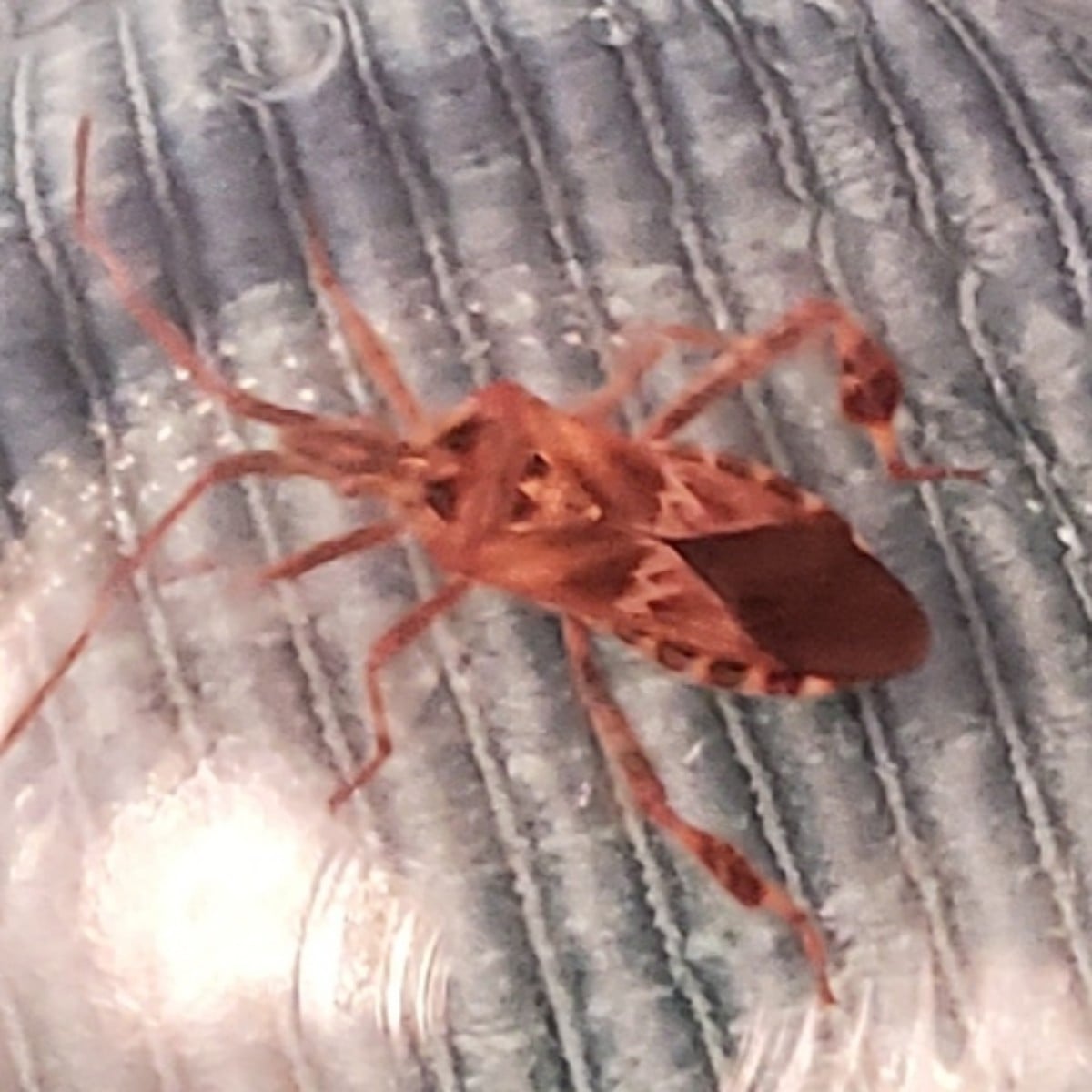
...This American pine or cone bug (Leptoglossus occidentalis) has also noticed that fall is coming! Found in Europe since 1999, it’s yet another import from North America that we really don’t need 🙄. At this time of year, they like to knock on the front door 😳 and ask to be let in so they can spend the winter indoors. Category: Pests! I sent it on its way to Hoek van Holland—maybe it’ll find a friendlier host there 🤷 ...Unfortunately, I don’t have a better photo to share 🤷
Show 1 answer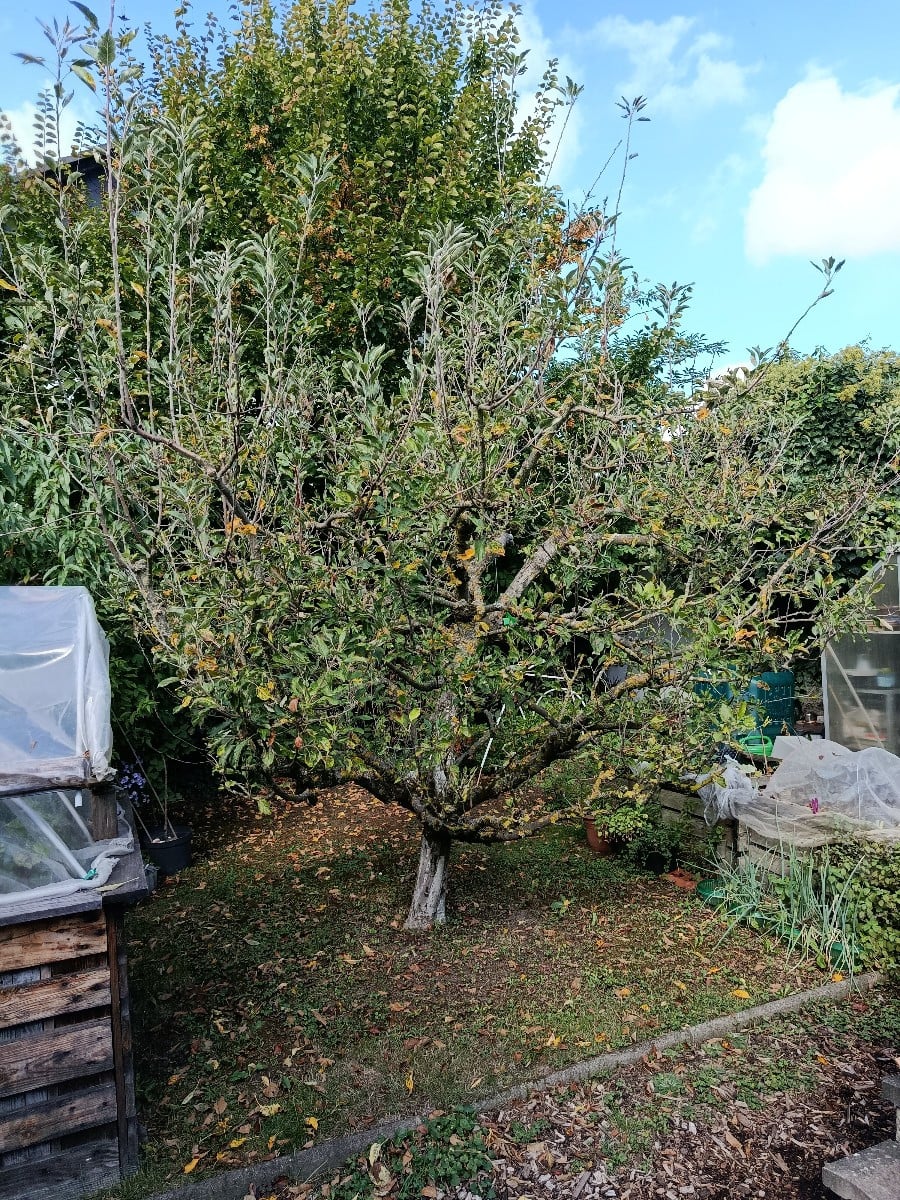
Liked 5 times
Today is a sad day. My Cox Orange was carefully cut down. I tried everything over the years, but nothing worked. Part of the problem was my choice of variety, the wrong location, improper pruning when it was young, and the hot summers. I think letting go is also part of taking responsibility, and it makes room for something new and different. Let yourself be surprised!
Show 2 answers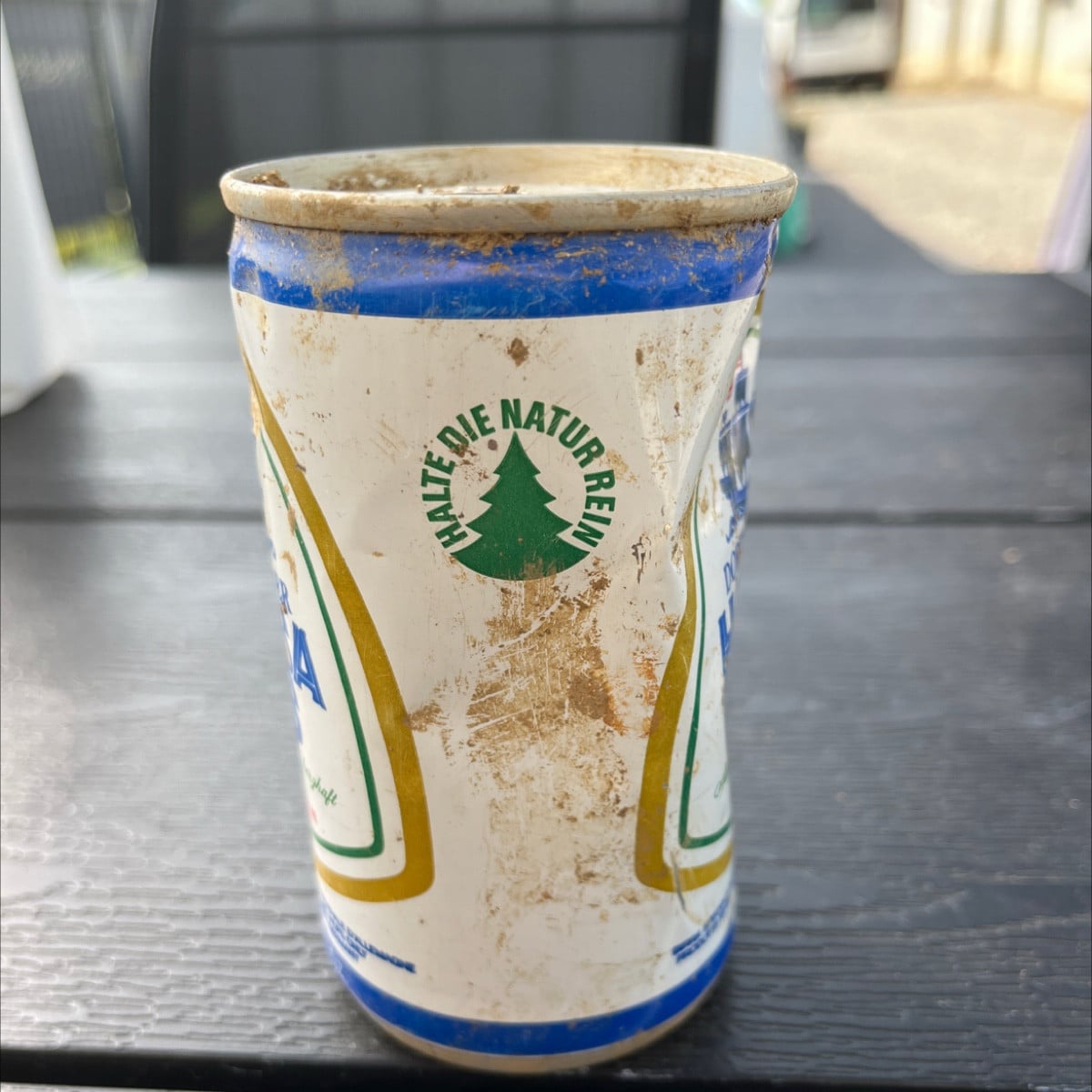
Liked 3 times
Found this today. According to Google, the can was manufactured in the 1980s. It seems the slogan "Keep nature clean" wasn't exactly put into practice.
Show 1 answerPopular Articles


FAQ
Are there purple courgette varieties?
There are indeed purple-coloured courgettes. Varieties such as 'Bianco di Trieste' and 'Lunga Bianca' can have a purple colouration. However, purple courgette varieties are rare and not all that common.
What types of courgette are there?
There are different shapes and colours: in addition to classic green courgettes, there are white, yellow and even purple varieties. There are also varieties with round fruits or climbing courgettes that form tendrils.
Are old courgette varieties open-pollinated?
Seeds of old courgette varieties are usually open-pollinated, i.e. you can save your own seeds and sow them again. Unfortunately, this is not possible with many new varieties, the so-called F1 hybrids.
Which courgette varieties form tendrils?
There are also climbing courgettes that you can train up trellises. Varieties such as 'Erken' or 'Tromboncino d'Albenga', for example, are suitable for vertical cultivation.