
Edible Pumpkins - What Types of Pumpkin Are There?
There is now a wide range of varieties and variations of pumpkins. Over 850 varieties delight us every year in a wide variety of shapes, colours and flavours. In this article, we give you an overview of edible pumpkin varieties.
This Article Contains:
Quick Overview
Edible Pumpkin Varieties: An Overview
- Hokkaido pumpkin: small variety weighing between 1 - 3 kg/2.2 -6.6 pd; skin is edible; suitable for growing on the balcony; can be stored for 5 to 6 months
- Bishop's cap: particularly beautiful, colourful appearance (reminiscent of a cap) with tasty, sweet flesh; can be kept for 4 - 6 months
- Pear or butternut squash: small variety weighing 0.5 to 2.5 kg/1.1 to 5.5 pd; skin is edible
- Muscat pumpkin: large variety that can produce fruit weighing up to 30 kg/66 pd; can be stored for a particularly long time (8 - 10 months)
- Patisson pumpkin: skin can also be eaten; can only be stored for 2 months; taste is reminiscent of courgette
- Spaghetti squash: special flesh that breaks down into spaghetti-like fibres when cooked; can be stored for 5 to 9 months
- Courgettes: in addition to the classic green varieties, they are available in a wide range of variations; particularly popular: Gold Rush
Pumpkin Varieties: About Giant Pumpkins & Co.
With such a wide variety of different pumpkins, it is not easy to classify them botanically. In our latitudes, however, there are three pumpkin species that dominate and are mainly cultivated: Garden pumpkin (Cucurbita pepo), musk pumpkin (Cucurbita moschata) and giant pumpkin (Cucurbita maxima). Most pumpkin varieties of these species are edible pumpkins that end up on our plates as pumpkins. There are also a large number of ornamental pumpkins. However, this article will focus on edible pumpkin varieties and species for growing in the garden or on the balcony. You can find more information on Growing Pumpkins With Tips on Sowing, Care, Harvesting and Storage in the related article.
Edible Pumpkin Varieties for Growing Your Own
Within these three species, there are various subspecies and varieties with numerous pumpkin types. These varieties differ mainly in their size, shape, colour and taste of the pumpkins. The growth form of the plants is usually similar with ground-covering or climbing runners. Depending on the location and growing conditions, you can choose the right variety for you. For example, low-growing varieties with small fruits, such as the Hokkaido pumpkin, are more suitable for the balcony. There are also climbing courgette varieties that you can Grow Vertically on the Balcony to Save Space.

A distinction can also be made between summer and winter squash:
Summer pumpkins are harvested before they are fully ripe, giving them a thin, soft skin that is suitable for eating. As a result, they are more susceptible to spoilage and can only be kept for a few weeks.
Winter pumpkins are harvested when fully ripe and have a thick, hard skin that is not edible. On the other hand, these pumpkins have a much longer shelf life and can be stored for up to six months. Some winter pumpkins, such as the butternut or Hokkaido pumpkin, are the exception here. Their skin is edible and becomes soft when cooked. Nevertheless, they can be dried well and stored for a long time.
Giant Pumpkin (Cucurbita Maxima)
Pumpkins of this type originally come from the North American Andes and are therefore relatively cold-tolerant (but not frost-resistant). This species includes a large number of different pumpkin varieties. On the one hand, among the giant pumpkins there are pumpkin varieties that are grown for competitions and can weigh up to a ton (the world record is 1226 kg/2702 pd), e.g. the 'Atlantic Giant' variety. This type of pumpkin produces the largest fruits known in the plant kingdom. On the other hand, there are also small-fruited pumpkins, such as the Hokkaido pumpkin or bishop's mitre. Giant pumpkins also include Halloween pumpkins, but these are not suitable for eating.
Hokkaido Pumpkin
The Hokkaido pumpkin is the absolute favourite among pumpkin varieties. Weighing between 1 and 3 kg/2.2 and 6.6 pd, it is one of the smaller edible pumpkin varieties. This makes this edible pumpkin ideal for growing on the balcony. There are many different varieties that vary in colour from green to orange. Varieties such as 'Uchiki Kuri', 'Red Kuri' or 'Green Hokkaido' are tried and tested and will win over any hobby gardener with their nutty, mild flavour. The skin is edible and becomes soft when cooked. Its fruits are harvested from September until the first frost and can be stored for around 5 to 6 months, depending on the variety

Bishop’s Mitre or Turban Pumpkin
The bishop's mitre, also known as the turban pumpkin, looks particularly beautiful due to its many colours ranging from white to orange to green. This is why they are often used as ornamental pumpkins. Their tasty, sweet flesh is also ideal for cooking and baking. However, the skin of the turban pumpkin is not edible. Harvesting begins in September until the first frost. Depending on how it is stored, the turban pumpkin can be kept for 4 to 6 months. The shelf life is extended if stored in the fridge.


Plant Knowledge at a Glance
Want to get to know your plants without digging through thick books? In the Fryd Lexicon, you’ll quickly find all the essentials about different plant types and varieties — from sowing, planting, and harvest times to companion planting, location tips, and care advice.
Explore the Lexicon NowMusk Pumpkin (Cucurbita Moschata)
This type of pumpkin comes from tropical regions with a hot, humid climate (Central and South America) and is particularly thermophilic. It was cultivated there a long time ago by indigenous peoples in mixed cultures with maize and beans. This mixed culture is called milpa. You can find out How to Create and Plant a Milpa Bed in this article. The most common varieties grown in our latitudes are butternut and nutmeg squash.
Butternut Squash
The pear or butternut squash has a smooth, slightly yellow skin with light orange, sweetish flesh. These pumpkins weigh between 0.5 and 2.5 kg/1.1 and 5.5 pd and are therefore relatively small. They contain very few seeds. When freshly harvested, the skin of the pear pumpkin can also be eaten. Its fruits are harvested from August to September. This pumpkin variety can be kept for around 3 months.

Muscat Squash
Muscat pumpkins (also known as: Muscat de Provence (French)) grow up to 50 cm/19.7 in tall and weigh between 5 and 30 kg/11 and 66 pd. They are dark green when unripe and slowly turn light brown-orange as they ripen. Their flesh tastes nutty and fruity with a slight hint of nutmeg. The hard skin must be removed when cooking, but this makes it particularly long-lasting (8-10 months). Harvesting starts in August and lasts until October.
Our tip: Due to their hard skin, they can be hollowed out and used as a soup bowl or dish.

Garden Pumpkin (Cucurbita Pepo)
Garden pumpkins are a type of pumpkin with many different shapes. In addition to the ufo-like patisson pumpkin, spaghetti squash and courgettes are also garden pumpkins. Styrian oil pumpkins are also part of this type of pumpkin. These pumpkins have particularly soft seeds that are ideal for pressing oil. These varieties are also native to Central America and are therefore very thermophilic.
Patisson Pumpkin
The patisson pumpkin comes in different colours. From white, yellow and green to striped or speckled, there really is everything. This pumpkin can also be eaten with the skin on, provided it is harvested early. Due to its soft skin, this pumpkin can only be stored for up to 2 months. The harvest period begins in July and lasts until October. The taste of the fruit is reminiscent of a courgette.

Spaghetti Squash
The spaghetti squash is characterized by its special flesh, which breaks down into spaghetti-like fibres when cooked. Its flesh is light yellow and has a nutty aroma. On the outside, it is initially cream-coloured and eventually turns yellow. It reaches a weight of between 1 and 3 kg/2.2 and 6.6 pd. Its fruits can be harvested from August until late autumn. They can be stored for 5 to 9 months.

Courgette
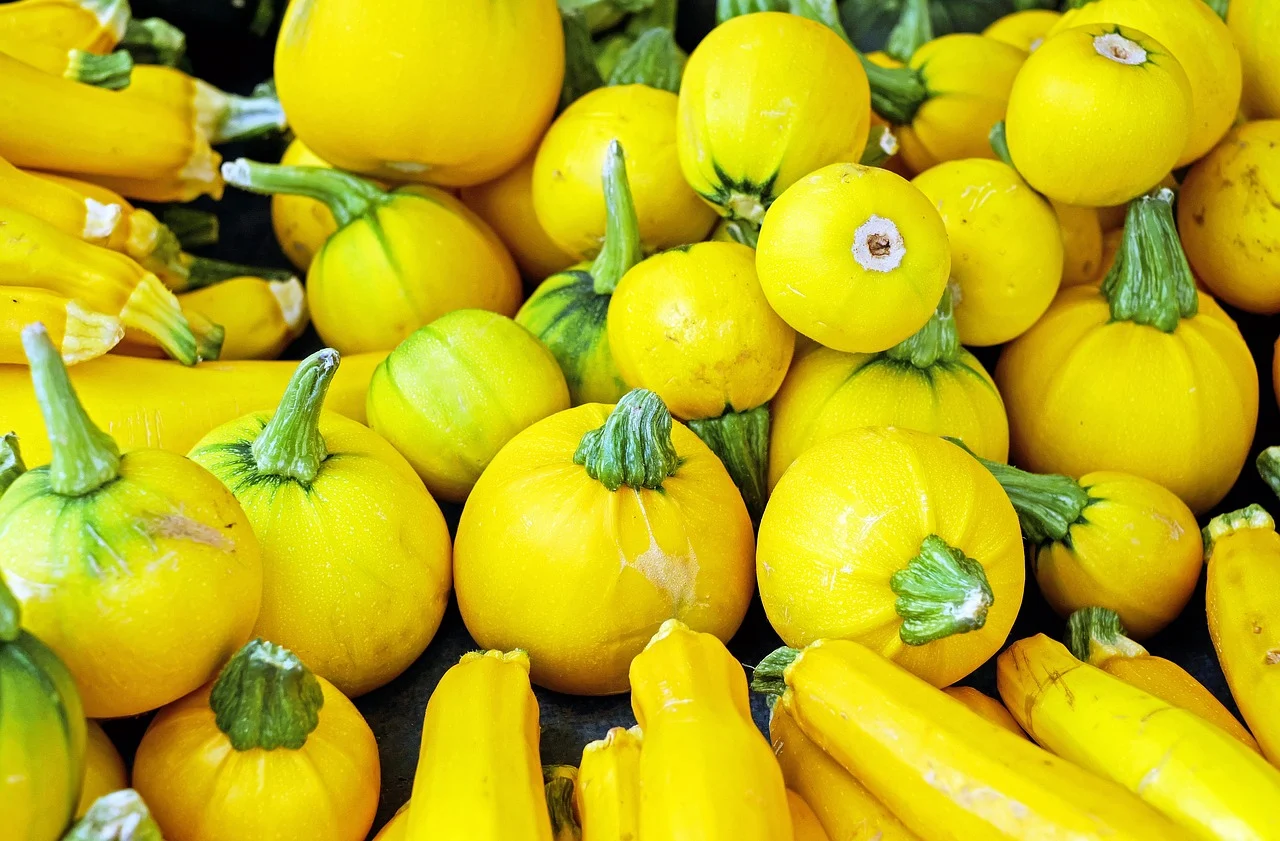
The courgette is also a subspecies of the garden pumpkin and part of the pumpkin family. Courgettes come in a wide variety of shapes and colours. In addition to the classic green varieties, they are also available in white or yellow. The yellow, elongated fruits of the 'Gold Rush' variety are particularly popular with amateur gardeners. You can find An Overview of Round, Yellow and Old Courgette Varieties in this article. Depending on the variety, these courgettes are harvested from July to the beginning of October. Thanks to their thin skin, courgettes can be kept for a few weeks if stored correctly.
I hope you got an overview of the pumpkin varieties and find the right one for you! If you have any questions or comments, please write to us at [email protected].
Want to get helpful gardening tips all year round and plan your own beds in the best possible way? Then register here or download the Fryd app for Android or iOS.
Fryd - Your digital bed planner
Cover picture by Hans on Pixabay.

Marie
Marie ist Agrarwissenschaftlerin. Sie interessiert sich besonders für den nachhaltigen und ökologischen Anbau von Gemüse und anderen Pflanzen. Im eigenen Garten sammelte sie dabei Erfahrungen und probiert sich gerne aus, um von der Natur zu lernen. Dabei liegen ihr Werte und Prinzipien der Permakultur besonders am Herzen, um neben dem Wohl für die Natur, auch für das Wohlergehen der Menschen und zukünftiger Generationen beizutragen.
Learn MoreCurrent Topics in the Community
Liked 1 times
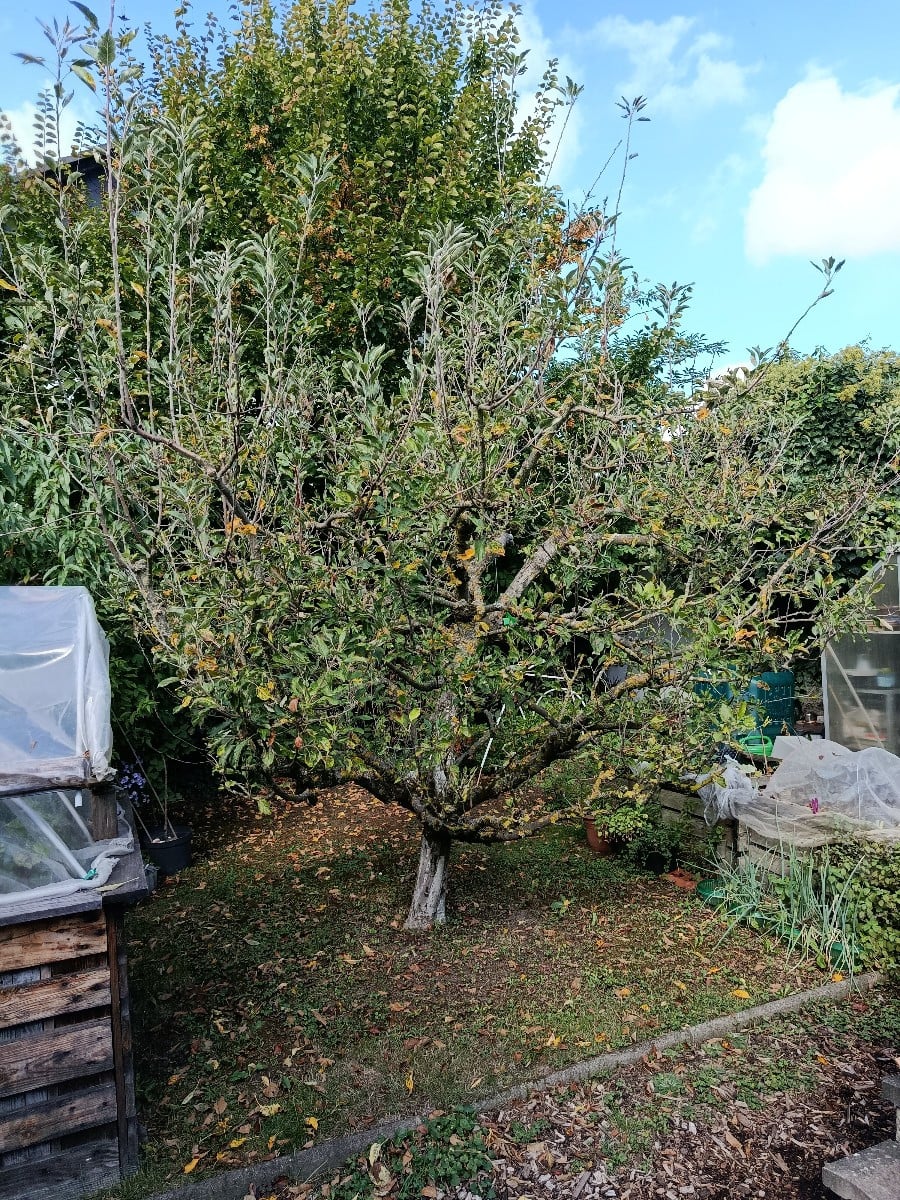
Today is a sad day. My Cox Orange was carefully cut down. I tried everything over the years, but nothing worked. Part of the problem was my choice of variety, the wrong location, improper pruning when it was young, and the hot summers. I think letting go is also part of taking responsibility, and it makes room for something new and different. Let yourself be surprised!
Liked 1 times
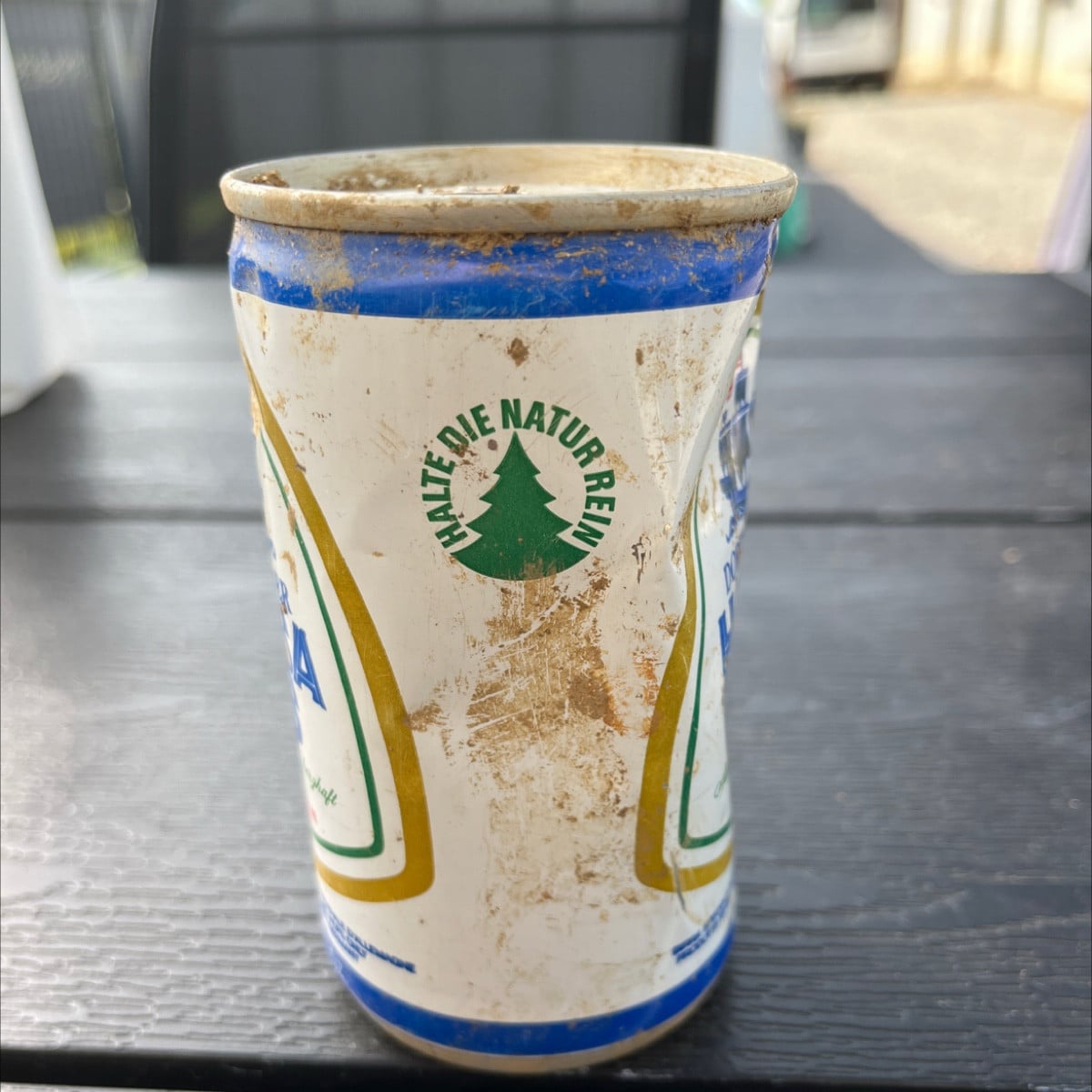
Found this today. According to Google, the can was manufactured in the 1980s. It seems the slogan "Keep nature clean" wasn't exactly put into practice.
Hi, we have pumpkins that are firm and green but sound hollow; they're still on the plant. How can I tell if they're ripe? I tried to upload a photo, but it didn't work....
Popular Articles


FAQ
What edible pumpkin varieties are there?
Edible pumpkin varieties include hokkaido, bishop's cap, butternut, nutmeg and patisson pumpkins. A speciality is the spaghetti squash with its unique texture. Courgettes are also pumpkins and come in various shapes.
Which pumpkin varieties don't need peeling?
Summer squashes usually have a thin skin as they are harvested unripe. They do not necessarily need to be peeled. There are also some pumpkin varieties that have a fairly soft skin even when fully ripe. These include butternut or Hokkaido pumpkins, which can be eaten with their skin on without any problems.
What is a spaghetti squash?
The spaghetti squash belongs to the garden squash family and has a special flesh which, when cooked, breaks down into spaghetti-like fibres. It can be stored well (up to nine months).
How long does a Hokkaido pumpkin keep?
Hokkaido pumpkins can be stored for around five to six months. You can harvest the pumpkins until the first frosts and enjoy them well into the winter if stored correctly.