Garden Guide
Garden Guide for Portland, Pacific Northwest
Portland, located in USDA Hardiness Zone 8b, boasts a mild, humid climate with cool, rainy winters and warm, dry summers. The soil here is often clayey and volcanic in origin, which makes it fertile but can also mean it's heavy and retains a lot of water. Good drainage and enriching the soil with compost are crucial for successful gardening.
In Portland (USDA Hardiness Zone 8b), you can kick off your gardening after the last frost in mid-March and keep harvesting until the first frost in late November. You can start lettuce seeds indoors from February to August and harvest from March to November. Sow radishes from March to October for a harvest from May to November. Start your tomato seeds indoors from March to April and enjoy your harvest from June to October.
Also applies to: Seattle, Salem, Eugene, Olympia, Vancouver (WA)
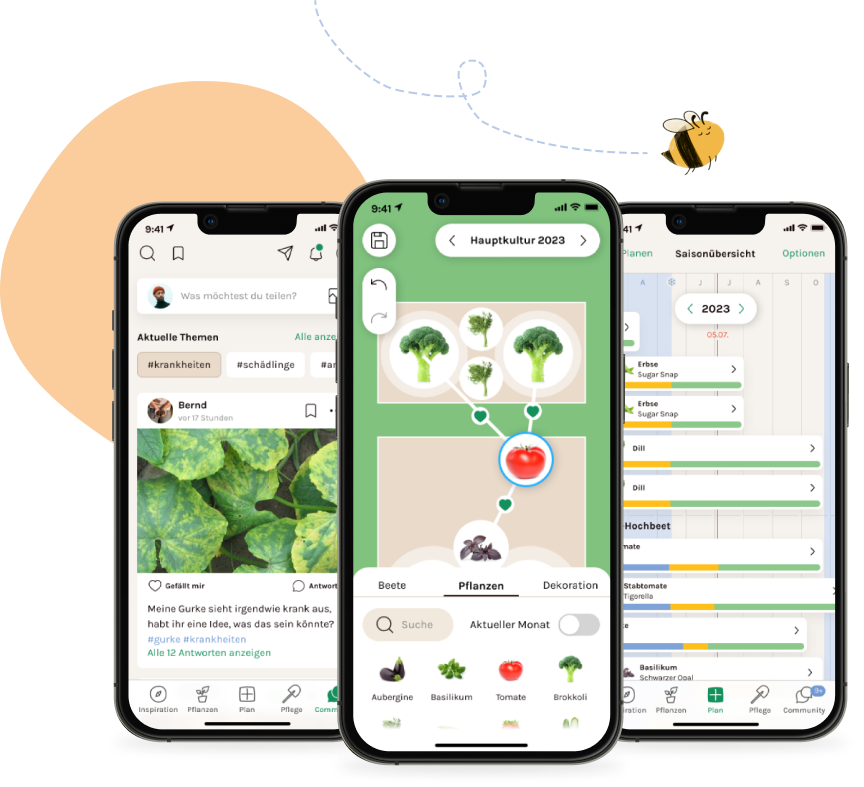
Plan your Portland garden in the Fryd appPlanting Calendar
When to start indoors, sow outdoors, and harvest in Portland.
| Crop | Jan | Feb | Mar | Apr | May | Jun | Jul | Aug | Sep | Oct | Nov | Dec |
|---|---|---|---|---|---|---|---|---|---|---|---|---|
| Carrots ●●● ●●○ ●○○ | |
|
|
|
|
|
|
|
|
|||
| Lettuce (Lettuce) ●●○ ●●○ ●●○ | |
|
|
|
|
|
|
|
|
|
||
| Cucumber / Gherkin ●●● ●●○ ●●● | |
|
|
|
|
|
|
|||||
| Courgette / Zucchini ●●● ●●● ●●● | |
|
|
|
|
|
|
|
||||
| Pepper / Paprika ●●● ●●○ ●●● | |
|
|
|
|
|
|
|
||||
| Potato ●●● ●●○ ●●● | |
|
|
|
|
|
|
|
||||
| Radishes ●●● ●●○ ●○○ | |
|
|
|
|
|
|
|
|
|||
| Tomato (Bush tomato) ●●● ●●○ ●●● | |
|
|
|
|
|
|
|
||||
| Tomato (Cocktail bush tomato) ●●● ●●○ ●●● | |
|
|
|
|
|
|
|
||||
| Onion ●●● ●●○ ●●○ | |
|
|
|
|
|
|
|
||||
| Bean (Dwarf bean) ●●● ●●○ ●○○ | |
|
|
|
|
|
|
|||||
| Pea ●●● ●●○ ●○○ | |
|
|
|
|
|
|
|
||||
| Basil ●●● ●●○ ●●● | |
|
|
|
|
|
|
|
||||
| Beetroot ●●● ●●○ ●●○ | |
|
|
|
|
|
|
|
||||
| Strawberry ●●● ●●○ ●●● | |
|
|
|
|
|
|
|
|
|||
| Kohlrabi / German turnip / Turnip cabbage ●●● ●●○ ●●○ | |
|
|
|
|
|
|
|
||||
| Garlic ●●● ●●○ ●○○ | |
|
|
|
|
|
||||||
| Pumpkin / Squash ●●● ●●● ●●● | |
|
|
|
|
|
|
|
||||
| Broccoli ●●● ●●● ●●● | |
|
|
|
|
|
|
|
|
|||
| Chard ●●○ ●●○ ●●○ | |
|
|
|
|
|
|
|
|
|
|
Planting Calendar Portland
- Carrots: Sowing Mar - Jun, Harvest Jun - Nov (Light: high, Water: medium, Nutrients: low)
- Lettuce (Lettuce): Start indoors Feb - Aug, Sowing Mar - Sep, Harvest Mar - Nov (Light: medium, Water: medium, Nutrients: medium)
- Cucumber / Gherkin: Start indoors Apr - May, Sowing May - Jun, Harvest Jun - Oct (Light: high, Water: medium, Nutrients: high)
- Courgette / Zucchini: Start indoors Mar - May, Sowing May - Jun, Harvest Jun - Oct (Light: high, Water: high, Nutrients: high)
- Pepper / Paprika: Start indoors Feb - Mar, Sowing May - Jun, Harvest Jul - Oct (Light: high, Water: medium, Nutrients: high)
- Potato: Start indoors Mar, Sowing Mar - Jun, Harvest Jun - Oct (Light: high, Water: medium, Nutrients: high)
- Radishes: Sowing Mar - Oct, Harvest May - Nov (Light: high, Water: medium, Nutrients: low)
- Tomato (Bush tomato): Start indoors Mar - Apr, Sowing May - Jun, Harvest Jun - Oct (Light: high, Water: medium, Nutrients: high)
- Tomato (Cocktail bush tomato): Start indoors Mar - Apr, Sowing May - Jun, Harvest Jun - Oct (Light: high, Water: medium, Nutrients: high)
- Onion: Start indoors Jan - Feb, Sowing Mar - Apr, Harvest Jul - Oct (Light: high, Water: medium, Nutrients: medium)
- Bean (Dwarf bean): Start indoors Apr - May, Sowing May - Jul, Harvest Jun - Oct (Light: high, Water: medium, Nutrients: low)
- Pea: Sowing Mar - Jun, Harvest May - Oct (Light: high, Water: medium, Nutrients: low)
- Basil: Start indoors Mar - Jul, Sowing May - Jul, Harvest May - Oct (Light: high, Water: medium, Nutrients: high)
- Beetroot: Start indoors Mar - Apr, Sowing Apr - Jul, Harvest Jul - Oct (Light: high, Water: medium, Nutrients: medium)
- Strawberry: Start indoors Feb - Apr, Sowing Mar - Jun, Harvest May - Oct (Light: high, Water: medium, Nutrients: high)
- Kohlrabi / German turnip / Turnip cabbage: Start indoors Mar - May, Sowing Mar - Jun, Harvest Jun - Oct (Light: high, Water: medium, Nutrients: medium)
- Garlic: Sowing Sep - Nov, Harvest Jun - Aug (Light: high, Water: medium, Nutrients: low)
- Pumpkin / Squash: Start indoors Apr - May, Sowing May - Jul, Harvest Aug - Nov (Light: high, Water: high, Nutrients: high)
- Broccoli: Start indoors Feb - Apr, Sowing May - Jun, Harvest Jun - Oct (Light: high, Water: high, Nutrients: high)
- Chard: Start indoors Jan - Apr, Sowing Mar - Jun, Harvest May - Nov (Light: medium, Water: medium, Nutrients: medium)
Based on Fryd planting data for Zone 8b, 2026.
Companion Planting for Portland
Plants that thrive together in Pacific Northwest.
Some plants grow better side by side: they keep pests away, improve the soil or make the most of the space.
 +
+
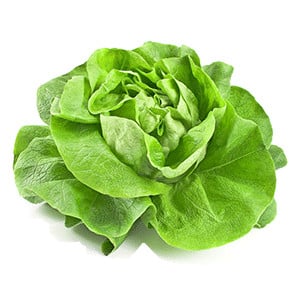
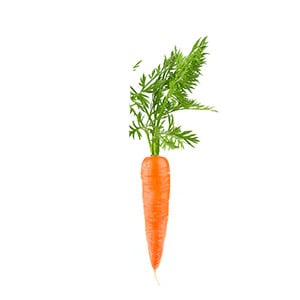
Lettuce covers the soil around your carrots, retains moisture, and protects against weeds as it grows quickly.
 +
+
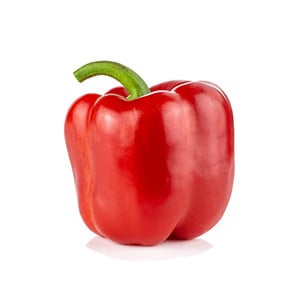
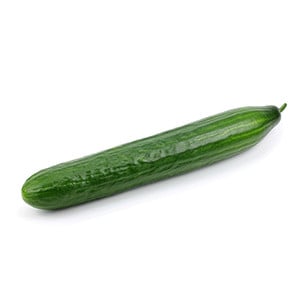
Cucumber / Gherkin + Pepper / Paprika
Your peppers and cucumbers have similar demands for light, water, and nutrients, and they thrive in high humidity.
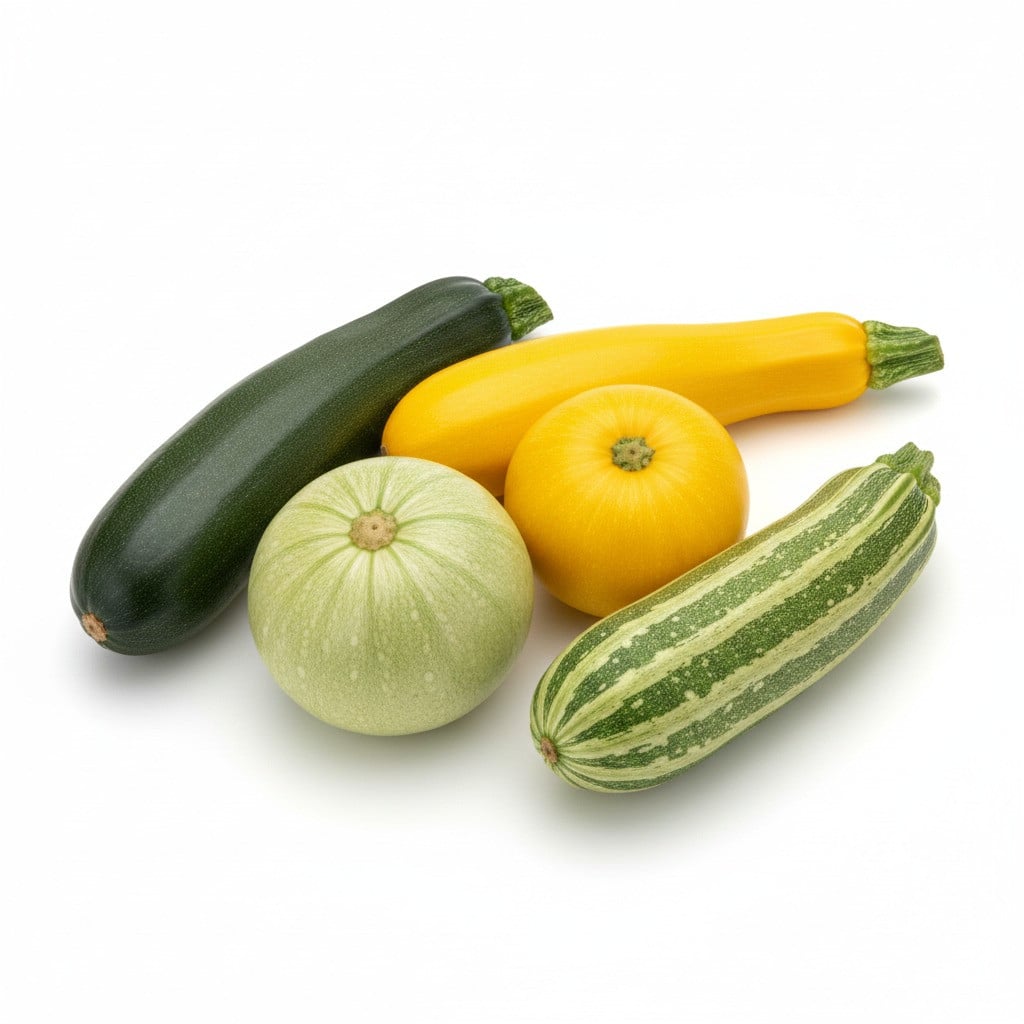 +
+
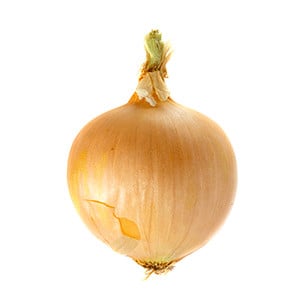
Your onions keep pests away from courgettes with their scent and help prevent powdery mildew.
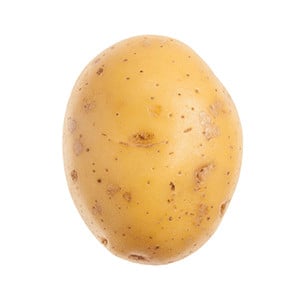 +
+
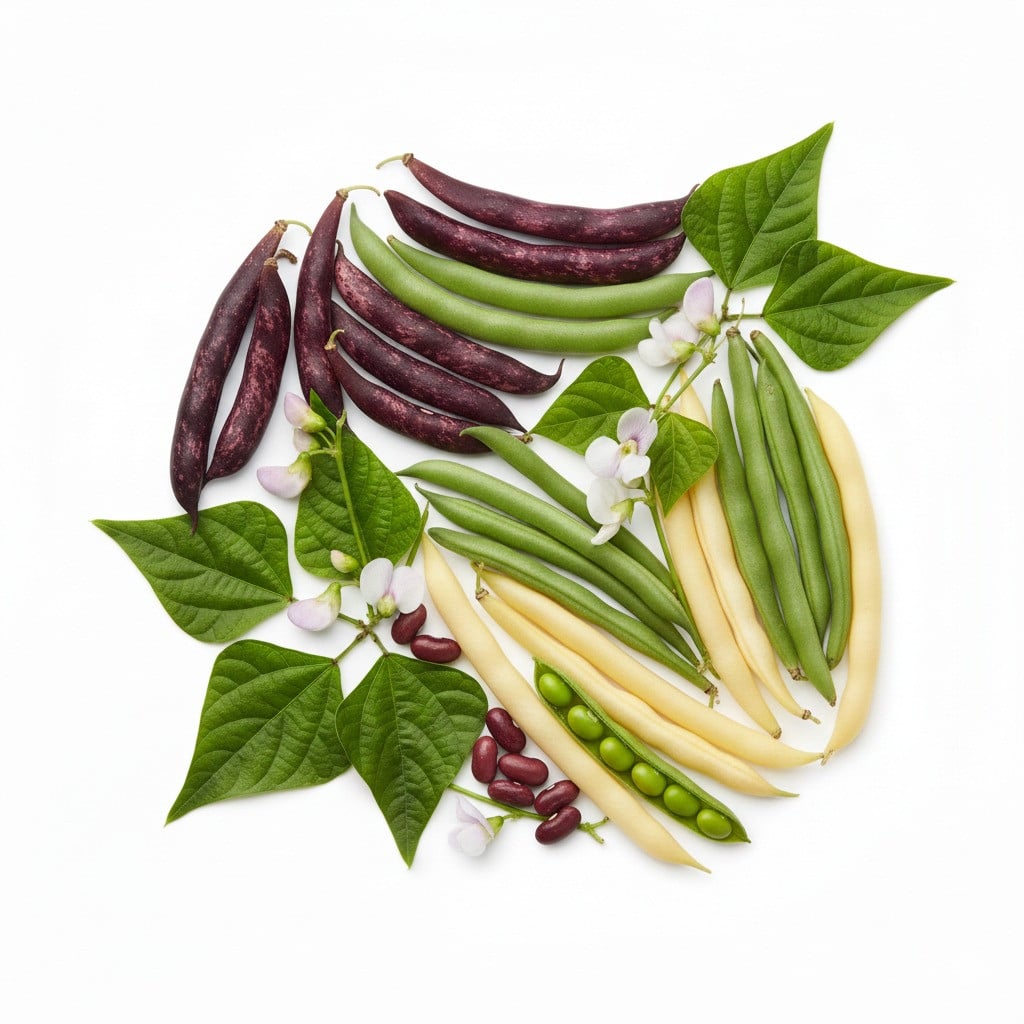
Dwarf beans provide nitrogen for your potatoes, and their shallow roots don't compete for space.
 +
+
Radishes + Pea
Radishes serve as marker seeds and make optimum use of garden space as they germinate quickly before your peas grow.
Plan companions visually
Drag and drop crops in the Fryd bed planner to see companion matches.
Try Fryd →Growing Tips for Portland
Starting Lettuce Seeds Right
Start your lettuce seeds indoors from February/March. Press the seeds lightly into the soil (about 0.5 cm deep) and don't cover them completely, as they need light to germinate. Make sure the temperature doesn't go above 20-22 °C (68-72 °F) to prevent bolting.
Keeping Radishes Moist
Radishes need consistent moisture for quick and healthy growth. If they dry out, the roots can become woody, overly spicy, and pithy. Ensure well-draining, humus-rich soil to prevent waterlogging while still retaining moisture.
Chitting Potatoes
Place your seed potatoes in a bright, cool spot (10–15 °C / 50-59 °F) for 3–4 weeks before planting to chit them. This encourages strong sprouts and an earlier harvest. Avoid temperatures that are too warm, as this can lead to long, spindly sprouts.
Feeding Squash and Courgettes Well
Squash and courgettes are heavy feeders, so they need a sunny spot and nutrient-rich, loose, and humus-rich soil. Consistent and ample water and nutrient supply is crucial for healthy development and abundant fruit production.
Common Pests & Diseases
Keeping Slugs in Check
Slugs are often a problem in humid climates like Portland. Collect them regularly, especially after rain or in the evening. Slug barriers like copper tape or coffee grounds can help protect your plants.
Naturally Battling Aphids
If you have an aphid infestation, you can spray the plants with a strong stream of water or use a soapy solution (liquid soap and water). Encourage beneficial insects like ladybirds and lacewings by planting insect-friendly plants.
Preventing Blight in Tomatoes and Potatoes
Blight is a fungal disease that affects tomatoes and potatoes. Ensure adequate plant spacing and good air circulation to keep the leaves dry. Remove affected plant parts immediately and do not put them in your compost.
Deterring Cabbage Maggots from Brassicas
Cabbage maggots can damage young brassicas like kohlrabi and broccoli. Protect your seedlings with row covers that are sealed tightly to the ground. Companion planting with celery or tomatoes can also act as a deterrent.
Frequently Asked Questions
When should I plant tomatoes in Portland?
Tomatoes are sensitive to frost, so you should only plant them outdoors after the last frost, typically in mid-March. Start them indoors from March to April, then transplant the seedlings outdoors in May or June when soil temperatures are consistently warm.
What hardiness zone is Portland in?
Portland is in USDA Hardiness Zone 8b. This means you can expect mild winters and a long growing season, allowing for a wide variety of plant species.
Which vegetables grow particularly well in Portland?
Many vegetables thrive in Portland! You can grow cold-tolerant plants like lettuce, Swiss chard, and radishes almost year-round. Even heat-loving crops like tomatoes, squash, and courgettes can be very productive with the right care.
When is the last frost in Portland?
The last frost in Portland is typically expected in mid-March. This is a good benchmark for planting frost-sensitive plants outdoors or starting direct sowing.