Garden Guide
Garden Guide for Houston, Texas Gulf Coast
Houston is in USDA Hardiness Zone 9b and has a humid subtropical climate with hot, humid summers and mild winters. The soil is often clayey and may require good drainage, but it benefits greatly from the addition of compost. High humidity and long growing seasons provide ideal conditions for many plants.
In Houston (USDA Zone 9b), you can garden almost year-round thanks to mild winters. The last frost is typically in late January, and the first frost is in early December. For example, you can start garden lettuce indoors from January to July, or sow radishes from January to August. Carrots can also be sown from January to May and harvested until December.
Also applies to: Galveston, Sugar Land, Pasadena, Baytown, Conroe, The Woodlands
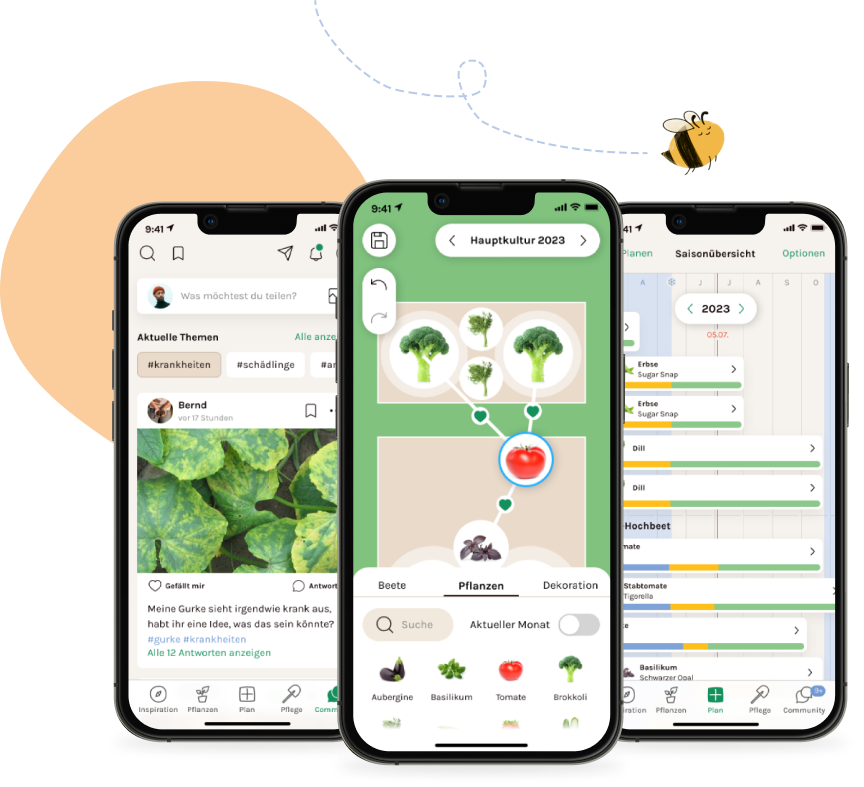
Plan your Houston garden in the Fryd appPlanting Calendar
When to start indoors, sow outdoors, and harvest in Houston.
| Crop | Jan | Feb | Mar | Apr | May | Jun | Jul | Aug | Sep | Oct | Nov | Dec |
|---|---|---|---|---|---|---|---|---|---|---|---|---|
| Carrots ●●● ●●○ ●○○ | |
|
|
|
|
|
|
|
|
|
|
|
| Lettuce (Lettuce) ●●○ ●●○ ●●○ | |
|
|
|
|
|
|
|
|
|
|
|
| Cucumber / Gherkin ●●● ●●○ ●●● | |
|
|
|
|
|
|
|
|
|||
| Courgette / Zucchini ●●● ●●● ●●● | |
|
|
|
|
|
|
|
|
|
||
| Pepper / Paprika ●●● ●●○ ●●● | |
|
|
|
|
|
|
|
|
|
||
| Tomato (Bush tomato) ●●● ●●○ ●●● | |
|
|
|
|
|
|
|
|
|
|
|
| Tomato (Cocktail bush tomato) ●●● ●●○ ●●● | |
|
|
|
|
|
|
|
|
|
|
|
| Potato ●●● ●●○ ●●● | |
|
|
|
|
|
|
|
|
|
|
|
| Radishes ●●● ●●○ ●○○ | |
|
|
|
|
|
|
|
|
|
|
|
| Onion ●●● ●●○ ●●○ | |
|
|
|
|
|
|
|
|
|||
| Bean (Dwarf bean) ●●● ●●○ ●○○ | |
|
|
|
|
|
|
|
|
|||
| Pea ●●● ●●○ ●○○ | |
|
|
|
|
|
|
|
|
|
|
|
| Basil ●●● ●●○ ●●● | |
|
|
|
|
|
|
|
|
|
|
|
| Beetroot ●●● ●●○ ●●○ | |
|
|
|
|
|
|
|
|
|
||
| Strawberry ●●● ●●○ ●●● | |
|
|
|
|
|
|
|
|
|
||
| Garlic ●●● ●●○ ●○○ | |
|
|
|
|
|
||||||
| Kohlrabi / German turnip / Turnip cabbage ●●● ●●○ ●●○ | |
|
|
|
|
|
|
|
|
|
|
|
| Pumpkin / Squash ●●● ●●● ●●● | |
|
|
|
|
|
|
|
|
|
||
| Broccoli ●●● ●●● ●●● | |
|
|
|
|
|
|
|
|
|
|
|
| Chard ●●○ ●●○ ●●○ | |
|
|
|
|
|
|
|
|
|
|
|
Planting Calendar Houston
- Carrots: Sowing Jan - May, Harvest May - Dec (Light: high, Water: medium, Nutrients: low)
- Lettuce (Lettuce): Start indoors Jan - Jul, Sowing Jan - Aug, Harvest Feb - Dec (Light: medium, Water: medium, Nutrients: medium)
- Cucumber / Gherkin: Start indoors Feb - Apr, Sowing Mar - May, Harvest Apr - Oct (Light: high, Water: medium, Nutrients: high)
- Courgette / Zucchini: Start indoors Feb - Apr, Sowing Mar - May, Harvest May - Nov (Light: high, Water: high, Nutrients: high)
- Pepper / Paprika: Start indoors Jan, Sowing Mar - May, Harvest May - Nov (Light: high, Water: medium, Nutrients: high)
- Tomato (Bush tomato): Start indoors Jan - Mar, Sowing Mar - May, Harvest May - Nov (Light: high, Water: medium, Nutrients: high)
- Tomato (Cocktail bush tomato): Start indoors Jan - Mar, Sowing Mar - May, Harvest May - Nov (Light: high, Water: medium, Nutrients: high)
- Potato: Start indoors Jan - Feb, Sowing Feb - Apr, Harvest Apr - Nov (Light: high, Water: medium, Nutrients: high)
- Radishes: Sowing Jan - Aug, Harvest Mar - Nov (Light: high, Water: medium, Nutrients: low)
- Onion: Start indoors Jan, Sowing Jan - Mar, Harvest May - Oct (Light: high, Water: medium, Nutrients: medium)
- Bean (Dwarf bean): Start indoors Feb - Mar, Sowing Mar - May, Harvest May - Oct (Light: high, Water: medium, Nutrients: low)
- Pea: Sowing Jan - May, Harvest Mar - Nov (Light: high, Water: medium, Nutrients: low)
- Basil: Start indoors Jan - May, Sowing Mar - Jun, Harvest Mar - Nov (Light: high, Water: medium, Nutrients: high)
- Beetroot: Start indoors Feb, Sowing Mar - May, Harvest Jun - Nov (Light: high, Water: medium, Nutrients: medium)
- Strawberry: Start indoors Jan - Mar, Sowing Feb - Apr, Harvest Mar - Oct (Light: high, Water: medium, Nutrients: high)
- Garlic: Sowing Sep - Nov, Harvest Jun - Aug (Light: high, Water: medium, Nutrients: low)
- Kohlrabi / German turnip / Turnip cabbage: Start indoors Jan - Mar, Sowing Feb - Apr, Harvest Apr - Nov (Light: high, Water: medium, Nutrients: medium)
- Pumpkin / Squash: Start indoors Feb - Apr, Sowing Mar - May, Harvest Jun - Nov (Light: high, Water: high, Nutrients: high)
- Broccoli: Start indoors Jan - Mar, Sowing Mar - May, Harvest May - Nov (Light: high, Water: high, Nutrients: high)
- Chard: Start indoors Jan - Mar, Sowing Feb - May, Harvest Mar - Dec (Light: medium, Water: medium, Nutrients: medium)
Based on Fryd planting data for Zone 9b, 2026.
Companion Planting for Houston
Plants that thrive together in Texas Gulf Coast.
Some plants grow better side by side: they keep pests away, improve the soil or make the most of the space.
 +
+
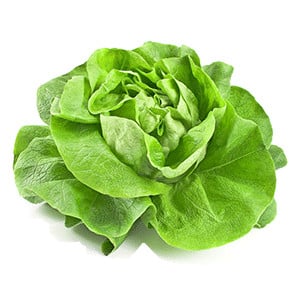
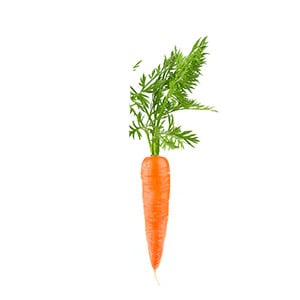
Lettuce covers the soil around your carrots, retains moisture, and protects against weeds as it grows quickly.
 +
+
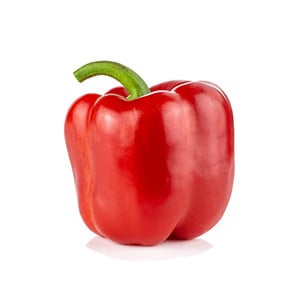
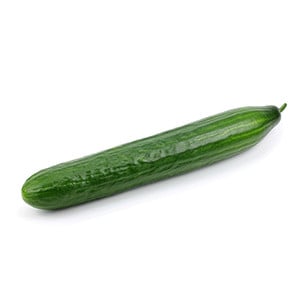
Cucumber / Gherkin + Pepper / Paprika
Your peppers and cucumbers have similar demands for light, water, and nutrients, and they thrive in high humidity.
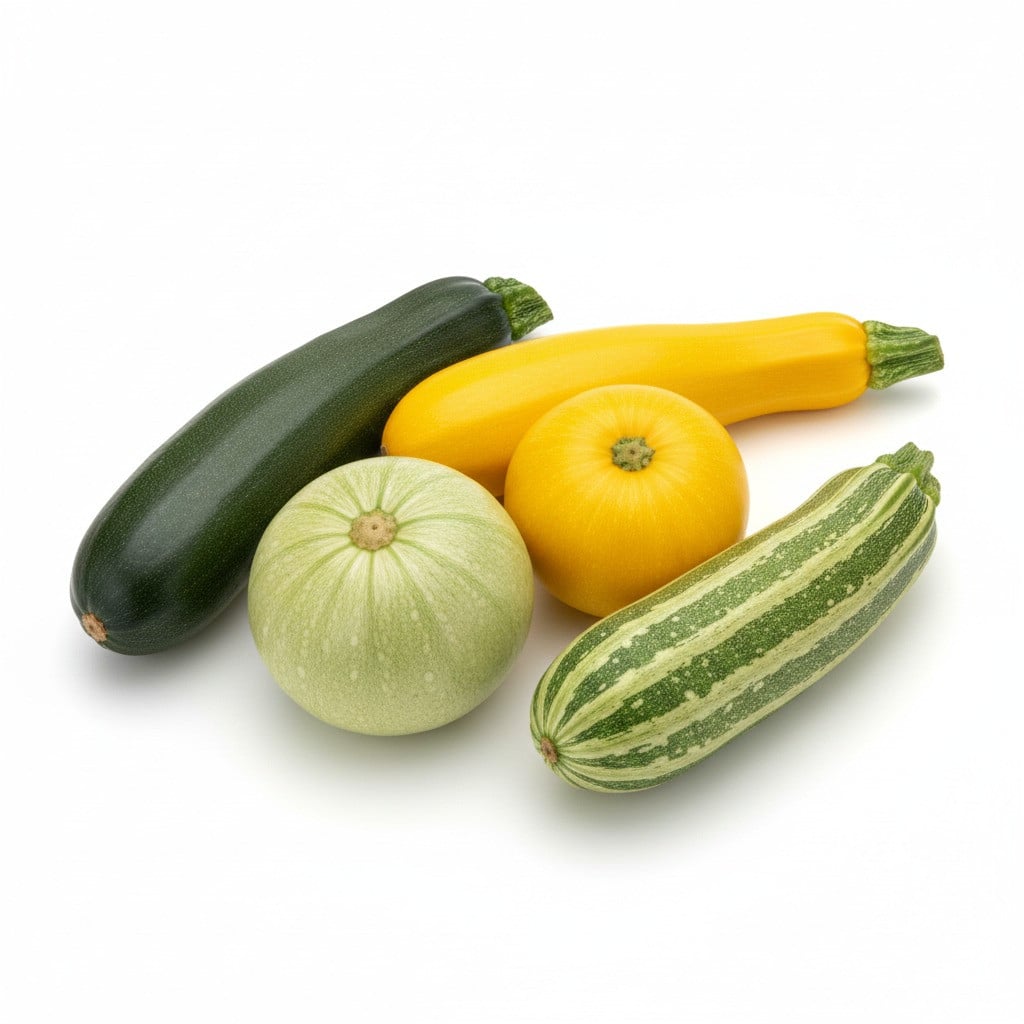 +
+
Your onions keep pests away from courgettes with their scent and help prevent powdery mildew.
 +
+
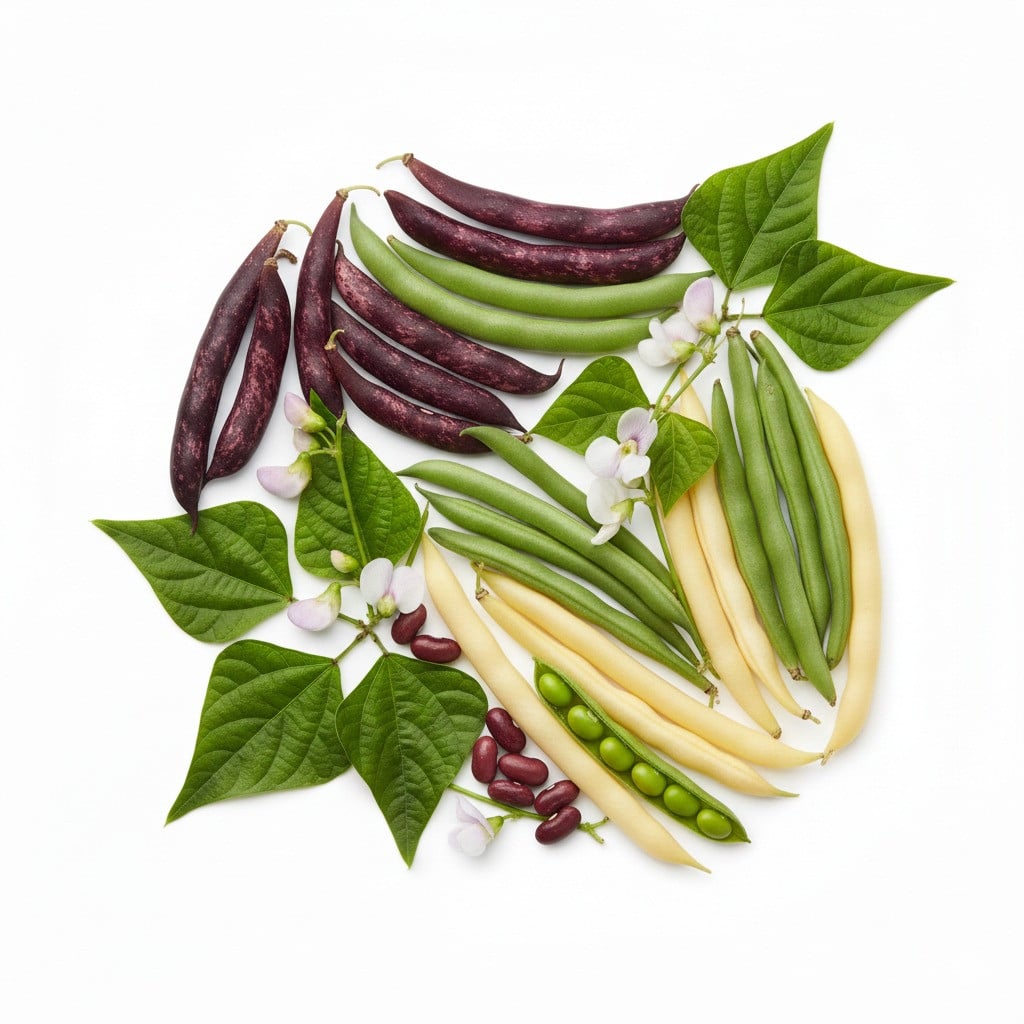
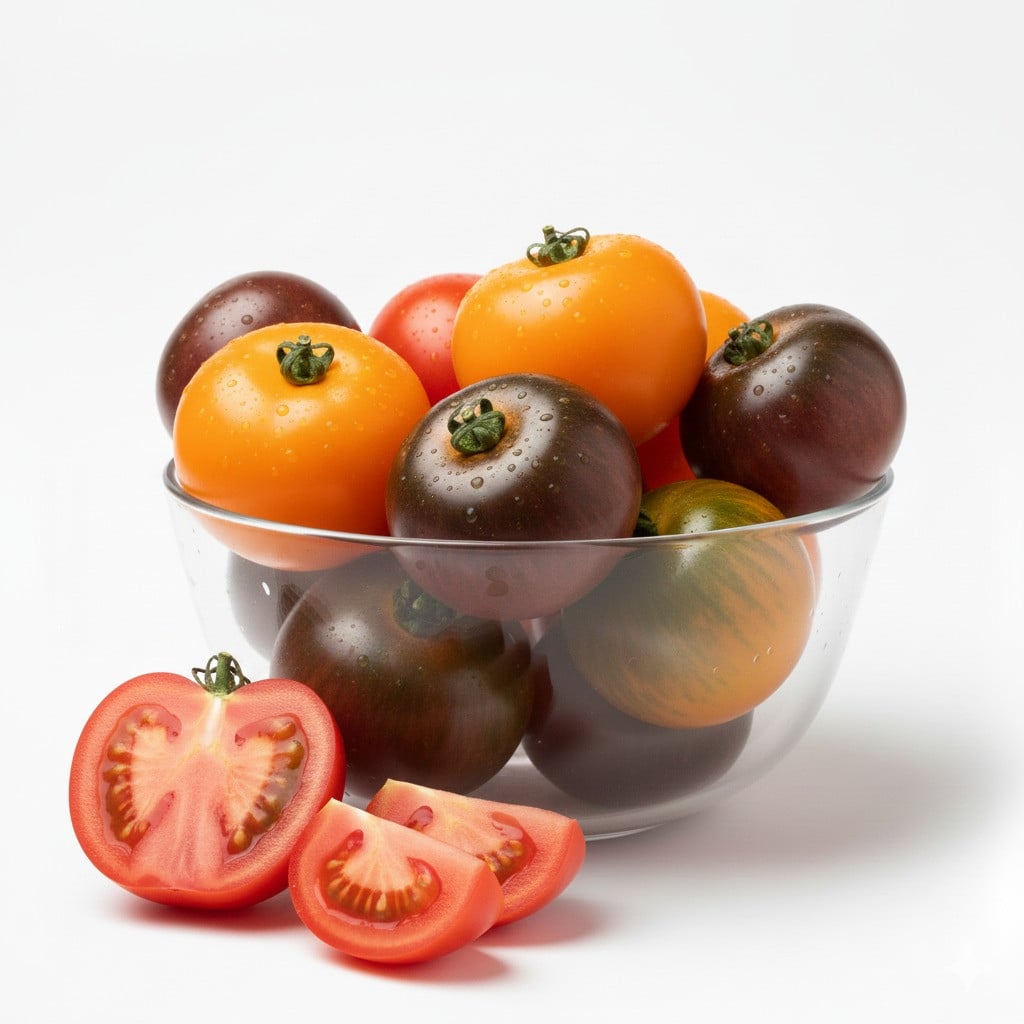
Tomato (Bush tomato) + Bean (Dwarf bean)
Tomatoes and dwarf beans protect each other from pests and boost each other's growth.
 +
+
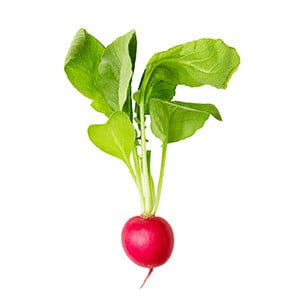
Tomato (Cocktail bush tomato) + Radishes
Radishes loosen the soil and improve drainage, which is great for your tomatoes.
Plan companions visually
Drag and drop crops in the Fryd bed planner to see companion matches.
Try Fryd →Growing Tips for Houston
Get a Head Start on Many Crops
Take advantage of the mild winters and early spring to start many plants indoors. Garden lettuce can be started as early as January, and Swiss chard from January to March. This gives your plants a head start before the summer heat kicks in.
Keep an Eye on Water Needs
Many plants like squash and courgette have very high water requirements, especially during the hot months. Ensure consistent moisture to avoid stress and secure a good harvest. Mulching helps retain soil moisture.
Create Nutrient-Rich Soils
Heavy feeders like tomatoes, broccoli, and strawberries need nutrient-rich soils. Regularly amend your often clayey soil with compost and organic fertilisers to ensure optimal growing conditions. Soil preparation before planting is crucial.
Protect Frost-Sensitive Plants
Although Houston has mild winters, frost-sensitive plants like basil, tomatoes, and cucumbers are vulnerable to rare cold snaps. Plant these outdoors only after the last frost in late January, or protect them during unexpected temperature drops.
Common Pests & Diseases
Identify and Combat Aphids
Aphids are small pests that often settle on young shoots and the undersides of leaves. Rinse them off with a strong stream of water or use a soapy solution. Beneficial insects like ladybirds are natural predators and can help control an infestation.
Manage Slugs in the Garden
Slugs can damage young plants and leaves, especially during wet periods. Regularly pick them off or set out slug traps. A barrier of sawdust or eggshells can also help keep them away.
Prevent Powdery Mildew
Powdery mildew appears as a white, powdery coating on leaves and stems, especially in humid weather. Ensure good air circulation between plants and avoid overhead watering. Remove and dispose of affected leaves.
Control Cabbage Worms
Cabbage worm caterpillars chew holes in cabbage leaves and can cause significant damage. Regularly check your cabbage plants for eggs and caterpillars. A fine row cover can prevent egg-laying and is an effective preventative measure.
Frequently Asked Questions
When do I plant tomatoes in Houston?
You can start tomatoes indoors as early as January to March. Sowing or germination occurs from March to May, and harvesting is then possible from May to November. Make sure to only transplant them outdoors after the last frost.
What hardiness zone is Houston in?
Houston is in USDA Hardiness Zone 9b. This means you'll have mild winters and can enjoy a long growing season. This zone is ideal for a wide variety of heat-loving plants.
Which plants thrive best in Houston?
Many heat-loving plants like tomatoes, cucumbers, squash, and courgette thrive exceptionally well. Cold-hardy plants such as garden lettuce, radishes, and carrots can also be grown almost year-round thanks to the mild winters. Choose varieties that handle heat and humidity well.
When is the last frost in Houston?
The last frost in Houston is typically in late January. This means you can start planting frost-sensitive crops outdoors from February onwards, but you should always keep an eye on local weather forecasts.