Garden Guide
Garden Guide for Chicago, Greater Chicago Area
Chicago is in USDA Hardiness Zone 6b and is known for its cold winters and warm, humid summers. Its proximity to Lake Michigan can influence the microclimate. The soil is often clay-heavy, but with compost and organic matter, it can be well-prepared for growing vegetables.
In Chicago (Zone 6b), you can start sowing seeds after the last frost in early April. Cold-tolerant plants like lettuce (sow March-Oct) and radishes (sow March-Sep) can have an early start. For heat-loving crops like tomatoes (start indoors March-May, plant out June-July) and pumpkins (start indoors April-June, plant out June-July), it's best to plant them out after the risk of frost has passed, typically in mid-May, to ensure a harvest until the first frost in mid-November.
Also applies to: Naperville, Aurora, Joliet, Elgin, Evanston, Gary
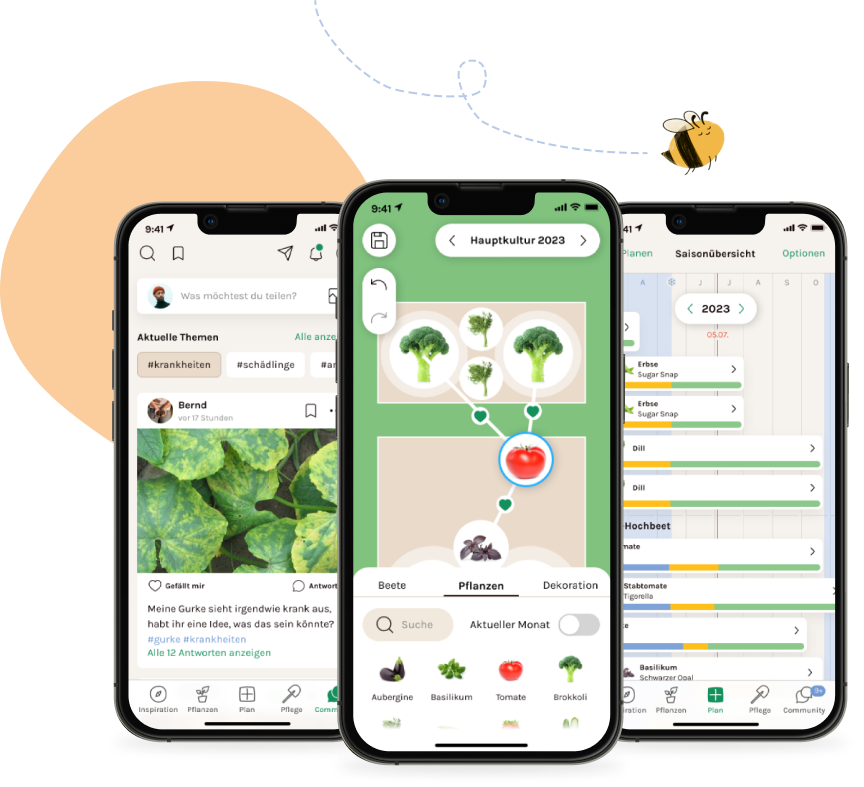
Plan your Chicago garden in the Fryd appPlanting Calendar
When to start indoors, sow outdoors, and harvest in Chicago.
| Crop | Jan | Feb | Mar | Apr | May | Jun | Jul | Aug | Sep | Oct | Nov | Dec |
|---|---|---|---|---|---|---|---|---|---|---|---|---|
| Carrots ●●● ●●○ ●○○ | |
|
|
|
|
|
|
|
|
|||
| Lettuce (Lettuce) ●●○ ●●○ ●●○ | |
|
|
|
|
|
|
|
|
|||
| Cucumber / Gherkin ●●● ●●○ ●●● | |
|
|
|
|
|
|
|||||
| Courgette / Zucchini ●●● ●●● ●●● | |
|
|
|
|
|
|
|||||
| Pepper / Paprika ●●● ●●○ ●●● | |
|
|
|
|
|
||||||
| Potato ●●● ●●○ ●●● | |
|
|
|
|
|
|
|
||||
| Radishes ●●● ●●○ ●○○ | |
|
|
|
|
|
|
|
||||
| Tomato (Bush tomato) ●●● ●●○ ●●● | |
|
|
|
|
|
|
|
||||
| Tomato (Cocktail bush tomato) ●●● ●●○ ●●● | |
|
|
|
|
|
|
|
||||
| Onion ●●● ●●○ ●●○ | |
|
|
|
|
|
|
|
||||
| Bean (Dwarf bean) ●●● ●●○ ●○○ | |
|
|
|
|
|
|
|||||
| Pea ●●● ●●○ ●○○ | |
|
|
|
|
|
|
|
||||
| Basil ●●● ●●○ ●●● | |
|
|
|
|
|
|
|
||||
| Beetroot ●●● ●●○ ●●○ | |
|
|
|
|
|
|
|||||
| Strawberry ●●● ●●○ ●●● | |
|
|
|
|
|
|
|
|
|||
| Kohlrabi / German turnip / Turnip cabbage ●●● ●●○ ●●○ | |
|
|
|
|
|
|
|
||||
| Garlic ●●● ●●○ ●○○ | |
|
|
|
|
|
||||||
| Pumpkin / Squash ●●● ●●● ●●● | |
|
|
|
|
|
||||||
| Broccoli ●●● ●●● ●●● | |
|
|
|
|
|
|
|
||||
| Common marigold ●●● ●○○ | |
|
|
|
|
|
|
|
|
Planting Calendar Chicago
- Carrots: Sowing Mar - Jul, Harvest Jul - Nov (Light: high, Water: medium, Nutrients: low)
- Lettuce (Lettuce): Start indoors Mar - Sep, Sowing Mar - Oct, Harvest Apr - Nov (Light: medium, Water: medium, Nutrients: medium)
- Cucumber / Gherkin: Start indoors Apr - Jun, Sowing Jun - Jul, Harvest Jun - Oct (Light: high, Water: medium, Nutrients: high)
- Courgette / Zucchini: Start indoors Apr - Jun, Sowing Jun - Jul, Harvest Jul - Oct (Light: high, Water: high, Nutrients: high)
- Pepper / Paprika: Start indoors Mar, Sowing Jun - Jul, Harvest Jul - Oct (Light: high, Water: medium, Nutrients: high)
- Potato: Start indoors Mar - Apr, Sowing Apr - Jun, Harvest Jun - Oct (Light: high, Water: medium, Nutrients: high)
- Radishes: Sowing Mar - Sep, Harvest May - Oct (Light: high, Water: medium, Nutrients: low)
- Tomato (Bush tomato): Start indoors Mar - May, Sowing Jun - Jul, Harvest Jul - Oct (Light: high, Water: medium, Nutrients: high)
- Tomato (Cocktail bush tomato): Start indoors Mar - May, Sowing Jun - Jul, Harvest Jul - Oct (Light: high, Water: medium, Nutrients: high)
- Onion: Start indoors Jan - Mar, Sowing Mar - May, Harvest Jul - Sep (Light: high, Water: medium, Nutrients: medium)
- Bean (Dwarf bean): Start indoors Apr - May, Sowing Jun - Jul, Harvest Jul - Oct (Light: high, Water: medium, Nutrients: low)
- Pea: Sowing Mar - Jul, Harvest Jun - Oct (Light: high, Water: medium, Nutrients: low)
- Basil: Start indoors Mar - Jul, Sowing Jun - Aug, Harvest Jun - Oct (Light: high, Water: medium, Nutrients: high)
- Beetroot: Start indoors Apr, Sowing May - Jul, Harvest Aug - Oct (Light: high, Water: medium, Nutrients: medium)
- Strawberry: Start indoors Feb - May, Sowing Apr - Jun, Harvest May - Oct (Light: high, Water: medium, Nutrients: high)
- Kohlrabi / German turnip / Turnip cabbage: Start indoors Mar - May, Sowing Apr - Jun, Harvest Jun - Oct (Light: high, Water: medium, Nutrients: medium)
- Garlic: Sowing Sep - Nov, Harvest Jun - Aug (Light: high, Water: medium, Nutrients: low)
- Pumpkin / Squash: Start indoors Apr - Jun, Sowing Jun - Jul, Harvest Sep - Oct (Light: high, Water: high, Nutrients: high)
- Broccoli: Start indoors Mar - May, Sowing Jun - Jul, Harvest Jul - Oct (Light: high, Water: high, Nutrients: high)
- Common marigold: Start indoors Mar - Apr, Sowing Apr - Aug, Harvest Jun - Nov (Light: high, Nutrients: low)
Based on Fryd planting data for Zone 6b, 2026.
Companion Planting for Chicago
Plants that thrive together in Greater Chicago Area.
Some plants grow better side by side: they keep pests away, improve the soil or make the most of the space.
 +
+
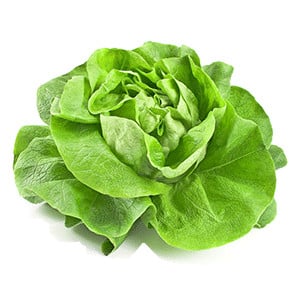
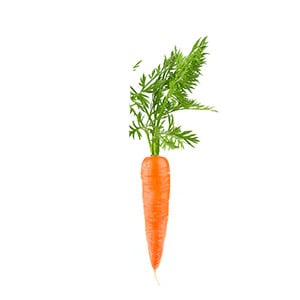
Lettuce covers the soil around your carrots, retains moisture, and protects against weeds as it grows quickly.
 +
+
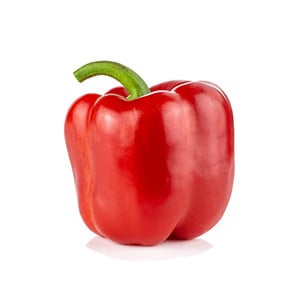
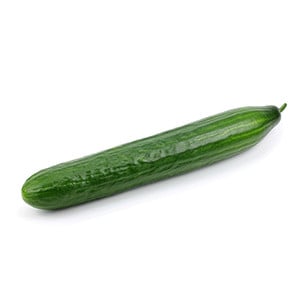
Cucumber / Gherkin + Pepper / Paprika
Your peppers and cucumbers have similar demands for light, water, and nutrients, and they thrive in high humidity.
 +
+
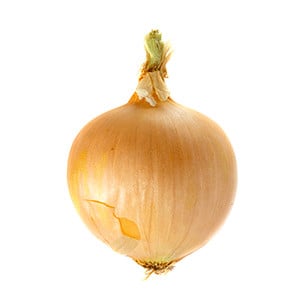
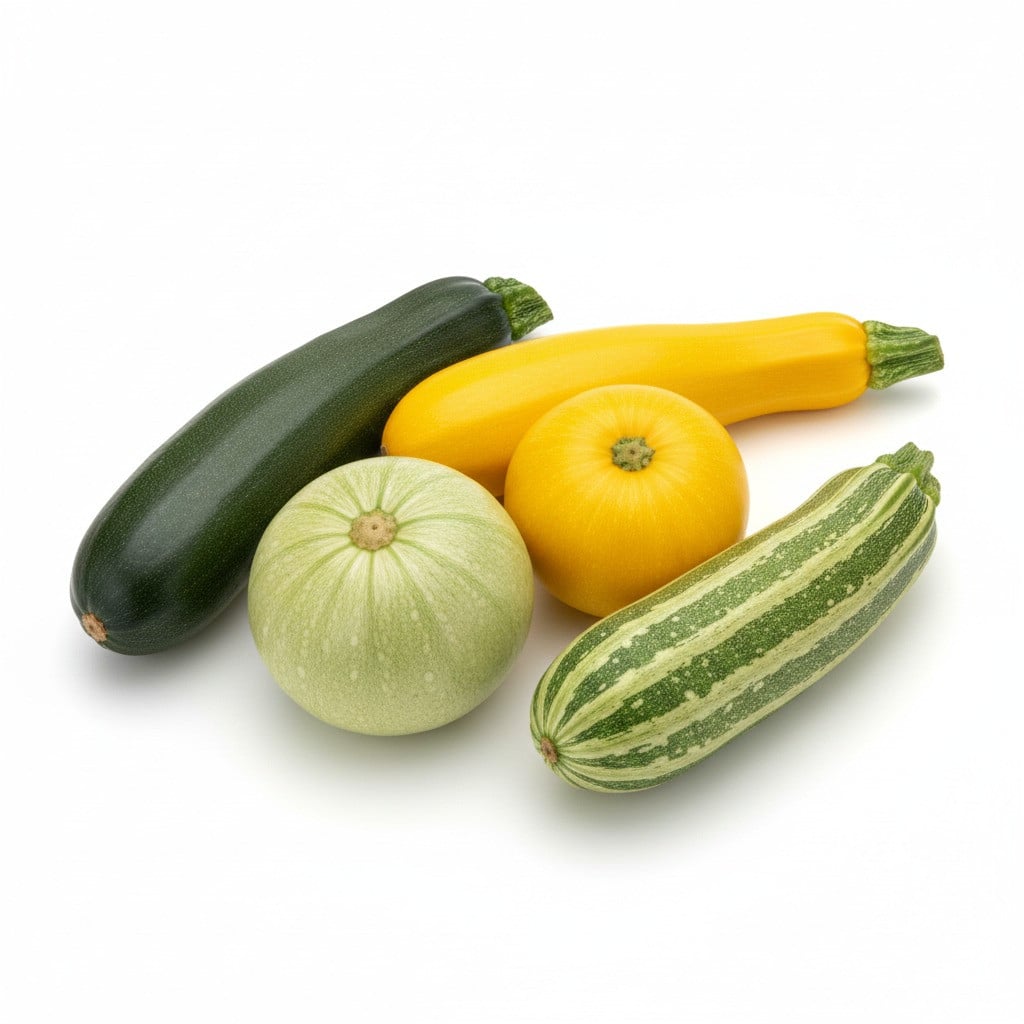
Your onions keep pests away from courgettes with their scent and help prevent powdery mildew.
 +
+
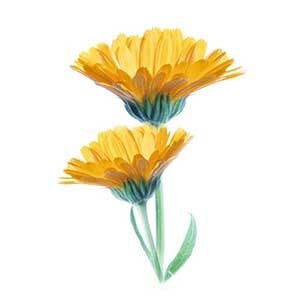
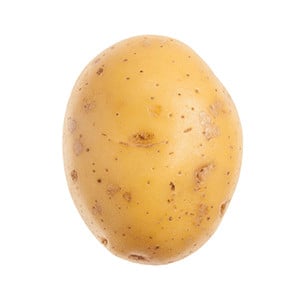
Potato + Common marigold
Potatoes and marigolds are good neighbours because marigolds contribute to soil health and keep nematodes away.
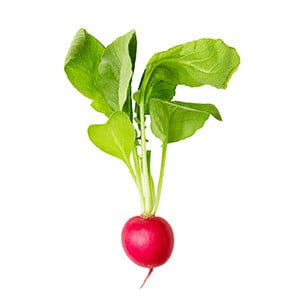 +
+
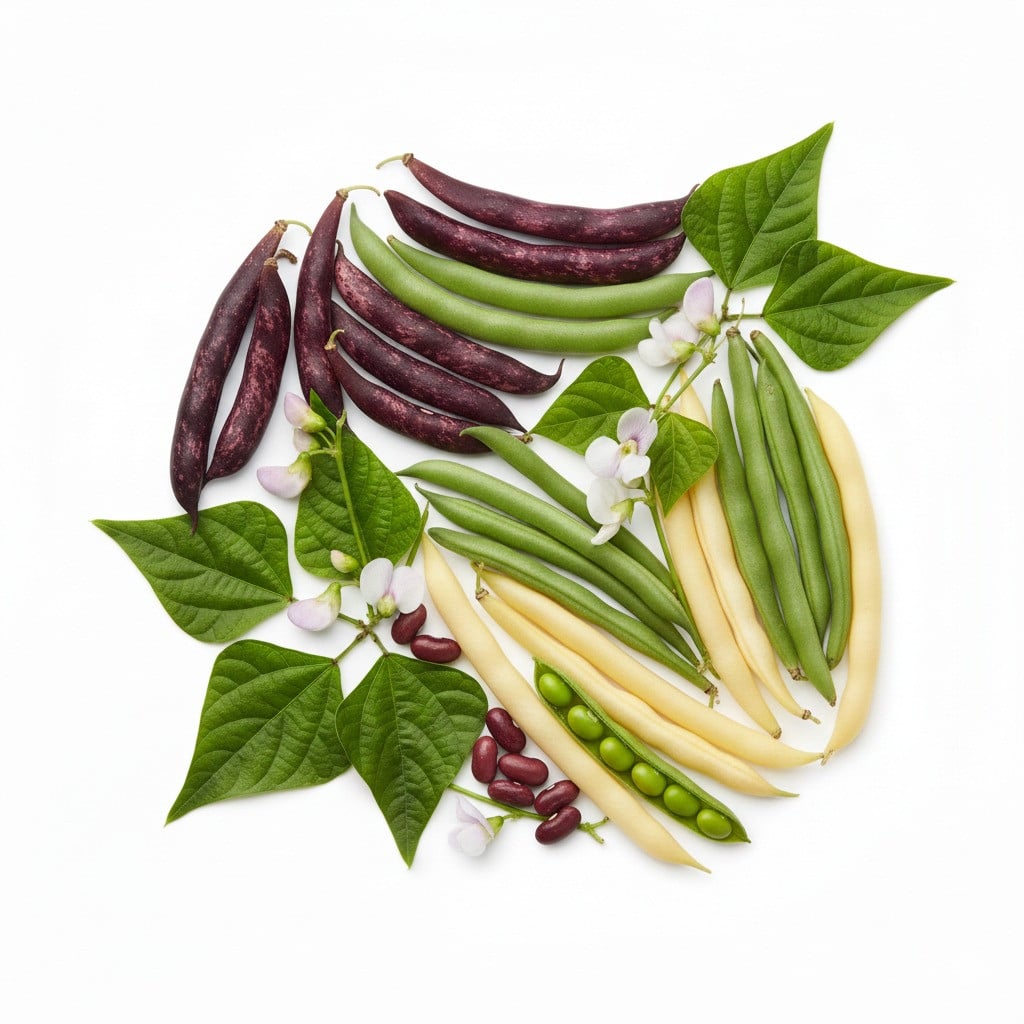
Radishes + Bean (Dwarf bean)
Radishes loosen the soil and make space for bush bean roots, which makes you both a great match.
Plan companions visually
Drag and drop crops in the Fryd bed planner to see companion matches.
Try Fryd →Growing Tips for Chicago
Starting Seeds Indoors to Get a Head Start
Many crops like lettuce (starting Feb/March), onions (Jan-March), or tomatoes (March-May) benefit from starting seeds indoors. This protects young plants from late frosts and extends the growing season, which is a big advantage in our Zone 6b climate.
Pay Attention to Your Soil
Loose, humus-rich, and well-draining soil is crucial for most vegetables. Radishes, onions, and garlic prefer these conditions to develop healthy bulbs and roots. Regularly improve clay soils with compost.
Consistent Moisture is Key
Fast-growing plants like radishes, pumpkins, and courgette particularly need a consistent water supply. If conditions are too dry, radishes can become woody, while broccoli and pumpkins will suffer from lack of water and yield less.
Choose the Right Spot
Most vegetables like onions, tomatoes, and peppers prefer a full-sun and warm location. Make sure your plants get at least 6-8 hours of direct sunlight per day to thrive and provide abundant harvests.
Common Pests & Diseases
Combat Slugs
Slugs are often a problem, especially for young lettuce plants or kohlrabi. Regularly pick them off or use slug barriers like sawdust, or special iron phosphate-based slug pellets, which are safe for pets.
Identify and Tackle Aphids
Aphids can multiply quickly and weaken plants like beans or cabbage. Spray affected plants with a soapy water solution or introduce beneficial insects like ladybird larvae. Regular checks help to detect an infestation early.
Prevent Fungal Diseases
Fungal diseases like late blight in tomatoes or powdery mildew can occur in humid weather. Ensure good air circulation, plant with adequate spacing, and always water the root area, not the leaves, to minimise spread.
Keep an Eye Out for Wireworms
Wireworms can damage the roots and tubers of potatoes or carrots. Loosen the soil well before planting and remove weeds. Laying out potato pieces as bait can help attract and then remove them.
Frequently Asked Questions
When should I plant tomatoes in Chicago?
You should plant tomatoes outdoors in Chicago after the last frost, which means from June onwards. You can start them indoors from March to May to get strong young plants and ensure a harvest from July to October.
What hardiness zone is Chicago in?
Chicago is in USDA Hardiness Zone 6b. This means you can expect average annual minimum temperatures between -20.6 °C and -17.8 °C, which influences the selection of winter-hardy plants.
What vegetables grow best in Chicago?
Many vegetables thrive in Chicago. Cold-tolerant plants like lettuce, radishes, and carrots are possible early in the year. Heat-loving crops like tomatoes, pumpkins, and courgette also provide abundant harvests with enough sun and care.
When is the last frost in Chicago?
The last frost in Chicago is typically expected in early April. After that, you can plant frost-sensitive plants outdoors, but it's always wise to keep an eye on local weather forecasts.