Garden Guide
Garden Guide for Phoenix, Arizona Desert Region
Phoenix boasts a hot desert climate (USDA Hardiness Zone 10a) with extremely scorching summers and mild winters. The soil here is often sandy, alkaline, and low in organic matter, making thorough soil preparation with compost absolutely essential. The intense sun exposure and low humidity demand a careful watering strategy.
In Phoenix (USDA Hardiness Zone 10a), you can garden almost year-round, as the last frost typically hits mid-January and the first frost arrives mid-December. Cold-sensitive plants like tomatoes (start indoors Jan-Feb, harvest May-Nov) and aubergines (start indoors Jan-Mar, harvest May-Oct) really thrive in the long season. Hardy crops such as garden lettuce (sow/germinate Jan-Jul, harvest Feb-Dec) and radishes (sow/germinate Jan-Aug, harvest Mar-Nov) can be grown for much of the year, as long as you avoid the most extreme summer heat.
Also applies to: Mesa, Scottsdale, Tempe, Glendale, Chandler, Peoria
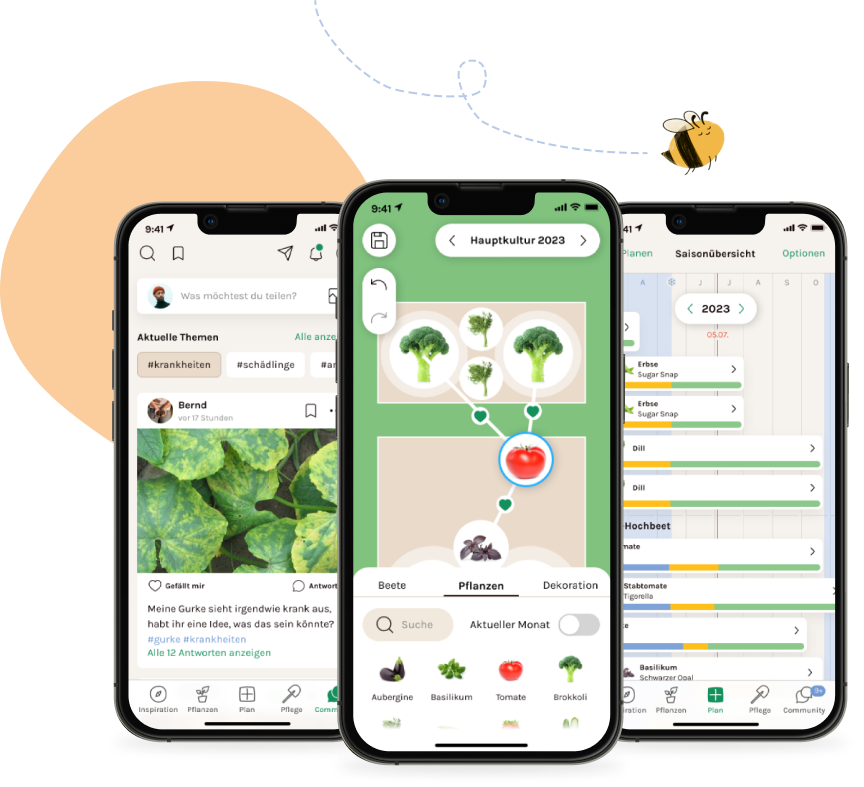
Plan your Phoenix garden in the Fryd appPlanting Calendar
When to start indoors, sow outdoors, and harvest in Phoenix.
| Crop | Jan | Feb | Mar | Apr | May | Jun | Jul | Aug | Sep | Oct | Nov | Dec |
|---|---|---|---|---|---|---|---|---|---|---|---|---|
| Tomato (Bush tomato) ●●● ●●○ ●●● | |
|
|
|
|
|
|
|
|
|
|
|
| Tomato (Cocktail bush tomato) ●●● ●●○ ●●● | |
|
|
|
|
|
|
|
|
|
|
|
| Pepper / Paprika ●●● ●●○ ●●● | |
|
|
|
|
|
|
|
|
|
||
| Aubergine / Eggplant ●●● ●●● ●●● | |
|
|
|
|
|
|
|
|
|
||
| Cucumber / Gherkin ●●● ●●○ ●●● | |
|
|
|
|
|
|
|
|
|||
| Courgette / Zucchini ●●● ●●● ●●● | |
|
|
|
|
|
|
|
|
|
||
| Carrots ●●● ●●○ ●○○ | |
|
|
|
|
|
|
|
|
|
|
|
| Lettuce (Lettuce) ●●○ ●●○ ●●○ | |
|
|
|
|
|
|
|
|
|
|
|
| Onion ●●● ●●○ ●●○ | |
|
|
|
|
|
|
|
||||
| Garlic ●●● ●●○ ●○○ | |
|
|
|
|
|
||||||
| Bean (Dwarf bean) ●●● ●●○ ●○○ | |
|
|
|
|
|
|
|
|
|||
| Bean (Runner bean) ●●● ●●○ ●○○ | |
|
|
|
|
|
|
|
|
|||
| Basil ●●● ●●○ ●●● | |
|
|
|
|
|
|
|
|
|
|
|
| Parsley ●●○ ●●○ ●●○ | |
|
|
|
|
|
|
|
|
|
|
|
| Chives ●●● ●●● ●●○ | |
|
|
|
|
|
|
|
|
|
|
|
| Chard ●●○ ●●○ ●●○ | |
|
|
|
|
|
|
|
|
|
|
|
| Spinach (Summer) ●○○ ●●● ●●○ | |
|
|
|
|
|
|
|||||
| Strawberry ●●● ●●○ ●●● | |
|
|
|
|
|
|
|
|
|
||
| Potato ●●● ●●○ ●●● | |
|
|
|
|
|
|
|
|
|
|
|
| Radishes ●●● ●●○ ●○○ | |
|
|
|
|
|
|
|
|
|
|
Planting Calendar Phoenix
- Tomato (Bush tomato): Start indoors Jan - Feb, Sowing Mar - Apr, Harvest May - Nov (Light: high, Water: medium, Nutrients: high)
- Tomato (Cocktail bush tomato): Start indoors Jan - Feb, Sowing Mar - Apr, Harvest May - Nov (Light: high, Water: medium, Nutrients: high)
- Pepper / Paprika: Start indoors Jan, Sowing Mar - Apr, Harvest May - Nov (Light: high, Water: medium, Nutrients: high)
- Aubergine / Eggplant: Start indoors Jan - Mar, Sowing Mar - Apr, Harvest May - Oct (Light: high, Water: high, Nutrients: high)
- Cucumber / Gherkin: Start indoors Feb - Apr, Sowing Mar - Apr, Harvest Apr - Oct (Light: high, Water: medium, Nutrients: high)
- Courgette / Zucchini: Start indoors Feb - Apr, Sowing Mar - Apr, Harvest May - Nov (Light: high, Water: high, Nutrients: high)
- Carrots: Sowing Jan - Apr, Harvest May - Dec (Light: high, Water: medium, Nutrients: low)
- Lettuce (Lettuce): Start indoors Jan - Jul, Sowing Jan - Jul, Harvest Feb - Dec (Light: medium, Water: medium, Nutrients: medium)
- Onion: Start indoors Jan, Sowing Jan - Feb, Harvest May - Oct (Light: high, Water: medium, Nutrients: medium)
- Garlic: Sowing Sep - Nov, Harvest Jun - Aug (Light: high, Water: medium, Nutrients: low)
- Bean (Dwarf bean): Start indoors Feb - Mar, Sowing Mar - May, Harvest May - Oct (Light: high, Water: medium, Nutrients: low)
- Bean (Runner bean): Start indoors Feb - Mar, Sowing Mar - May, Harvest May - Oct (Light: high, Water: medium, Nutrients: low)
- Basil: Start indoors Jan - May, Sowing Mar - May, Harvest Mar - Nov (Light: high, Water: medium, Nutrients: high)
- Parsley: Start indoors Jan - Jun, Sowing Jan - Jun, Harvest Feb - Dec (Light: medium, Water: medium, Nutrients: medium)
- Chives: Start indoors Jan - Apr, Sowing Feb - Apr, Harvest Feb - Nov (Light: high, Water: high, Nutrients: medium)
- Chard: Start indoors Jan - Feb, Sowing Feb - Apr, Harvest Mar - Dec (Light: medium, Water: medium, Nutrients: medium)
- Spinach (Summer): Sowing Jan - Apr, Harvest Feb - Jul (Light: low, Water: high, Nutrients: medium)
- Strawberry: Start indoors Jan - Mar, Sowing Jan - Apr, Harvest Mar - Oct (Light: high, Water: medium, Nutrients: high)
- Potato: Start indoors Jan, Sowing Feb - Apr, Harvest Apr - Nov (Light: high, Water: medium, Nutrients: high)
- Radishes: Sowing Jan - Aug, Harvest Mar - Nov (Light: high, Water: medium, Nutrients: low)
Based on Fryd planting data for Zone 10a, 2026.
Companion Planting for Phoenix
Plants that thrive together in Arizona Desert Region.
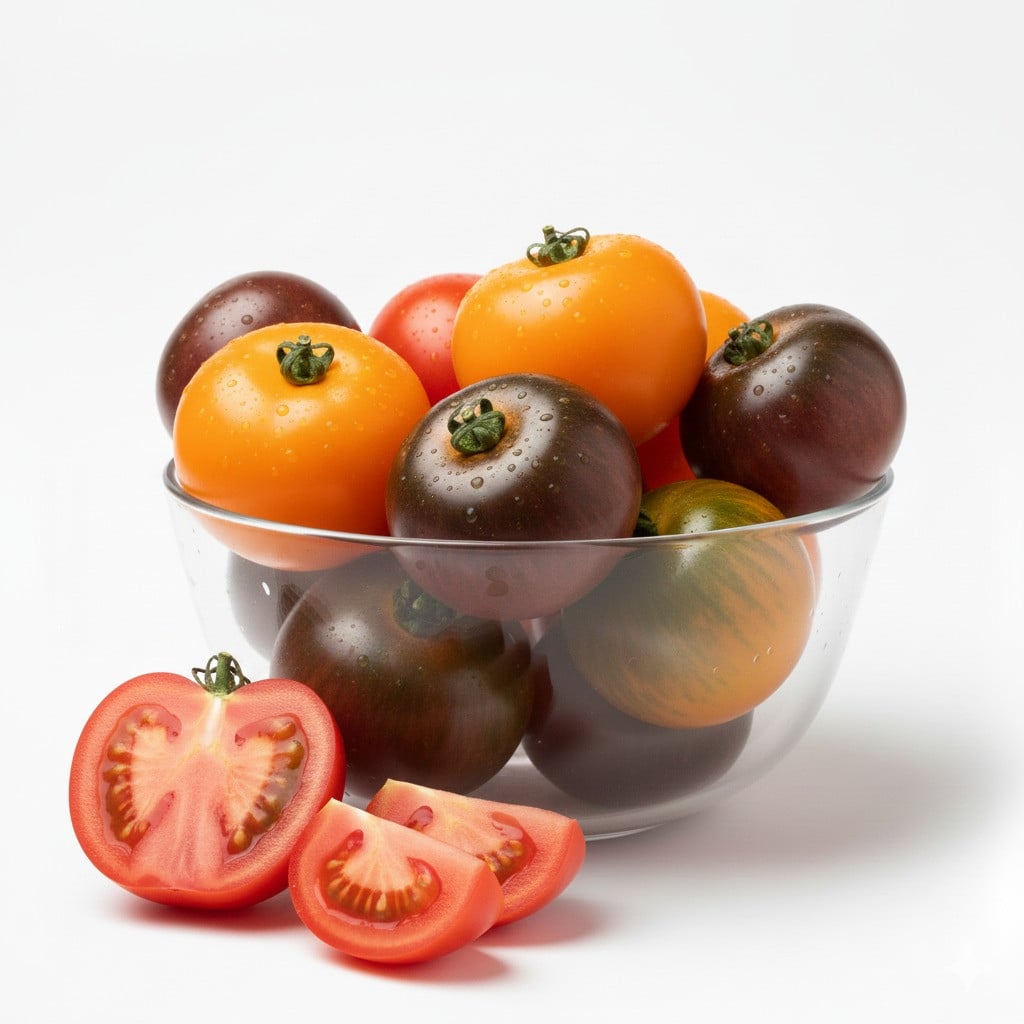
Some plants grow better side by side: they keep pests away, improve the soil or make the most of the space.
 +
+
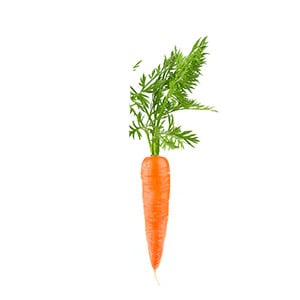
Tomato (Bush tomato) + Carrots
Carrots loosen the soil and act like a drainage system, which is good for tomatoes, as you don't like waterlogging.
 +
+
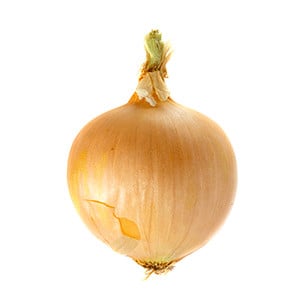
Tomato (Cocktail bush tomato) + Onion
Onions keep whiteflies and voles away from tomatoes, and you have different root depths, which avoids nutrient competition.
 +
+
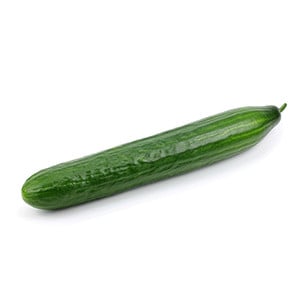
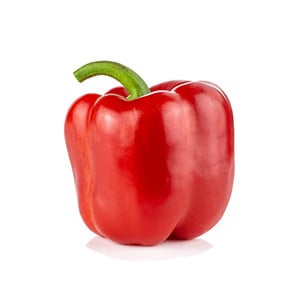
Pepper / Paprika + Cucumber / Gherkin
Your peppers and cucumbers have similar demands for light, water, and nutrients, and they thrive in high humidity.
 +
+
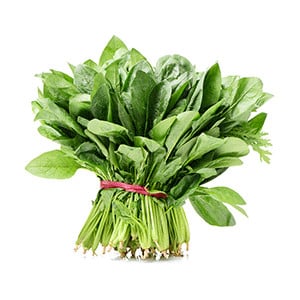
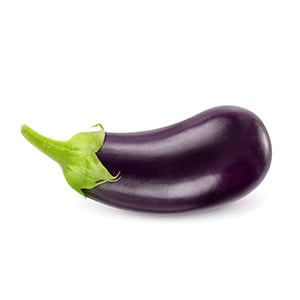
Aubergine / Eggplant + Spinach (Summer)
Spinach is a light feeder and complements aubergines well in the garden bed, as you have different nutrient needs.
 +
+
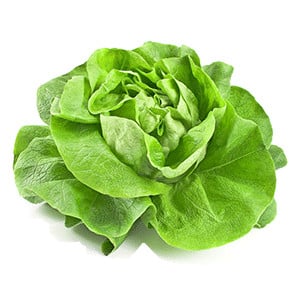
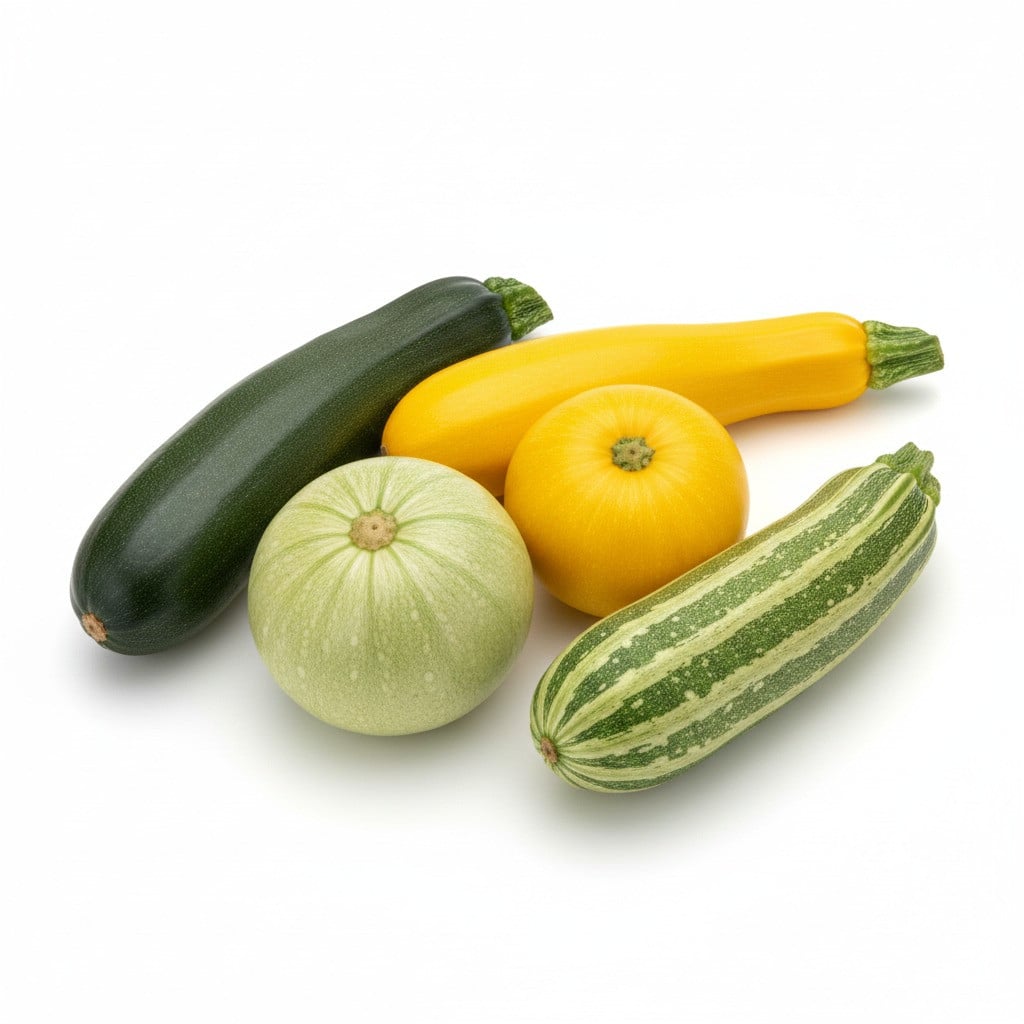
Courgette / Zucchini + Lettuce (Lettuce)
Lettuce covers the soil at the base of courgettes, acting like a mulch layer and making optimal use of the space.
Plan companions visually
Drag and drop crops in the Fryd bed planner to see companion matches.
Try Fryd →Growing Tips for Phoenix
Soil Preparation in a Desert Climate
The sandy soil in Phoenix greatly benefits from adding plenty of compost and organic matter. This boosts water retention and nutrient supply, which is crucial for successful growth. Make sure you have good drainage to prevent waterlogging.
Watering in the Heat
Due to high temperatures and low humidity, consistent and adequate watering is critical. Many plants, like spinach and courgette, need 'very moist' conditions. It's best to water early in the morning or late in the evening to minimise evaporation and protect your plants from stress.
Mind Your Planting Times
Even though Phoenix has a long growing season, you should avoid the extremely hot summer months for sensitive plants. Crops like garden lettuce and spinach thrive best when temperatures stay below 68-72°F (20-22°C). Take advantage of the mild winters and springs for a bountiful harvest.
Sun Protection for Sensitive Plants
The intense sun in Phoenix can scorch young or sensitive plants. Consider using shade cloth or placing plants in spots with afternoon shade, especially during the hottest months. This protects them from heat stress and promotes healthy growth.
Common Pests & Diseases
Aphids
Look out for small green or black insects on new shoots and the undersides of leaves. Spray infested plants with soapy water or rinse them off with a strong stream of water. Beneficial insects like ladybirds can also help naturally control infestations.
Spider Mites
Spider mites often appear in dry heat, recognisable by fine webbing and silvery stippling on leaves. Regularly mist your plants with water to increase humidity, and use neem oil for heavy infestations. Encourage beneficial insects like predatory mites.
Whiteflies
These tiny, white insects are often found on the undersides of leaves and fly up when disturbed. Yellow sticky traps can help monitor and reduce their numbers. For heavy infestations, you can also use neem oil or soapy water.
Nematodes
In sandy soil, root-knot nematodes can be a problem, stunting growth and damaging roots. Promote soil health with compost and crop rotation. Some plants, like marigolds, can act as trap crops or deter nematodes.
Frequently Asked Questions
When do I plant tomatoes in Phoenix?
You can start tomato seeds (salad tomatoes, small-fruited varieties) indoors in Phoenix as early as January to February, then transplant them outdoors from March to April. Harvesting then begins from May to November, thanks to the long warm season.
What hardiness zone is Phoenix in?
Phoenix is in USDA Hardiness Zone 10a. This means winters are mild, and temperatures rarely drop below freezing, allowing for a long growing season.
What vegetables grow best in Phoenix?
Many crops thrive here! Cold-tolerant plants like garden lettuce, radishes, and spinach can be grown almost year-round. Heat-loving plants such as tomatoes, peppers, and courgette are also very successful, especially if protected from the most extreme summer heat.
When is the last frost in Phoenix?
The last frost in Phoenix is typically mid-January. This allows for a very early start to the gardening season for many crops and a long growing period until the first frost in mid-December.