
What Is the Difference Between Fruit and Vegetables?
Everyone knows the smart aleck who says things like: "Strawberries aren't really berries at all, they're fruits!" or "So, technically, peppers aren't really vegetables, they're fruits! Most people are probably thinking "What a smart arse" - this article is not for them. But if you're like me and want to know everything there is to know about the world of botany, then you've come to the right place! Because today, I'm going to let you in on the secret of the differences between fruits and vegetables.
This Article Contains:
Quick Overview
What is the Difference Between Fruit and Vegetables?
The primary botanical difference lies in their origin: fruit develops from the fertilised flower of a perennial plant (the ovary). Vegetables, on the other hand, typically come from annual plants and consist of other plant parts such as roots, leaves, or stems. From a culinary perspective, fruit is usually consumed raw and sweet, while vegetables are often cooked and prepared as savoury dishes.
What are Fruit Vegetables?
Some plants are difficult to categorise. This is where the category of fruit vegetables (also known as botanical fruits) is helpful:
- Definition: Botanically speaking, these are fruits because they develop from flowers; however, they are grown, harvested, and prepared like vegetables.
- Examples: Tomatoes, cucumbers, pumpkins, peppers, courgettes, and aubergines.
A Fundamental Difference: Fruit vs. Vegetables
There are various definitions of fruits and vegetables, some of which are contradictory. This post is about the botanical definitions. Because botany is the science of plants, let's have a look at what botany has to say about fruits and vegetables.
A fruit is a flower in the state of seed maturation. It is therefore the sexual reproductive organ of a plant. When the seeds inside are able to germinate and form a new plant, the fruit is ripe in the botanical sense.
Vegetables, on the other hand, are all those parts of the plant that are eaten raw or cooked by humans but are not used by the plant for sexual reproduction. These can be leaves, such as Spinach, stems, such as celery stalks, roots, such as Carrots, or tubers, such as Kohlrabi.
A Small but Subtle Difference: Fruit vs. Fruit Vegetable
There are many different subdivisions of fruit. The most common subdivision classifies all fruits that can be eaten fresh and have a sweet taste as fruits. Anything that requires preparation is a fruit or a fruit vegetable. This is where the definition gets a little vague. Peppers are probably the best example. It can be eaten raw and tastes slightly sweet. However, it is usually used cooked in savoury dishes or raw in salads.
Different Types of Fruit
Botanists speak of a berry when the fruit's skin is fleshy or juicy in the broadest sense, that is, when there is pulp. Examples of such "botanical berries" are currants and peppers. If the inner part of the fruit skin - the so-called "endocarp" - is woody, it is a stone fruit. Classic drupes are cherries, peaches, and plums. If the entire shell of the fruit is lignified, it is called a nut in botany, such as the hazelnut. Aggregate fruits are when several small individual fruits have grown together to form one large fruit. For example, the raspberry is an aggregate stone fruit.
Botany is like its own language, with its own vocabulary. I hope I've introduced you to a few of them in this text, and that you've picked up a few fun facts and clever jokes for your next garden fence conversation with your neighbour! And let's face it: all these definitions are pretty irrelevant - the main thing is that the plants grow and the harvest tastes good. The intuitive understanding we have of fruits and vegetables is usually enough: if it's savoury, it's a vegetable; if it's sweet, it's a fruit.

Ever Feel Lost in the Garden? Connect With Others!
In the Fryd community, you’ll find friendly and helpful gardeners ready to share ideas, give advice, and celebrate wins (and failures) together. Gardening is just more fun when you’re not doing it alone.
Join the Community NowIf you have any questions or comments, please write to us at [email protected] or share your experiences with us on social media. To make sure you don't miss any more articles, follow us on Instagram and Facebook or sign up directly for our newsletter.
Want to get helpful gardening tips all year round and plan your own beds in the best possible way? Then register here or download the Fryd app for Android or iOS.
Fryd - Your digital bed planner

Jonas
Jonas hat Agrarbiologie studiert. Seine Leidenschaft für Pflanzen und das Gärtnern entdeckte er durch ein Praktikum bei einer Permakultur NGO. Seitdem gärtnert er auf seinem Balkon und in Gemeinschaftsgärten.
Learn MoreCurrent Topics in the Community
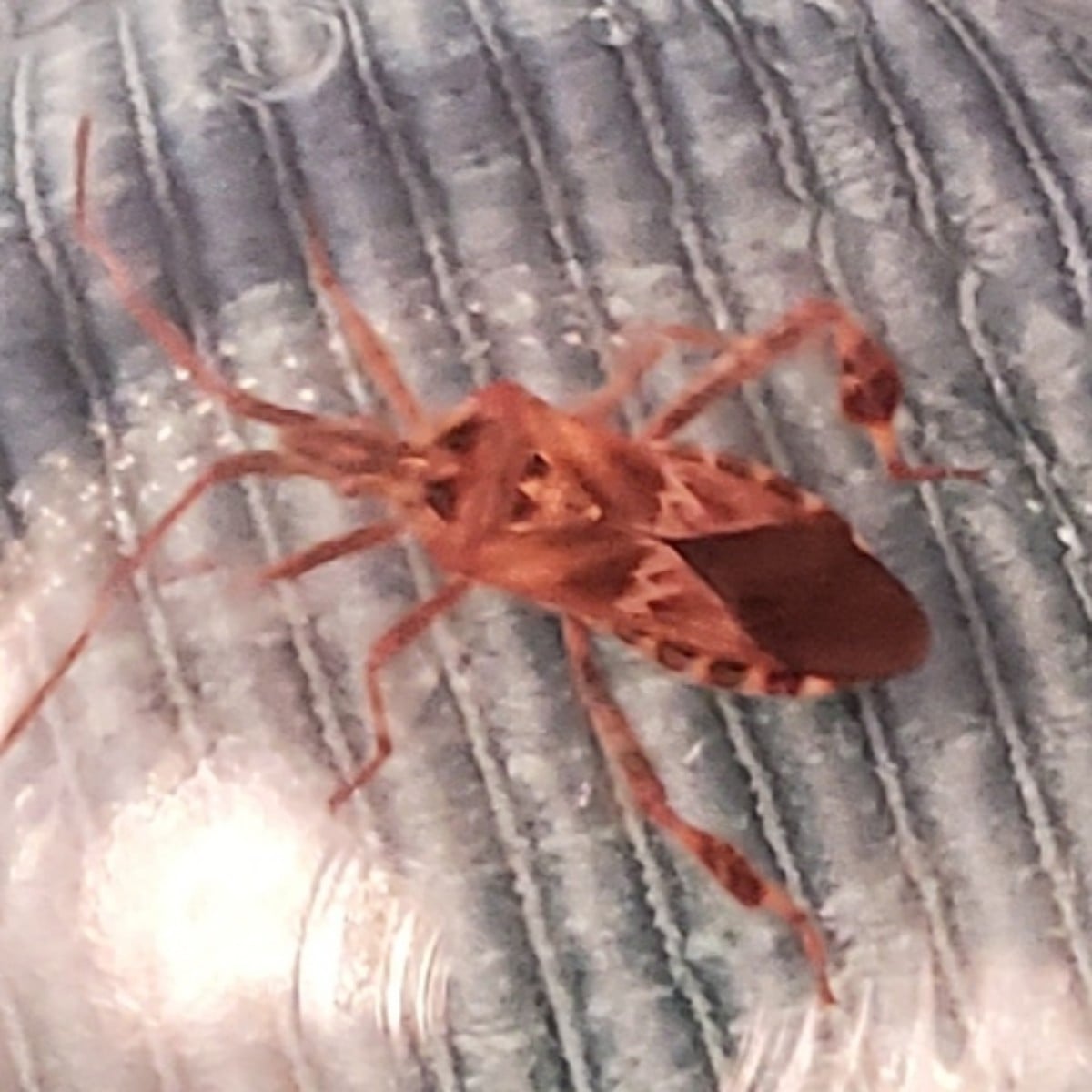
...This American pine or cone bug (Leptoglossus occidentalis) has also noticed that fall is coming! Found in Europe since 1999, it’s yet another import from North America that we really don’t need 🙄. At this time of year, they like to knock on the front door 😳 and ask to be let in so they can spend the winter indoors. Category: Pests! I sent it on its way to Hoek van Holland—maybe it’ll find a friendlier host there 🤷 ...Unfortunately, I don’t have a better photo to share 🤷
Show 1 answer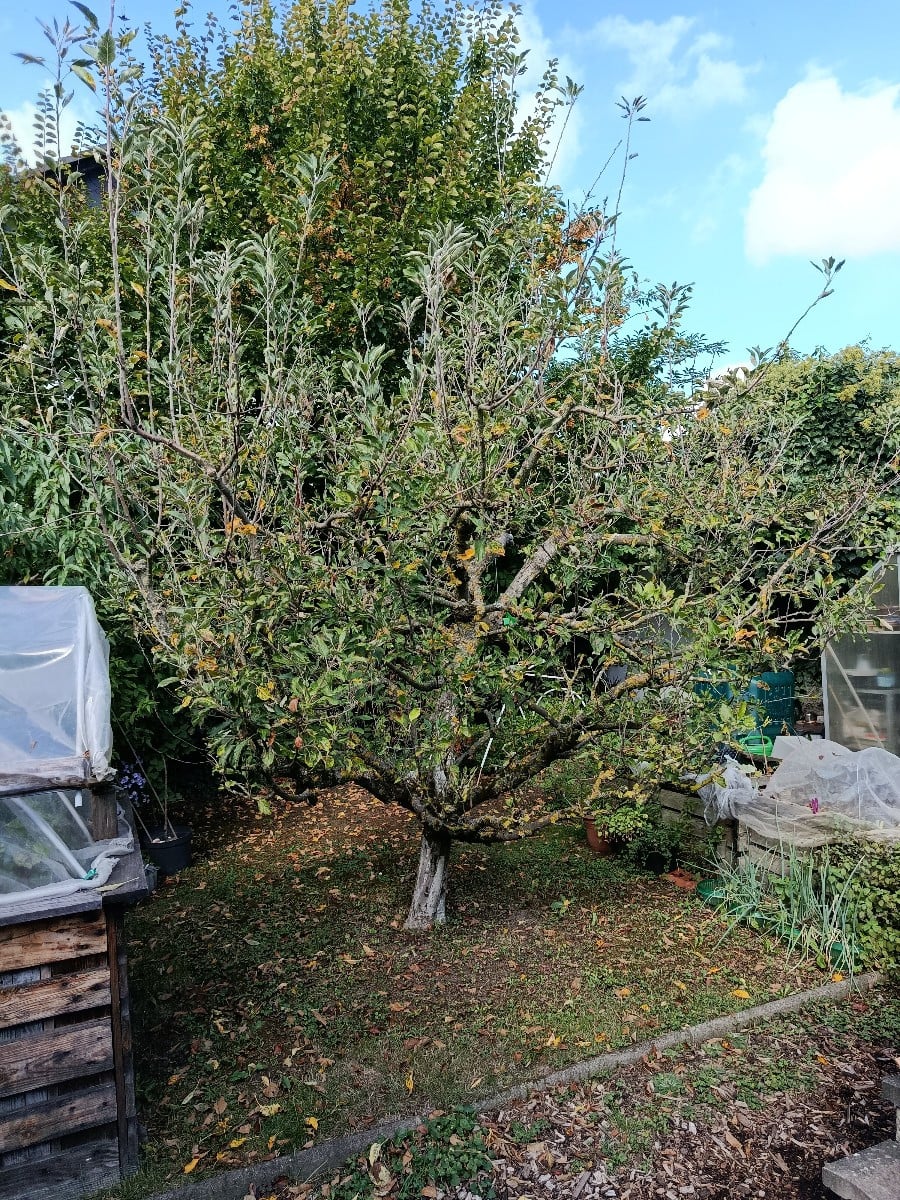
Liked 5 times
Today is a sad day. My Cox Orange was carefully cut down. I tried everything over the years, but nothing worked. Part of the problem was my choice of variety, the wrong location, improper pruning when it was young, and the hot summers. I think letting go is also part of taking responsibility, and it makes room for something new and different. Let yourself be surprised!
Show 2 answers
Liked 3 times
Found this today. According to Google, the can was manufactured in the 1980s. It seems the slogan "Keep nature clean" wasn't exactly put into practice.
Show 1 answerPopular Articles


FAQ
Is a tomato a fruit or a vegetable?
Botanically, it’s a fruit (grows from a flower). Culinarily, it’s a fruit vegetable because it's an annual crop and usually savoury.
Is rhubarb fruit or vegetable?
It’s botanically a vegetable (stalk vegetable) because we eat the stems, not the fruit.
Why aren't melons fruit?
They belong to the gourd family (Cucurbitaceae). Because they are annuals (must be sown every year), they are classified as fruit vegetables in horticulture.