
How to Grow and Plant Raspberries: Tips for Companion Plants
Raspberries are one of the most popular berry bushes in the vegetable garden. During the ripening period, the sweet fruits can be nibbled directly from the bush every day or boiled down to jam. Learn everything about growing them now with tips on planting, harvesting and mixed culture with information on good and bad companion plants.
This Article Contains:
- How to Grow Raspberries: What You Need to Know
- Red, Black & Yellow Raspberries: List of Different Varieties
- How to Plant Raspberries: Location & Soil
- When to Plant Raspberries: Timing & Spacing
- Planting Raspberries: A Guide
- Companion Planting with Raspberries
- Companion Planting Plans for Your Berry Bed With Raspberries
- Raspberries: Common Diseases
- Raspberry Pests: Raspberry Beetle & Aphids
- Harvesting & Preserving Raspberries
- Frequently Asked Questions About Planting Raspberries
Quick Overview
Raspberry Plant: Best Location
- Sunny to semi-shady & protected from wind
- Loose & humus soil
- Slightly acidic pH value of 5.5 - 6
Planting Raspberries: Timing & Spacing
- In autumn from October or in spring from March
- Planting distance: 40 - 50 cm/15.7 - 19.7 in
- Mix the excavated soil with compost when planting
Mixed Culture: Companion Planting With Raspberries
- Good companion plants: Dwarf beans, peas, fern, lamb's lettuce, garlic, cress, lavender, lily of the valley, lemon balm, phacelia, marigold, yarrow, chives, thyme, onions.
- Bad companion plants: Aubergines, blackberries, currants, jostaberry, potatoes, capsicums, tomatoes.
How to Grow Raspberries: What You Need to Know
The raspberry (Rubus idaeus) belongs to the rose family (Rosaceae) and is therefore related not only to blackberries, Currants, blueberries and Strawberries, but also to many fruit trees such as apple, pear and cherry. Raspberries grow wild in woodlands and are considered native to our latitudes.
Botanically, the raspberry is not a berry, it is one of the aggregate drupes. A single berry thus consists of many small, intergrown drupes. Even though the fruits theoretically contain seeds, raspberries are always propagated vegetatively via cuttings and runners. Raspberry plants form creeping runners that eventually detach from the parent plant and continue to grow independently. Depending on the variety, the bushes can grow one to two and a half metres high. New, vigorous canes sprout from the rhizome every year, forming flowers and bearing fruit. The silvery-white underside of the leaves makes it easy to distinguish raspberries from blackberries. You can find more information here about Planting Shrubs and Fruit Trees.
Red, Black & Yellow Raspberries: List of Different Varieties

Depending on the varieties, roundish to elongated raspberries ripen that turn white, pink, dark red or black. Among the cultivated raspberry bushes, we distinguish two types: Summer and autumn raspberries. Summer raspberries complete their development cycle in two consecutive years. In the first year they form the canes, which bloom only in the following year and bear fruit in early and mid-summer of the second year. Autumn raspberries , by contrast, complete their development cycle more quickly. They bloom on the young shoots as early as July of the first year and bear fruit from August to October. The parts of the shoots that have borne fruit subsequently die and can be cut back. The base of the shoots, on the other hand, remains alive, so that with good pruning the shrubs can bear fruit even twice a year. You can discover how to do this in our article Pruning Raspberries.
| Summer raspberries | Autumn raspberries | |
|---|---|---|
| Red raspberries | Elida | Aroma Queen |
| Framita (thornless) | Autumn Bliss | |
| Meeker | Polka | |
| Yellow raspberries | Fallgold | Alpengold (thornless) |
| Yellow Antwerp (doesn't require support) | Goldmarie | |
| Golden Queen | All Gold / Herbstgold | |
| Black raspberries | Black Jewel | Malling Passion |
| Black Moon | Plentiful | |
| Bristol |
How to Plant Raspberries: Location & Soil
Raspberries grow best in sunny and wind-protected locations in the garden, but partial shade is usually not a problem. A loose, humus-rich soil is essential for healthy growth and abundant yields. Very heavy, compacted soils are rather unsuitable for raspberries, as they tend to become waterlogged. On light soils, on the other hand, root and cane diseases are much less frequent. Soils that are too heavy can be improved by incorporating mature compost and sand. Since raspberries originally originate from woodlands, they tolerate slightly acidic soils with a pH value of 5.5 to 6.

Don’t Waste Precious Space in Your Vegetable Garden!
With our bed planner, it’s easy to design a beautiful and productive companion planting layout. You’ll see which plants grow well together — and which don’t — along with tips for crop rotation and succession planting!
Plan Your Bed NowWhen to Plant Raspberries: Timing & Spacing
The best time for planting raspberries is mainly in the autumn from October or in the spring from March to April (only if there is no frost). Planting in the autumn has the advantage that the roots can develop well until spring, and then the plants can then concentrate on above-ground growth. In this case, better growth and yield can be expected in the first year. When planting in rows, ensure that the distance between the bushes is 40 - 50 cm/15.7 - 19.7 in.
Planting Raspberries: A Guide

Dig a hole for each shrub that is about twice the size of the root ball. Mix the excavated soil 1:1 with compost and cover the bottom of the planting hole with part of the nutrient-rich mixture. Now place the young raspberry bush in the planting hole and fill the voids with the remaining soil mixture, creating a small mound. The base buds should be covered with about 5 cm/1.9 in of soil. Press the loose substrate around the raspberry bush firmly, so that you prevent irregular, large cavities from forming when watering.
Then cover the mound with a mulch layer of straw, grass clippings or bark mulch. Finally, water your raspberries with plenty of water. Don't skimp on water here, but use a large watering can per bush and water evenly from all sides. In this way, you will ensure rapid root development and your new raspberry bush can anchor itself optimally in the ground. It is also possible to grow raspberries in large pots on the balcony or terrace, but you should ensure that the pots have sufficient volume. For more information on how to care for raspberries, read our article Care, Fertilise & Propagate Raspberries.
Companion Planting with Raspberries
Raspberries always grow in the same place, so it's all the more important to ensure a healthy interaction with the plant companions. Otherwise, the raspberry bushes will leach the soil unilaterally and become susceptible to diseases and pests in the long term. However, by cleverly choosing companion plants for a Balanced Companion Planting, you can effectively protect your raspberries and thus ensure long-lasting, healthy growth.

Good Companion Plants for Raspberries
Good planting companions are various legumes, such as dwarf beans and peas (low-growing varieties). They do not take away nutrients from the raspberries, quite the opposite! The nodule bacteria on their roots fix nitrogen, enriching the soil with the important plant nutrient. If the harvest of legumes comes to an end, the roots should remain in the soil to develop their full effect. Onions and garlic also make good companion plants. Garlic in particular, with its essential oils, is effective against all manner of flies, aphids, beetles and mites, protecting raspberries from infestation. The bulbous plants also form such shallow roots that they hardly come into contact with the raspberry roots.
Decorative and useful companions are also considered ferns and lily of the valley. They not only visually complement the raspberry bed, but also keep away the raspberry beetle and its voracious larvae. When planting ferns, ensure they are 50 cm/19.7 in away from the raspberries so that the plants do not restrict each other. Ferns and lily of the valley are perennial and hardy, so the bed does not need to be replanted every year. Other useful planting companions include marigolds, phacelia and yarrow. They bloom beautifully and provide nectar and pollen for many insects. Marigolds also work against harmful nematodes in the soil, so they can indirectly prevent Verticillium wilt. The flowers are also popular in herbal medicine and make a great floral ingredient in herbal teas. Yarrow can also be used in cooking while supporting the fertility of your raspberries. The flowers readily self-seed, so beautiful carpets of blooms will soon appear.
Bad Companion Plants in the Bed
Bad companions are some nightshade plants such as tomatoes, potatoes, aubergines or peppers. They are all susceptible to the dreaded Verticillium wilt, a fungal disease that usually enters the plant via the roots. The spores enter the plant through lesions that may be caused by nematodes, for example. Inside the plant, the pathogen clogs the conduits, causing problems with water transport and thus the typical wilting symptoms. Also, avoid planting your raspberries as successors to these susceptible crops. In addition, other berries such as blackberries, currants and jostaberries don't fare well next to raspberries. These berries do not like it so much when the soil is acidic, unlike the raspberry.
Companion Planting Plans for Your Berry Bed With Raspberries
For your inspiration, here you will find ready-made bed plans with berries from us: Gooseberries, currants, blueberries, strawberries and raspberries. From large berry gardens to small beds, here you will find something to suit your needs. Combine different types of raspberries and berries and you can harvest fresh berries from your garden all year round!
Raspberries: Common Diseases

Your raspberry is ailing and don't know which disease you're dealing with? Here you'll find an overview of common raspberry diseases with description. Perhaps you'll discover what's ailing your raspberry bush. But remember that other factors, such as care and location, can also contribute to plants growing unhealthily. More Tips on How to Recognising and Combating Plant Diseases can be found here in the article.
Raspberry Mosaic Virus
Raspberry mosaic virus causes yellow mosaic-like spots to appear on the leaves. The spots are caused by the breakdown of the green pigment chlorophyll, which the plants need for photosynthesis. The yield of infected plants can therefore be up to 70% lower than that of healthy plants. The viruses are usually transmitted via aphids and can no longer be controlled once they have infested the plant. Therefore, ensure you buy only healthy and virus-free planting material; resistant varieties are e.g. 'Autumn Bliss' and 'Golden Bliss'. You should also keep the infestation with aphids as low as possible to prevent transmission.
Raspberry Cane Disease
Raspberry cane disease is a fungal disease that can be caused by various pathogens. It leads to premature death of the canes and weakens the raspberry plant enormously, so that yield losses are to be expected. The fungi usually penetrate the plant via injuries and become visible in the form of purple-black spots on the canes. Over time, the dark spots spread, so infested shoots should be cut off as soon as possible and disposed of in household waste. When planting, ensure there is adequate spacing between plants so that the stand does not become too dense. Mulching helps keep the soil free of weeds so that the plants are not unnecessarily injured when weeding. Also, keep your raspberries healthy with balanced fertilisation and don't overfertilise them.
Verticillium Wilt on Raspberry Bushes
Verticillium wilt is a fungal disease that often occurs in conjunction with long dry periods. The spores usually penetrate the roots via injuries caused by nematodes, for example. In the plant, the pathogen clogs the conduits, causing problems with water transport and thus the typical wilting symptoms. Preventive measures should be taken against this pathogen. Pay attention to a good choice of location, as well as a balanced water and nutrient supply. A clever companion planting can also help to keep the plants healthy.
Raspberry Pests: Raspberry Beetle & Aphids

In the garden some insects are found, and whilst all insects are important, some can harm crops. These insects are called pests. An Overview of Common Plant Pests in the Garden and how you can prevent and combat them, you'll find here in this article. Raspberries are often attacked by the raspberry beetle or aphids.
Raspberry Beetle
The raspberry beetle and its larvae can cause significant damage to your raspberry plants. The adult beetles feed on the flower buds and open blossoms from May and lay eggs in them. Only severely deformed fruit or no fruit at all will form from the eaten flowers. The larvae hatch later in the ripening fruit and nibble on the partial fruitlets. These turn brown, harden and deform. Later, the larvae of the brown beetle are often still found in the ripe fruit. Autumn raspberries are usually not infested because they bloom late and the beetle's egg-laying is usually complete by this time. Also, plant your raspberries only in sunny locations and avoid places that are too shady. In addition, companion planting with forget-me-nots is said to have a preventive effect. Remove infested shoots and dispose of them in the household waste. In case of an infestation, it is also recommended to cover the soil under the raspberries with a polythene sheet, as this will prevent the falling larvae from burrowing into the soil and pupating. During the beetles' flight period, they can be collected in the morning and evening. Here, too, a cloth should be placed underneath, as the beetles drop easily when disturbed. Using chemical agents is strongly discouraged, as these can also harm bees and other Beneficial Insects.
Aphids
Aphids not only suck the sugary plant sap, but can also transmit viral diseases. In case of minor infestation, the plants can simply be washed off with water. Spraying with a suspension of neem oil over several days is also very effective. In this way, even heavily infested plants can be treated reliably. However, do not wait too long with the treatment, otherwise the risk of secondary infection increases. More Tips on How to Effectively Combat Aphids and how you can prevent them can be found here in the article.
Harvesting & Preserving Raspberries
The classic red raspberry varieties are ready for harvesting as soon as the fruits have taken on a dark red colour and can be easily detached from the plant. With yellow raspberries, this is already a little more difficult, because even when fully ripe, they look somehow unripe. Harvest here, too, only fruits that come off easily, without any part of the stem still attached to the raspberry. If the raspberry harvest is in full swing, sometimes you can't even keep up with eating them all. Homemade raspberry jam is a great way to preserve raspberries for a longer time. The basic recipe is quite simple, you just need:
- 1 kg/2.2 lb raspberries
- 500 g/17.6 oz. jam sugar (fruit-sugar ratio 2:1)
- 1 tablespoon lemon juice

Raspberry Jam Recipe
You can adapt the recipe to the amount of raspberries you have harvested, but be mindful of the ratio between raspberries and sugar. And that's how easy it is:
- Select suitable screw-top jars for your jam and boil them briefly in a saucepan or pour plenty of boiling water over them so that the inside is as germ-free as possible. Place the jars upside down on a fresh kitchen towel to drain, and do not turn them over until you are ready to pour in the jam.
- Pick the raspberries, using only unblemished fruit with no rotten or mouldy spots. Rinse them a little as needed and drain them thoroughly.
- Then put the raspberries and lemon juice in a non-stick saucepan and bring the mixture to the boil. Then stir in the preserving sugar and let the jam simmer for about 3 minutes while stirring constantly.
- Finally, pour the still hot jam into the rinsed jars, seal immediately and let the sealed jars cool upside down. And there you have it!
I hope you now have all the important information you need to cultivate your own raspberry bushes in the garden.
Feel free to write to us at [email protected] with any questions or comments. Want to get helpful gardening tips throughout the year and plan your own beds for optimal results? Then register here or download the Fryd app for Android or iOS.
Fryd - Your digital bed planner
Cover image by Sebbi Strauch on Unsplash.

Annabell
Annabell studiert Agrarbiologie an der Uni Hohenheim. Auch privat gärtnert sie gerne, verbringt viel Zeit in der Natur und liebt es kreativ zu sein.
Learn MoreCurrent Topics in the Community
Liked 1 times
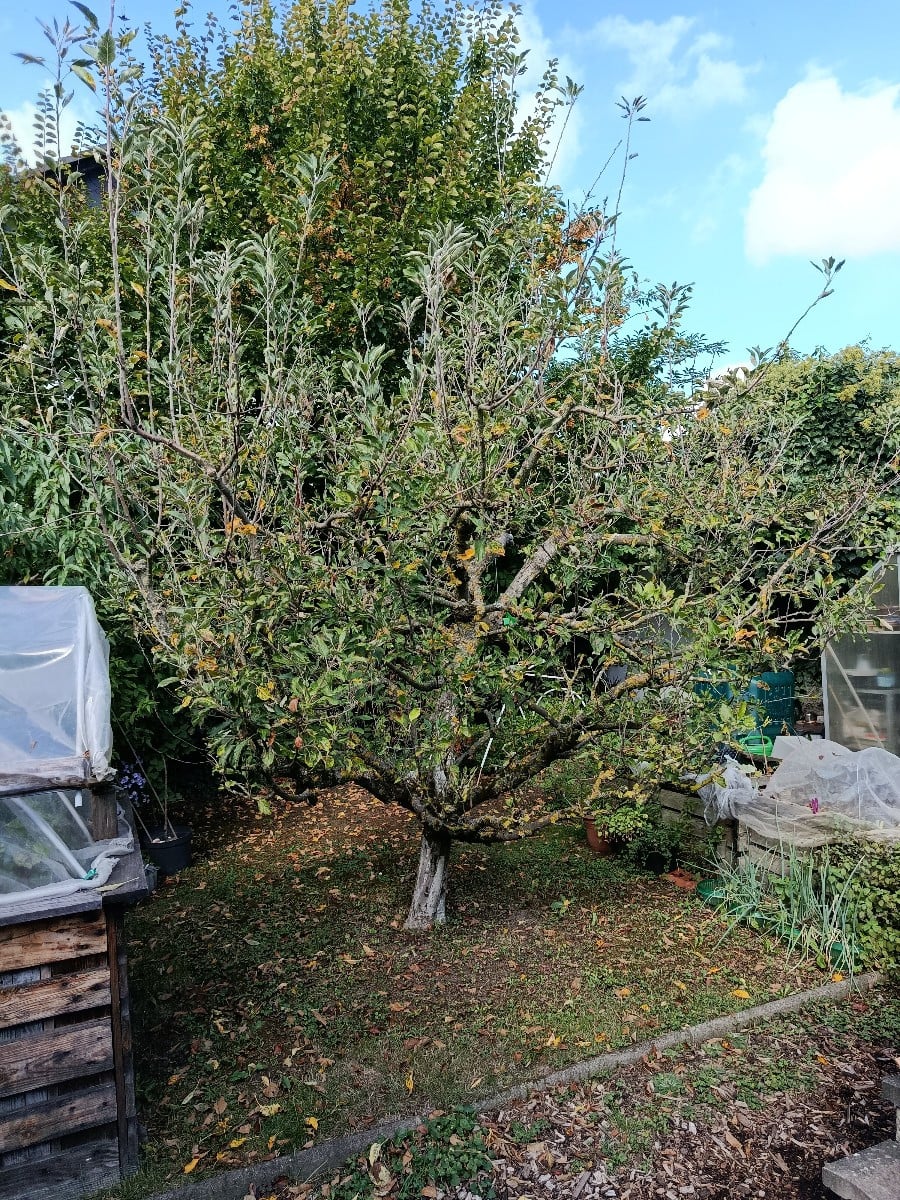
Today is a sad day. My Cox Orange was carefully cut down. I tried everything over the years, but nothing worked. Part of the problem was my choice of variety, the wrong location, improper pruning when it was young, and the hot summers. I think letting go is also part of taking responsibility, and it makes room for something new and different. Let yourself be surprised!
Liked 1 times
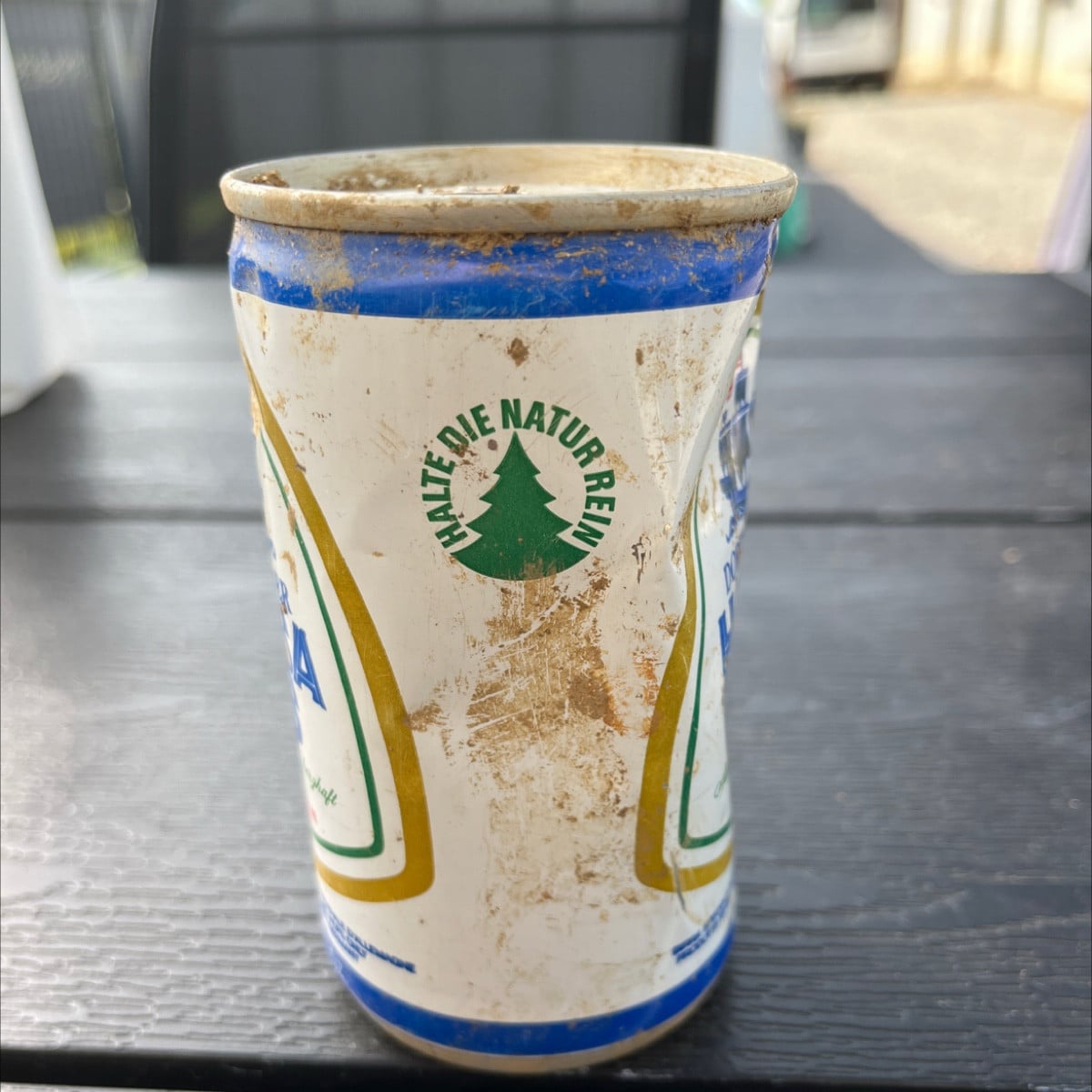
Found this today. According to Google, the can was manufactured in the 1980s. It seems the slogan "Keep nature clean" wasn't exactly put into practice.

Hi, we have pumpkins that are firm and green but sound hollow; they're still on the plant. How can I tell if they're ripe? I tried to upload a photo, but it didn't work....
Popular Articles


FAQ
What is a good location for raspberries?
The site should be sunny to partial shade, protected from the wind. The soil should be loose and humus with a slightly acidic pH between 5.5 and 6.
When best to plant raspberries?
The best time is in autumn from October, or in spring between March and April. Keep a planting distance of 40-50 cm/15.7-19.7 in to the next plant.
What are good companion plants for the raspberry bush?
Good neighbours for raspberry plants are dwarf beans, peas, fern, lamb's lettuce, garlic, cress, lavender, lily of the valley, lemon balm, phacelia, marigold, yarrow, chives, thyme and onions.
How to harvest raspberries?
Raspberries are quite easy to harvest when they are fully ripe. Then they simply detach from the plant. Red raspberries are ripe when they have taken on their beautiful, dark red colour. With white raspberries it is not so easy to tell.