
Companion Planting With Pumpkin: Good and Bad Companion Plants
Planting pumpkins in a mixed culture has several advantages for you as a gardener. The more different plants you have growing in your beds, the less trouble you will have with pests and diseases. It also helps to maintain soil fertility, as monocultures can leach specific nutrients from the soil. This article gives you an overview of good and bad companions for pumpkin plants. Below you will also find an example of a mixed crop with pumpkin, along with planting plans for an entire gardening year.
This Article Contains:
- Planting Pumpkins in the Garden: Location & Soil
- Mixed Cultivation With Pumpkin: Good and Bad Companion Plants
- These Plants Go Well With Pumpkin:
- These Are Bad Companion Plants for Pumpkin Plants:
- Table: Companion Plants for Pumpkin
- Succession Planting With Pumpkins
- Crop Rotation With Pumpkin Plants
- Mixed Cultivation With Pumpkin: Planting Plans for a Garden Year
- More Ideas for Mixed Crop Planting Plans With Pumpkin
- Frequently Asked Questions About Pumpkin in Mixed Cultivation
Quick Overview
Good and Bad Companion Plants for Pumpkins
- Good companion plants: beans, peas, corn, mooli, radish, nasturtium, kohlrabi, garlic, lavender, marjoram, oregano, mint, hyssop, chamomile, marigolds
- Bad companion plants: onions, potatoes, courgettes, cucumbers, melons, tomatoes, peppers, aubergines, cabbage (except: plants of the genus mooli and kohlrabi), dill
Succession Planting & Crop Rotation
- Succession planting: good pre- and post-crops for pumpkins are medium- to low-yielding plants such as lettuce, radishes, spinach, peas, postelein, endive, parsley, Jerusalem artichokes.
- Crop Rotation: recommended cultivation break of 4 years!
Planting Plan for Your Mixed Crop With Pumpkin
We have created an Example of a Mixed Crop With Pumpkin With Digital Planting Plans. This plan covers an entire garden year, as we have prepared bed plans with pre- and post-crops for you.
Planting Pumpkins in the Garden: Location & Soil
Pumpkins are part of the gourd family (Cucurbitaceae). In addition to Pumpkins, the cucurbitaceae family also includes Cucumbers, melons and courgettes. However, good and bad plant companions differ within the various species of a family. The courgette, for example, has different good companions than the pumpkin.
These plants originate from Central and South America, so they are heat-loving crops. Therefore, choose a sunny but sheltered location for your pumpkin plants. The soil should be rich in humus and nutrients, as pumpkins are Heavy Feeders. Whether the soil is loamy, clayey or sandy is relatively unimportant for pumpkin plants. The only important thing is that the soil should not dry out.

Mixed Cultivation With Pumpkin: Good and Bad Companion Plants
Pumpkins are particularly suitable as ground cover in a Mixed Culture. Within one season, they can cover an area of up to three square meters and provide shade with their large leaves. As a result, less water evaporates from the soil and the soil is protected from wind and water erosion.
These Plants Go Well With Pumpkin:
- Legumes such as beans and peas go well next to pumpkin plants. For one thing, these plants complement each other well in the soil: pumpkins are shallow-rooted, while beans and peas develop deep roots. In addition, legumes fix nutrients in the soil, which benefits the hungry pumpkin. As bush beans tend to grow rather bushy, broad beans or runner beans are better suited as companions for pumpkins. Otherwise there may be competition for light.
- Maize and pumpkin are also good companions. Although both plants are heavy feeders, they complement each other well. Maize has long taproots and gets its nutrients from the deep layers of soil. Pumpkin, on the other hand, is a shallow-rooted plant. In addition, the strong maize can be a climbing aid for the pumpkin if you want to cultivate it vertically.
- The mixed crop with legumes, maize and pumpkin is a traditional mixed crop from South and Central America. This combination of plant companions is also known as a milpa bed. Instead of maize, sunflowers are often planted in a Milpa Bed as climbing aids for pumpkins and runner beans. Sunflowers and pumpkins are also good companions.
- Plants of the genus Raphanus (mooli) are also good companions for pumpkins. These include daikon and mooli. As they form tubers in the garden soil, they loosen the soil and prevent waterlogging. They should also keep pests away from your pumpkin plants, e.g. snails.

Don’t Waste Precious Space in Your Vegetable Garden!
With our bed planner, it’s easy to design a beautiful and productive companion planting layout. You’ll see which plants grow well together — and which don’t — along with tips for crop rotation and succession planting!
Plan Your Bed Now
- Planting nasturtiums and pumpkins together is also a good idea. In general, nasturtiums are ideal for mixed cultivation. It keeps so-called pests away from its companions. Most pests prefer to eat nasturtium plants. This also applies to normal garden cress.
- Kohlrabi also goes well next to pumpkin. Kohlrabi is a medium feeder and therefore goes very well next to the heavy-eating pumpkin. In addition, kohlrabi plants develop deeper roots than pumpkin plants, so there is no competition for nutrients.
- Growing garlic in a mixed crop with pumpkin keeps pests and diseases out of your bed. The intense scent will drive away some hungry insects such as aphids.
- Herbs such as lavender, marjoram, oregano, peppermint and hyssop are good companions for pumpkin plants. The essential oils of most herbs keep pests away, while their flowers attract beneficial insects such as pollinating insects. In this way, they ensure better plant health in the bed. Some herbs are also said to improve the taste of vegetable plants.
- But other flowers such as chamomile and marigolds are also good plant companions. Chamomile plants use up a lot of calcium in the soil. This is good for pumpkin plants, as these tend to like low pH values due to their tropical habitat. Marigolds keep hungry nematodes away from the soil and promote the growth of pumpkin plants.

These Are Bad Companion Plants for Pumpkin Plants:
- Planting onions and pumpkins together can have advantages, as onions keep field mice away. The pumpkin plants are happy about this, as they have very sensitive roots. However, pumpkins and onions have different water requirements, which is why they do not complement each other so well. One possibility, however, would be to place the onions a little away from the pumpkin (about 1.5 m/1 yd away) and plant them as a border.
- Potatoes and pumpkins can be planted next to each other. However, the pumpkin has a very high water requirement and can therefore favour the infestation of the potatoes with brown rot. Depending on whether this is a problem in your garden, you can decide whether you want to plant these crop companions together.
- It is also possible to plant courgettes and pumpkins together. However, both courgette and pumpkin plants are susceptible to powdery mildew. If this is already a major problem in your beds, you should not choose this combination. The same applies to cucumbers and melons. In addition, all three plants are shallow-rooted and heavy feeders. This means that the soil is heavily depleted.
- Plants from the shade family, such as tomatoes, peppers and aubergines, should not grow next to pumpkins. These plants are also heavy feeders and susceptible to mildew.
- Cabbage plants are also heavy feeders and should be planted next to plants with lower nutrient requirements.
- Planting dill and pumpkin together is not a good idea. Dill inhibits the growth of your pumpkin plants.
Table: Companion Plants for Pumpkin
| Good Companion Plants | Bad Companion Plants |
|---|---|
| Beans | Aubergine |
| Chamomile | Courgette |
| Maize | Dill |
| Garlic | Onion |
| Hyssop | Pepper |
| Kohlrabi | Potato |
| Lavender | Tomato |
| Marigold | |
| Marjoram | |
| Nasturtium | |
| Oregano | |
| Peas | |
| Peppermint | |
| Radishes | |
| Radish | |
| Sunflower |
Succession Planting With Pumpkins
Pumpkin plants have a high demand for nutrients. Plant or sow after heavy feeders, medium to light feeders or a green manure. Planning a good succession plan is important to maintain soil and plant health. You can find out How to Plan Succession Planting in this article.
Suitable pre- and post-crops for pumpkins are lettuce (lamb's lettuce, Asian lettuce, winter lettuce), radishes, spinach, peas, broad beans, postelein, endive (as young plants), parsley and Jerusalem artichokes.
Crop Rotation With Pumpkin Plants
As with most vegetable plants, a cultivation break of 4 years on a bed (section) is recommended. This information should be understood as somewhat flexible. If you prepare your beds well, have not previously had any problems with severe pest or disease infestation, sow green manures and plant mixed crops, 2 to 3 years is often sufficient.
Mixed Cultivation With Pumpkin: Planting Plans for a Garden Year
We have prepared a garden year with pumpkin in mixed cultivation with suitable pre- and post-cultivation for you.
Vegetable Patch From January to April: Pre-cultivation for Pumpkin Plants

As pumpkin plants are heat-loving crops, they are only planted in the bed after the last frosts. To use your bed all year round, you can sow some cold-resistant plants in early spring: spinach, lettuce, radishes and kohlrabi . While the other crops are harvested by mid-May, the kohlrabi can remain in the bed. ,Superschmelz' is a kohlrabi variety with a relatively long growth phase. The tubers can then be harvested from July.
Planting Plan for May to September With Heat-Loving Summer Crops

Summer crops can then be planted in the bed from May. Pumpkin plants are usually grown on the windowsill and planted as young plants, as are nasturtiums, oregano and sunflowers. You can harvest earlier if you plant young plants. You can find out how to Grow and Sow Your Pumpkin Plants in this article. You can sow runner beans directly into the bed. Sunflowers that have been pre-grown and have a head start on growth will serve as a stable climbing aid. You can also sow daikon such as 'Easter greetings pink' in April/May. Daikon also grow relatively quickly and are ready to be harvested after 2 to 3 months.
Bed in winter - October to December

When the temperatures drop, the summer crops gradually die off and make room for new ones. As pumpkin plants have a high nutrient requirement, you should either sow a green manure or choose low-yielding crops, as shown here in the plan. You can sow cover crops such as peas, spinach, lettuce such as rocket, radishes and lamb's lettuce.
More Ideas for Mixed Crop Planting Plans With Pumpkin
Here you can find more planting plans as inspiration for your mixed crop with pumpkin. Have fun browsing!
If you have any questions or comments, please write to us at [email protected].
If you need help with your planning, take a look at the Fryd bed planner. It will help you find the best crops for your location and skill level and give you tips on how to grow your own vegetables. Register here or download the Fryd app for Android or iOS.
Fryd - your digital bed planner
Cover image by Patrick Pahlke on Unsplash.

Marie
Marie ist Agrarwissenschaftlerin. Sie interessiert sich besonders für den nachhaltigen und ökologischen Anbau von Gemüse und anderen Pflanzen. Im eigenen Garten sammelte sie dabei Erfahrungen und probiert sich gerne aus, um von der Natur zu lernen. Dabei liegen ihr Werte und Prinzipien der Permakultur besonders am Herzen, um neben dem Wohl für die Natur, auch für das Wohlergehen der Menschen und zukünftiger Generationen beizutragen.
Learn MoreCurrent Topics in the Community
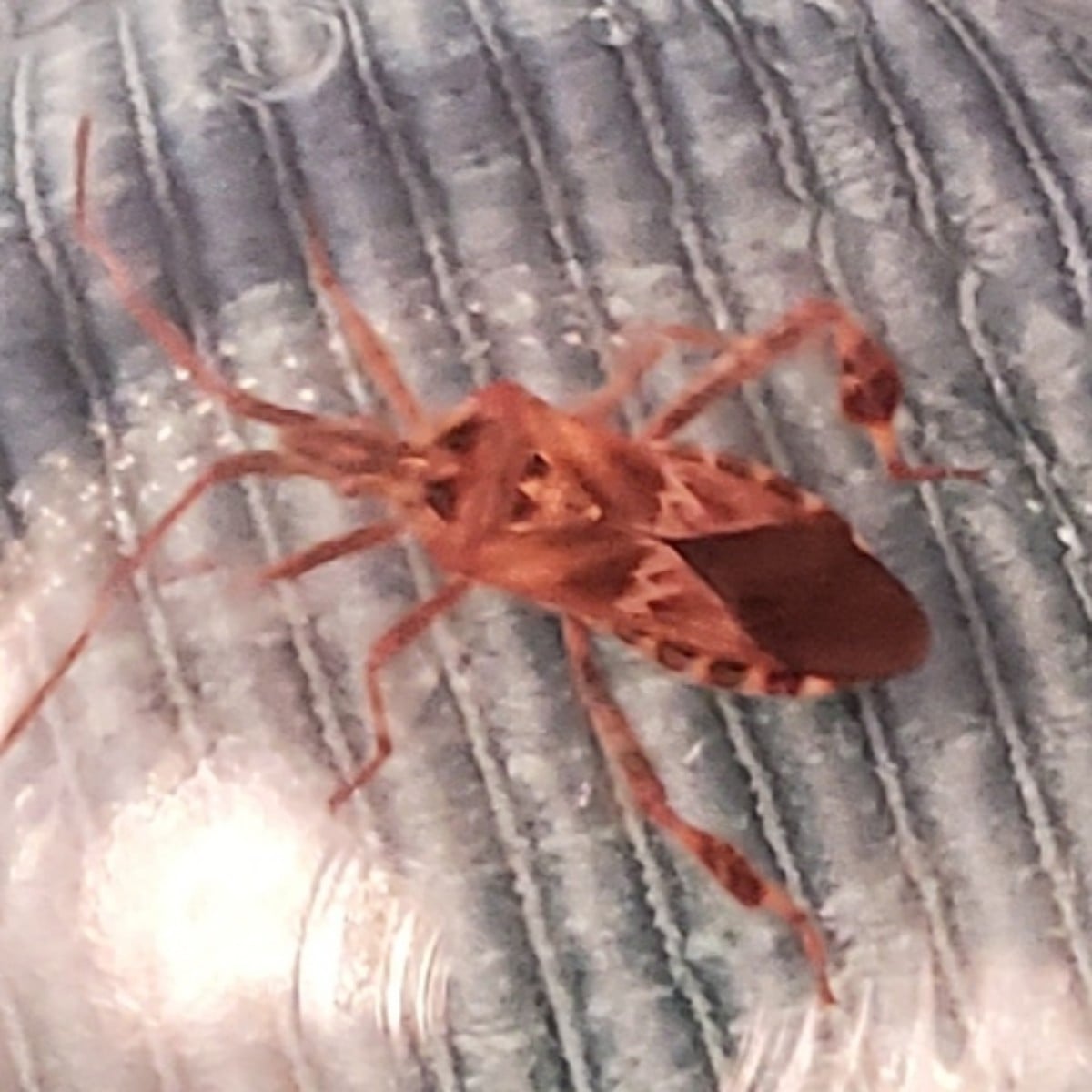
...This American pine or cone bug (Leptoglossus occidentalis) has also noticed that fall is coming! Found in Europe since 1999, it’s yet another import from North America that we really don’t need 🙄. At this time of year, they like to knock on the front door 😳 and ask to be let in so they can spend the winter indoors. Category: Pests! I sent it on its way to Hoek van Holland—maybe it’ll find a friendlier host there 🤷 ...Unfortunately, I don’t have a better photo to share 🤷
Show 1 answer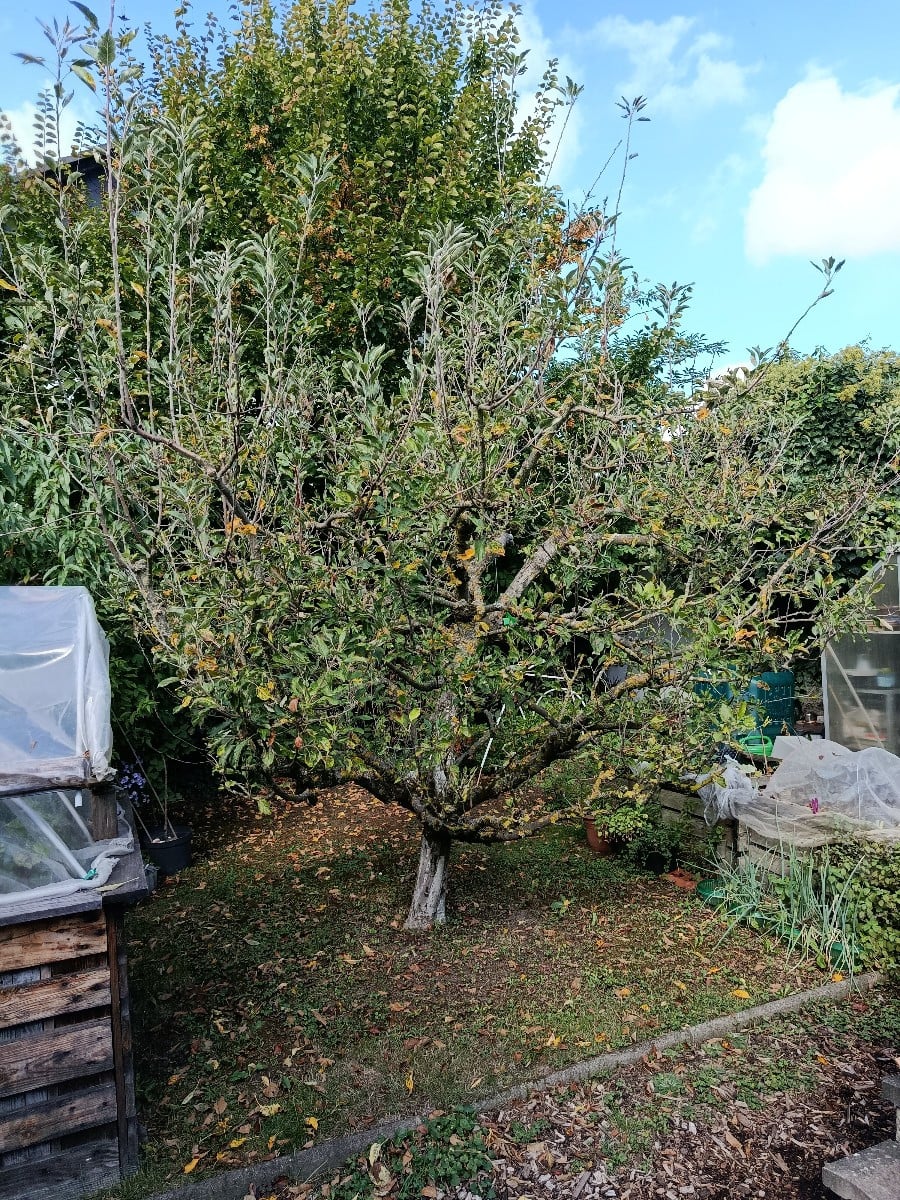
Liked 5 times
Today is a sad day. My Cox Orange was carefully cut down. I tried everything over the years, but nothing worked. Part of the problem was my choice of variety, the wrong location, improper pruning when it was young, and the hot summers. I think letting go is also part of taking responsibility, and it makes room for something new and different. Let yourself be surprised!
Show 2 answers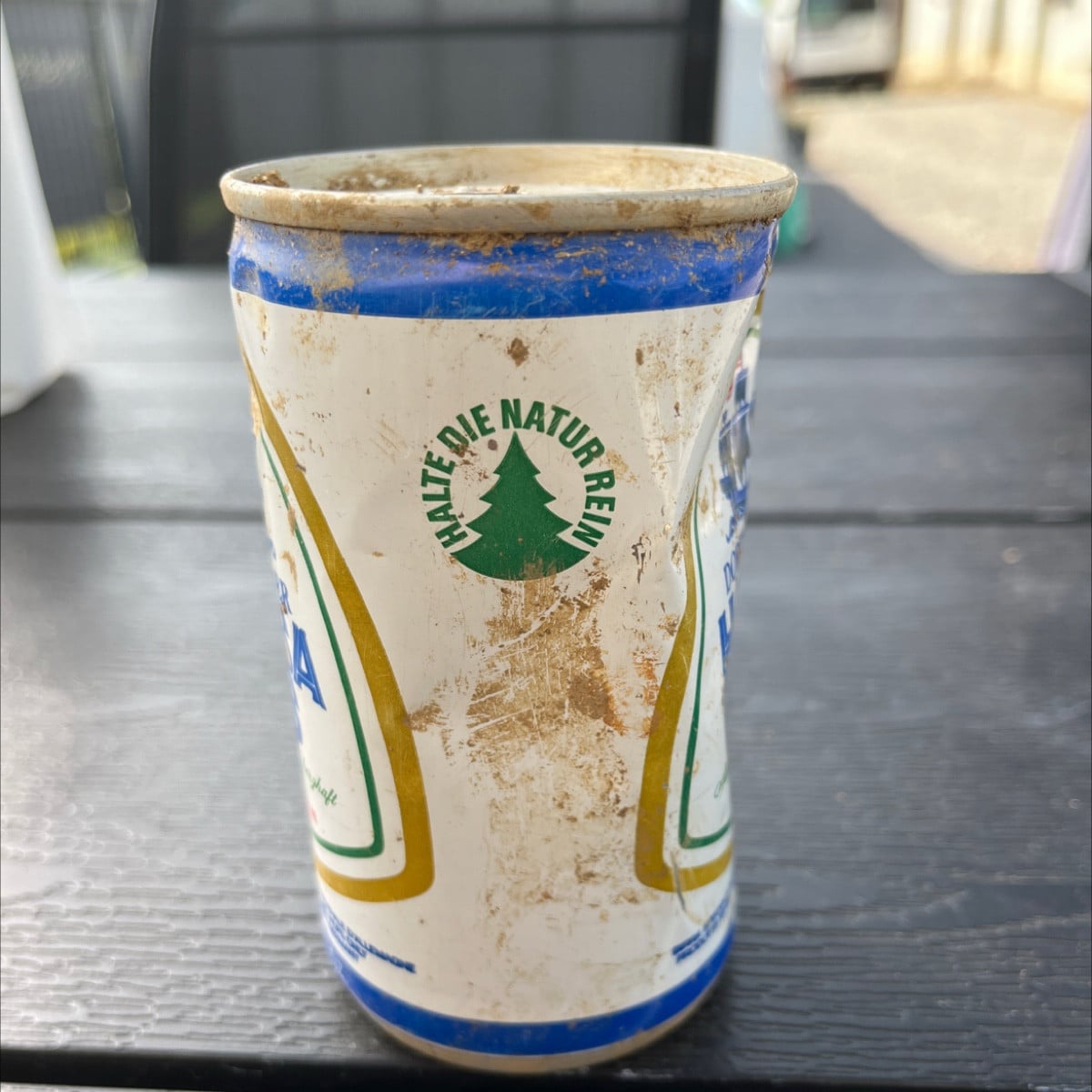
Liked 3 times
Found this today. According to Google, the can was manufactured in the 1980s. It seems the slogan "Keep nature clean" wasn't exactly put into practice.
Show 1 answerPopular Articles


FAQ
What are good companion plants for pumpkin?
Good companions for pumpkins include beans, peas, chamomile, nasturtium, garlic, kohlrabi, sweetcorn, radishes, marigolds, sunflowers and marigolds. But the herbs marjoram and oregano, hyssop and lavender also go well alongside pumpkin.
Which plants are bad companion plants for pumpkins?
Plants that you should not plant next to pumpkins are aubergines, dill, potatoes, peppers, tomatoes, courgettes and onions.
Can you plant pumpkins and courgettes together?
Courgettes and pumpkins are bad companions as they come from the same plant family. However, if you otherwise ensure a wide variety in the bed and sufficient fertilisation (both plants are heavy feeders), it should not be a problem to plant them next to each other.
Are pumpkins and tomatoes good companions?
Pumpkins and tomatoes are also not supposed to be good neighbours. However, if you take care to plant otherwise weak to medium growers in the bed and fertilise them sufficiently, it should not be a problem to plant pumpkins next to tomatoes.