
How to Make Horsetail Tea for Plants: Benefits, Uses & Recipe
For many gardeners, horsetail is an annoying weed. However, the plant has many valuable ingredients that make it a valuable medicinal plant. Not only is it beneficial for humans, it can also strengthen your plants in the bed and protect them naturally from diseases and so-called pests. Horsetail broth is also a good fertiliser for your plants. Instead of fighting horsetail, you can make horsetail broth or tea from it. In this article, you can find out how it works and how to use the brew in the garden.
This Article Contains:
Quick Overview
Effect of Field Horsetail
- Used to strengthen plants against pests and diseases, especially fungal diseases such as powdery mildew and sucking insects
- has a positive effect on plants, mainly due to its high silica content (silica strengthens cell tissue)
- Preventive effect and only has a limited effect in the event of an infestation
Recipe: Making Horsetail Tea
- Collect 100 - 150 g/3.5 - 5.3 fl. oz. fresh or 30 - 50 g/1 - 1.8 fl. oz. of dried above-ground plant parts per 1 L/2.1 pt of water
- Chop up the plant parts and soak in water; simmer for another 15 - 30 minutes after 1-3 days; strain
- If you need it quickly, you can also make horsetail tea: simply pour hot water over it and leave to infuse for 15 to 20 minutes; strain
- Application: spray undiluted or diluted with rainwater every 2 to 3 weeks; if there is an infestation, spray several times a day for several days in a row
Benefits of Field Horsetail
Field horsetail (Equisetum arvense L.) is a subspecies of the horsetail family (Equisetaceae). The herb is known by many names: Horsetail, field horsetail, horsetail-grass, cat's-tail, shank hay, panhandle and scabious. Horsetail is the most common type of horsetail in Germany and can be found in many gardens. This makes it all the more practical that it has many valuable ingredients such as silicic acid, saponins and nutrients such as potassium, magnesium and calcium. You can dissolve these ingredients in a decoction, brew or tea and use their effects in your garden.

Prevent Pests & Diseases With Horsetail Tea
Horsetail decoction or tea is mainly used by gardeners to strengthen plants against pests and thus as preventive plant protection. When extracted with water, mainly silicic acid dissolves in the water. The silicic acid is mainly responsible for the effect of the horsetail brew. This acid strengthens the cell tissue of the plants, making it more difficult for pathogens and diseases to infect the plants. Horsetail brew can help prevent fungal diseases and sucking pests such as aphids in particular.
Horsetail Helps With These Diseases & Pests:
- Powdery and Downy Mildew
- Grey mould
- Star sooty mould
- Scab
- Curl disease
- Late Blight and Brown Rot
- Rust fungi
- Monilia diseases such as Monilia tip drought or Monilia fruit rot
- Leaf spot diseases such as dry spot disease, leaf blight or white spot disease
- Red spider mite
- mites
- Leek moth
- Aphids

The effect of such plant extracts and also of slurries is generally still controversial and should always be accompanied by additional crop protection measures (pheromone traps, glue rings, sticky boards, etc.). Especially when plants are already diseased, horsetail brew is only of limited help. However, if you recognise the infestation or disease early and act immediately, you may still be able to save diseased plants! Unfortunately, there is no guarantee.

Ever Feel Lost in the Garden? Connect With Others!
In the Fryd community, you’ll find friendly and helpful gardeners ready to share ideas, give advice, and celebrate wins (and failures) together. Gardening is just more fun when you’re not doing it alone.
Join the Community NowMake Your Own Horsetail Tea: A Recipe
What You Need:
- 100 - 150 g fresh or 30 - 50 g dried horsetail
- 1 L of water
- saucepan
- sieve
- optional: cotton cloth
Tip: Horsetail likes to grow and thrive on damp forest or meadow edges and can also be found in many gardens.
Instructions for Horsetail Brew:
- Collect the green above-ground parts of the horsetail. Harvest the stems by the end of July to use them fresh or to dry them, as the silica content decreases when they become woody.
- Horsetail decoction: Chop up the plant parts and soak them in water for 1 - 3 days. Then boil for another 15 to 30 minutes. Then sieve out the plant parts and leave the brew to cool.
- Horsetail tea: If you're in a hurry, you can also simply brew the horsetail as a tea and leave to infuse for 15 to 20 minutes. Then strain, leave to cool and you're done.
- If you want to apply horsetail brew as a spray with a sprayer, you should sieve it through a muslin cloth beforehand. Otherwise the glands could become clogged with small plant parts.
If you don't have time to make your own horsetail extract, you can find it in organic quality in our Fryd store! Here you will also find numerous other plant extracts, such as nettle, which strengthen your plants and can be used as organic fertiliser!

Shelf Life of Horsetail Tea
A decoction or tea of horsetail has a limited shelf life and should always be made fresh when needed. You can store the decoction/tea in a closed container for a few days, but then it will start to ferment at some point. This is not so tragic, because then you can simply use the product as a slurry. Due to the fermentation, the liquid manure also contains many microbes that revitalise the soil and thus indirectly improve the availability of nutrients in the soil. Plant liquid manure is therefore generally better suited as a fertiliser than a brew!
Horsetail Decoction/Tea: Use in the Garden
| Horsetail Decoction | Horsetail Tea |
|---|---|
| undiluted or diluted with rainwater in a ratio of 1:5 for pest control and soil care | diluted with rainwater in a ratio of 1:10 - 1:20 as preventive plant protection and foliar fertilisation |
Tips for Use as a Spraying Agent:
- As a plant strengthener for preventive plant protection against pests: repeat application every 2 to 3 weeks, as horsetail decoction mainly has a preventive effect (especially against fungi and sucking pests such as aphids)
- In case of a light infestation: remove diseased plant parts and dispose of in the household waste; treat the plant several times a day for several days in a row
- Is mainly sprayed on the above-ground parts of the plant(foliar spraying); if necessary also on the soil (as fertiliser)
- Spray inthe morning in sunny weather without rain, otherwise the decoction or tea may be washed away by the rain (if necessary, spray horsetail extract again after rain)
Horsetail as a Fertiliser
Horsetail teas and decoctions are mainly used as foliar sprays to strengthen plants. A horsetail slurry is more suitable for fertilising with horsetail. This is because a slurry dissolves more of the ingredients, especially nutrients! You can find out How to Make and Use a Plant Slurry in our article using the example of a nettle slurry.
You can find more Tips on Using Plant Teas and Decoctions in the article on plant tonics. In addition to organic plant tonics such as plant juices, teas and decoctions, this also covers inorganic agents such as Rock Flour. You can also make your own extract from compost or humus.
If you have any questions or comments, please write to us at [email protected].
Would you like to receive helpful gardening tips all year round and plan your own beds optimally? Then register here or download the Fryd app for Android or iOS.
Fryd - your digital bed planner
Cover picture by Andreas on Pixabay

Marie
Marie ist Agrarwissenschaftlerin. Sie interessiert sich besonders für den nachhaltigen und ökologischen Anbau von Gemüse und anderen Pflanzen. Im eigenen Garten sammelte sie dabei Erfahrungen und probiert sich gerne aus, um von der Natur zu lernen. Dabei liegen ihr Werte und Prinzipien der Permakultur besonders am Herzen, um neben dem Wohl für die Natur, auch für das Wohlergehen der Menschen und zukünftiger Generationen beizutragen.
Learn MoreCurrent Topics in the Community
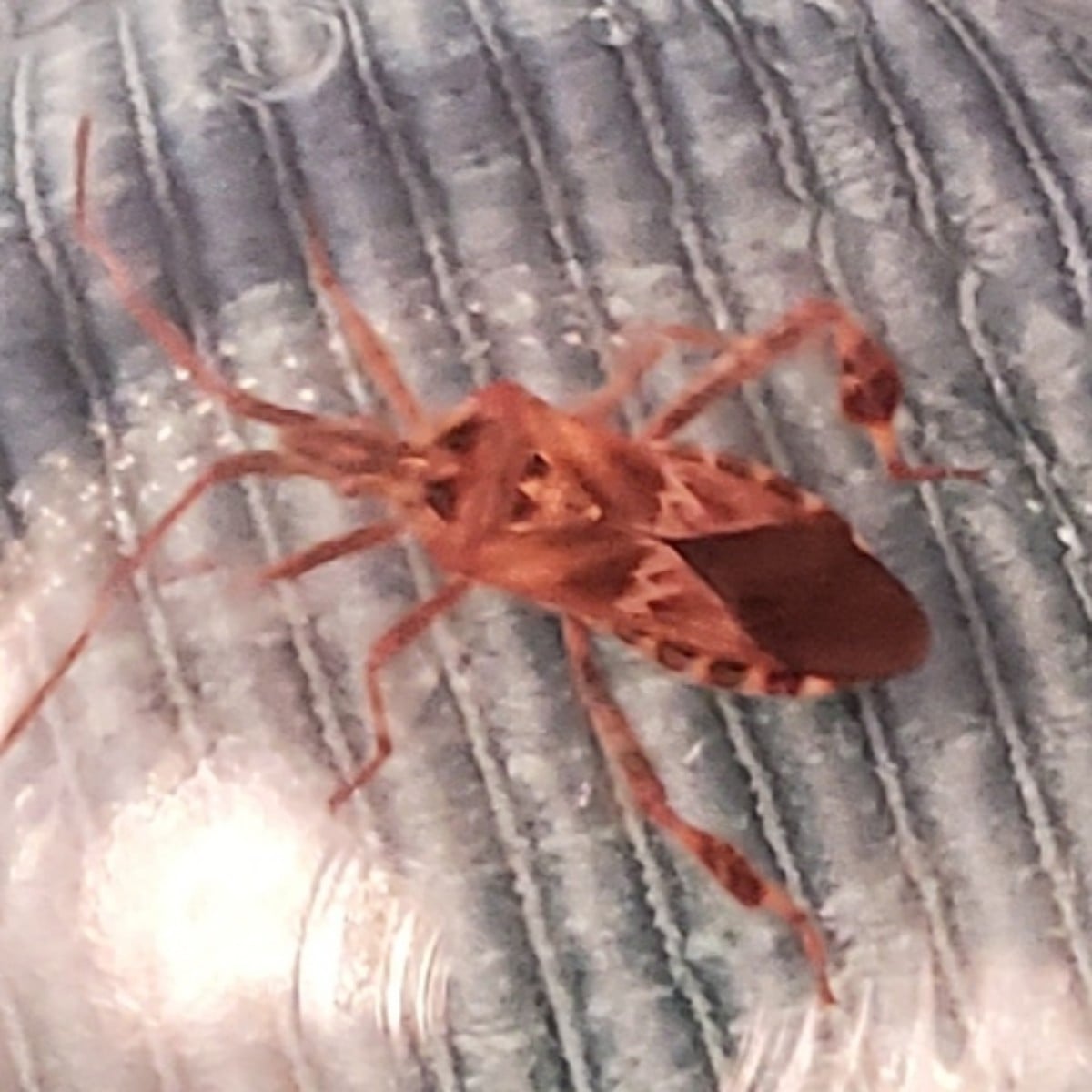
...This American pine or cone bug (Leptoglossus occidentalis) has also noticed that fall is coming! Found in Europe since 1999, it’s yet another import from North America that we really don’t need 🙄. At this time of year, they like to knock on the front door 😳 and ask to be let in so they can spend the winter indoors. Category: Pests! I sent it on its way to Hoek van Holland—maybe it’ll find a friendlier host there 🤷 ...Unfortunately, I don’t have a better photo to share 🤷
Show 1 answer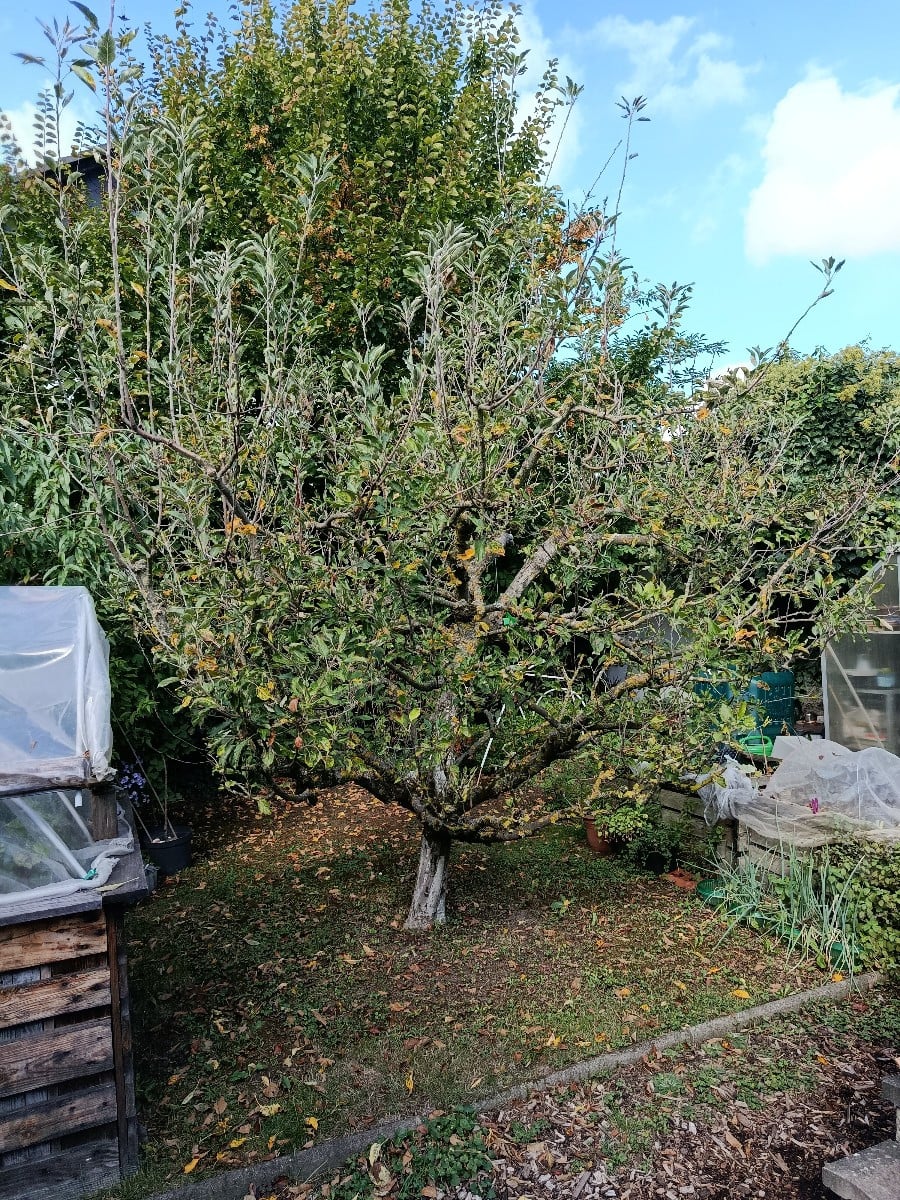
Liked 5 times
Today is a sad day. My Cox Orange was carefully cut down. I tried everything over the years, but nothing worked. Part of the problem was my choice of variety, the wrong location, improper pruning when it was young, and the hot summers. I think letting go is also part of taking responsibility, and it makes room for something new and different. Let yourself be surprised!
Show 2 answers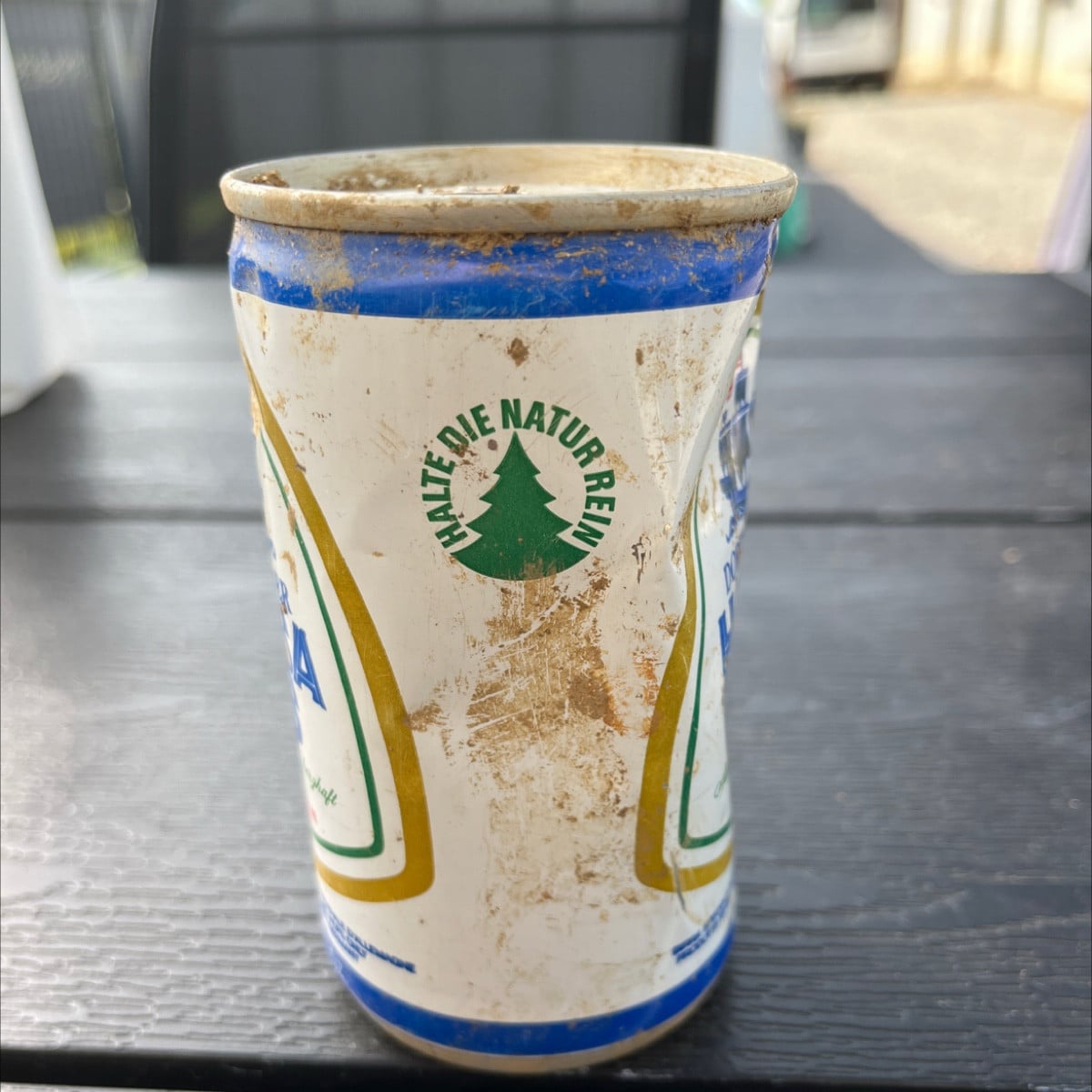
Liked 3 times
Found this today. According to Google, the can was manufactured in the 1980s. It seems the slogan "Keep nature clean" wasn't exactly put into practice.
Show 1 answerPopular Articles


FAQ
What does horsetail decoction do in the garden?
It strengthens plants against pests and diseases, especially fungal diseases, and promotes resistance through silicic acid.
How do you make horsetail broth?
You need 100 - 150 g/3.5 - 5.3 fl. oz. fresh or 30 - 50 g/1 - 1.8 fl. oz of dried horsetail per 1 L/2.1 pt of water, which is soaked and then boiled.
How do you use horsetail decoction?
Spray undiluted or diluted, every 2 to 3 weeks or more frequently if infested. Read more in the article.
What is the shelf life of horsetail broth?
A decoction has a limited shelf life and is best used fresh. A slurry has a longer shelf life.