
Harvesting Potatoes: This Is the Right Time
Harvested in good time and stored correctly, potatoes can be kept until the next season without any problems. The healthy tuber contains many nutrients and carbohydrates that no self-catering garden should be without. Find out here how to harvest and store potatoes correctly.
This Article Contains:
Quick Overview
When Can You Harvest Potatoes?
- Depending on the potato variety, the potato plant remains in the ground for between 3 and 5 months
- Early potatoes are ready to harvest from the beginning of June
- Medium-early to medium-late potato varieties can be harvested from July to August
- Late potatoes remain in the ground the longest and are ready for harvest from September to October
How Do You Harvest Potatoes?
- Can potatoes be harvested too early? - Yes, you can. If you harvest too early, the skin is not yet sufficiently developed. A thick skin is particularly important for storage potatoes.
- Instructions: Loosen the soil, pull the potatoes out of the ground by their green tops (early potatoes) or by the stolons
- Do not wash after harvesting, only lightly remove the soil
Harvesting Potatoes: Here’s How
Potato plants send out a clear signal when they are ready to harvest: Their foliage begins to wither and dry out. Most potato plants remain in the bed for around 3 to 5 months until they are ready to harvest. After that, the plant dies and signals to you that you can harvest the potatoes. If your plant dies much earlier, it may be infected with Late Blight. In this case, you should also act immediately and harvest your potatoes. Otherwise the tubers could become inedible. Do not dispose of the infected plant parts in the compost, otherwise the disease may spread in your garden.
When to Harvest Potatoes?
Depending on the Potato Variety, potatoes are harvested between June and October. Early potato varieties such as Christa or Annabelle produce the first potato harvest. As a gardener, you can take advantage of the different harvest windows for different potato varieties. Especially in a Self-Sufficient Garden, it is important to have a balanced supply of different crops throughout the season. So plan for early potatoes and late potatoes in your garden if you want to supply yourself with tubers all year round.
Most potatoes are harvested when the green tops have died back. As long as the plant is growing, the potatoes are also growing in the soil. This is where early potatoes differ from late varieties, as they are often harvested with the green tops still on. This is why early harvests are usually not as productive and produce smaller but more aromatic potatoes.

When Are Potatoes Ready to Harvest?
Early Potatoes
- These varieties take around 90 to 120 days to ripen and can be harvested from the beginning of June.
- Potatoes are usually harvested when the tops of the plants are still green.
- Early potatoes have a thin skin and a relatively high water content, so they are not suitable for storage and should be eaten within a few days (you can also harvest the plants in stages so that you can use everything).
Medium-Early and Medium-Late Potatoes
- You can harvest these varieties after around 4 months (120 to 140 days ), from around July to August.
- Medium varieties combine the good flavour of early varieties with the shelf life of later varieties. Can be stored for about 3 months.
- Potatoes are ready to harvest after the foliage has withered and died. If you want to store them, it is best to wait another two weeks before harvesting. The skin will then become thicker, which improves the storage life.
Late Potatoes
- Late potato varieties have the longest growing time and stay in the bed the longest: 140 to 160 days, about 5 months . These varieties are ready to harvest from around September to the end of October.
- They usually produce the largest harvests of potatoes that can be stored for a long time (if stored correctly, they can be kept until the following spring).
- To increase the shelf life, wait around 2 to 3 weeks after the haulm has died back before harvesting.

Ever Feel Lost in the Garden? Connect With Others!
In the Fryd community, you’ll find friendly and helpful gardeners ready to share ideas, give advice, and celebrate wins (and failures) together. Gardening is just more fun when you’re not doing it alone.
Join the Community NowHarvesting Potatoes Too Early
Potatoes are very sensitive to the cold and should be harvested before the first frost. As soon as they freeze, their cells are destroyed and they start to rot. However, if they are harvested too early, the skin cannot harden sufficiently and the potatoes are more susceptible to rotting.

How to Harvest Potatoes Correctly?
- A dry day is best for harvesting potatoes. It should not have rained for a few days beforehand. The soil should be as dry as possible to make harvesting easier. This also means that less soil sticks to the potatoes.
- Loosen thesoil with a digging fork or, even better, a potato hoe (with rounded tips) and lift it up a little. Be careful not to damage the tubers.
- You can then simply pull theearly potatoes out of the ground by the green part of the plant. After harvesting, remove the green tops.
- For all other varieties that are harvested when the green is already dead, remove the dead parts of the plant first. These can be spread on the bed as mulch (unless the plant was infected with late blight). Then pull the potatoes out of the soil by the stolons.
- Remove a little soil from the potatoes in the field, but do not wash them!
Things to Bear in Mind When Harvesting Potatoes
- Try to find all the tubers in your bed. If you miss one, it may sprout again the following year. On the one hand, this is not ideal for succession cropping. Secondly, it can really mess up your garden planning.
- Potatoes are not washed, as this encourages rotting and fungal diseases.
- Sort out potatoes with green spots directly in the field, as these contain the poison solanine and are not suitable for consumption. These green spots are caused by light hitting the tubers. Incidentally, this can also be caused by incorrect storage.
- If you find particularly small potatoes, you can save them as seed potatoes for planting next year. This way, you can grow varieties that you particularly like again.

How Do You Store Potatoes?
Potatoes can be stored very well unprocessed. A cool cellar or earth clamps are best suited to keep the tubers fresh for a long time. To get the most out of your harvest for as long as possible, it is important not to store damaged tubers. Potatoes are also not washed after harvesting. Only remove coarse soil residues and leave the remaining soil on the potato. Wash the tubers immediately before eating them. Otherwise you will encourage rot or fungi, which can ruin your harvest. The ideal storage place for potatoes is dark, dry and at temperatures between 4 and 8 °C. If the temperatures are too high, this stimulates the sprouting of the potatoes and they become inedible. Due to the optimum storage temperatures for potatoes, you should not store potatoes in the fridge! This changes their taste and structure. At temperatures below 3°C, the starch in the tubers is converted into sugar, which makes the potatoes taste sweeter. Read more about Storing Potatoes Correctly here.
I hope that your questions about harvesting and storing potatoes have been answered. If you have any questions or comments, please write to us at [email protected].
Want to get helpful gardening tips all year round and plan your own beds in the best possible way? Then register here or download the Fryd app for Android or iOS.
Fryd - Your digital bed planner
Image: Image by olarts on Pixabay

Marie
Marie ist Agrarwissenschaftlerin. Sie interessiert sich besonders für den nachhaltigen und ökologischen Anbau von Gemüse und anderen Pflanzen. Im eigenen Garten sammelte sie dabei Erfahrungen und probiert sich gerne aus, um von der Natur zu lernen. Dabei liegen ihr Werte und Prinzipien der Permakultur besonders am Herzen, um neben dem Wohl für die Natur, auch für das Wohlergehen der Menschen und zukünftiger Generationen beizutragen.
Learn MoreCurrent Topics in the Community
Who needs a car anyway! Fall is planting season! I ended up going with the red Boskoop after all, and since it’s so pretty, I added two black currants as well. I’m already looking forward to next year!
Show 2 answers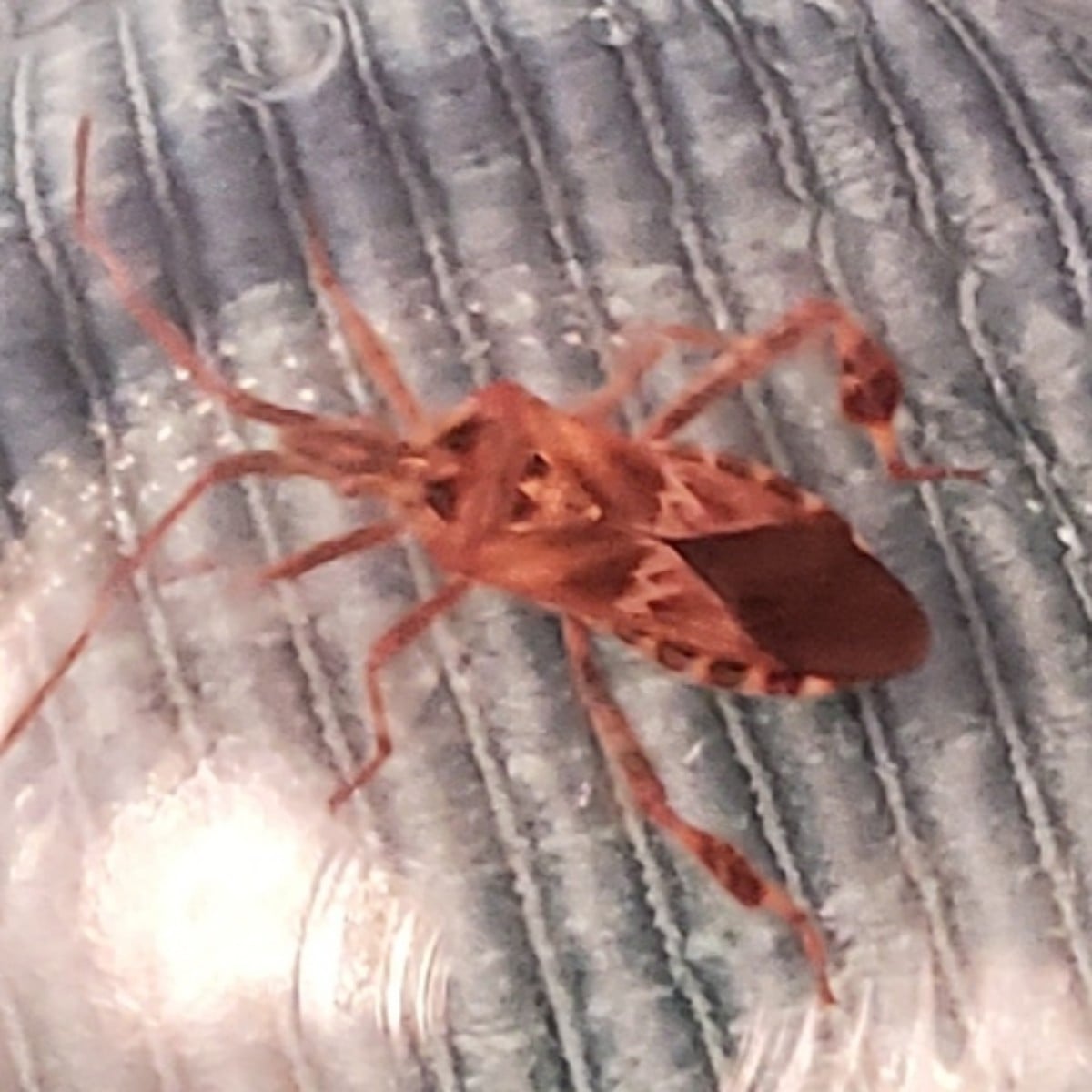
...This American pine or cone bug (Leptoglossus occidentalis) has also noticed that fall is coming! Found in Europe since 1999, it’s yet another import from North America that we really don’t need 🙄. At this time of year, they like to knock on the front door 😳 and ask to be let in so they can spend the winter indoors. Category: Pests! I sent it on its way to Hoek van Holland—maybe it’ll find a friendlier host there 🤷 ...Unfortunately, I don’t have a better photo to share 🤷
Show 1 answer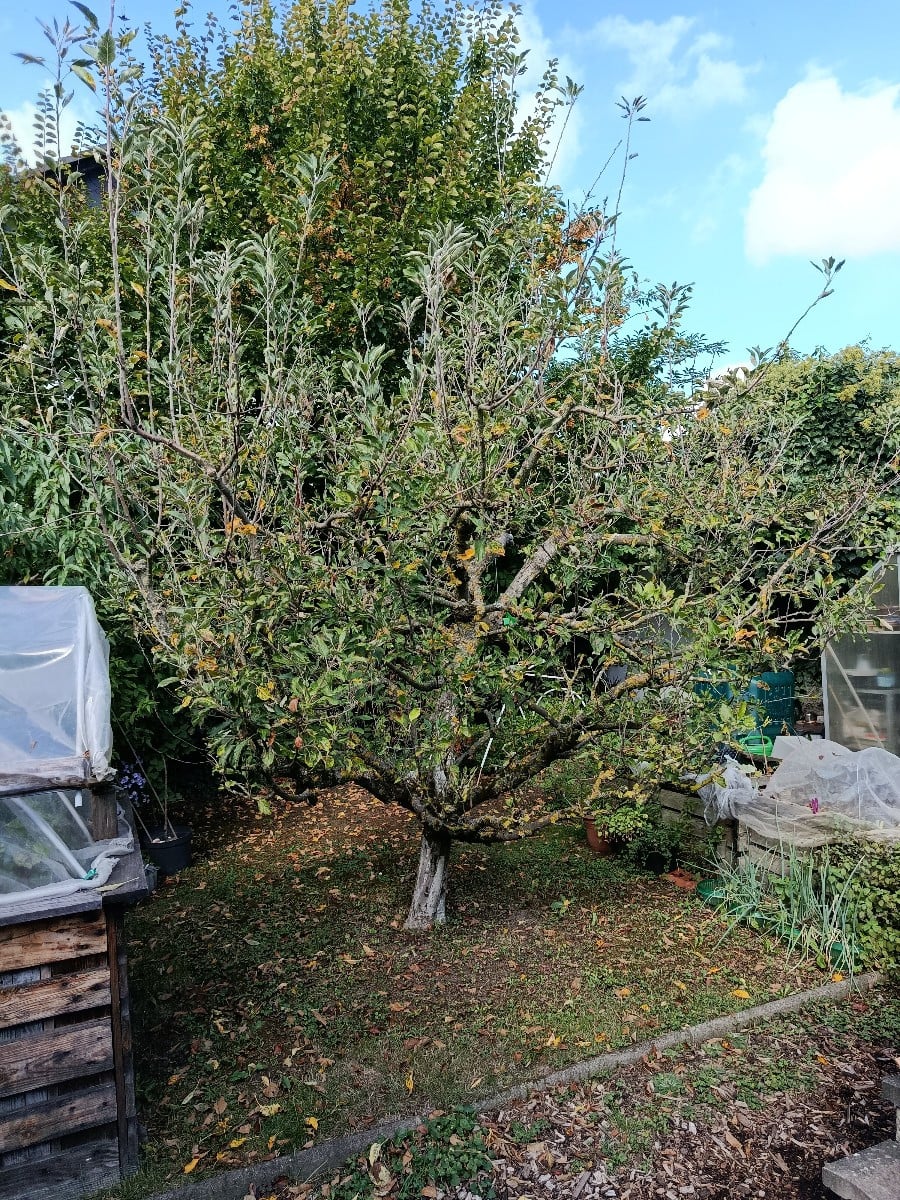
Liked 5 times
Today is a sad day. My Cox Orange was carefully cut down. I tried everything over the years, but nothing worked. Part of the problem was my choice of variety, the wrong location, improper pruning when it was young, and the hot summers. I think letting go is also part of taking responsibility, and it makes room for something new and different. Let yourself be surprised!
Show 2 answersPopular Articles


FAQ
When can you harvest potatoes?
This depends on whether you have planted early or late potatoes. Depending on the variety, the plants are in the bed for 3 to 5 months. Early potatoes are ready to harvest from June, whilst late potatoes can be harvested from September/October.
Can potatoes be harvested too early?
Yes, you can harvest potatoes too early. Make sure that you only harvest when the potato foliage has wilted. If you harvest too early, the skin will still be thin, which will affect the potatoes' shelf life.
How do you harvest potatoes?
First loosen the soil a little with a digging fork. Then you can pull the potatoes out of the ground by the potato tops or stolons. After harvesting, the potatoes are not washed, but only slightly freed of soil. Otherwise you risk rot.
How do you store potatoes?
You can only store undamaged potatoes, otherwise they will rot and damage the other potatoes. Your potato storage should be dark and cool. Alternatively, you can also freeze cooked potatoes.