
Fertilising Strawberries: Home Remedies & Natural Fertilisers at a Glance
Fertilisation is essential so that you can expect a rich harvest from your strawberry plants. Strawberries differ in their nutrient requirements from other crops in your garden, so it's important to know a few things. We give you tips on fertilising strawberries with organic fertilisers. You can find out which fertilisers are suitable here in this article.
This Article Contains:
- How to Fertilise Strawberries
- Which Fertiliser Is Suitable for Strawberries?
- Fertilise Strawberries With Compost: What You Need to Keep In Mind
- Fertilising Strawberries With Horn Shavings
- Fertilise Strawberries With Horse Manure
- Tomato Fertiliser for Strawberries
- DIY Fertiliser: Homemade Remedies & Natural Fertilisers
- When to Fertilise Strawberries?
- Frequently Asked Questions About Fertilising Strawberries
Quick Overview
How and When to Fertilise Strawberries
- Strawberries mainly need phosphorus and potassium, but also nitrogen for good growth. If they are over-fertilised with nitrogen, they become more susceptible to diseases.
- The right time to fertilise: During planting and in autumn after the last harvest in the second year; for everbearing strawberry varieties, additionally fertilise several times during the growing season (approx. every 4 to 6 weeks).
Homemade Remedies and Other Fertilisers for Strawberries
- Compost: Good basic fertiliser when planting
- Horn shavings: Nitrogen-based fertiliser as a good supplement to compost, which you can spread over several doses
- Tomato fertiliser: Is very suitable for fertilising strawberries, as tomatoes have similar nutrient requirements.
- Coffee grounds: Contains small amounts of nutrients and is therefore more suitable for top dressing during the season.
- Nettle manure: Only use moderately when there is no fruit on the plant yet, otherwise it will take on the taste of the liquid manure.
How to Fertilise Strawberries
For healthy growth, strawberry plants primarily require the main nutrients nitrogen, phosphorus and potassium. Calcium, magnesium and trace elements such as iron, boron, manganese and zinc are also essential in comparatively small quantities. Compared to most other crops that you probably grow in your garden, strawberries have a low nitrogen requirement. If they are over-fertilised, they react with excessive leaf growth at the expense of flower and fruit formation. They also become more susceptible to disease! This does not mean that they do not need nitrogen fertilisation at all, but only in moderation. Much more important are nutrients such as potassium and phosphorus, which are very important for flower and fruit development and the quality of the fruit. For this reason, it is particularly important with strawberries to know which fertilisers you can use and how often you should fertilise.
Which Fertiliser Is Suitable for Strawberries?
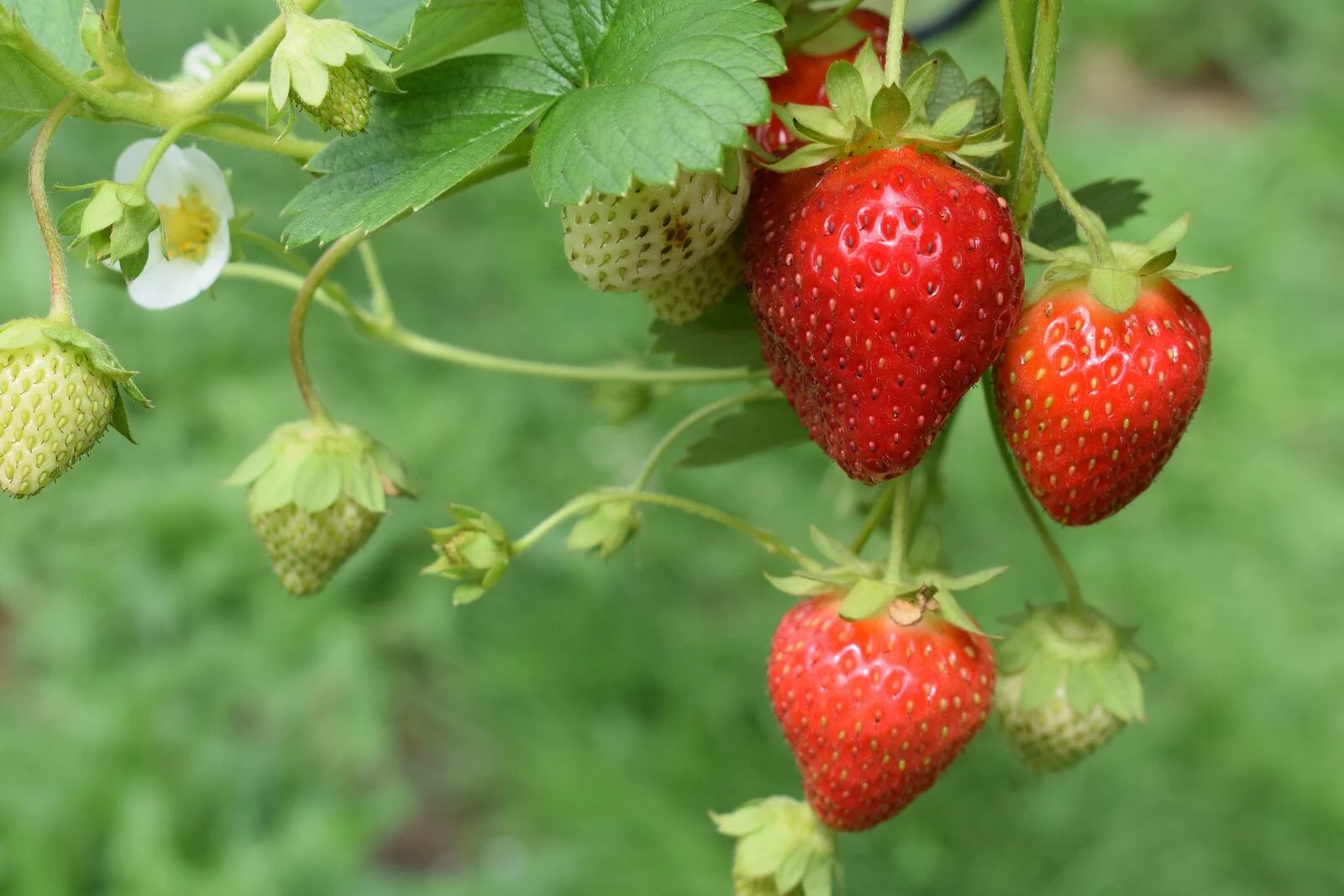
To fertilise your strawberries, you should use slow-release organic fertilisers. Organic fertilisers have several advantages, as they not only nourish your plants, but also the soil life. They promote the build-up of humus and thus help to improve the soil structure and therefore the availability of nutrients and water retention capacity. Organic fertilisers also act as slow-release fertilisers, as the nutrients are metabolised by soil life over time and gradually made available to the plants. In order for the fertiliser to work well, you should always work organic fertilisers well into the soil, unless they are applied in liquid form. In addition, a regular supply of water is very important after a fertiliser application so that the plants can also absorb the nutrients through their roots.
Mineral fertilisers, on the other hand, are known to have some negative effects on the environment. The easily soluble nutrient salts are very mobile in the soil. This means that although mineral fertilisers have a rapid fertilising effect, they are also easily washed out and can therefore pollute the groundwater. In addition, they are not suitable for fertilising salt-sensitive plants such as strawberries. Strawberries naturally grow in locations with a low mineral content and light, humus-rich soils. Strawberry plants react to small amounts of salt with discolouration of the leaves or even death and reduced growth. For this reason, we recommend that you make or buy your own natural fertilisers for sustainable gardening. If you would like to read more about Natural and Organic Fertilisation, take a look at our article on the subject.
Fertilise Strawberries With Compost: What You Need to Keep In Mind
Compost is a well-known organic fertiliser and you are probably wondering whether you can fertilise your strawberry plants with compost. It is very difficult to give a general answer here, as the composition of compost varies greatly depending on what organic material you use in the compost.

The composition of your compost depends primarily on whether you add plant or animal matter to the compost. Animal waste in the form of manure usually causes the salt concentration in the compost to increase and should only be used with caution (especially chicken manure!). This is not so good for strawberries, as the proportion of water-soluble salt may then be too high and your plants will suffer as a result. In contrast, compost from green waste or organic waste contains fewer nutrient salts, although it still contains a significant amount. We therefore recommend using compost as a basic fertiliser, which you can work into the soil when planting or a few weeks later. Around 3 to 5 L/6 to 10.5 L of compost per m2/1.2 yd2 is sufficient.
Compost is quite balanced in terms of nutrients and contains nitrogen, phosphorus, potassium and trace elements. Compared to other organic fertilisers, the nitrogen content is significantly lower and only slowly available to plants. On average, green waste compost contains less nitrogen, phosphorus and potassium than compost from organic waste. With a basic fertilisation with compost, your newly planted strawberry plants will be well supplied with the main nutrients phosphorus and potassium as well as trace elements and these will usually last until after the second harvest. Only nitrogen should be added moderately with horn shavings or other organic fertilisers if necessary. It is important that all composts are well matured. This ensures that all pathogens in the compost are killed and do not damage your plants.
Fertilising Strawberries With Horn Shavings
Horn shavings or horn meal is an organic fertiliser that is rich in nitrogen. In contrast, other main nutrients such as potassium and phosphorus are only present in very small quantities. Therefore, horn shavings are not suitable as the sole fertiliser for strawberries. However, if you have made a basic fertilisation with compost, you can use horn shavings to add nitrogen. Due to their slow effect, the strawberry plants are evenly supplied with nitrogen, which reduces the risk of over-fertilisation. Another point to bear in mind is that horn meal slightly acidifies the soil. However, this is not a problem with strawberries, as they like to grow in slightly acidic soil anyway.
Recommendation for Fertilising With Horn Shavings:
| Timing of Fertilisation | Amount of Horn Shavings per m2/1.2 yd2 |
|---|---|
| During or after planting | 35 g/1.2 fl. oz. |
| In spring of the second year (only for light soils or deficiency symptoms) | 15 g/33 fl. oz. |
| In autumn after the harvest | 30 to 35 g/1 to 1.2 fl. oz. |
Source: https://lwg.bayern.de/mam/cms06/gartenakademie/dateien/erdbeere_duengung_infoschrift_3202.pdf
Fertilise Strawberries With Horse Manure
If you want to use manure as a fertiliser, you should note that there are big differences in the composition depending on the animal species.
- Horse manure, for example, contains comparatively little potassium in contrast to other animal manure and also has relatively little nitrogen and phosphorus. Fertilising with horse manure alone would probably not be enough and you should mix it with other organic fertilisers such as compost and horn shavings.
- The same applies to cattle manure: high potassium content with a relatively low nitrogen and phosphorus content. However, cattle manure has the advantage that it has a low salt content, which is beneficial for strawberries.
- Pig manure has a fairly balanced composition of phosphorus, nitrogen and potassium and also contains quite a lot of magnesium.
- Chicken manure has a very high nitrogen content, while potassium and phosphorus are present in lower proportions. In addition, chicken manure has many water-soluble salts, which is why it is rather unsuitable for strawberry plants.
Of course, these contents depend heavily on the feed and vary greatly, which is why it is not quite so easy to fertilise according to requirements. It is best to always supplement manure fertiliser with suitable other organic fertilisers for a good nutrient supply. In general, however, manure can have a positive effect on the soil structure (similar to compost) and provide your plants with nutrients in the long term. However, you should not use fresh manure as fertiliser if your plants are already on the bed. This would damage the plants. Either work in the manure in the autumn before planting in the spring. Or you can use dried manure in the form of pellets. This also has the advantage that spreading is much more convenient and you can easily work the pellets into the soil. The last option would be to compost the manure. However, as already mentioned, you must fertilise carefully, as compost contains more nutrient salts, which may not be good for the strawberry plants.

Plant Knowledge at a Glance
Want to get to know your plants without digging through thick books? In the Fryd Lexicon, you’ll quickly find all the essentials about different plant types and varieties — from sowing, planting, and harvest times to companion planting, location tips, and care advice.
Explore the Lexicon NowTomato Fertiliser for Strawberries
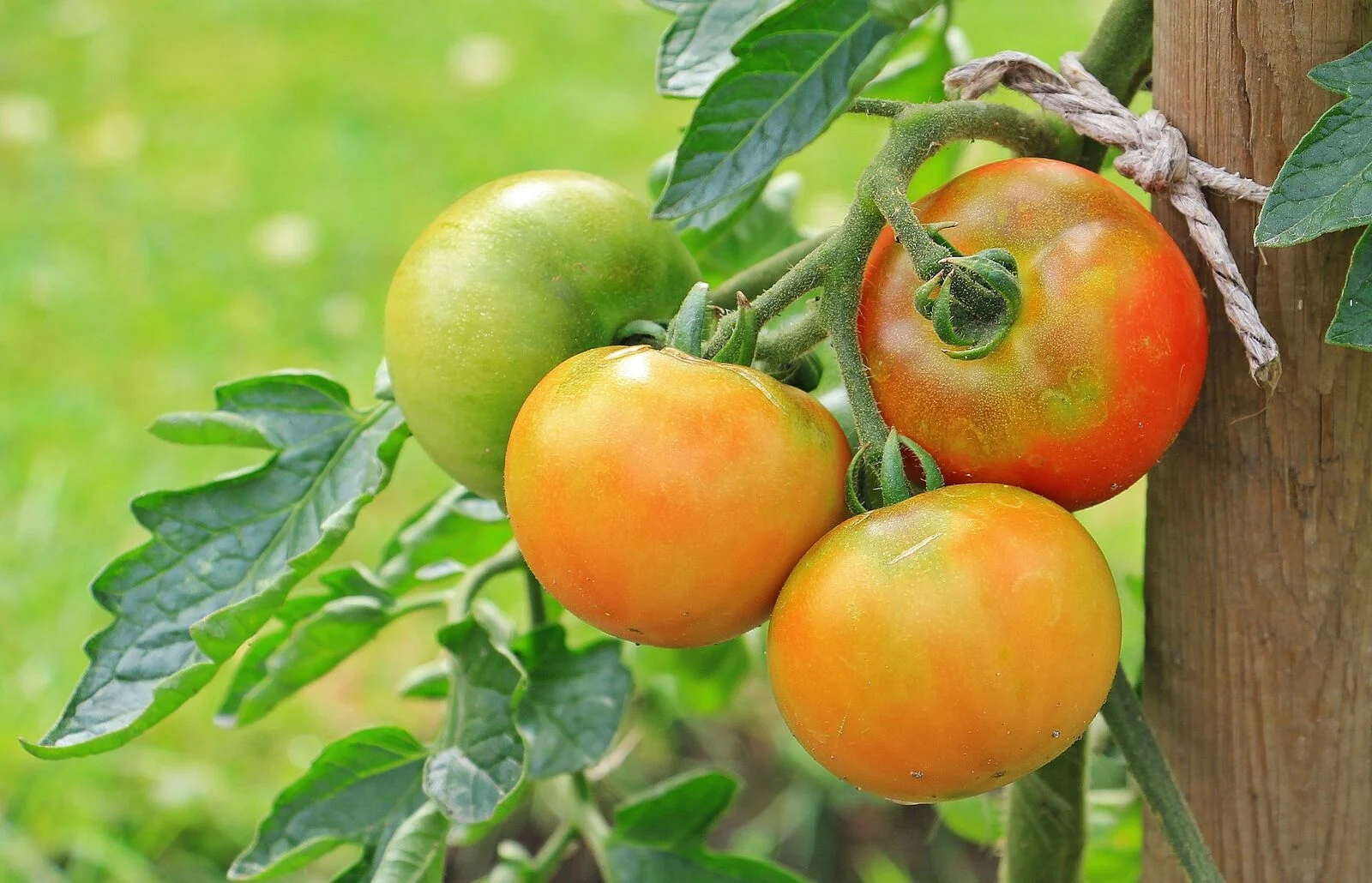
Tomatoes and strawberries have similar nutrient requirements, so special tomato fertilisers are very suitable for your strawberry plants. These fertilisers usually contain more phosphorus and potassium than fertilisers for vegetable plants. In addition, tomato and berry fertilisers often also contain a small amount of magnesium, which also has a positive effect on the quality and growth of the fruit. So if you have little experience with organic slow-release fertilisers and are afraid of over-fertilising, we recommend buying this fertiliser. The packaging will tell you exactly how to apply the fertiliser so that you don't over-fertilise and your plants are well cared for. Make sure it is of good quality, preferably organic, so that the fertiliser does not contain any harmful residues.
DIY Fertiliser: Homemade Remedies & Natural Fertilisers
In addition to fertilisers that you can buy, there are also some home remedies and fertilisers that you can easily make yourself at home. These include coffee grounds fertiliser or plant dips made from nettles. You can also make compost in your own garden and easily create Your Own Compost. If you don't have the space for this, you can also set up a Bokashi Bucket in the kitchen to produce your own organic fertiliser.
Coffee Grounds as Fertiliser for Strawberry Plants
Coffee grounds are a widely used household remedy. These contain the main nutrients in a more appropriate ratio, although nitrogen still dominates. However, these nutrients are generally only present in very small quantities. Therefore, coffee grounds are more suitable for fertilising during the season if you notice deficiency symptoms. Coffee grounds also have an acidic effect on the soil, but this is more of an advantage for strawberries. For many other crops, however, coffee grounds should be used with caution. If you want to fertilise your strawberries with coffee grounds, you should dry them well first. Otherwise, you run the risk of mould forming in the soil. Then mix the coffee grounds with water in a ratio of 1:1 and water the plants with it.
Fertilise Strawberries With Nettle Slurry
Nettle liquid manure is also a good organic liquid fertiliser that contains a lot of nitrogen, potassium and silicic acid. You can therefore also use nettle liquid manure to give your plants a boost during growth. The silicic acid also strengthens your plants, making them more resistant to fungal diseases and pests. Here too, however, the exact composition is unknown, which is why you should not rely solely on nettle manure to fertilise your strawberries. You should also be aware that liquid manure can have a negative effect on the taste of your fruit. Therefore, only fertilise with nettle slurry as long as there is no fruit on the plant. You can find out How to Make and Use Your Own Nettle Slurry in this article.
When to Fertilise Strawberries?
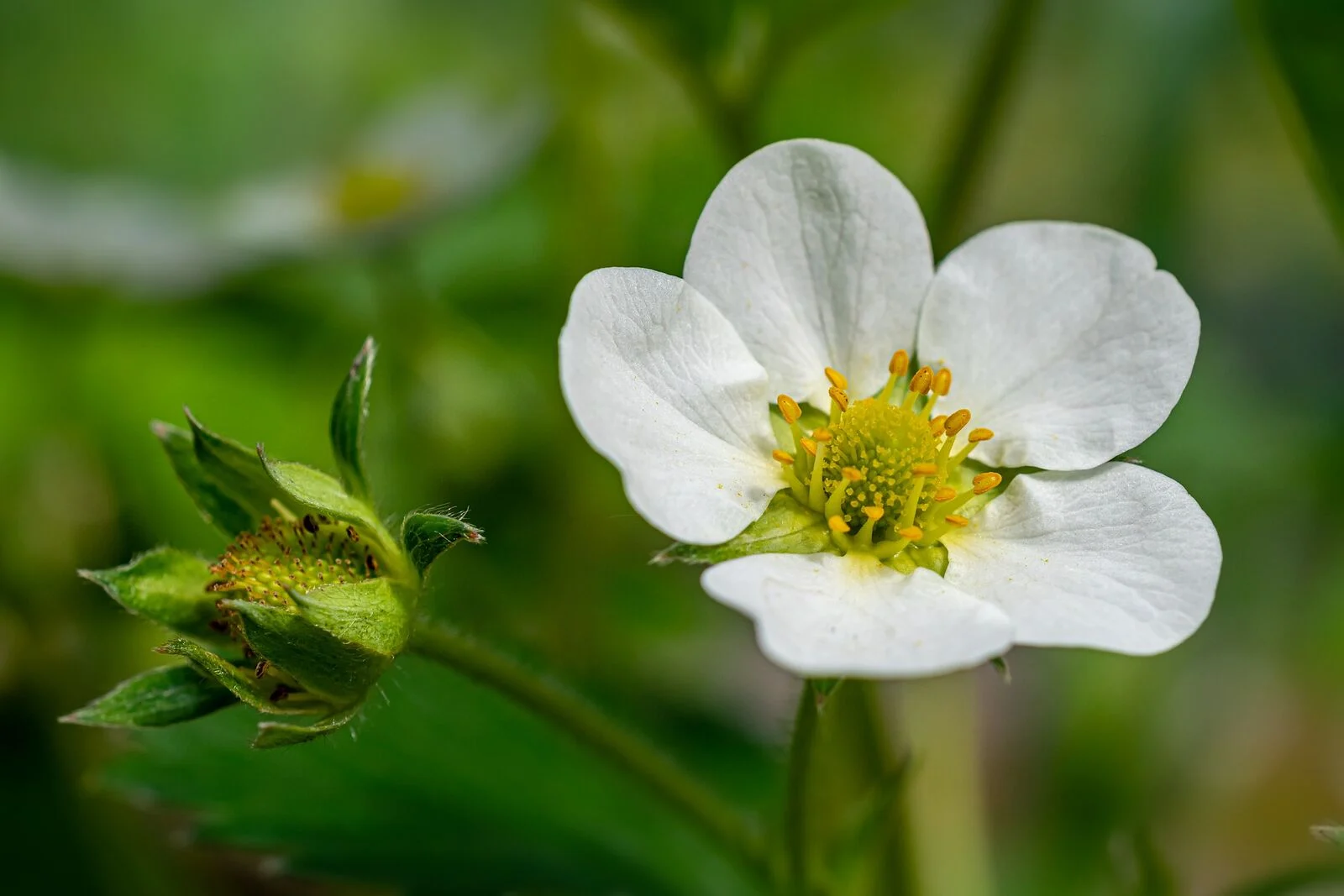
In general, fertilising strawberries is often divided into several applications. As strawberries are perennial plants, they are usually fertilised about once or twice a year. However, this can vary slightly depending on the strawberry variety, as everbearing varieties may need a little more fertiliser than single-bearing strawberries. The first fertilisation is applied in spring when the plants are planted. Normally, the amount of organic fertiliser is then sufficient for the entire year. If you have a very sandy, light garden soil or notice signs of deficiency, you can fertilise again in the spring of the second year. Otherwise, it is sufficient to apply fertiliser again in the autumn after the harvest in the second year. A good supply of nutrients is particularly important after the harvest, as this is when the plant forms new flower buds for the following year.
Fertilising Single-Bearing & Everbearing Strawberry Plants: The Right Time
When fertilising single-bearing and everbearing varieties, the timing and frequency are different. This is because everbearing varieties have a higher nutrient requirement due to the constant production of fruit.
- Single-bearing strawberries are usually only fertilised once in midsummer after the last harvest. For these varieties, it is important to fertilise in autumn and not in spring. Spring fertilisation has little effect on your harvest, as the flower buds of the strawberries are already laid in the previous autumn before the winter dormancy. To ensure that the plant is well supplied with nutrients, you should ensure a good water supply.
- Everbearing strawberry varieties are also fertilised several times during the growing season. Start by fertilising in spring with slow-release organic fertiliser and then provide the plants with organic liquid fertiliser at regular intervals if necessary. You can then apply fertiliser approximately every 4 to 6 weeks. Even after the last harvest, they will appreciate a fertiliser application with organic slow-release fertiliser such as horn shavings. Keep a close eye on your plants and react if you notice any deficiency symptoms. But don't over-fertilise either, as this will make the strawberries more susceptible to disease.
Examples of popular strawberry varieties and a List of Single-Bearing and Everbearing Varieties can be found in this article.
If you have any questions or comments, please write to us at [email protected] or share your experiences with us on social media.
Would you like to receive helpful gardening tips all year round and plan your own beds optimally? Then register here or download the Fryd app for Android or iOS.
Fryd - your digital bed planner
Cover picture by Pitsch on Pixabay.

Marie
Marie ist Agrarwissenschaftlerin. Sie interessiert sich besonders für den nachhaltigen und ökologischen Anbau von Gemüse und anderen Pflanzen. Im eigenen Garten sammelte sie dabei Erfahrungen und probiert sich gerne aus, um von der Natur zu lernen. Dabei liegen ihr Werte und Prinzipien der Permakultur besonders am Herzen, um neben dem Wohl für die Natur, auch für das Wohlergehen der Menschen und zukünftiger Generationen beizutragen.
Learn MoreCurrent Topics in the Community
Liked 1 times
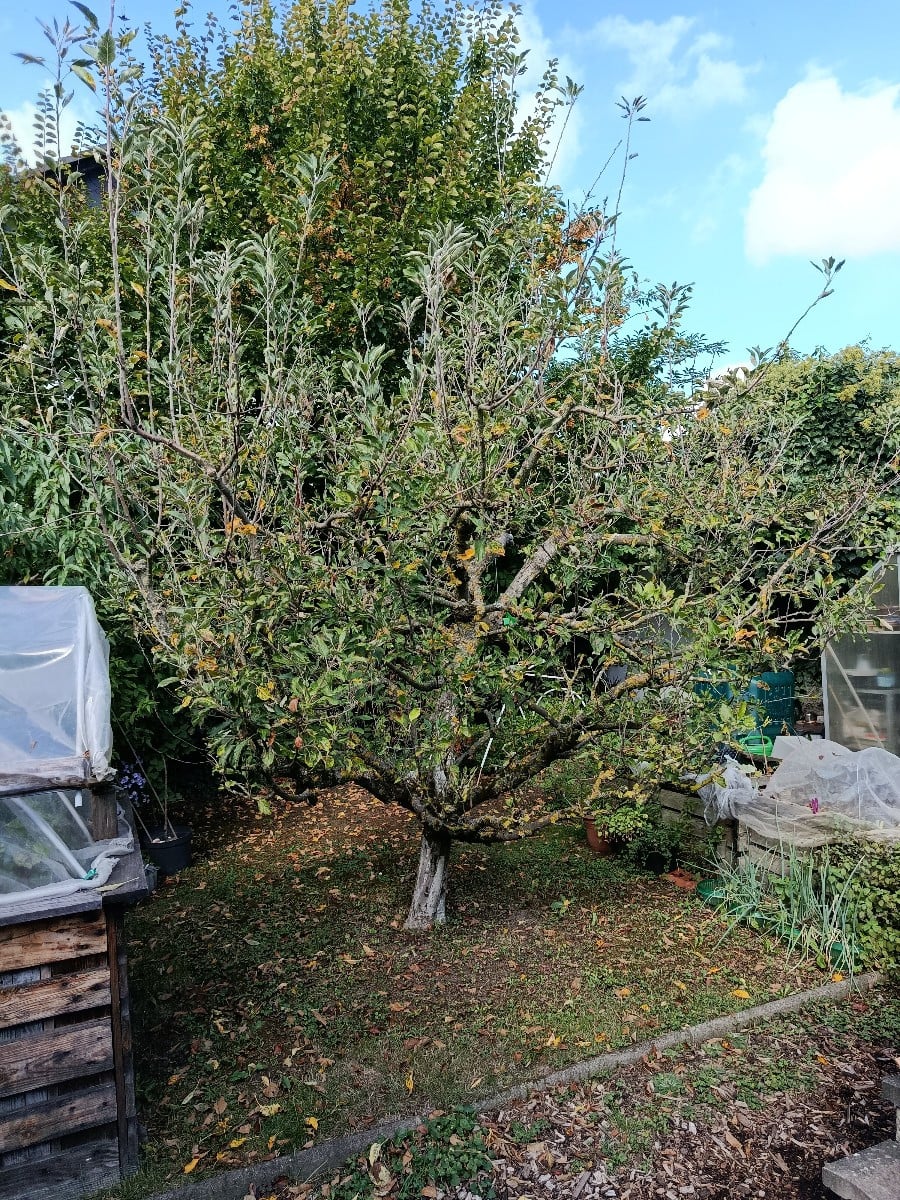
Today is a sad day. My Cox Orange was carefully cut down. I tried everything over the years, but nothing worked. Part of the problem was my choice of variety, the wrong location, improper pruning when it was young, and the hot summers. I think letting go is also part of taking responsibility, and it makes room for something new and different. Let yourself be surprised!
Liked 1 times
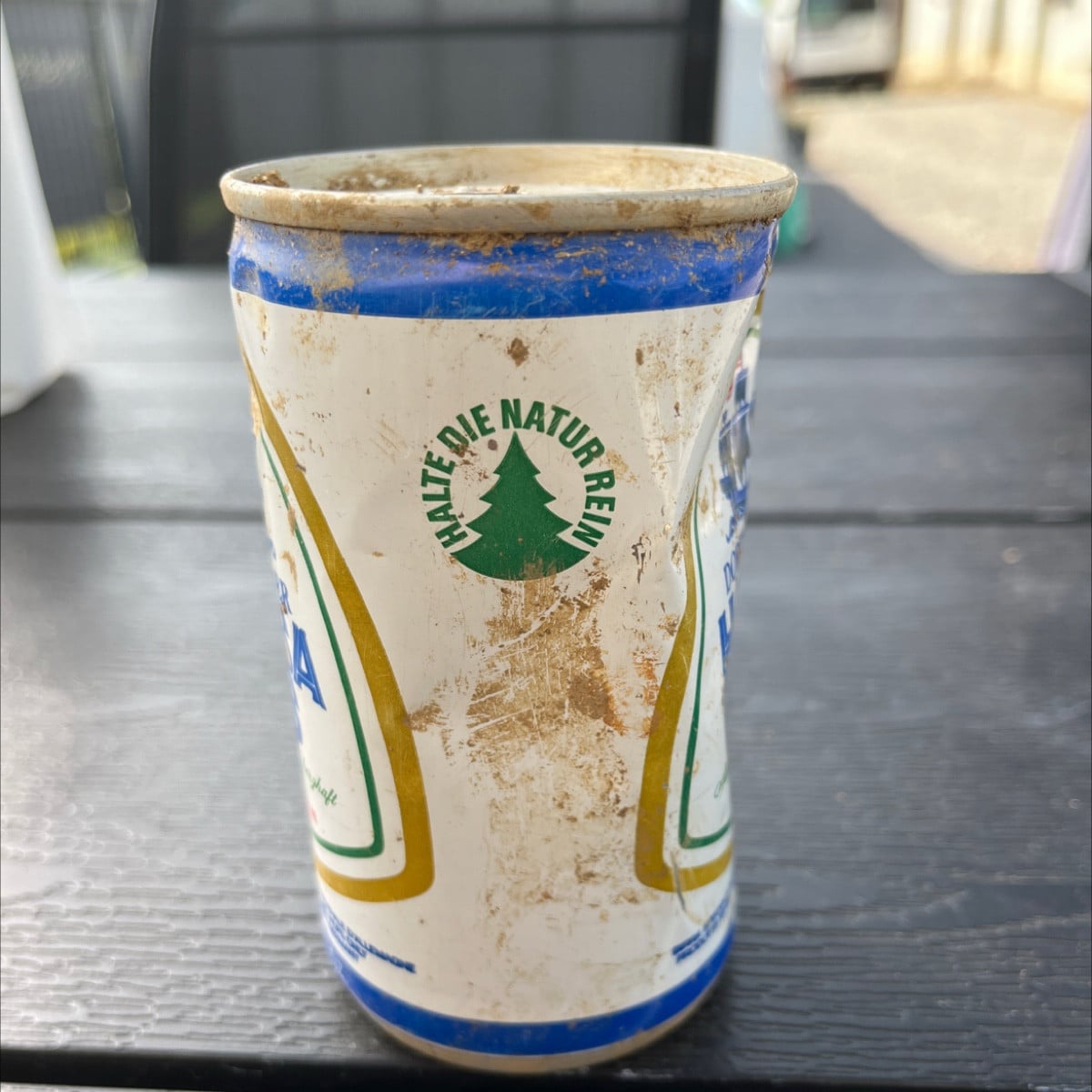
Found this today. According to Google, the can was manufactured in the 1980s. It seems the slogan "Keep nature clean" wasn't exactly put into practice.

Hi, we have pumpkins that are firm and green but sound hollow; they're still on the plant. How can I tell if they're ripe? I tried to upload a photo, but it didn't work....
Popular Articles


FAQ
Which fertiliser for strawberries?
Strawberries mainly need a lot of potassium and phosphorus, but relatively little nitrogen. A tomato fertiliser with a suitable nutrient profile is therefore very suitable. Alternatively, you can also mix organic fertilisers such as compost, horn shavings, manure, coffee grounds or plant feeds.
What is the best fertiliser for strawberries?
The best fertiliser is special berry and tomato fertiliser, as the nutrient composition is clear and you will already find quantity information on the packaging. With organic fertilisers, the nutrient composition varies, which can be a challenge.
When is the best time to fertilise strawberries?
Strawberries are best fertilised the first time they are planted. Depending on the strawberry variety, it is advisable to fertilise again in spring and during the season (repeat-fruiting varieties). Otherwise, you should fertilise again in the autumn of the second year after the last harvest.
How often to fertilise strawberries?
The frequency depends a little on the variety. Fertilise single-bearing varieties once or twice a year. You should also fertilise repeat-fruiting varieties about every 4 to 6 weeks during the growing season.