
Cucumber varieties: About salad cucumbers and pickles
In this article, we give you an overview of the different cucumber varieties. Depending on how you intend to process them and their intended location, you'll need to find the right cucumber for your needs. You can choose between numerous salad and pickling cucumbers. There are also white, yellow and prickly cucumber varieties that add variety to the kitchen. You can find a list of organic, seed-resistant varieties here.
This Article Contains:
- Cucumber varieties at a glance
- Planting snake cucumbers: Good to know
- Cucumbers in the greenhouse: popular varieties
- Planting pickling cucumbers: Gherkins for pickling
- Outdoor cucumbers: country cucumbers, gherkins
- Planting cucumbers in pots: snack cucumbers, mini cucumbers
- Powdery mildew in cucumbers: resistant, robust varieties
- Special cucumber varieties: rare rarities
- Box cucumbers: What is that?
- Table: List of organic, seed-resistant cucumber varieties
- Frequently asked questions about cucumber varieties
Quick Overview
Cucumber varieties for the greenhouse and open field
- Arola
- Delicacy
- Dean
- Kiwano
- Marketmore
- Persika
- Qualitas
- Russkaya
- Tanya
- Foothills grapes
Cucumber varieties for growing in pots
- La Diva
- Lemon
- Liefje
- Melithoria
- Vert Petit de Paris
- White Wnder
Cucumber varieties at a glance
Cucumbers belong to the gourd family (Cucurbitaceae) and form a separate species. There are numerous varieties of garden cucumbers. Probably the best known and most important varieties in our latitudes are the snake cucumbers (also known as salad cucumbers) and the pickling or gherkin cucumbers. The different cucumber varieties offer an impressive variety for gardeners and connoisseurs alike.
You should choose a suitable variety depending on processing, location, available space and weather conditions. If you want to enjoy fresh cucumbers, choose salad cucumbers. If your aim is to pickle cucumbers, grow pickling cucumbers. As a self-sufficient grower, it is best to grow both types of cucumber so that you can also enjoy your harvest in winter. We explain below which varieties are suitable for growing in a greenhouse or outdoors.
Planting snake cucumbers: Good to know
These long, slender cucumbers are the most commonly grown and eaten cucumbers in our part of the world. You may also know them as salad cucumbers, which indicates that they are popular fresh in salads or on sandwiches. These cucumbers have a smooth or slightly ribbed, dark green skin and produce particularly large fruits. Salad cucumbers are usually between 20 and 30 centimetres long and are therefore the longest cucumbers. These cucumber varieties are usually grown under protection in polytunnels or greenhouses.
Land cucumbers are an exception here. These cucumber varieties are also snake cucumbers, but usually have a thicker skin with small spines. These varieties are more robust and can also be cultivated outdoors. They only grow between 10 and 20 cm long and are therefore significantly smaller. Country cucumbers are also known as braised cucumbers and are often used as a vegetable in hot dishes.

Cucumbers in the greenhouse: popular varieties
Strong-growing cucumber varieties with large fruits benefit from cultivation in a greenhouse and therefore produce higher yields. Here you have the option of letting the cucumber plants tendril, higher temperatures and a protected location. This is why snake cucumbers are usually cultivated in greenhouses. However, there are also varieties that grow well outdoors. These cucumbers are then marketed as land cucumbers. You can therefore plant most cucumber varieties in a greenhouse.
List of popular cucumbers:
- Marketmore': A robust, bitter-free cucumber with 20-25 cm long, dark green fruits. It is suitable for covered and open field cultivation and is resistant to various cucumber diseases.
- Arola': A very robust cucumber that can also be grown outdoors without any problems. It is resistant to pests and diseases, with a stronger skin and an intense cucumber flavour
- 'Persika': Nutrient-demanding vesper cucumber with smooth-skinned fruits that grow up to 20 cm long. Suitable for growing outdoors or in a greenhouse.
- 'La Diva': A versatile mini cucumber for outdoor, greenhouse and tub cultivation. It is resistant to powdery mildew and produces smooth-skinned, low-seeded and bitter-free fruits around 20 cm long.
- Qualitas': A strong-growing, nutrient-demanding cucumber with early and abundant lateral shoot formation. It is suitable for greenhouse and outdoor cultivation and is resistant to cucumber scabies. Its bitter-free fruits have only a small proportion of seeds.

Plant Knowledge at a Glance
Want to get to know your plants without digging through thick books? In the Fryd Lexicon, you’ll quickly find all the essentials about different plant types and varieties — from sowing, planting, and harvest times to companion planting, location tips, and care advice.
Explore the Lexicon NowPlanting pickling cucumbers: Gherkins for pickling
Gherkins produce smaller, firm fruits that are perfect for pickling, fermenting and preserving. These cucumber varieties are mainly grown outdoors. In general, pickling cucumbers are significantly smaller than cucumbers grown in greenhouses and are only between 5 and 15 cm long. There are varieties with smooth or spiky skin and different sizes. The hilly skin, firm texture and irregular shape give them a good texture when pickling.

These cucumbers are suitable for pickling:
- Lemon': An heirloom variety with round, yellow fruits that are about the size of lemons. They have a delicious, refreshing cucumber flavour and are suitable for fresh consumption as well as for salads. The lemon cucumber is an excellent alternative to the conventional snack cucumber. It can be grown both outdoors and in protected containers.
- Delikateß': This pickling cucumber is a tried and tested variety that is characterised by its excellent taste and crunchiness. It is particularly suitable for pickling and has good resistance to diseases and pests.
- Foothills Grapes': A high-yielding, robust pickling variety with prickly skin and grape-shaped fruit clusters. It is suitable for pickling as gherkins or the larger fruits as mustard gherkins.
Outdoor cucumbers: country cucumbers, gherkins
Most organically produced varieties are quite robust and can be cultivated both in the greenhouse and outdoors. In addition to land cucumbers, you can usually also cultivate gherkins outdoors. In addition to the varieties already mentioned, there are other cucumber varieties that you can grow outdoors.
- Russkaja': A robust outdoor cucumber that produces a variety of fruits. Young cucumbers are green and turn orange-brown when ripe. You can harvest and process the fruit at all stages. Raw, they make a delicious salad cucumber, but can also be cooked or pickled as a mustard cucumber.
- 'Bono': Outdoor cucumber with large, dark green fruits that are not very prickly. Also suitable as a box cucumber for growing in cold frames. This variety is particularly popular when eaten fresh.
- Gundel': High-yielding variety that is well suited for outdoor cultivation. Its fruits produce virtually no bitter substances and have a particularly delicate flavour. This variety is therefore particularly suitable for salads and fresh consumption.
- 'Tanja': A high-yielding, bitter-free land cucumber with dark green, elongated fruits that grow to a length of 20-30 cm. They also have a firmer skin and are particularly crunchy and juicy on the inside.
Planting cucumbers in pots: snack cucumbers, mini cucumbers
Cucumbers can be grown well in pots, which makes them a perfect crop for the balcony. Choose a large pot with a capacity of around 20 to 40 litres and a depth of 40 cm. It is better to choose a larger pot, as this way you will benefit from greater water retention when watering. This means the plant won't dry out as quickly. To prevent waterlogging, the pot should have drainage holes.
For space-saving cultivation in a pot, it is best to choose small varieties with compact growth. Snack and mini cucumbers are a good choice for this, as the fruits do not grow too large. In addition to the aforementioned varieties'La Diva' and'Lemon', there are other varieties that you can grow in pots.
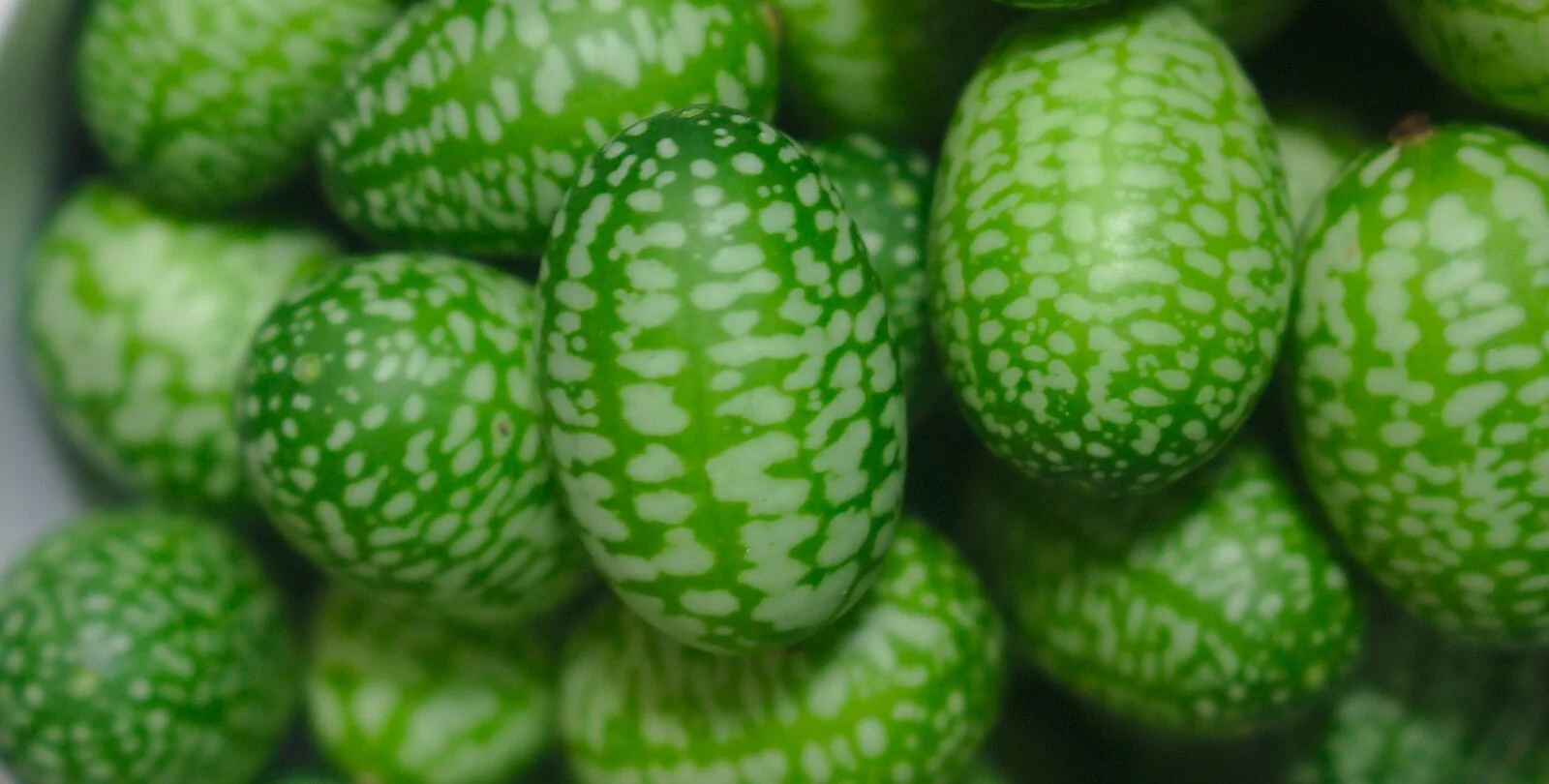
Cucumber varieties for the pot:
- Melithoria': A high-yielding climbing plant that produces countless green and white marbled mini fruits. The small cucumbers are crunchy and aromatic and are ideal for snacking and pickling.
- Vert Petit de Paris': A traditional pickling cucumber from Paris that produces compact 8 cm long fruits. It can be grown outdoors, in the open field or in pots.
- Liefje': This cucumber variety produces green, slightly prickly fruits that can be eaten raw. It is quite hardy and grows branched. It is well suited for growing in pots.
Powdery mildew in cucumbers: resistant, robust varieties
Powdery mildew is a disease that many gardeners have to contend with. Therefore, varieties that are resistant to mildew are important to ensure a good yield. If you sow and plant mildew-resistant varieties directly, you may save yourself a lot of trouble.
Powdery mildew-resistant cucumber varieties:
- ,Marketmore'
- ,La Diva'
- Dean
- ,Arola'
Apart from the choice of variety, good air circulation in the bed is also important to prevent mildew. It is therefore essential to maintain the planting distances and, if possible, water from below. If you are growing in a greenhouse, you should ventilate it regularly. There are also some companion plants that prevent mildew, such as basil.
Special cucumber varieties: rare rarities
- Sikkim cucumber from Transylvania': This robust, high-yielding variety also grows well outdoors. Its cucumbers can be used fresh, but also cooked as braised or pickled cucumbers. The cucumbers change colour from bright green to yellow to brown and the skin becomes cracked like a net. The ripened, brown-skinned cucumbers can be stored and remain juicy and tasty for a surprisingly long time.
- Snake-hair cucumber': This fast-growing variety is a special rarity. It is particularly heat-loving and should definitely be grown in a greenhouse. It produces very large fruits that can grow up to 1 m long and are eaten cooked. The taste is very special and is reminiscent of asparagus, peas and cucumbers.
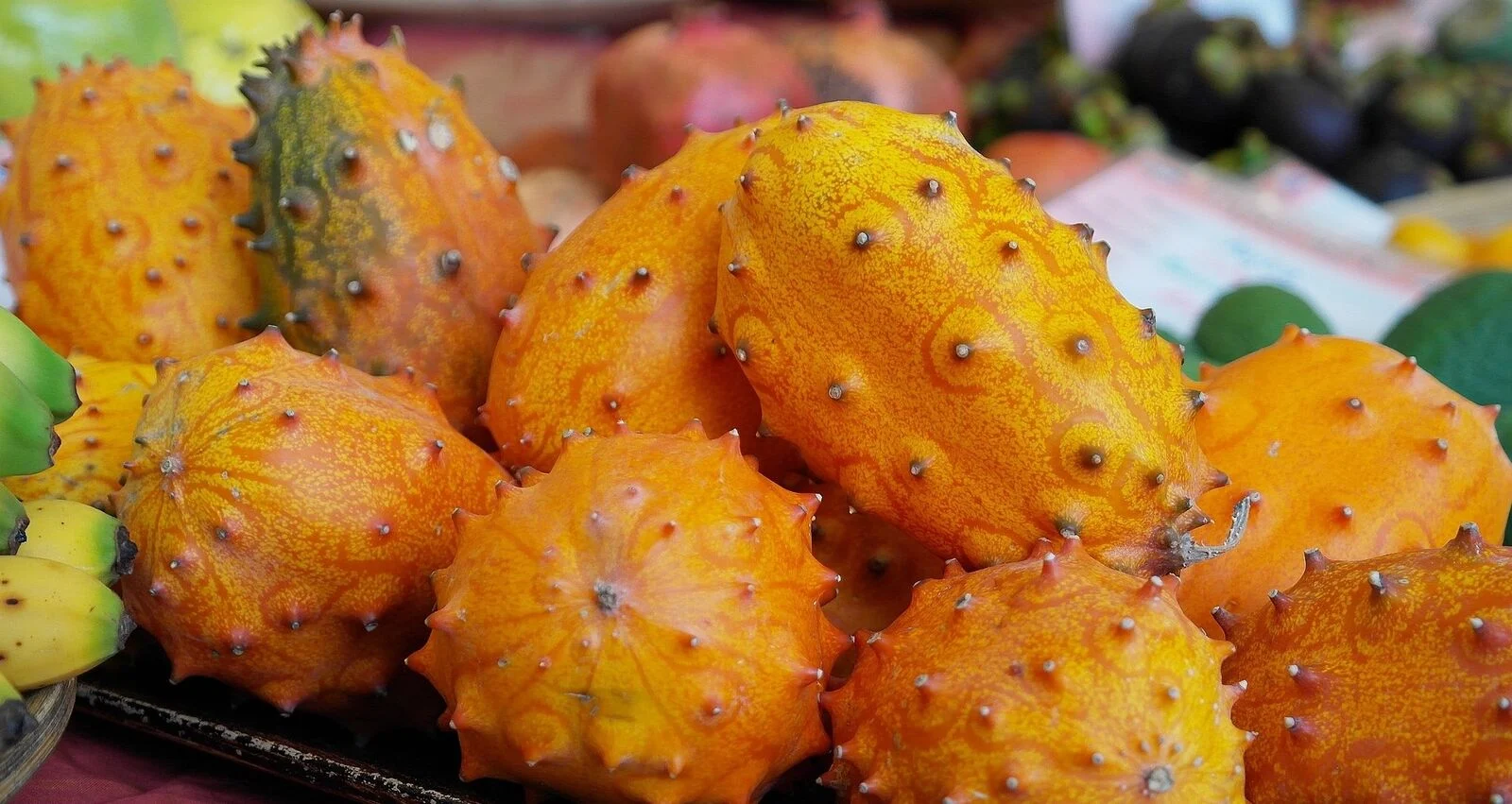
Cucumber varieties with spines
- 'White Wonder': An old cucumber variety with slightly prickly, crunchy cucumbers in pastel shades from snow-white to cream-coloured. This cucumber variety can be grown outdoors or on the balcony.
- Prickly cucumber'Kiwano': This cucumber variety is very prickly and produces green to orange-yellow fruits. The flesh is jelly-like and has a taste reminiscent of melon, kiwi and banana. Due to the firm skin, these cucumbers can be stored for several months.
Box cucumbers: What is that?
As the name suggests, box cucumbers are special varieties that can be grown in cold frames. The 'Tanja' variety was originally cultivated as a box cucumber, but today it is often grown on the windowsill. An old, proven variety is the 'Bautzener Kastengurke'. It is high-yielding and forms yellow stripes along the fruit.
Table: List of organic, seed-resistant cucumber varieties
| Suitable as a salad cucumber | Suitable as a gherkin | suitable for outdoor cultivation | Suitable for greenhouses | Suitable for growing in pots | mildew-resistant variety | |
|---|---|---|---|---|---|---|
| Arola | x | x | x | x | ||
| Bono | x | x | ||||
| Delikateß | x | x | x | x | ||
| Dekan | x | x | x | x | x | |
| Gundel | x | x | ||||
| Kiwano | x | x | x | |||
| La Diva | x | x | x | x | x | |
| Lemon | x | x | x | x | x | |
| Liefje | x | x | x | |||
| Marketmore | x | x | x | x | ||
| Melithoria | x | x | x | x | ||
| Persika | x | x | x | |||
| Qualitas | x | x | x | |||
| Russkaja | x | x | x | x | ||
| Schlangenhaargurke | x | x | ||||
| Sikkimgurke aus Siebenbürgen | x | x | x | x | ||
| Tanja | x | x | x | |||
| Vert Petit de Paris | x | x | x | x | ||
| Vorgebirgstrauben | x | x | x | |||
| White Wonder | x | x | x | x | x |
If you have any questions or comments, please write to us at [email protected]. Would you like to receive helpful gardening tips all year round and plan your own beds optimally? Then register here or download the Fryd app for Android or iOS.
Fryd - your digital bed planner
Cover picture by Daniel Dan outsideclick on Pixabay.

Marie
Marie ist Agrarwissenschaftlerin. Sie interessiert sich besonders für den nachhaltigen und ökologischen Anbau von Gemüse und anderen Pflanzen. Im eigenen Garten sammelte sie dabei Erfahrungen und probiert sich gerne aus, um von der Natur zu lernen. Dabei liegen ihr Werte und Prinzipien der Permakultur besonders am Herzen, um neben dem Wohl für die Natur, auch für das Wohlergehen der Menschen und zukünftiger Generationen beizutragen.
Learn MoreCurrent Topics in the Community
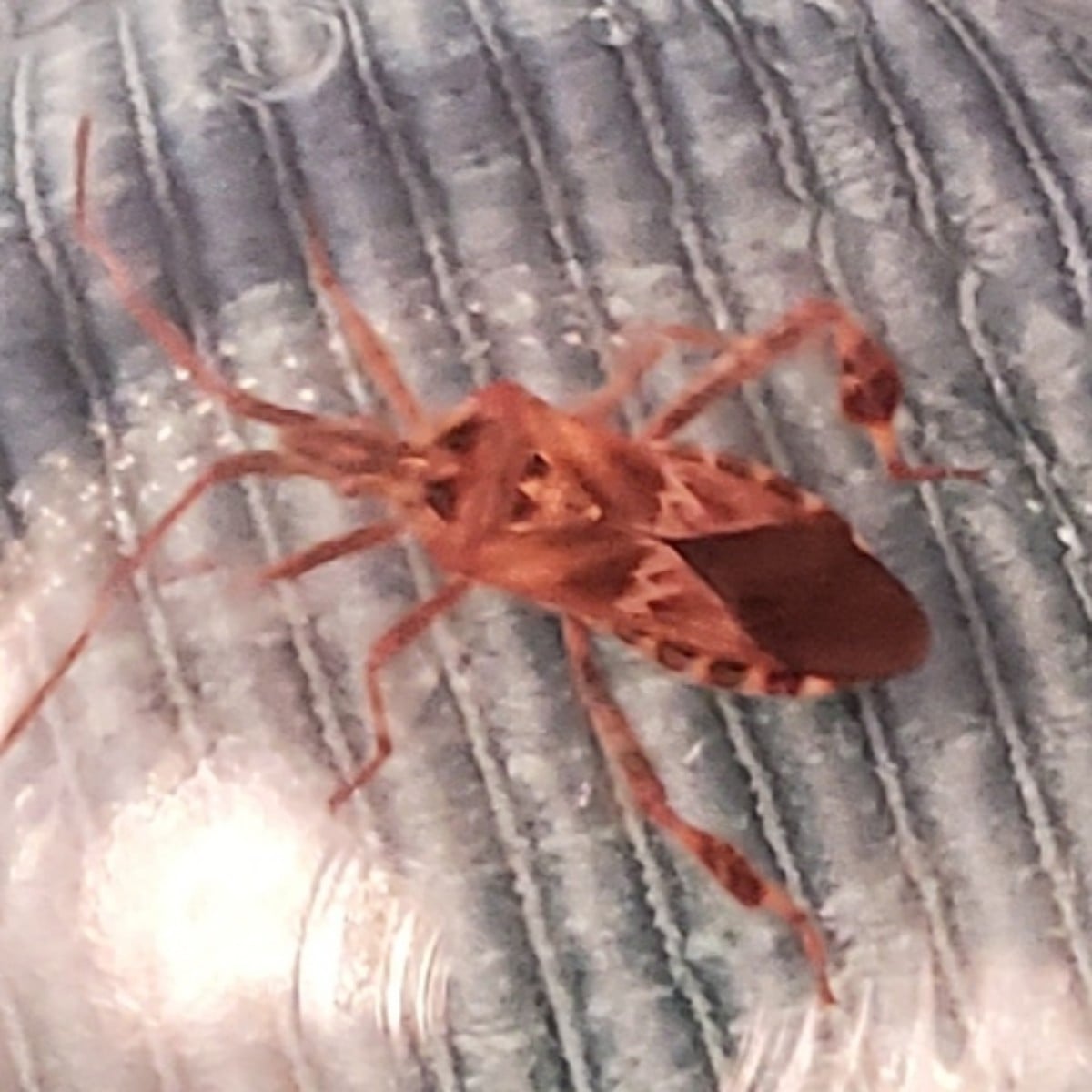
...This American pine or cone bug (Leptoglossus occidentalis) has also noticed that fall is coming! Found in Europe since 1999, it’s yet another import from North America that we really don’t need 🙄. At this time of year, they like to knock on the front door 😳 and ask to be let in so they can spend the winter indoors. Category: Pests! I sent it on its way to Hoek van Holland—maybe it’ll find a friendlier host there 🤷 ...Unfortunately, I don’t have a better photo to share 🤷
Show 1 answer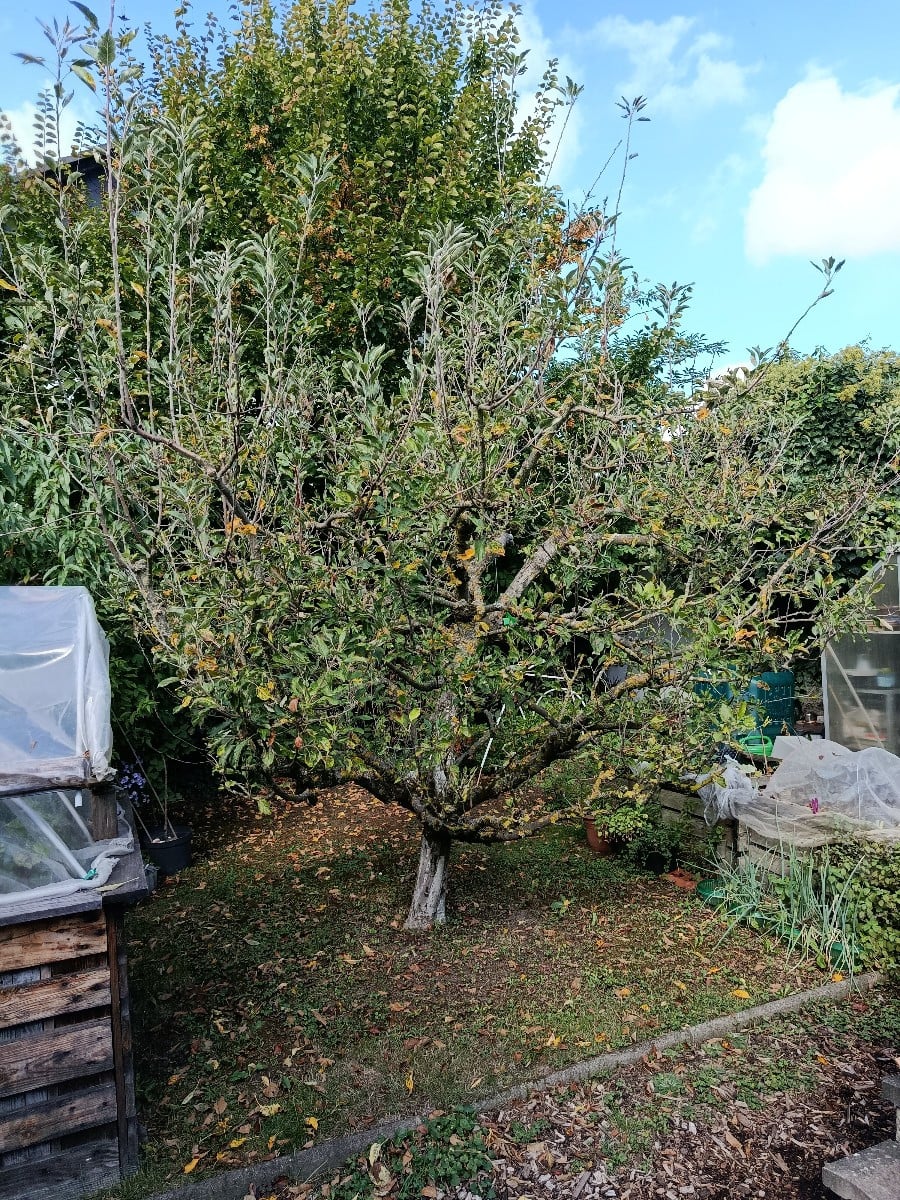
Liked 5 times
Today is a sad day. My Cox Orange was carefully cut down. I tried everything over the years, but nothing worked. Part of the problem was my choice of variety, the wrong location, improper pruning when it was young, and the hot summers. I think letting go is also part of taking responsibility, and it makes room for something new and different. Let yourself be surprised!
Show 2 answers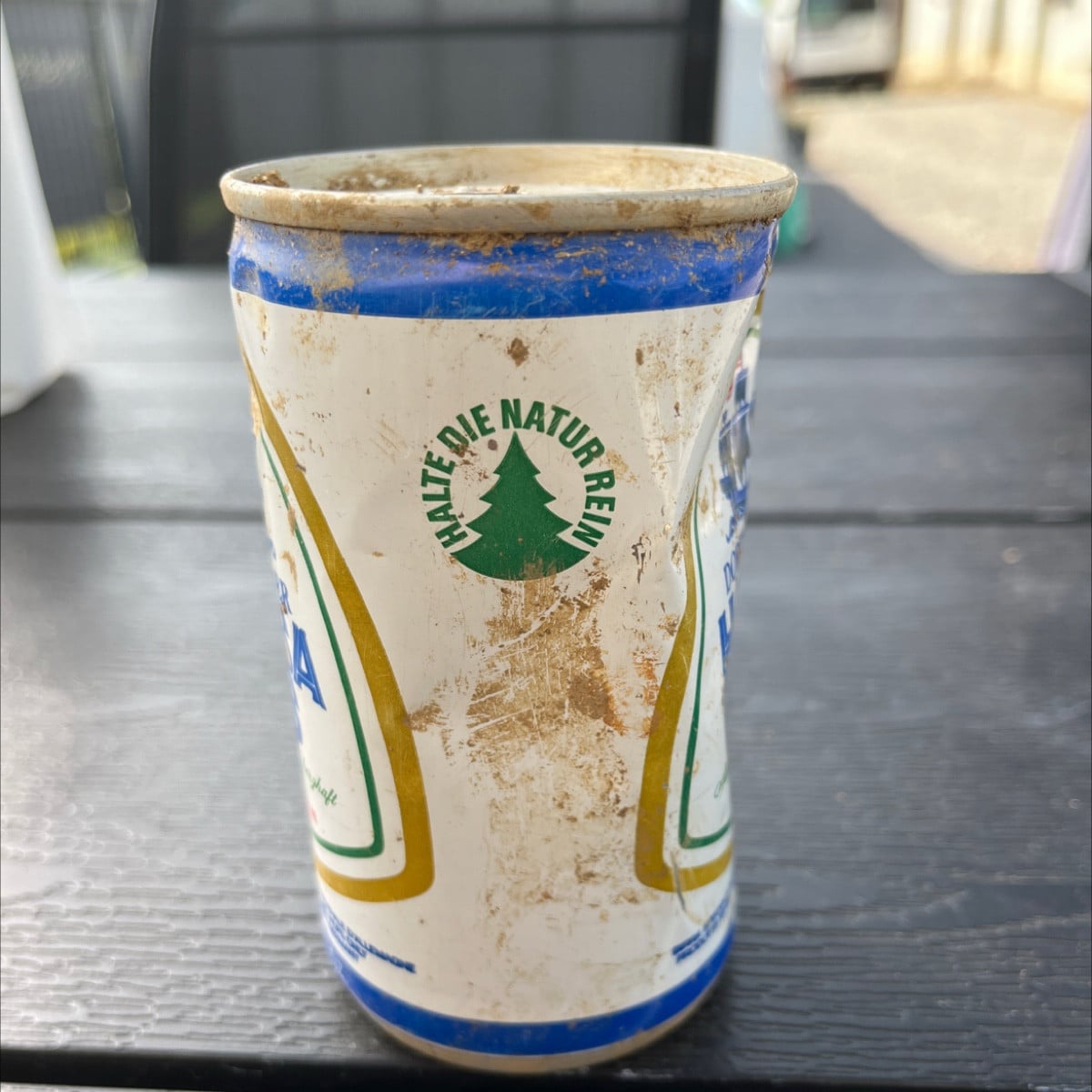
Liked 3 times
Found this today. According to Google, the can was manufactured in the 1980s. It seems the slogan "Keep nature clean" wasn't exactly put into practice.
Show 1 answerPopular Articles


FAQ
Which varieties are suitable for pickling cucumbers?
There is a wide variety of different pickling cucumbers. However, tried and tested varieties include 'Delikateß' and 'Vorgebirgstrauben'. An old rarity among pickling cucumbers is the 'Lemon' cucumber with yellow fruits.
Which varieties are mildew-resistant?
If you are struggling with mildew in your garden, it is best to sow or plant mildew-resistant varieties such as Marketmore, La Diva, Dekan or Arola. This may save you a lot of trouble.
Can you plant cucumbers in a pot?
Cucumbers can easily be grown in pots with a climbing support. Small-growing varieties such as 'La Diva' and 'Lemon' are particularly suitable for this. Choose a pot with a capacity of 20-40 litres.