
Collect & Eat Daisies: Tips on the Healing Properties
The daisy is a widespread wild plant. As an early bloomer, it is a valuable source of food for insects, but it is also a great medicinal plant for humans. You can find out how and when to collect daisies and what medicinal effects they have here in this article.
This Article Contains:
Quick Overview
Collecting Daisies (Bellis Perennis): Profile of a Medicinal Herb
- Plant family: Compositae (Asteraceae)
- Genus: Daisy (Bellis)
- Growth: perennial, hardy and persistent wild plant
- Habitat: robust plant that can adapt to all kinds of locations and can be found in meadows, roadsides, gardens and lawns
- Edible or poisonous: It is edible and very healthy. As a medicinal plant, it supports detoxification, the immune system and digestion.
- Use: Add fresh or dried flowers and leaves to food or drink as a tea. External use on the skin is also possible.
Daisy (Bellis Perennis): An Early-Flowering Wild Herb
The daisy (Bellis perennis) is part of the daisy family (Asteraceae) and forms its own genus of daisies (Bellis). Bellis perennis is a hardy, perennial and perennial wild plant that is also often collected for its medicinal properties. All parts of the plant are edible and very healthy.

The daisy is one of the first flowering plants of the year.
A Sign of the Start of Spring...
The daisy is one of the first flowering plants of the year.
The daisy is also known as the May or Easter flower. It is one of the first wild flowers to bloom in spring. It is therefore often associated with the beginning of spring. Daisies therefore also stand for the new beginning of nature.
They are also often associated with Ostera - a Germanic goddess who stands for new beginnings, fertility and spring.

The daisy flowers almost all year round.
Flowering Time: When Do Daisies Bloom?
The daisy flowers almost all year round.
The daisy flowers almost all year round, as long as it is not too cold and there is no snow. The flowering period usually begins in March and extends into November, depending on the location and region.
The Latin name Bellis perennis means “eternally beautiful”, which is derived from the long flowering period.

The daisy closes its flowers in the dark and when it rains.
The Daisy Loves the Sun
The daisy closes its flowers in the dark and when it rains.
The flowers love the light and usually lean towards the sun. At sunset, the flowers close again. And even when it rains, the daisy prefers to close its flowers to protect itself.
Location: Where Does the Daisy Grow?
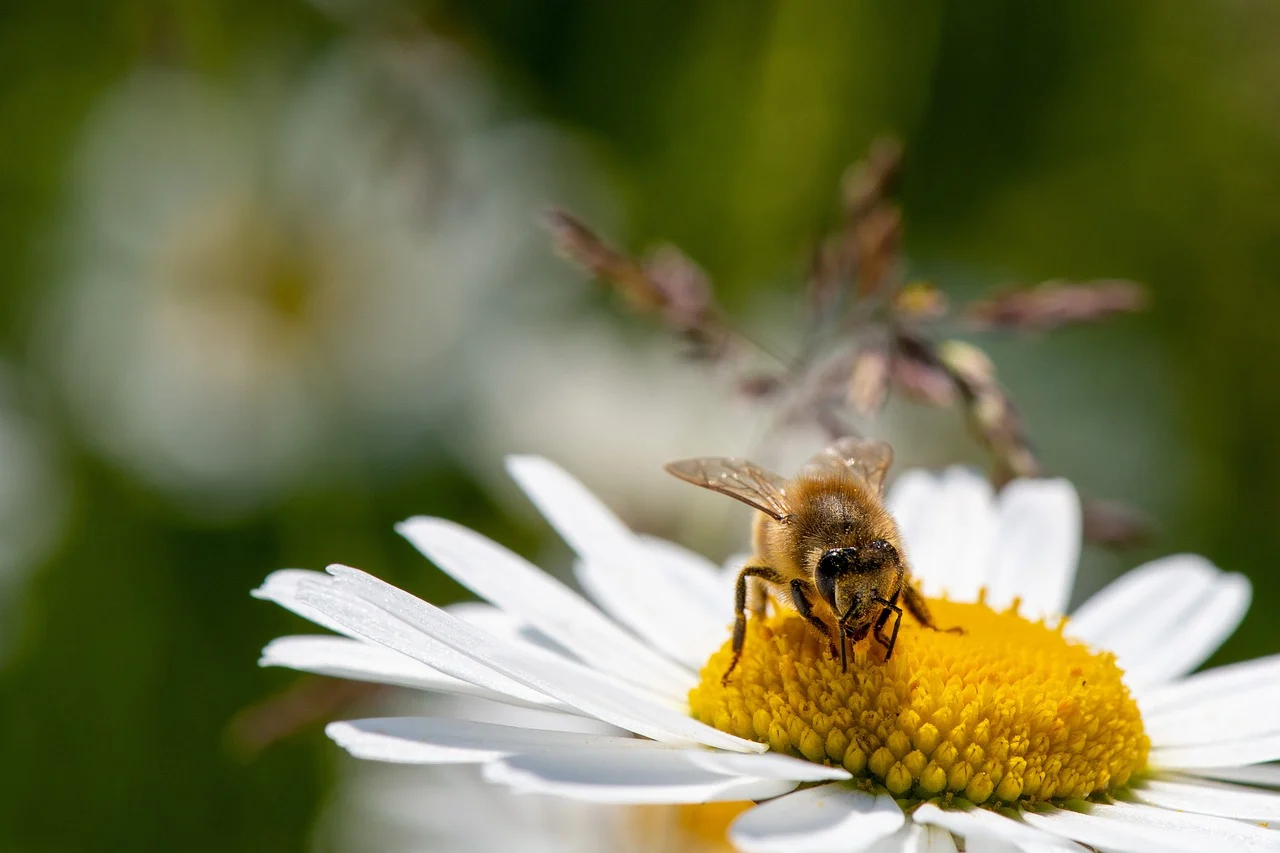
The daisy is a true survivor and super robust. It grows almost everywhere on meadows, in gardens, along roadsides and even on lawns that are regularly mown. As a native plant, the daisy is a useful weed for your garden in Central Europe and also in parts of America. It also provides food for insects and pollinators early in the year, which attracts beneficial insects and can promote biodiversity in your garden.
Can You Eat Daisies?
The daisy is edible and has many valuable ingredients, making it a potent medicinal plant and a healthy addition to the kitchen. You can add the flowers and leaves fresh to salads, soups or sauces. The leaves and flowers taste slightly nutty and mild. Alternatively, you can also dry them and brew them as tea.

Ever Feel Lost in the Garden? Connect With Others!
In the Fryd community, you’ll find friendly and helpful gardeners ready to share ideas, give advice, and celebrate wins (and failures) together. Gardening is just more fun when you’re not doing it alone.
Join the Community NowRecipe Idea: Pickled Daisy Buds
Did You Know That You Can Pickle Daisies?
You can pickle the buds of the flowers like capers. All you need is apple cider vinegar, water, salt, sugar and tightly closed daisy buds. For closed flowers, it is best to collect them when it is dark. Optionally, you can add herbs that you like, such as thyme, bay leaf or rosemary.
And This Is How It Works:
- Wash the buds thoroughly and drain them
- Make a stock with 150 ml/5.2 fl oz vinegar and 150 ml/5.2 fl oz water, a little salt and sugar
- Allow to simmer and add the spices
- Place the buds in a clean jar
- Pour the hot stock over them so that the buds are covered
- Close the jar, leave to cool and infuse for a week

Daisy
Collecting Daisies: Growth & Appearance
Daisy
The daisy is a small, herbaceous plant that grows between 5 and 20 cm/2 to 7.9 in tall. The wildflower forms numerous small white flowers that grow individually from the rosette of leaves. The flower heads catch the eye with their bright yellow centre, which is surrounded by white and sometimes soft pink-red petals. The leaves lie close to the ground and are slightly hairy. The flower stalk is unbranched and also slightly hairy, like the leaves.
Daisy as a Medicinal Plant: Medicinal Effects and Use
As already mentioned, the daisy has a variety of ingredients with positive effects on the body. To benefit from these effects, you can, for example, make a tea or eat the flowers and leaves fresh. You can use the tea internally and drink it, or use it as a poultice for your skin. You can also make ointments and tinctures for use on the skin.

The daisy was named the medicinal plant of 2017.
Healing Effect on the Body
The daisy was named the medicinal plant of 2017.
It helps with coughs and colds as it has an expectorant and soothing effect on the respiratory tract. This is due to the saponins in the plant. In addition, flavonoids and vitamin C strengthen the immune system and have an antioxidant effect. The bitter substances in daisies stimulate digestion and metabolism and promote detoxification of the body.

The daisy has a healing effect on the skin.
Healing Effect on the Skin
The daisy has a healing effect on the skin.
Daisies are used externally to heal wounds, as they have an anti-inflammatory and soothing effect on the skin. The tannins in daisies are particularly effective against inflammation, bruises, contusions, bruises, insect bites, burns, muscle pain, boils, cradle cap, itching and acne. It has also been used since the Middle Ages as a dressing for broken bones (see: Nikolaus Frauenlob).
If you have any questions or comments, please write to us at [email protected]. Would you like to receive helpful gardening tips all year round and plan your own beds optimally? Then register here or download the Fryd app for Android or iOS.
Fryd - your digital bed planner

Marie
Marie ist Agrarwissenschaftlerin. Sie interessiert sich besonders für den nachhaltigen und ökologischen Anbau von Gemüse und anderen Pflanzen. Im eigenen Garten sammelte sie dabei Erfahrungen und probiert sich gerne aus, um von der Natur zu lernen. Dabei liegen ihr Werte und Prinzipien der Permakultur besonders am Herzen, um neben dem Wohl für die Natur, auch für das Wohlergehen der Menschen und zukünftiger Generationen beizutragen.
Learn MoreCurrent Topics in the Community
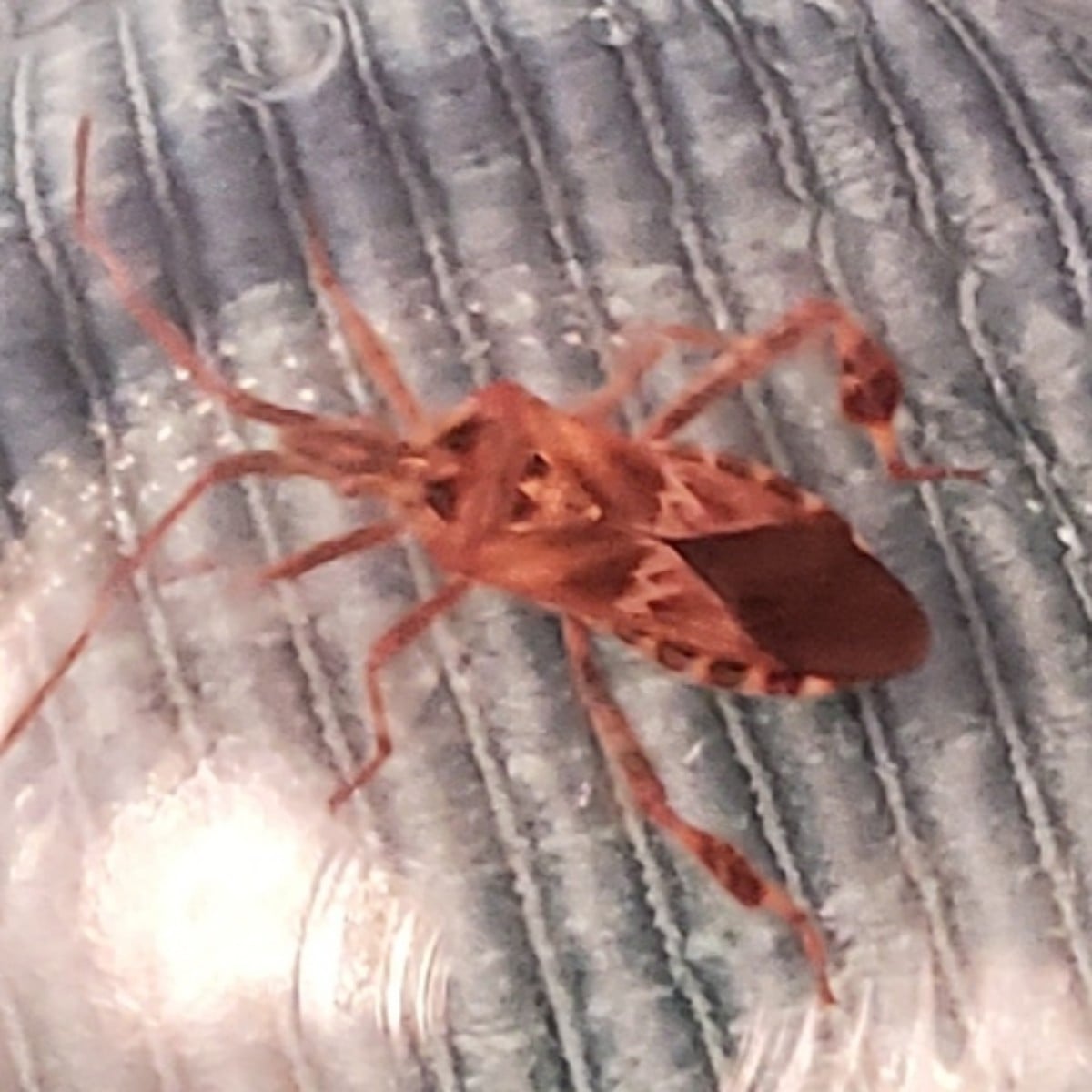
...This American pine or cone bug (Leptoglossus occidentalis) has also noticed that fall is coming! Found in Europe since 1999, it’s yet another import from North America that we really don’t need 🙄. At this time of year, they like to knock on the front door 😳 and ask to be let in so they can spend the winter indoors. Category: Pests! I sent it on its way to Hoek van Holland—maybe it’ll find a friendlier host there 🤷 ...Unfortunately, I don’t have a better photo to share 🤷
Show 1 answer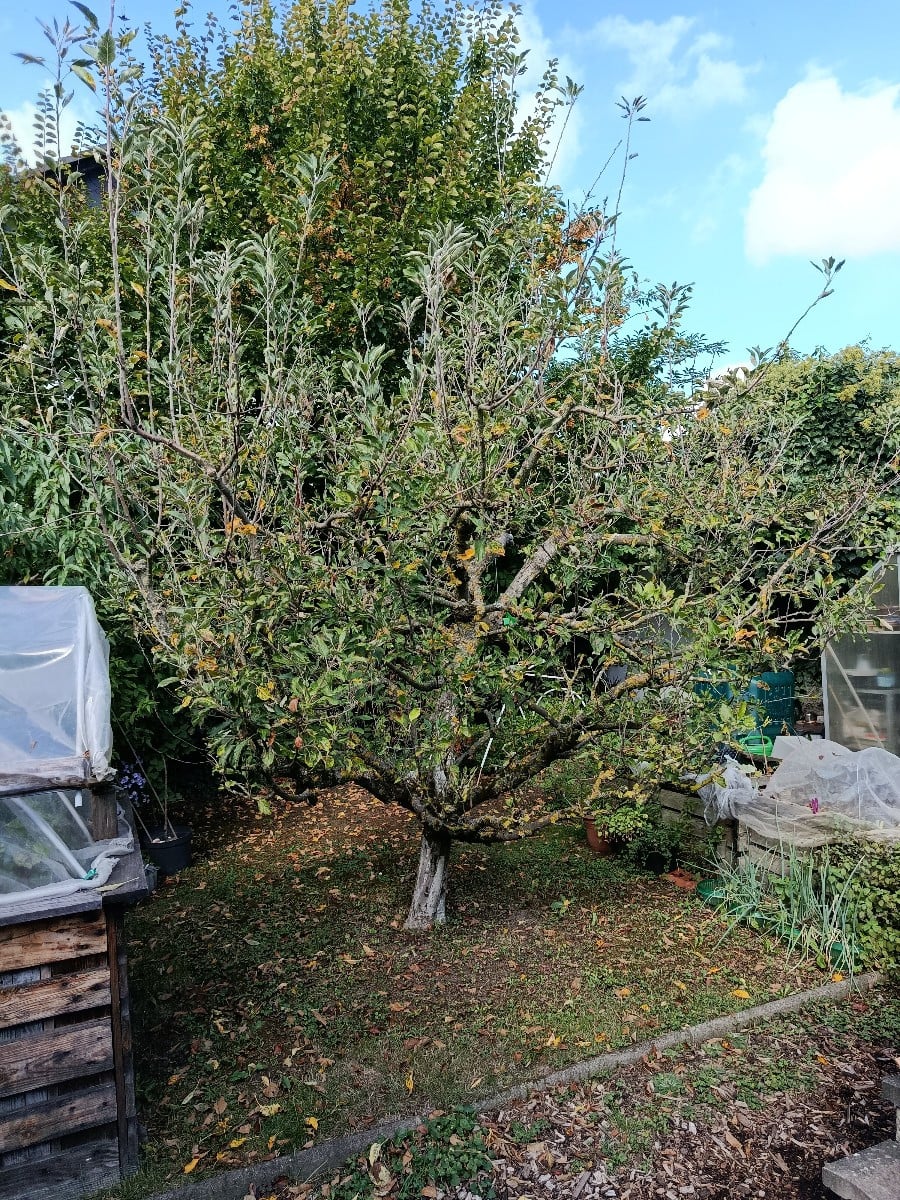
Liked 5 times
Today is a sad day. My Cox Orange was carefully cut down. I tried everything over the years, but nothing worked. Part of the problem was my choice of variety, the wrong location, improper pruning when it was young, and the hot summers. I think letting go is also part of taking responsibility, and it makes room for something new and different. Let yourself be surprised!
Show 2 answers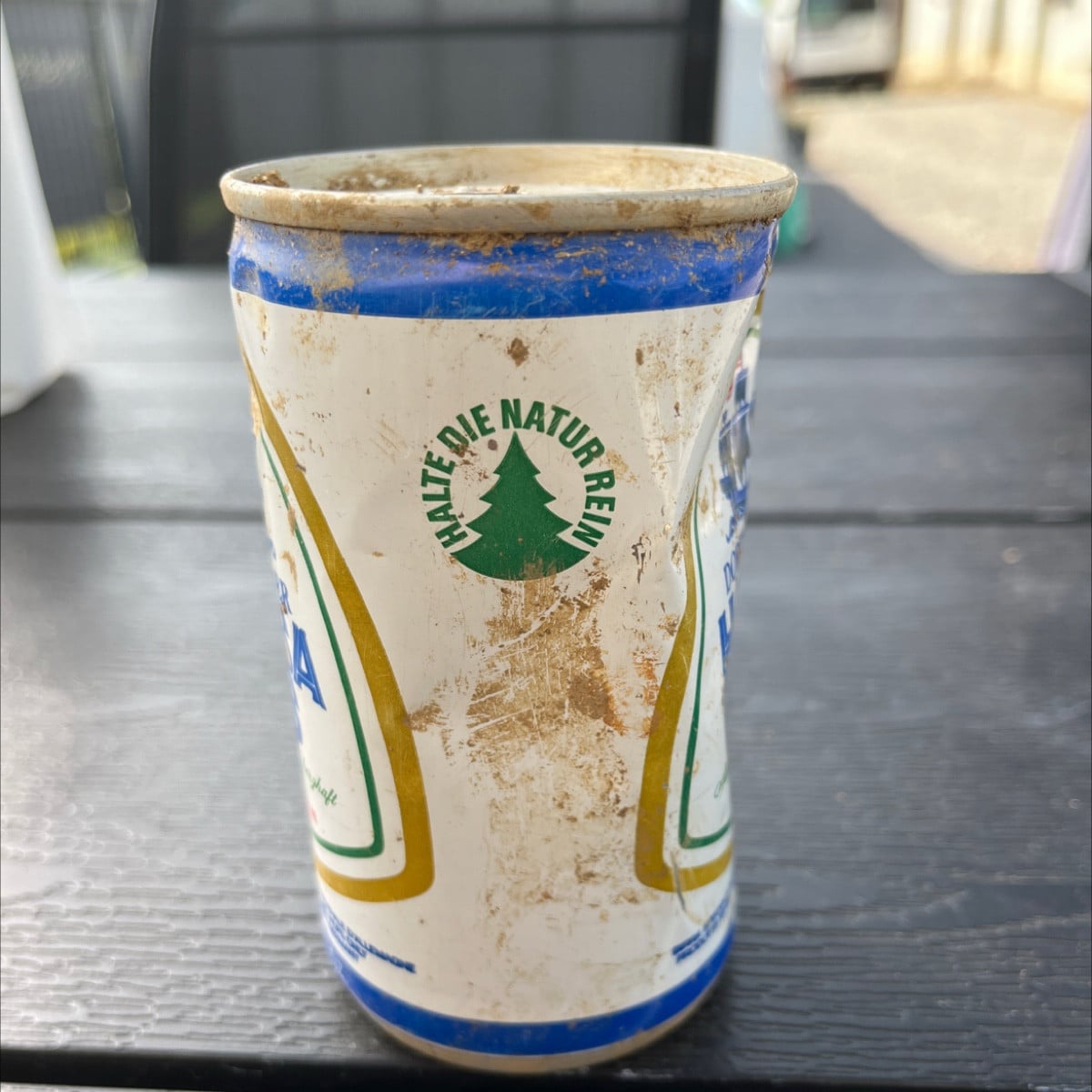
Liked 3 times
Found this today. According to Google, the can was manufactured in the 1980s. It seems the slogan "Keep nature clean" wasn't exactly put into practice.
Show 1 answerPopular Articles


FAQ
Are daisies poisonous or edible?
Yes, both the flowers and the leaves of the daisy are edible and can be added to salads or other dishes.
When to collect daisies?
Daisies bloom from March to November. Ideally, they should be collected on sunny days when the flowers are fully open.
What are the healing properties of daisies?
Daisies have an anti-inflammatory, expectorant and diuretic effect. They can be used to help with colds, coughs and skin problems.
How can I use the daisy?
The flowers and leaves can be used fresh in salads, as decoration on dishes or in herb butter. Dried, they are suitable for teas.