
Companion Plants for Courgettes: What (Not) to Plant With Them?
Courgette is a beginner-friendly plant that usually produces a huge yield. A real goldmine, especially for self-sufficient growers. In order for the plant to grow and thrive healthily, you should not grow it in monocultures.
Companion planting has many advantages for you: In addition to more resilient plants, you can also maintain soil fertility and promote a healthy ecosystem in your garden. You can find out which plants are companion plants and antagonistic plants for courgettes here. We have also prepared ideas and examples for your companion planting plan with courgettes.
This Article Contains:
- Companion Planting With Courgette: Location, Soil & Spacing
- Companion Plants for Courgette: What to Plant With Courgette?
- Can You Plant Courgette and Tomatoes Together?
- Which Herbs Go Well With Courgettes?
- What Not to Plant With Courgette?
- Can Courgette and Cucumbers Be Planted Together?
- Table: What Goes Well With Courgettes?
- Your Companion Planting Plan With Courgettes
- Succession Planting and Crop Rotation
- More Ideas for Companion Planting Plans With Courgettes
- Frequently Asked Questions About Courgettes in Companion Planting
Quick Overview
What Goes Well With Courgette?
- root and tuber vegetables such as beetroot, carrots and celery
- onions, leeks and spring onions
- lettuce
- sweetcorn
- flowers such as camomile, sunflowers, borage and marigolds
- beans
- tomatoes, aubergines and peppers
- herbs such as basil, parsley and oregano
What Not to Plant Next to Courgette?
- potatoes and daikon
- other cucurbits such as cucumbers and pumpkins
- lovage and Jerusalem artichokes
Succession Planting and Crop Rotation
- Succession planting: cold-tolerant plants such as radishes, spinach, kohlrabi, peas, lettuce, garlic or onions are suitable as pre or post-crops
- Crop rotation: take a cultivation break of 4 years
Companion Planting With Courgette: Location, Soil & Spacing
If you want to plan a mixed crop with courgettes, there are a few important things to know. Like melons and pumpkins, courgettes belong to the cucurbitaceae family. All plants in this family are particularly heat-loving and prefer sunny, sheltered locations with humus-rich, loose soil. Courgettes are heavy feeders and require a lot of nutrients. Courgette plants also need sufficient water, especially during flowering and fruiting, as their fruits consist largely of water. Depending on the variety, they grow bushy, climbing or creeping with a shallow root system. As it usually grows rather sprawling, it needs enough space in the bed and you need to plan for around 100 x 100 cm/39.4 x 39.4 in for most varieties. When grown vertically, the plant needs less space. You can find out which Varieties Are Suitable for Vertical Cultivation and More Tips on Growing Courgettes in a Space-Saving Way in this article.

Companion Plants for Courgette: What to Plant With Courgette?
Courgettes are a popular vegetable in the garden and kitchen. As courgette plants are very productive, one or two plants are often enough to feed an entire family. To make good use of the space in your bed, you can therefore plant other plants next to the courgettes. In general, when choosing companion plants, you should make sure that they have similar location and nutritional requirements and differ in their growth habit and root depth so that there is no competition and you make the best use of the space in your bed. We list the companion plants below:
- Due to the shallow roots of pumpkin plants, plants with deep roots go well next to courgettes. Root vegetables such as beetroot, celery and carrots therefore complement them well. This means there is no competition for nutrients.
- Onions, leeks and spring onions also fit well in the courgette bed. As bed companions, they keep some pests such as aphids, carrot flies and cabbage white butterfly caterpillars away from your bed with their strong smell. A tea or decoction made from onions can also be used to strengthen plants and prevent mildew. If your courgette plants are infested with pests, you can treat them with onion stock.
- If you grow your courgettes as climbing plants, you can grow ground-covering plants underneath the courgette. Lettuce or herbs can use the space at the foot of the courgette and act as a mulch layer. On the other hand, you can plant maize or sunflowers next to the courgette as a climbing aid, which serve as natural climbing aids and give the plants support.
- Beans also make a good mixed crop with courgette plants, because as nitrogen fixers they add valuable nutrients to the soil. The highly nutritious courgette can benefit from this and the soil is not depleted. Runner beans and field beans are particularly suitable for this. Bush beans compete for space due to their bushy growth habit.
- A Traditional Mixed Crop With Courgettes Is the Milpa. In a milpa, pumpkin plants, i.e. squash, melon or courgettes, are grown together with beans and maize. Sunflowers can also be planted instead of maize, as both maize and sunflowers are a natural climbing aid for the beans and possibly climbing courgette.


Don’t Waste Precious Space in Your Vegetable Garden!
With our bed planner, it’s easy to design a beautiful and productive companion planting layout. You’ll see which plants grow well together — and which don’t — along with tips for crop rotation and succession planting!
Plan Your Bed NowCan You Plant Courgette and Tomatoes Together?
It is generally possible to grow nightshade plants such as aubergines, peppers and tomatoes together with courgettes. These crops belong to different plant families, but have similar nutrient requirements and need a lot of light. If you were to decide according to location and soil requirements, these crops would go well together. However, tomatoes and peppers require more heat than courgette plants. This is why tomatoes and peppers are often grown in greenhouses. Courgette plants, on the other hand, are quite robust and thrive even at moderate temperatures. In greenhouses, however, they are more susceptible to fungal diseases. If you opt for a mixed culture with courgettes and tomatoes, peppers or aubergines, you should leave enough space between the plants to ensure good air circulation. This will reduce the risk of your plants being attacked by mildew.
In general, nightshade plants such as peppers, tomatoes and aubergines can be grown next to courgettes. Just make sure that all plants have enough space, light and nutrients. However, potatoes are the exception here and are less suitable for growing next to courgette plants.
Which Herbs Go Well With Courgettes?
Herbs are companion plants to prevent diseases and pests. They keep various pests away with the scent of their essential oils. At the same time, they attract beneficial insects to your bed and garden with their flowers. This in turn contributes to a healthy ecosystem that regulates itself and makes chemical pesticides superfluous.
- Basil goes well next to courgettes. On the one hand, it keeps mildew away from your courgette plants. It is also effective against pests such as whiteflies and aphids.
- Borage is not only a good companion plant for cucumbers. Borage also goes well next to courgettes and protects its companions from tomato worms and cabbage white butterflies. In addition, its bright blue flowers cannot be overlooked by any insect.
- Marigolds are known to reduce and keep away nematodes and wireworms in the soil, which can cause root damage or disease. If there are still beans in the bed, they will benefit from the preventative effect of marigolds against the bean aphid.
- Camomile also has a positive effect on courgette plants, as it is said to improve growth and contribute to plant health. Companion planting with camomile increases your yield. The same applies to oregano.
- Parsley is also a companion plant. On the one hand, it has a preventative effect against fungal diseases such as mildew. On the other hand, parsley improves the aroma and growth of vegetable plants.
What Not to Plant With Courgette?

Antagonistic plants for courgette can have a negative impact on plant growth and health. To promote the health and growth of courgette plants, it is advisable to avoid these and instead choose plants that support each other and create a healthy, balanced ecosystem in the garden.
- Daikon and potatoes are unsuitable companions for courgette, as they have similar nutritional requirements and compete with each other, which can lead to poorer growth of both plants. Potatoes can also spread diseases such as late blight, which can also affect courgettes.
- Cucumbers and pumpkins should not be planted next to courgettes as they belong to the same family (Cucurbitaceae) and therefore attract similar pests and diseases. These can spread more easily when related plants are planted close together.
- Lovage and Jerusalem artichokes are also unfavorable companions for courgette. Lovage, also known as Maggi herb, is a vigorous herb that overgrows other plants and can take away their light and space to grow. Jerusalem artichoke, on the other hand, has aggressive root growth that can affect other plants, including courgettes.
Can Courgette and Cucumbers Be Planted Together?
Planting courgettes and other cucurbits such as pumpkins or cucumbers next to each other can encourage the occurrence of diseases and pests, as they belong to the same plant family (Cucurbitaceae). If you plant these plants close together, you create an environment in which pests and diseases can spread more easily. Instead, you should aim for diverse planting with varied succession cropping and mixed cultivation.
Some pests that are common in pumpkin plants include pumpkin flies, aphids, whiteflies, spider mites, cucumber beetles and the larvae of the pumpkin seed weevil. Diseases that often affect pumpkin plants include mildew (powdery and downy), viral infections such as the courgette yellow mosaic virus, bacterial wilt and various fungal infections such as root rot or Fusarium wilt. Planting courgettes and other cucurbits next to each other can increase the risk of these pests and diseases spreading to all companion plants and causing major damage.
Table: What Goes Well With Courgettes?
| Good Companion Plants (Vegetables) | Good Companion Plants (Herbs & Flowers) | Bad Companion Plants |
|---|---|---|
| beans (runner beans & field beans) | basil | cucumbers |
| spring onions | borage | potatoes |
| leek | camomile | pumpkin |
| maize | oregano | lovage |
| carrots | parsley | radish |
| beetroot | marigold | jerusalem artichoke |
| lettuce | sunflowers | |
| celery | ||
| courgette | ||
| onions |
Your Companion Planting Plan With Courgettes

In this mixed culture, the courgette plant is accompanied by root vegetables such as carrots and beetroot. To prevent pests and diseases, various herbs are planted right next to the courgette. Parsley and basil keep mildew at bay. Borage attracts pollinating insects and other beneficial insects. There are also two dill plants between the carrots. Dill not only goes very well with courgettes in terms of taste, but also helps the carrots to germinate. The spring onions are in the bed all year round and can be harvested. There is also a row of lettuce planted, between which you can plant garlic in late summer.
Succession Planting and Crop Rotation
Succession planting and crop rotation are important practices in the vegetable garden. If you observe Succession Planting and Crop Rotation Rules when planning your beds, you will promote and maintain soil fertility and plant health in your garden. Rotating between plant families helps to ensure that no crop-specific pathogens or pests become established in the bed. Particularly with nutrient-demanding plants such as courgettes, you can prevent soil fatigue through a good crop rotation.
Succession Planting With Courgettes
Succession planting refers to the sequence of pre-crop, main crop and post-crop within a year. As the heat-loving courgette plant is only in the bed during the summer months, you can plan pre-crops and post-crops. You should avoid plants from the same family. However, as it is too cold for pumpkin plants in our latitudes in central Europe in winter anyway, this is not possible. Choose cold-tolerant plants such as radishes, spinach, kohlrabi, peas or lettuce. The pre-crops should have a short cultivation period and make room in the bed again by May. Subsequent crops for the winter can remain in the bed for longer and you can plant garlic or onions, for example. Alternatively, you can also sow a green manure to give the soil a break. In general, you should not choose heavy feeders in the succession cropping after courgettes, as this can deplete the soil.

Our tip: If your mixed crop and crop rotation is quite diverse, you can also plant bad companions together in the same bed. For example, radishes and spring onions are not ideal bed partners. However, the radishes only serve as marker seeds for the carrots and make room in the bed again until the winter spring onions and carrots really start to grow.
Crop Rotation
Crop rotation, on the other hand, considers the succession of main crops over several years and is a decisive factor in reducing diseases, pests and soil fatigue. After a member of the pumpkin family (pumpkin, cucumber, melon or courgette) has grown on a bed (or part of a bed), a cultivation break of 4 years should follow until the next pumpkin crop.
More Ideas for Companion Planting Plans With Courgettes
For more inspiration for bed planning, you can find more bed plans with courgettes here. Remember: courgette plants are very productive and one or two plants are usually enough to feed a family of four.
If you have any questions or comments, please write to us at [email protected]. Would you like to receive helpful gardening tips all year round and plan your own beds optimally? Then register here or download the Fryd app for Android or iOS.
Fryd - your digital bed planner

Marie
Marie ist Agrarwissenschaftlerin. Sie interessiert sich besonders für den nachhaltigen und ökologischen Anbau von Gemüse und anderen Pflanzen. Im eigenen Garten sammelte sie dabei Erfahrungen und probiert sich gerne aus, um von der Natur zu lernen. Dabei liegen ihr Werte und Prinzipien der Permakultur besonders am Herzen, um neben dem Wohl für die Natur, auch für das Wohlergehen der Menschen und zukünftiger Generationen beizutragen.
Learn MoreCurrent Topics in the Community
Liked 5 times
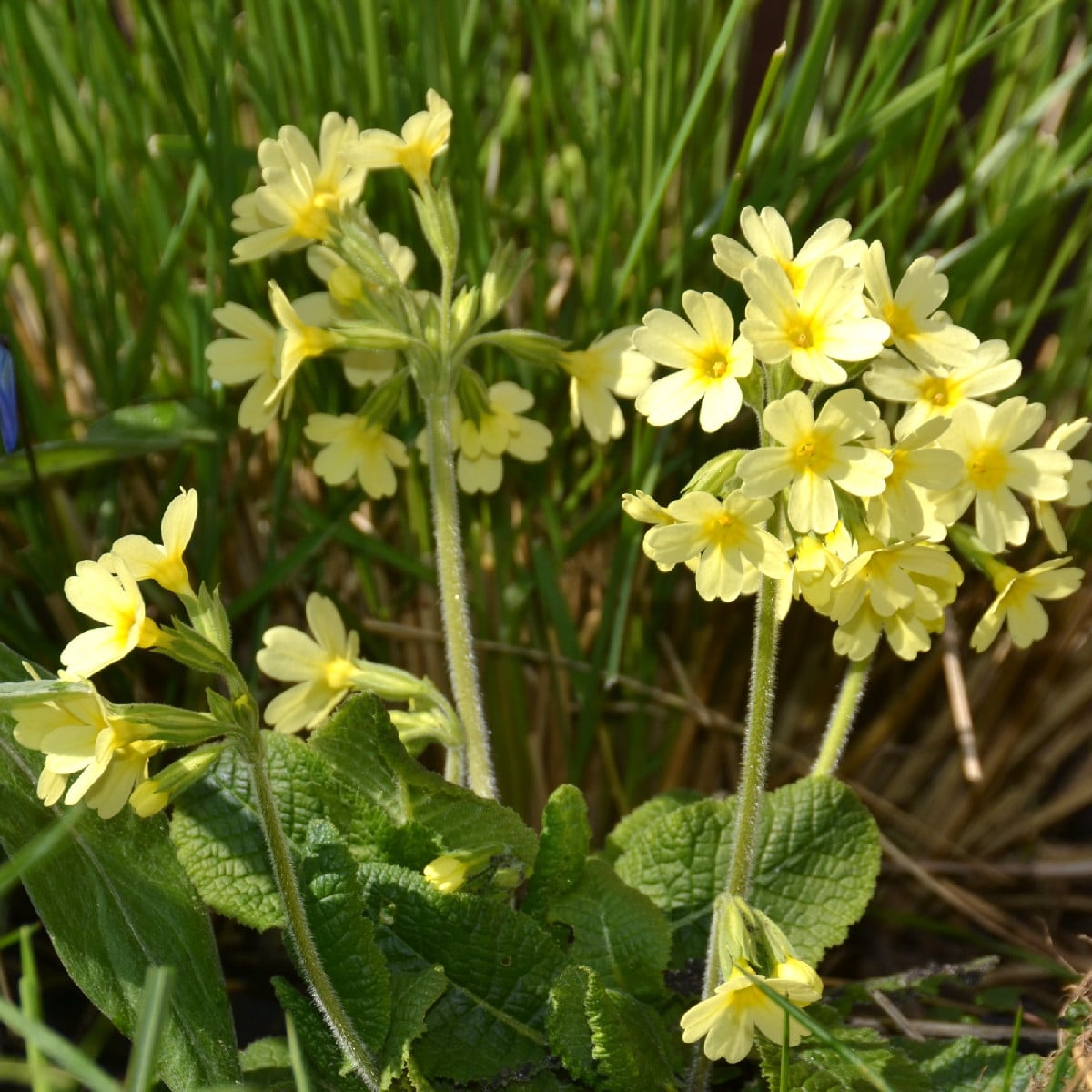
Finally, a few rays of sunshine again, which I immediately put to use for a photo shoot: The tall cowslip looks so beautiful, doesn’t it? The pasqueflower doesn’t want to fully open its blossoms in this weather. The first marsh marigold has bloomed, and many more will follow—it’s even seeded itself into the most impossible nooks and crannies 😀! And for @Peaches, a few hyacinths 🤗
Show 3 answers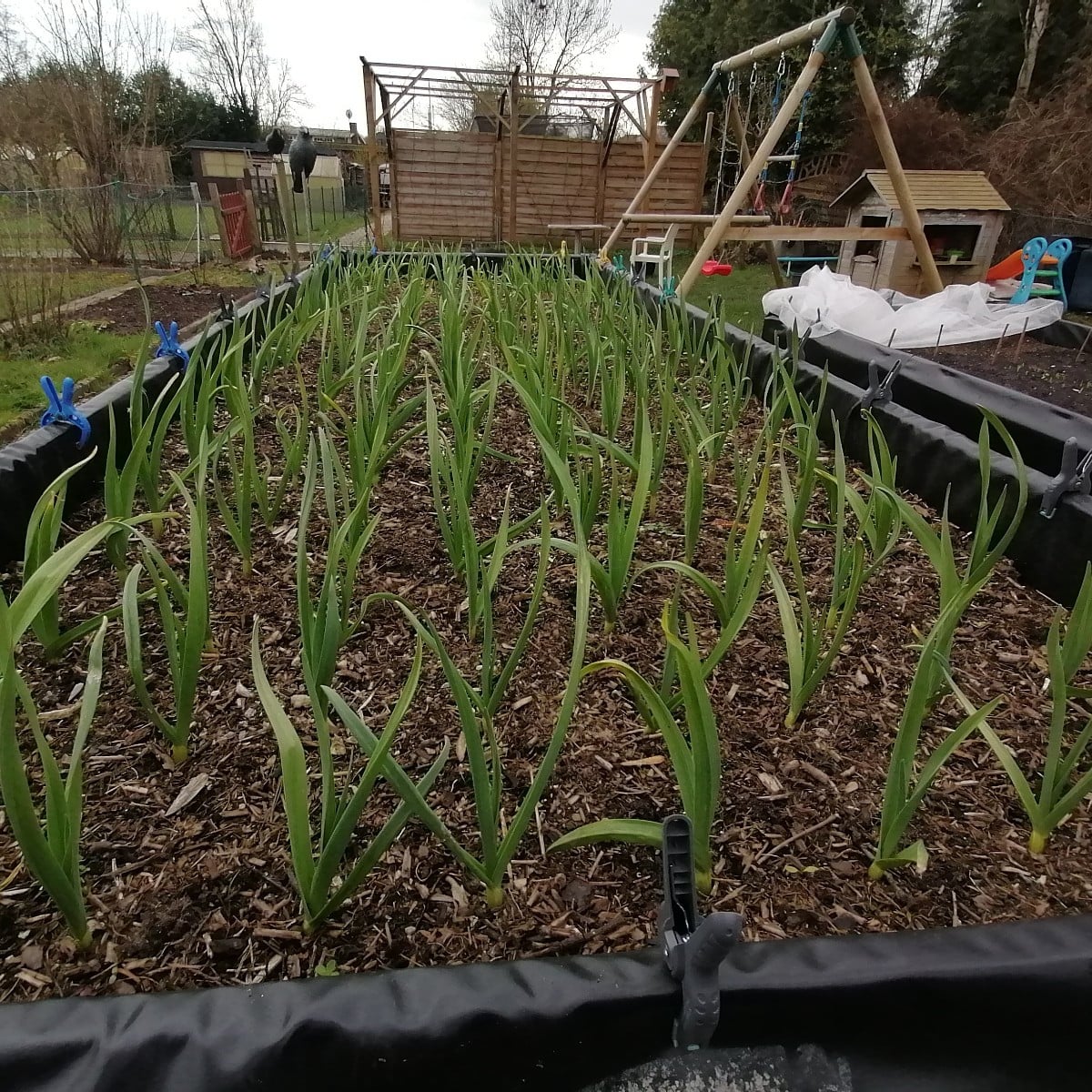
Liked 11 times
The garlic is coming back quite well after the severe cold spells and snow.
Show 7 answers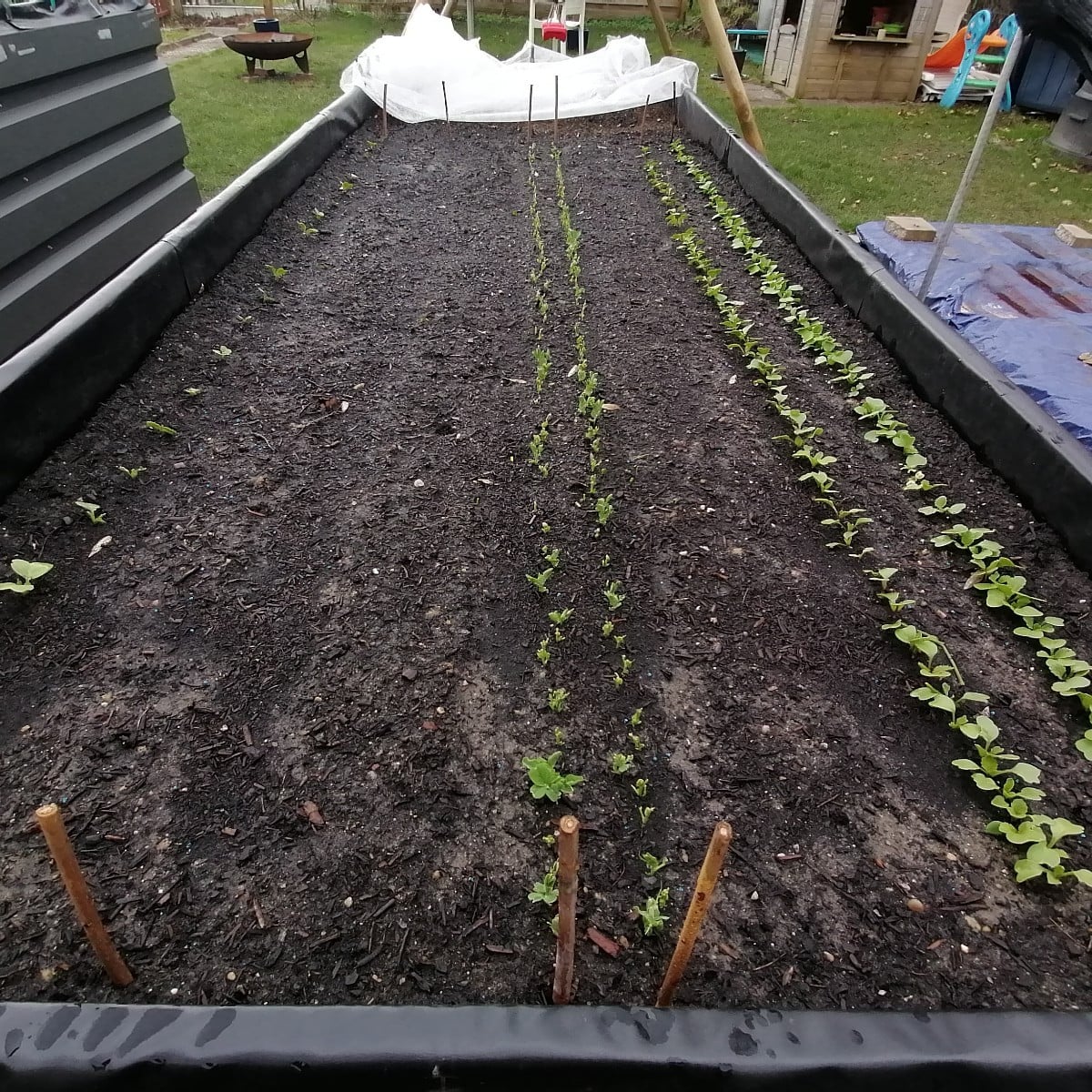
Liked 7 times
The car windows were frozen over again today, but luckily I covered the peas, radishes, and root parsley. The peas are the "Kleine Rheinländerin" variety. Best regards
Popular Articles


FAQ
What to plant next to courgettes?
Good neighbours for courgettes in the vegetable patch are beans, spring onions, leeks, sweetcorn, carrots, beetroot, lettuce, celery and onions.
Can courgettes and cucumbers be planted together?
Plants of the same family in the same bed can encourage diseases and pests. However, with sufficient spacing and a diverse mixed crop, you can grow several pumpkin plants in one bed.
Can you plant tomatoes and courgettes together?
Tomatoes, peppers and aubergines can be planted next to courgettes. However, there should be enough nutrients and sufficient space. Potatoes are the exception and should be planted at a greater distance from the courgette.
Can you plant onions with courgettes?
Yes, onion is a companion plant for courgettes and helps to deter pests such as aphids. Moreover, they do not compete for the same nutrients.
Which herbs can be planted next to courgettes?
Basil, parsley, oregano, borage and camomile go well next to courgettes - as do sunflowers and marigolds. Herbs have a positive effect on the courgette plant.