
Companion Plants for Chilies & Peppers: What (Not) to Plant With Capsicum?
Peppers and chilli peppers belong to the Solanaceae family and are heat-loving crops. They can only be planted outdoors in May and are often grown in greenhouses. Here you will find an overview of what you need to bear in mind when intercropping with peppers, what companion plants and antagonistic plants are, information on succession cropping and crop rotation, as well as a few example planting plans with peppers and chillies.
This Article Contains:
- Planting Chilli & Peppers: Location and Spacing
- Chilli & Peppers in Companion Planting: Suitable Neighbours
- Companion Plants for Peppers & Chilli
- Can You Plant Chillies With Tomatoes?
- What (Not) to Plant With Chillies / Peppers
- Companion Planting Table: Companion Plants at a Glance
- Succession Planting & Crop Rotation
- Planting Plans for Peppers & Chilli
- Planting Peppers & Chillies in a Raised Bed: Planting Plan for Mixed Crop
- Frequently Asked Questions About Chili & Peppers in Companion Planting
Quick Overview
What to Plant Next to Peppers & Chilli?
- Location: Peppers and chillies need a warm, sunny and preferably sheltered location. They are sensitive to frost and should only be planted out after the last frosts.
- Companion plants: In addition to peppers and chillies, you can also plant basil, savory, borage, dill, nasturtium, carrots, garlic, cabbage, lavender, parsley, marigold, lettuce, marigolds, thyme, tomatoes and onions.
Preventing Diseases & Pests With Companion Planting
- Basil and nasturtium prevent aphids and whiteflies, onions and garlic help against fungal diseases such as grey mould.
- You should not plant aubergines, peas, fennel, beetroot, potatoes and celery next to peppers and chilli peppers.
Planting Chilli & Peppers: Location and Spacing

The right location is crucial for your plants to grow well. Peppers and chillies need a sunny and warm spot. Sufficient light and protection from strong winds are also important. The soil should be nutrient-rich, well-drained and slightly moist. In the bed, peppers and chillies need about 40 - 50 cm/15.7 - 19.7 in between plants and about 60 cm/23.6 in between rows. You can find more information on growing peppers and chillies in our article Sowing, Planting and Harvesting Peppers and Chillies.
As pepper plants aren't allowed outside until May, you should start them off indoors or buy young plants. When buying young plants, however, you'll have significantly less choice of varieties than if you start them off yourself. You can find out what to bear in mind in our article Propagating Peppers and Chillies: Tips for Healthy Seedlings.
Chilli & Peppers in Companion Planting: Suitable Neighbours
Peppers and chilli peppers belong to the nightshade family (Solanaceae). Plants from the same family tend to attract similar pests and diseases. So when planning your bed, make sure that other nightshade plants are not in the direct vicinity of peppers. The exception is tomatoes, which are often grown together with peppers as they complement each other nicely.

Don’t Waste Precious Space in Your Vegetable Garden!
With our bed planner, it’s easy to design a beautiful and productive companion planting layout. You’ll see which plants grow well together — and which don’t — along with tips for crop rotation and succession planting!
Plan Your Bed NowCompanion Plants for Peppers & Chilli

Companion plants are basil, savoury, borage, dill, nasturtium, carrots, garlic, brassicas, lavender, parsley, marigold, lettuce, tagetes, thyme, tomatoes and onions. Flowers, garlic, herbs and onions go particularly well with peppers, as they prevent diseases and pests. These companion plants complement the peppers in their growth and have different nutrient requirements, so they don't compete with each other.
Planting Cucumbers and Peppers Together
Cucumbers are companion plants for peppers and chillies. They have similar light and water requirements, and their shallow roots do not compete with the deeper roots of peppers and chillies. They also complement each other in their growth (peppers grow bushy, cucumbers tendril-like) and the cucumber leaves can provide shade and thus protect against strong sunlight.
Growing Strawberries and Peppers Next to Each Other
Strawberries are companion plants for peppers and chilli peppers. They also need plenty of sun and loosen the soil with their shallow roots. This promotes the growth of peppers and chilli peppers. Strawberries also benefit from the nitrogen-rich soil that peppers and chillies prefer. They grow in ground cover and thus retain moisture in the soil for longer, which benefits the peppers.
Peppers & Chillies: Reduce Diseases and Pests With Companion Planting

You can reduce the risk of diseases and pests with the right companion plants. Make sure that you do not plant peppers and chillies directly next to plants that are affected by similar pests or diseases to prevent mutual infection. Aphids, whiteflies and grey mould often attack pepper and chilli plants. Plant basil and nasturtium next to your plants to combat aphids and whiteflies. Onions and garlic help against fungal diseases such as grey mould. They release fragrances that help keep pests and diseases away from your plants.
Can You Plant Chillies With Tomatoes?
Despite their relationship, tomatoes and peppers are often planted together. This is because both plants need very warm and sunny conditions to produce many fruits. They are therefore often planted together in the greenhouse. As long as there aren't any diseases or pests in the soil and you keep enough space between the plants, this is not a problem. Tomatoes are particularly susceptible to grey mould, so you should ensure good ventilation, especially if the plants are in a greenhouse. You can see how to grow peppers and tomatoes together in our example greenhouse planting plan below.
What (Not) to Plant With Chillies / Peppers
On the other hand, aubergines, peas, fennel, beetroot, potatoes and celery are antagonistic plants. Aubergines and potatoes belong to the same family as peppers and chillies and therefore attract similar diseases. Fennel inhibits the development of pepper and chilli plants and should therefore not be grown in the immediate vicinity. Peas, beetroot and celery compete with peppers and chillies for the same nutrients.

Companion Planting Table: Companion Plants at a Glance
In this companion planting table for peppers and chilli you will find a list of companion and antagonistic plants. We have divided the companion plants into vegetables and herbs for a better overview.
| Companion Plants (Vegetables) | Companion Plants (Herbs & Flowers) | Antagonistic Plants |
|---|---|---|
| carrots | basil | aubergines |
| garlic | savoury | peas |
| brassicas | borage | fennel |
| lettuce | dill | potatoes |
| tomatoes | nasturtium | beetroot |
| onions | lavender | celery |
| parsley | ||
| marigold | ||
| tagetes | ||
| thyme |
Succession Planting & Crop Rotation
In the following two sections, you will find out what you need to bear in mind with regard to crop rotation and crop rotation for peppers and chillies. Peppers are heavy feeders, so it is important not to plant heavy feeders directly after them. By rotating between heavy, medium and light feeders, you don't deplete your soil. By alternating between plant families, you also prevent diseases and pests. You can find out more about what exactly crop rotation and crop rotation are in our article on Succession Planting & Crop Rotation.
Succession Cropping After Peppers
Fast-growing crops that can withstand a little cold (e.g. lettuce and radishes) are suitable for early cultivation. Peppers and chillies can only be planted out in May as they're sensitive to frost. This means you can make good use of the space with other crops before then. Crops that remain in the bed over the winter and are harvested in spring are also well suited here. These include brassicas (cauliflower, broccoli, etc.), lamb's lettuce, onions and garlic. In the autumn, when it gets too cold for your pepper plants, you can sow spinach or green manure (e.g. mustard and clover) as a catch crop.

Crop Rotation
With pepper plants, you should take a cultivation break of 3-4 years on the same bed. This break is also recommended for other nightshade plants. If there are only a few pepper plants in the bed, a shorter break can be chosen depending on the health of the plants.
Planting Plans for Peppers & Chilli
Peppers and chillies are often grown in a greenhouse. You can find an example plan for the greenhouse in the tomato bed for the greenhouse, where both plants are grown together. Tomatoes and peppers like to be grown in greenhouses, as they have the most ideal conditions there and it's sufficiently warm and humid. However, you can also grow peppers and chillies in somewhat sheltered spots such as raised beds around the house or under a roof and on the balcony.
Planting Peppers & Chillies in a Raised Bed: Planting Plan for Mixed Crop
Raised beds are an excellent way to grow peppers and chilli peppers. The raised position means that the soil is better aerated and the plants get more heat. Make sure that you choose the right companions for your raised beds and provide sufficient sun and protection. Companion plants include cucumbers, onions and dill in the bed with peppers and chillies. When replanting, make sure that brassicas are also heavy feeders. If you plant them directly after other heavy feeders such as peppers, chillies and cucumbers, you should ensure the soil still has enough nutrients. Otherwise, you can also plant spinach, green manure or onions and garlic in the bed instead.


Companion Planting With Peppers & Chillies on the Balcony
You can also successfully grow peppers and chilli peppers on the balcony. Choose a sunny spot and make sure the planters are large enough. When choosing plants for your balcony bed, you can use the companion plants mentioned above as a guide. You can also filter the chilli and pepper varieties by balcony variety in our library.

If you have any questions or comments, please write to us at [email protected]. Would you like to receive helpful gardening tips all year round and plan your own beds optimally? Then register here or download the Fryd app for Android or iOS.
Fryd - your digital bed planner

Marielena
Marielena studiert Agrarwissenschaften. Sie gärtnert selbst zuhause im eigenen Garten und probiert gerne neue Dinge aus.
Learn MoreCurrent Topics in the Community
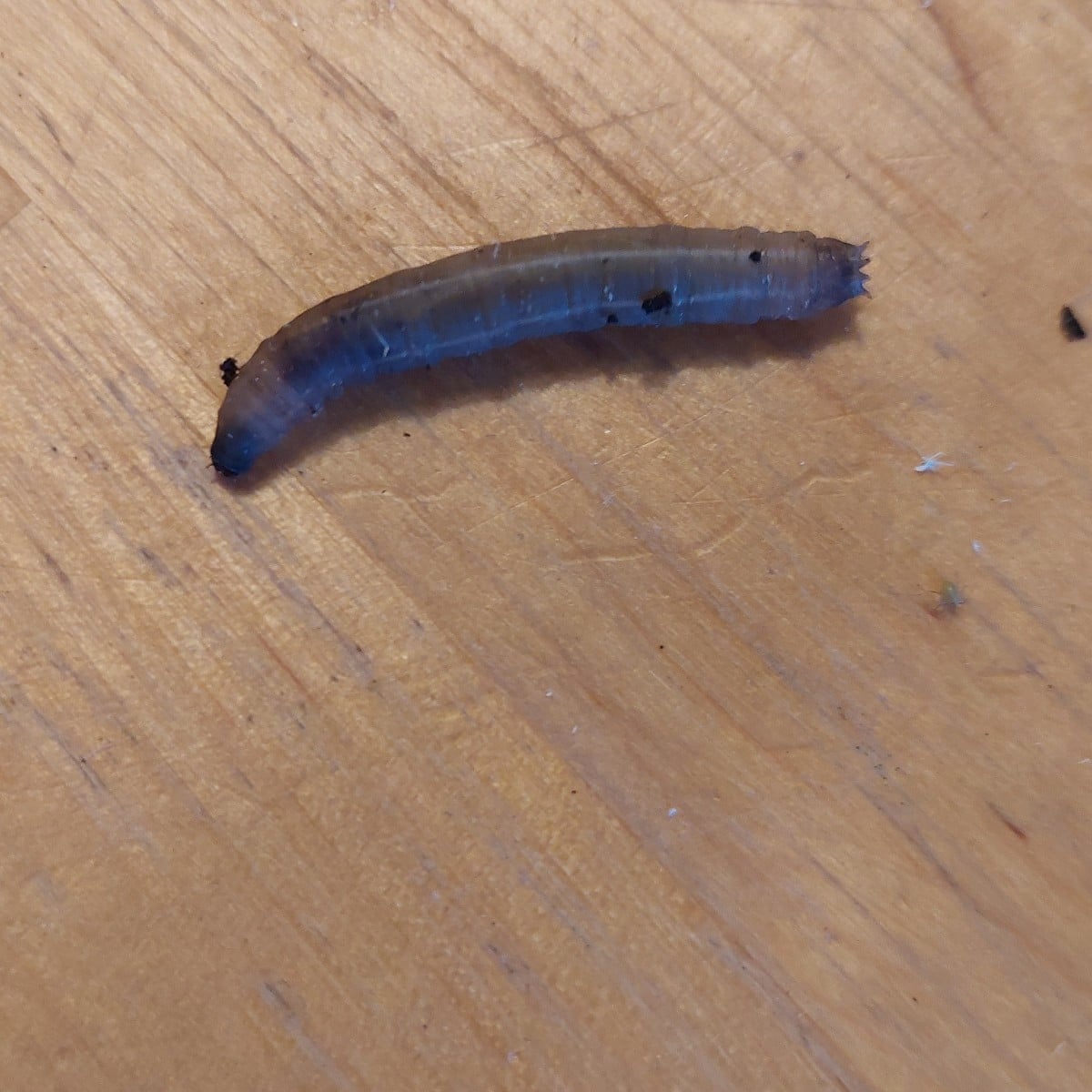
Can anyone tell me who sent this? It arrived today in a Rühlemann package. I also got some passionflower marigolds. They smell deliciously fruity!
I have a question: I read here that you’re already fertilizing your pricked-out seedlings. I always thought you only fertilize once the plants are in their final spot. Question: Which is better—fertilizing pricked-out seedlings now or waiting until they’re in the garden bed? I’d appreciate any answers. Since I don’t know that much about gardening, I’d probably go with the majority opinion (if I get several replies 😂). Thanks!
Show 6 answers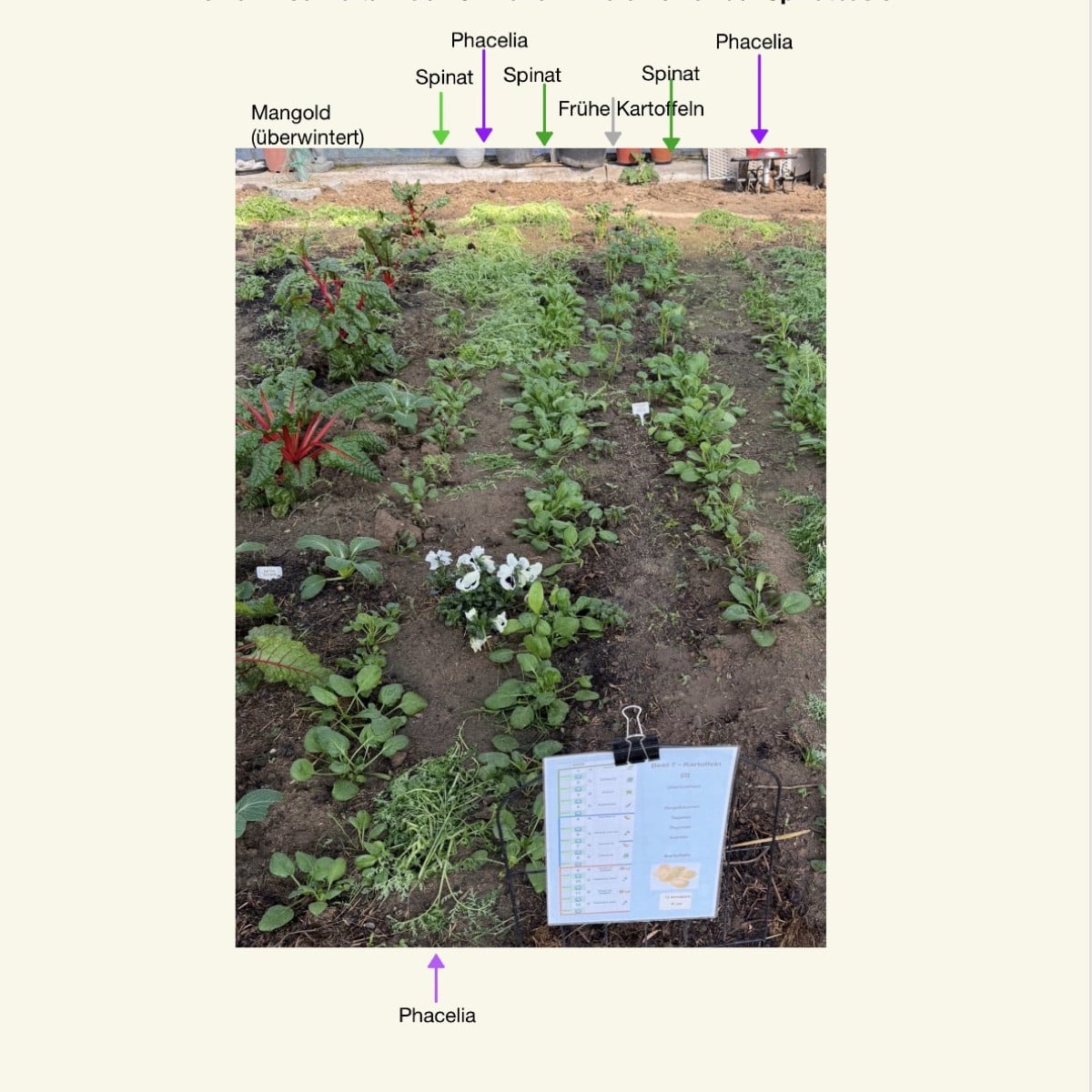
My second year of gardening in the large greenhouse… This time, I’m gardening according to the principles of #GertrudFranck for the first time. Over the winter, the soil was covered with phacelia as a green manure. In the spring, I sowed plenty of spinach in the aisles—the “paths”—also as a way to care for the soil. Today I started pulling up the phacelia so that crops like potatoes don’t have to share nutrients with it. It feels a bit strange to lay the removed greens on the paths between the rows and leave them there as mulch and food for the soil organisms.
Popular Articles


FAQ
Which plants go well with peppers and chili peppers?
In addition to peppers and chili peppers, you can also plant basil, savory, borage, dill, nasturtium, carrots, garlic, cabbage, lavender, parsley, marigold, lettuce, marigold, thyme, tomatoes and onions.
What should you not plant next to peppers and chili peppers?
You should not place aubergines, peas, fennel, beetroot, potatoes and celery next to peppers and chili peppers.
Can tomatoes and peppers be planted together?
Tomatoes and peppers are often planted together despite their relationship, as both plants have similar needs. If no diseases or pests have established themselves in the soil, this is also not a problem.
Can you plant peppers next to cucumbers?
Yes, they have similar needs for light and water, their shallow roots do not compete with the deeper roots of peppers and chilies. Cucumber leaves can provide shade and protection from strong sunlight.