
Companion Plants for Kitchen Herbs: Chives, Parsley & Co
Kitchen herbs make it easy to close gaps in the vegetable patch and benefit from positive mixed cultivation effects. Here you can find out what location requirements culinary herbs have and what makes a good companion for chives, parsley, basil and co. in the vegetable patch. We have also put together a table to give you an overview of good companions in mixed cultivation.
This Article Contains:
- Which Herbs Should You Plant and Why?
- Planning Mixed Cultivation With Herbs and Vegetables
- Examples of Mixed Crops With Herbs
- Basil: Companion Plants in Mixed Cultivation
- Companion Plants for Rosemary in the Bed
- What Goes Well With Thyme?
- Companion Plants for Borage
- Which Vegetables Go Well With Chives?
- Peppermint: Companion Plants & Location
- Dill: Good Companion Plants in Mixed Cultivation
- Which Vegetables to Plant Together With Parsley?
- What Goes Well With Lavender?
- Table: Mixed Herb and Vegetable Bed With Good Companion Plants
- Examples of Your Vegetable Patch With Herbs
- Frequently Asked Questions About Mixed Herb and Vegetable Cultures
Quick Overview
Herbs in the Vegetable Patch: Good Companion Plants
- Kitchen herbs are a good addition to the vegetable patch, they fill gaps, attract beneficial insects, can improve the taste of vegetables and keep diseases and so-called pests at bay
- With mixed cultivation, you need to consider the location, plant family, root space and growth form, plant spacing and light and heavy feeders
- Good companion plants for chives are cabbage, spinach, carrots, parsnips, celery, kohlrabi, tomatoes, white cabbage, tuberous fennel, radicchio
- You can grow parsley in mixed cultivation with onions, tomatoes, cucumbers, spring onions, kale, palm kale, asparagus, peppers and chilli peppers.
- Vegetable plants such as chilli, fennel, cucumber, cabbage, pumpkin, pepper, tomato, courgette go well next to basil
- Thyme is a good companion for chilli, cabbage, horseradish, carrots, peppers
- Rosemary goes well next to carrots in the vegetable patch. And lavender is a good companion for chillies and peppers.
Which Herbs Should You Plant and Why?
Herbs can be a great addition to the vegetable patch. The substances that we perceive through smell and taste also make a decisive difference in mixed cultivation. Herbs in the vegetable patch can ensure that vegetables are particularly tasty, attract beneficial insects and keep so-called pests away. In addition, herbs usually take up little space and are therefore ideal for filling gaps in the vegetable patch.

Aromatic Herbs, Medicinal Herbs and Culinary Herbs
Aromatic herbs, medicinal herbs, fragrant herbs, culinary herbs - all these names reflect the special nature of these plants. Botanically speaking, herbs are plants whose above-ground shoots are not or barely woody. Many herbs are annuals and die towards the end of the growing season. In contrast, there are biennial or perennial herbs (herbaceous perennials). These plants overwinter with renewal buds lying close to the ground or underground and can therefore sprout again the following year.
Apart from this definition, we associate herbs in particular with their fragrance and aroma - they are irreplaceable in the kitchen. However, the boundaries between aromatic herbs, medicinal herbs and culinary herbs are blurred. There are certain herbs that are cultivated for their healing powers and for medicinal purposes. However, fresh culinary herbs from your garden are always rich in valuable ingredients whose health-promoting effects you can take advantage of. The spectrum ranges from antibacterial, anti-rheumatic and expectorant to calming or digestive effects. The right preparation and dose are important. First of all, however, you can simply enjoy the freshness and flavour, and the good ingredients are there when you eat them.
Planning Mixed Cultivation With Herbs and Vegetables
When combining herbs and vegetables, the same principles apply as always in Mixed Cultivation:
- Observe planting distances
- If possible, do not plant plants of the same family next to each other or one after the other in the same place
- Distinguish between light and heavy feeders
- Pay attention to root space and growth habit

When growing culinary herbs, you should of course also consider the requirements and origin of the plants.
- Although not all Mediterranean herbs originally come from the Mediterranean, they are native to the region and are now an integral part of the cuisine. These include oregano, thyme, rosemary, sage, basil and lavender. These plants thrive in sunny locations and cope better with the hot summers. On the other hand, they are more sensitive to harsh weather and frost.
- Native herbs, on the other hand, can also be found wild in our latitudes. These include wild garlic, lovage, chives, borage and woodruff. These usually feel at home in partial shade and with a little more moisture.
Examples of Mixed Crops With Herbs
Here we present a few examples of the best-known culinary herbs with their good and bad companions. However, the following is about mixed vegetable-herb cultures. If you are interested in Which Herbs Go Well Together, please read our article on this. There you will also find a table with good and bad companions for herbs.
Basil: Companion Plants in Mixed Cultivation
Location: Even though we primarily associate Basil (Ocimum basilicum) with Italy today, the plant originally comes from India. It grows best in the sunniest spot in your garden in nutritious, well-drained soil. In mixed cultivation, basil is effective against mildew, whitefly and cabbage whitefly infestation and attracts pollinating insects.
Good companion plants: pepper, cabbage, chilli, cucumber, fennel, pumpkin, tomato, courgette.


Don’t Waste Precious Space in Your Vegetable Garden!
With our bed planner, it’s easy to design a beautiful and productive companion planting layout. You’ll see which plants grow well together — and which don’t — along with tips for crop rotation and succession planting!
Plan Your Bed NowCompanion Plants for Rosemary in the Bed
Location: As a typical Mediterranean plant, Rosemary (Rosmarinus officinalis) is best planted in a sunny spot in your garden. Poor, humus-rich, well-drained soil is best.
Good companion plants: carrots

What Goes Well With Thyme?
Location: Thyme (Thymus vulgaris) should also be planted in a sunny, sheltered location. The herb likes well-drained, loose, calcareous soil.
Good companion plants: brussels sprouts, chinese cabbage, broccoli, carrots, cauliflower, chilli, horseradish, kohlrabi, pak choi, palm kale, peppers, savoy cabbage, white cabbage.

Companion Plants for Borage
Location: Borage (Borago officinalis) with its rough leaves is best planted in a sunny spot with nutritious, fresh to moist soil.
Good companion plants: brussels sprouts, chinese cabbage, pepper, bush bean, cauliflower, chilli, cucumber, field bean, garden lettuce, head cabbage, kale, kohlrabi, pak choi, palm cabbage, pea, potato, radicchio, runner bean, savoy cabbage, white cabbage, courgette.

Which Vegetables Go Well With Chives?
Location: Chives (Allium schoenoprasum) grow in sunny to semi-shady locations with nutritious, not too moist soil.
Good companion plants: bulbous fennel, cabbage, carrots, celery, kohlrabi, parsnip, radicchio, spinach, tomatoes, white cabbage.

Peppermint: Companion Plants & Location
Location: Mint (Mentha spec.) thrives best in sunny to semi-shady locations. Nutritious, moist soil is best for the plant. If you would like to find out more about different Types of Mint, you can read the article on this subject. In mixed cultivation, mint should ideally be planted with a root barrier, otherwise the plant will spread by itself in the bed.
Good companion plants: brussels sprouts, chinese cabbage, broccoli, cauliflower, garden lettuce, kale, kohlrabi, pak choi, palm kale, potato, savoy cabbage, tomato, white cabbage.

Dill: Good Companion Plants in Mixed Cultivation
Location: Garden dill (Anethum graveolens) grows in deep, nutritious, fresh soil in sunny locations. Dill produces a better aroma in mixed cultivation with root vegetables as a positive effect.
Good companion plants: brussels sprouts, chinese cabbage, asparagus, bean, beet, pepper, broccoli, burke, carrot, cauliflower, chilli, garden salad, kale, kohlrabi, onions, pak choi, palm cabbage, pea, radicchio, swede, savoy cabbage, spring onion, turnip, white cabbage.

Which Vegetables to Plant Together With Parsley?
Location: Parsley (Petroselinum crispum) is the number one culinary herb. It grows well in semi-shady locations in humus-rich, moist soil. You should plant parsley in a different place in the bed every year because it is incompatible with itself. In mixed cultivation, parsley repels various pests.
Good companion plants: asparagus, pepper, chilli, cucumber, kale, onion, palm kale, spring onion, tomato.

What Goes Well With Lavender?
Location: Lavender (Lavandula angustifolia) should be planted in sunny locations with well-drained, calcareous, dry soil. The plant works in mixed cultivation by repelling ants and attracting pollinating insects. You can plant it as a border.
Good companion plants: peppers, chilli

Table: Mixed Herb and Vegetable Bed With Good Companion Plants
| Herb | Good Companion Plants |
|---|---|
| Basil | pepper, cabbage, chilli, cucumber, fennel, pumpkin, tomato, courgette |
| Rosemary | carrots |
| Thyme | brussels sprouts, chinese cabbage, broccoli, carrots, cauliflower, chilli, horseradish, kohlrabi, pak choi, palm kale, peppers, savoy cabbage, white cabbage |
| Borage | brussels sprouts, chinese cabbage, pepper, bush bean, cauliflower, chilli, cucumber, field bean, garden lettuce, head cabbage, kale, kohlrabi, pak choi, palm cabbage, pea, potato, radicchio, runner bean, savoy cabbage, white cabbage, courgette |
| Chives | bulbous fennel, cabbage, carrots, celery, kohlrabi, parsnip, radicchio, spinach, tomatoes, white cabbage |
| Mint | brussels sprouts, chinese cabbage, broccoli, cauliflower, garden lettuce, kale, kohlrabi, pak choi, palm kale, potato, savoy cabbage, tomato, white cabbage |
| Dill | brussels sprouts, chinese cabbage, asparagus, bean, beet, pepper, broccoli, burke, carrot, cauliflower, chilli, garden salad, kale, kohlrabi, onions, pak choi, palm cabbage, pea, radicchio, swede, savoy cabbage, spring onion, turnip, white cabbage |
| Parsley | asparagus, pepper, chilli, cucumber, kale, onion, palm kale, spring onion, tomato |
| Lavender | peppers, chilli |
Examples of Your Vegetable Patch With Herbs
For inspiration, you can find a few planting plans with vegetables and herbs here. Your diverse mixed crop is sure to succeed!
Do you want to get helpful gardening tips all year round and plan your own beds in the best possible way? Then register here or download the Fryd app for Android or iOS download.
Fryd - your digital bed planner
Cover image: Photo by Markus Spiske on Unsplash

Emilie
Emilie studiert Agrarwissenschaften an der Uni Hohenheim. Sie findet es faszinierend wie eng Ernährung und Gesundheit zusammenhängen und spannend welche Wildpflanzen man essen kann.
Learn MoreCurrent Topics in the Community
Liked 1 times
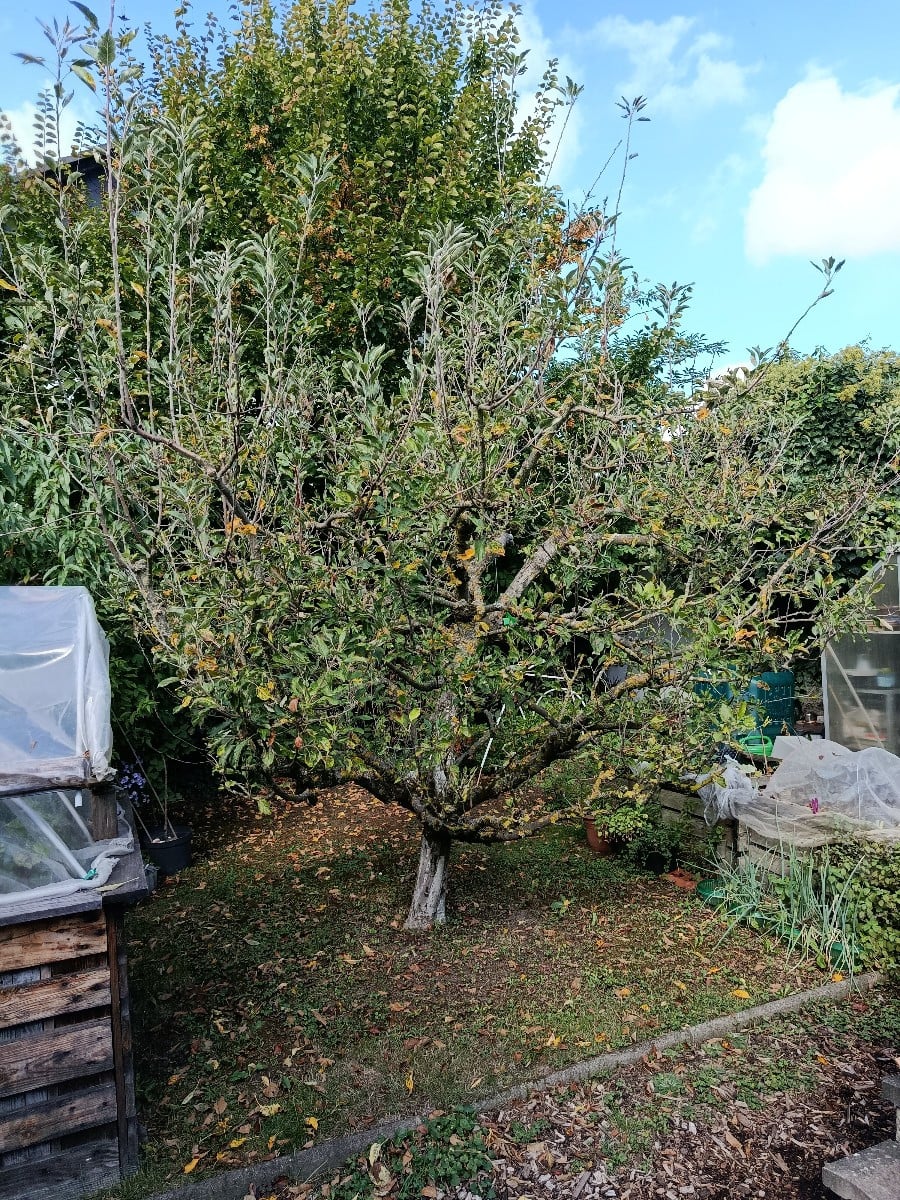
Today is a sad day. My Cox Orange was carefully cut down. I tried everything over the years, but nothing worked. Part of the problem was my choice of variety, the wrong location, improper pruning when it was young, and the hot summers. I think letting go is also part of taking responsibility, and it makes room for something new and different. Let yourself be surprised!
Liked 1 times
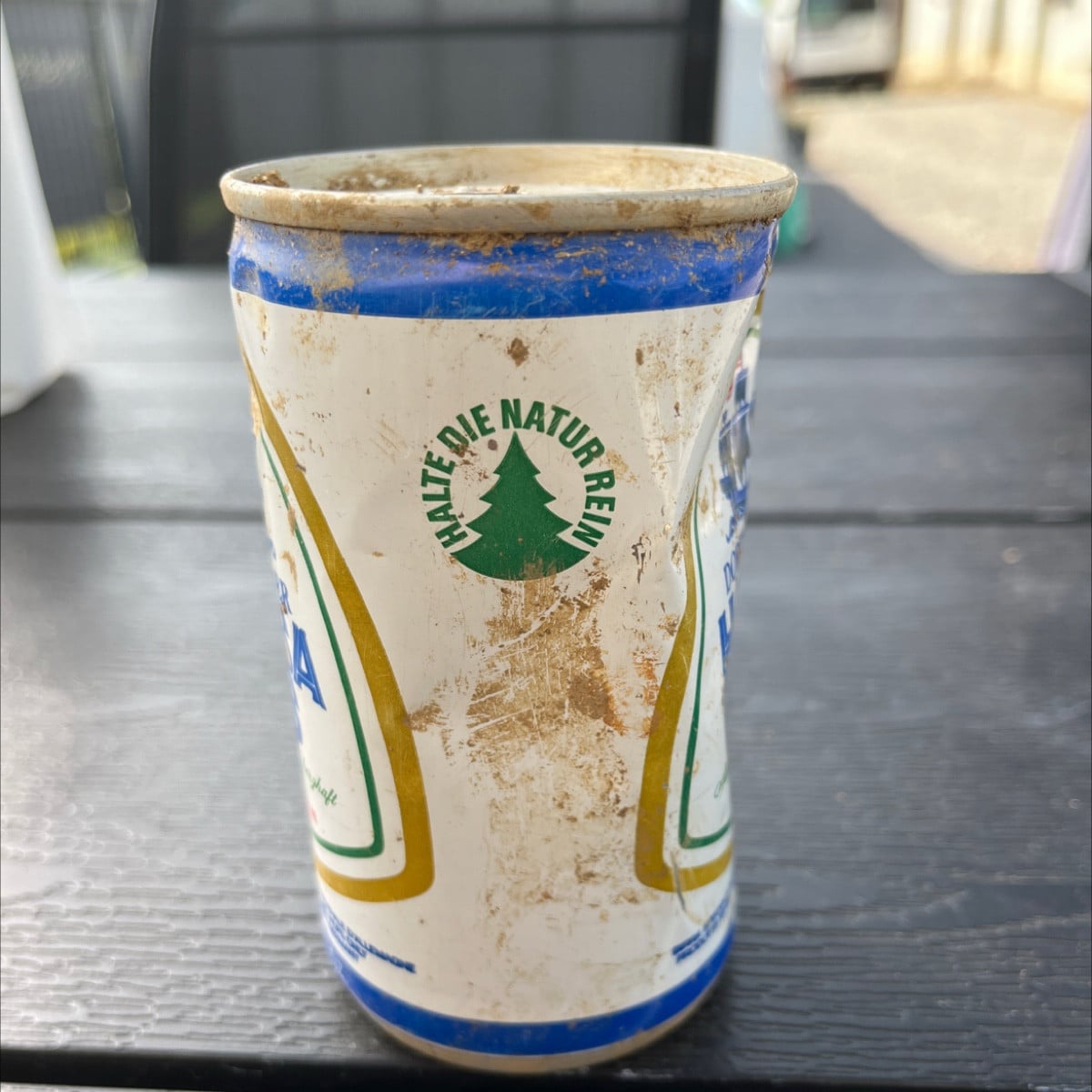
Found this today. According to Google, the can was manufactured in the 1980s. It seems the slogan "Keep nature clean" wasn't exactly put into practice.

Hi, we have pumpkins that are firm and green but sound hollow; they're still on the plant. How can I tell if they're ripe? I tried to upload a photo, but it didn't work....
Popular Articles


FAQ
Why should you plant herbs in the vegetable patch?
Herbs in the vegetable patch attract beneficial insects, keep pests away, can improve the taste of vegetables and take up little space.
Which herbs go well with basil in a mixed culture?
Good companions for basil are chilli, fennel, cucumber, cabbage, pumpkin, capsicum, tomato and courgette.
Can rosemary be grown in a mixed crop and if so, with which vegetables?
Rosemary is suitable for mixed cultivation, especially with carrots as neighbours.
What are good companions for parsley in the vegetable patch?
Parsley goes well with chilli, spring onion, kale, cucumber, palm kale, capsicum, asparagus, tomato and onion.
Which vegetables are suitable companions for chives?
Chives are compatible with fennel, cabbage, kohlrabi, carrots, parsnip, radicchio, celery, spinach, tomatoes and white cabbage.